
Is East Hartford expensive to live in? East Hartford is considered moderately priced in 2026, with a median home value of $201,500 and median rent of $1,163 per month. The value proposition depends on housing entry cost versus utility exposure and car dependence, as energy rates and transportation needs create recurring pressure beyond the initial housing decision.
When Maya relocated to East Hartford for a regional healthcare job, she expected her biggest expense to be rent. She found a tidy apartment near Main Street for just under $1,200—reasonable for the Hartford metro. But her first winter brought a surprise: heating bills that spiked in January, and a realization that nearly every errand required a car. The bus routes existed, but her grocery store, pharmacy, and gym were all corridor-clustered, not within walking distance. By spring, she understood that East Hartford’s cost structure wasn’t defined by a single line item—it was shaped by the interplay of moderate housing entry, elevated utility rates, and the logistics of getting around.
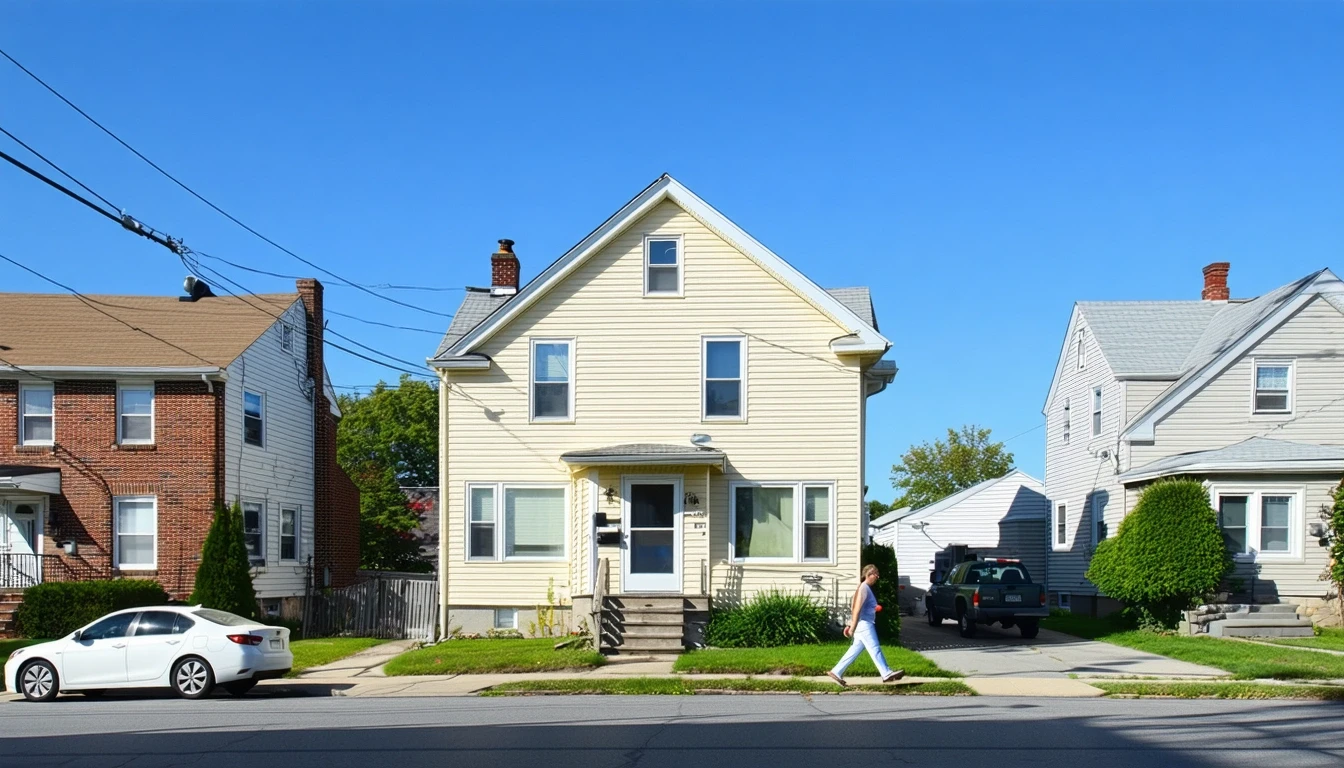
Overall Cost of Living Snapshot
East Hartford sits slightly above the national cost baseline, with a regional price parity index of 103. This means the overall price level is about 3% higher than the U.S. average, a modest premium that reflects its position within the Hartford metro without the intensity of urban core pricing.
The cost structure here is defined by three forces: housing entry costs that remain accessible compared to coastal Connecticut markets, utility rates that rank among the highest in the region, and transportation expenses driven by car dependency. Unlike cities where rent alone determines affordability, East Hartford spreads cost pressure across multiple categories. Housing is the largest single expense, but utilities and vehicle ownership together form a secondary cost layer that shapes monthly cash flow.
The primary cost driver is the combination of housing entry and energy exposure. Median home values and rents are moderate, but electricity at 27.02¢ per kilowatt-hour and natural gas at $26.56 per thousand cubic feet create recurring bills that swing with the seasons. Cold winters demand heating; warm summers require cooling. These aren’t optional expenses—they’re structural.
Surprises come not from sticker prices but from the cumulative effect of logistics. Errands are concentrated along commercial corridors rather than distributed throughout neighborhoods. Bus service exists, but most households rely on personal vehicles to manage daily routines. Fuel costs at $2.85 per gallon are moderate, but the frequency of trips adds up. The city’s building form is more vertical than typical suburban sprawl, and mixed-use areas do exist, yet walkability remains limited to pockets rather than being a citywide feature.
Driver verdict: Housing and utilities dominate the cost structure, with transportation acting as a persistent secondary expense. The biggest surprises come from seasonal utility swings and the logistical friction of car-dependent errands, not from day-to-day prices.
Housing Costs (Primary Driver)
Housing in East Hartford offers both ownership and rental pathways at price points that remain accessible within the broader Connecticut context. The median home value of $201,500 positions the city as a moderate-entry market—well below coastal Connecticut towns but reflecting the infrastructure and proximity of the Hartford metro. Median gross rent of $1,163 per month provides a rental option that avoids the premium pricing of urban cores while maintaining access to regional employment centers.
The renting versus owning decision hinges on stability and long-term cost exposure. Renters face the flexibility of lower upfront costs and the ability to relocate without transaction friction, but they remain exposed to lease renewals and landlord decisions. Owners gain fixed principal and interest payments (on fixed-rate mortgages) and build equity, but they absorb property taxes, insurance, maintenance, and the risk of market shifts. In East Hartford, the gap between monthly rent and the carrying cost of ownership is narrow enough that households planning to stay multiple years often find ownership advantageous, while those in transition or uncertain about tenure lean toward renting.
This is a transitional city with viable options for both renters and buyers. It’s not a pure rental market like dense urban centers, nor is it an ownership-dominant suburb where rental stock is scarce. Both pathways exist, and the choice depends on household timeline and risk tolerance.
| Housing Type | Cost Anchor | What That Buys You |
|---|---|---|
| Median Home Value | $201,500 | Ownership entry with equity-building and fixed financing, plus full responsibility for taxes, insurance, and maintenance |
| Median Gross Rent | $1,163/month | Flexibility and lower upfront cost, with exposure to lease renewals and landlord decisions |
Utilities & Energy Risk
Utility costs in East Hartford are shaped by two forces: high per-unit energy rates and a climate that demands both heating and cooling across the year. Electricity is priced at 27.02¢ per kilowatt-hour, a rate that sits well above the national average and reflects the regional cost structure of New England’s energy grid. Natural gas, the primary heating fuel for many households, is priced at $26.56 per thousand cubic feet—a figure that translates to meaningful monthly bills during extended heating seasons.
The risk isn’t just the rate—it’s the exposure. East Hartford experiences cold winters that require sustained heating from November through March, and warm, humid summers that push air conditioning usage from June into September. A household’s utility bill isn’t flat across the year; it swings with temperature. January and July are peak months, while spring and fall offer brief relief.
This creates a moderate-to-major risk classification depending on housing type and household behavior. Renters in smaller units with included heat face lower exposure. Owners of single-family homes with older insulation, electric heating, or central air conditioning face the full weight of seasonal swings. Efficiency measures—programmable thermostats, weatherization, and appliance upgrades—reduce usage, but they don’t eliminate the underlying rate structure.
Risk classification: Moderate for most households, escalating to major for larger homes or those with electric heating and older infrastructure.
Groceries & Daily Costs
Grocery costs in East Hartford reflect the regional price environment of the Hartford metro, with the overall cost of food tracking slightly above the national baseline. The city’s regional price parity of 103 suggests that everyday purchases—bread, milk, eggs, chicken, ground beef—carry a modest premium compared to the U.S. average, though the difference is far less pronounced than in urban cores or isolated rural areas.
For households, this translates to steady but not extreme pressure. A family buying staples weekly will notice the cumulative effect of slightly elevated prices, particularly on proteins and dairy. Singles and couples with simpler meal routines face lower absolute costs but still encounter the same per-unit pricing. The difference between high-exposure and low-exposure households isn’t the price per pound—it’s the volume and frequency of purchases.
Access to grocery options is corridor-clustered rather than evenly distributed. Food and grocery establishments are concentrated along commercial routes, meaning most households drive to shop rather than walk. This adds a logistical layer: grocery trips require vehicle access and planning, and the convenience of quick top-up shopping on foot is limited to specific neighborhoods near those corridors.
Transportation Reality
Transportation in East Hartford is defined by car dependency, moderated only slightly by the presence of bus service. The city’s infrastructure reflects a built environment where roads dominate and pedestrian pathways, while present in pockets, don’t form a continuous network that supports car-free living. Errands, groceries, healthcare, and most employment destinations require a vehicle for practical access.
Bus service does exist, providing a public transit option for residents who live and work along established routes. But the system is bus-only—no rail connections—and coverage is limited compared to denser urban centers. For households without a car, transit becomes a constraint on job access, errand flexibility, and time management. For households with a car, the bus is typically a backup option rather than a primary mode.
Fuel is priced at $2.85 per gallon, a moderate figure that doesn’t shock at the pump but accumulates quickly with frequent use. A household making daily commutes, weekly grocery runs, and regular trips for errands or activities will find that transportation becomes a recurring line item—not as large as housing or utilities, but persistent and unavoidable.
The transportation exposure here isn’t about distance alone—it’s about frequency and necessity. Households that can consolidate trips, work from home, or live near a commercial corridor face lower costs. Households with multiple workers, school-age children, or dispersed daily obligations face higher vehicle usage and the associated fuel, maintenance, and insurance costs.
Because errands are corridor-clustered and walkability is limited to specific pockets, even short trips often require a car. This isn’t a city where you can walk to the corner store or bike to the pharmacy as a default. It’s a place where finding a place near a commercial corridor reduces logistics friction, but most residents still plan their weeks around vehicle access.
Cost Exposure Profiles
Cost exposure in East Hartford is shaped by three structural forces: housing entry versus long-term ownership costs, utility volatility driven by seasonal energy demands, and transportation dependence rooted in the city’s built environment. These aren’t isolated expenses—they interact, and the household situations that face the highest exposure are those where all three forces align.
Low-exposure situations: A single professional or couple renting a small apartment near a commercial corridor, working from home or with a short commute, and living in a unit with efficient heating and cooling. Housing costs are fixed by lease, utility bills are modest due to unit size and efficiency, and transportation needs are minimal. Errands may still require a car, but infrequent trips keep fuel and maintenance costs low.
High-exposure situations: A family of four owning a single-family home with older insulation, two working adults with separate commutes, and school-age children requiring daily transportation. Housing costs include not just the mortgage but property taxes, insurance, and maintenance. Utility bills swing sharply with the seasons, driven by heating in winter and cooling in summer. Transportation becomes a daily necessity—commutes, school runs, errands, activities—each trip adding to fuel and vehicle wear.
The difference isn’t income—it’s structure. Homeowners face more cost categories than renters. Families with children face more transportation trips than singles. Larger homes face higher utility exposure than apartments. East Hartford’s cost structure rewards consolidation: fewer vehicles, smaller living spaces, proximity to work and errands. It penalizes dispersion: multiple commutes, large homes, and car-dependent routines spread across the city.
Utility volatility is the wildcard. A household that budgets carefully for housing and transportation can still be surprised by a winter heating bill or a summer cooling surge. This is where efficiency upgrades, programmable thermostats, and weatherization reduce exposure—not by eliminating costs, but by smoothing the swings and giving households more control over usage.
Frequently Asked Questions
Is East Hartford more affordable than Hartford in 2026? East Hartford tends to offer lower housing entry costs than Hartford proper, with median home values and rents that reflect a suburban rather than urban premium. However, car dependency is higher, which shifts some of the savings toward transportation expenses.
What does a typical cost profile look like in East Hartford? A typical household allocates the largest share to housing (either rent or mortgage with taxes and insurance), followed by utilities that swing with the seasons, and transportation costs driven by vehicle ownership and fuel. Groceries and daily expenses add steady but moderate pressure.
Do utilities cost more in East Hartford than in nearby areas? Utility rates in East Hartford reflect regional New England pricing, which tends to be higher than the national average. Electricity and natural gas costs are elevated compared to much of the U.S., though they’re consistent with the broader Hartford metro.
What costs tend to surprise newcomers in East Hartford? Newcomers are often surprised by the size of winter heating bills and the necessity of owning a car for daily errands. While housing costs are transparent upfront, the cumulative effect of seasonal utility swings and car-dependent logistics takes a few months to fully understand.
Are property taxes higher in East Hartford than in neighboring towns? Property tax rates vary across Connecticut towns and are set locally. East Hartford’s tax structure should be verified directly, as rates and assessments differ even within the Hartford metro. Housing affordability depends on the combined effect of home price, tax rate, and assessment practices.
Is East Hartford a good option for renters trying to save? East Hartford offers moderate rental pricing compared to urban Hartford, making it a viable option for renters seeking lower housing costs within the metro. However, transportation and utility expenses should be factored into any savings calculation, as car dependency and energy costs add recurring pressure.
How does car dependency affect monthly costs in East Hartford? Car dependency means most households need at least one vehicle, which introduces recurring costs: fuel, insurance, maintenance, and registration. Even with moderate gas prices, the frequency of trips—commutes, errands, school runs—adds up over the month, making transportation a persistent line item rather than an occasional expense.
Do heating costs vary significantly across different housing types in East Hartford? Yes. Smaller apartments with efficient heating systems and shared walls face lower heating costs than single-family homes with older insulation and larger square footage. The type of heating system (natural gas, electric, oil) and the age of the building both influence seasonal utility exposure.
How this article was built: In addition to public economic data, this article incorporates location-based experiential signals derived from anonymized geographic patterns—such as access density, walkability, and land-use mix—to reflect how day-to-day living actually feels in East Hartford, CT.