
Moving from Chicago to Nashville: How Cost Pressure and Daily Life Shift
The move from Chicago to Nashville represents one of the more popular relocation corridors in recent years, driven by a mix of housing affordability perceptions, job market growth, and lifestyle curiosity. But the decision to relocate isn’t just about whether Nashville feels cheaper—it’s about understanding where costs concentrate differently, how daily rhythms change, and which household types tend to feel relief versus new pressure.
This guide explains how cost behavior, infrastructure, and day-to-day logistics shift when you move from Chicago to Nashville. It does not predict your total spending or declare a financial winner. Instead, it clarifies tradeoffs so you can decide whether this move aligns with your priorities, habits, and tolerance for change.
Cost Pressure Shifts: Where Expenses Concentrate Differently
Chicago and Nashville operate under different cost structures. Chicago’s regional price parity index sits at 103, meaning the overall cost of goods and services runs slightly above the national baseline. Nashville’s index is 97, suggesting a modest cost advantage in aggregate. But that top-line difference doesn’t tell you where pressure moves in practice.
In Chicago, median household income is $71,673 per year, and the median home value is $304,500. Nashville lacks comparable housing and income data in the current feed, but the structural difference is clear: Chicago’s housing entry barrier is well-documented, while Nashville’s market has been shaped by rapid in-migration and tighter inventory in desirable neighborhoods. The result is that Nashville’s housing market often surprises movers who expect dramatic relief—entry costs may be lower in some submarkets, but competition and price volatility remain high.
Utilities offer a clearer directional shift. Chicago’s electricity rate is 18.74¢/kWh, while Nashville’s is 13.06¢/kWh. That’s a meaningful reduction in ongoing exposure, especially for households with high cooling or heating loads. Natural gas, however, moves in the opposite direction: Chicago pays $15.48/MCF, while Nashville pays $20.33/MCF. For homes relying on gas heat, that difference can offset some of the electricity savings during winter months.
Transportation costs also shift noticeably. Gas prices in Chicago average $2.98/gallon, compared to $2.48/gallon in Nashville. Chicago’s average commute is 34 minutes, with 59.7% of workers facing long commutes and 14.6% working from home. Nashville lacks comparable commute data in the current feed, but the city’s infrastructure signals a higher reliance on personal vehicles. Nashville’s pedestrian-to-road ratio and transit presence are not captured in the available data, but the absence of extensive rail transit and lower density in many neighborhoods means most households will depend on driving for daily errands, work, and social life.
The unemployment rate also tells part of the story: Chicago’s is 5.4%, while Nashville’s is 2.9%. That tighter labor market in Nashville often translates to stronger wage competition in certain sectors, though it doesn’t guarantee higher pay for all roles or industries.
Housing and Neighborhood Patterns: Entry Barriers vs. Ongoing Obligations
Chicago’s housing market is characterized by high entry costs and a well-established rental infrastructure. The median gross rent is $1,314 per month, and the city’s mix of high-rise apartments, vintage walk-ups, and single-family homes offers a range of options across neighborhoods. Renters in Chicago often face predictable lease structures, though rent increases can be sharp in high-demand areas. Ownership in Chicago comes with property tax exposure and, in many buildings, HOA fees that bundle services like snow removal, exterior maintenance, and sometimes utilities.
Nashville’s housing market has experienced rapid price appreciation in recent years, driven by population growth and limited new construction in core neighborhoods. While the city may feel more accessible on paper, competition for well-located homes—especially those close to employment centers or desirable school zones—can be intense. Renters may find lower baseline rents than in Chicago, but lease renewals can bring steep increases, particularly in neighborhoods experiencing gentrification or new development.
For buyers, Nashville’s market often requires faster decision-making and willingness to compromise on location or condition. The city’s sprawl means that affordability often comes with longer commutes or reliance on car-dependent subdivisions. Property taxes in Tennessee are generally lower than in Illinois, but homeowners should account for the lack of state income tax offset and the potential for higher insurance costs due to storm exposure.
Neighborhood form also affects daily costs. Chicago’s walkable pockets—supported by high pedestrian-to-road ratios, extensive transit, and notable cycling infrastructure—allow some households to reduce or eliminate car ownership. Nashville’s urban form is more car-oriented in most areas, meaning households should budget for vehicle ownership, fuel, maintenance, and parking even if they live relatively close to downtown.
Lifestyle and Daily Rhythms: How Mobility and Access Change
Chicago’s infrastructure supports a range of mobility choices. The city’s rail transit system, high pedestrian density, and integrated park access mean that many residents can run errands, commute, and socialize without driving. Grocery density is high, and food establishments are broadly accessible, reducing the need for long trips or bulk shopping. Families benefit from moderate school density and hospital presence, though playground density falls below typical thresholds in some areas.
Nashville’s daily rhythms are shaped by a different set of constraints. The city lacks the extensive rail network that defines Chicago’s transit experience, and most neighborhoods require a car for routine tasks. Grocery stores, medical facilities, and schools are present, but access often depends on driving. This shift increases household exposure to fuel costs, vehicle depreciation, and time spent in traffic—especially during peak hours on major corridors.
Climate also plays a role in daily life. Chicago’s winters bring extended heating seasons, with current temperatures around -6°F (feels like -18°F), while Nashville’s winters are milder, with current temperatures around 33°F (feels like 25°F). Nashville’s summers, however, bring extended cooling seasons with high humidity, which can drive air conditioning costs higher than many newcomers expect. Homes in Nashville often lack the insulation and weatherization common in Chicago’s housing stock, meaning utility bills can spike during extreme weather.
For households accustomed to Chicago’s walkable errands and transit access, Nashville’s car dependence represents a significant lifestyle shift. Families with young children may appreciate Nashville’s lower density and access to yards, but they’ll also need to account for the time and cost of driving to schools, activities, and appointments. Singles and couples who value spontaneous walkability may find Nashville’s urban core appealing but limiting once they venture beyond a few key neighborhoods.
Relocation Logistics and Practical Friction
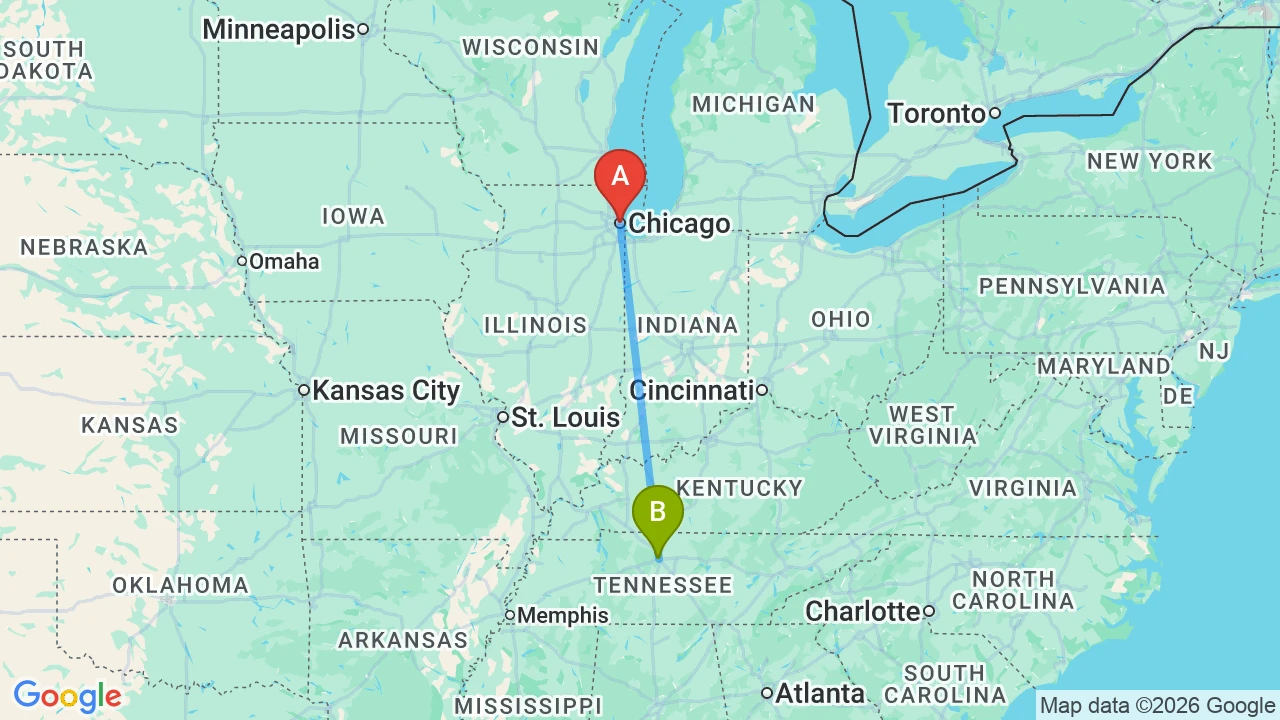
The move from Chicago to Nashville involves roughly 470 miles, typically requiring a full day of driving or a short flight. Moving costs vary based on household size, but the distance is short enough that DIY moves are common for smaller households. Professional movers will price based on volume and timing, with summer months and month-end dates commanding premium rates.
One of the most common surprises for Chicago-to-Nashville movers is the shift in routine access. In Chicago, many households rely on proximity—corner stores, transit stops, and neighborhood services within a short walk. In Nashville, even residents of relatively central neighborhoods often find themselves driving for groceries, errands, and social plans. This changes the rhythm of daily life and increases the importance of vehicle reliability and fuel budgeting.
Another adjustment involves weather preparedness. Chicago residents are accustomed to snow, ice, and winter systems, but Nashville’s occasional ice storms can paralyze the city due to limited infrastructure for winter weather. Conversely, Nashville’s summer heat and humidity require different household strategies—air conditioning becomes non-negotiable, and outdoor activities shift to early morning or evening hours.
For renters, the shift in lease structures can also be jarring. Chicago’s rental market is competitive but relatively transparent, with predictable timelines and tenant protections. Nashville’s market moves faster, with less inventory and more frequent rent increases. Renters should be prepared to act quickly and negotiate lease terms carefully, especially in high-demand neighborhoods.
Frequently Asked Questions
- Does Nashville feel more or less expensive than Chicago?
- Nashville’s overall cost index is lower, but the experience depends on where pressure concentrates for your household. Electricity is cheaper, but natural gas costs more. Housing entry may feel more accessible in some submarkets, but competition and rent volatility can surprise newcomers. Car dependence increases ongoing transportation costs, which can offset savings elsewhere. The shift feels most favorable for households who prioritize lower electricity bills and don’t mind driving, and most challenging for those who value walkability and transit access.
- How do housing markets differ between Chicago and Nashville?
- Chicago’s market is characterized by high entry costs, established rental infrastructure, and a range of neighborhood densities. Nashville’s market has experienced rapid appreciation, tighter inventory, and faster decision timelines. Renters in Chicago often face predictable lease structures, while Nashville renters may see steeper increases at renewal. Buyers in Nashville should expect competition and be prepared to compromise on location or condition to stay within budget.
- What feels different about daily life after moving to Nashville?
- The most noticeable shift is car dependence. Chicago’s transit and walkable neighborhoods allow many households to reduce or eliminate driving, while Nashville’s infrastructure requires a car for most errands, commutes, and social plans. Climate also changes daily rhythms—Nashville’s extended cooling season and high humidity replace Chicago’s long heating season and winter weather systems. Households accustomed to spontaneous walkability may feel the loss of proximity most acutely.
- When does the move from Chicago to Nashville tend to feel easiest?
- Spring and fall offer the mildest weather for moving logistics and the most flexibility in housing markets. Summer moves coincide with peak heat and higher moving costs, while winter moves avoid Chicago’s harshest weather but may encounter Nashville’s occasional ice storms. Timing the move to align with lease cycles and job start dates often matters more than season, but avoiding peak summer heat can reduce stress during the transition.
- What are the most common adjustment pressures after this move?
- Car dependence surprises many movers, especially those accustomed to Chicago’s transit and walkable errands. Utility bills can also be higher than expected during Nashville’s humid summers, particularly in older or poorly insulated homes. Renters may face steeper lease renewals than anticipated, and buyers often encounter faster timelines and more competition than Chicago’s market typically demands. Social networks also take time to rebuild, and the shift from Chicago’s density to Nashville’s sprawl can feel isolating for some households.
- Who does this move tend to work best for?
- The Chicago-to-Nashville move tends to favor households who prioritize lower electricity costs, don’t mind driving, and value access to a tighter labor market. Families seeking yards and lower-density neighborhoods often appreciate Nashville’s suburban options, and remote workers can benefit from the lower overall cost index without commute constraints. The move is more challenging for households who rely on transit, value spontaneous walkability, or have tight budgets that can’t absorb the cost of car ownership and fuel. Singles and couples who thrive on urban density may find Nashville’s core neighborhoods appealing but limiting once they explore beyond a few key areas.
Conclusion: Tradeoffs, Not Totals
The move from Chicago to Nashville is not a simple cost-cutting exercise. It’s a shift in where pressure concentrates, how daily life is structured, and which household priorities take precedence. Nashville offers lower electricity rates, a tighter job market, and milder winters, but it demands car ownership, exposes households to humid summers, and requires faster decision-making in a competitive housing market. Chicago’s transit access, walkable neighborhoods, and established infrastructure support a different set of tradeoffs—higher housing entry costs and colder winters, but less reliance on driving and more spontaneous access to services.
The households who benefit most from this move are those who value lower utility costs, don’t mind driving, and can navigate a fast-moving housing market. Those who struggle most are typically households who rely on transit, value walkability, or operate on tight budgets that can’t absorb the cost of vehicle ownership. Before committing, explore both cities’ neighborhood-level realities, test commute routes, and consider how your daily routines would shift. Use IndexYard’s city hubs for Chicago and Nashville to dive deeper into housing, utilities, and lifestyle fit—because the right move is the one that aligns with how you actually live, not just how the numbers look on paper.
How this article was built: In addition to public economic data, this article incorporates location-based experiential signals derived from anonymized geographic patterns—such as access density, walkability, and land-use mix—to reflect how day-to-day living actually feels in Chicago, IL.