
West Hartford, CT vs. Farmington, CT: Cost of Living Comparison (2025)
Renters and homebuyers often compare West Hartford and Farmington when looking to settle down in the Greater Hartford area. Both towns offer a high quality of life with excellent schools, safe neighborhoods, and plenty of amenities. However, there are some notable differences in cost of living that can sway your decision.
As of 2025, the median home price in West Hartford is about $50,000 higher than in Farmington. For a typical family, that translates to a mortgage payment difference of around $300 per month. Renters will also find more affordable options in Farmington compared to the tighter housing market in West Hartford.
Of course, monthly expenses go beyond just housing costs. This article will take a closer look at how much you can expect to pay for utilities, groceries, taxes and more in each town. By understanding the full cost of living picture, you can make an informed choice on which community best fits your lifestyle and budget in 2025.
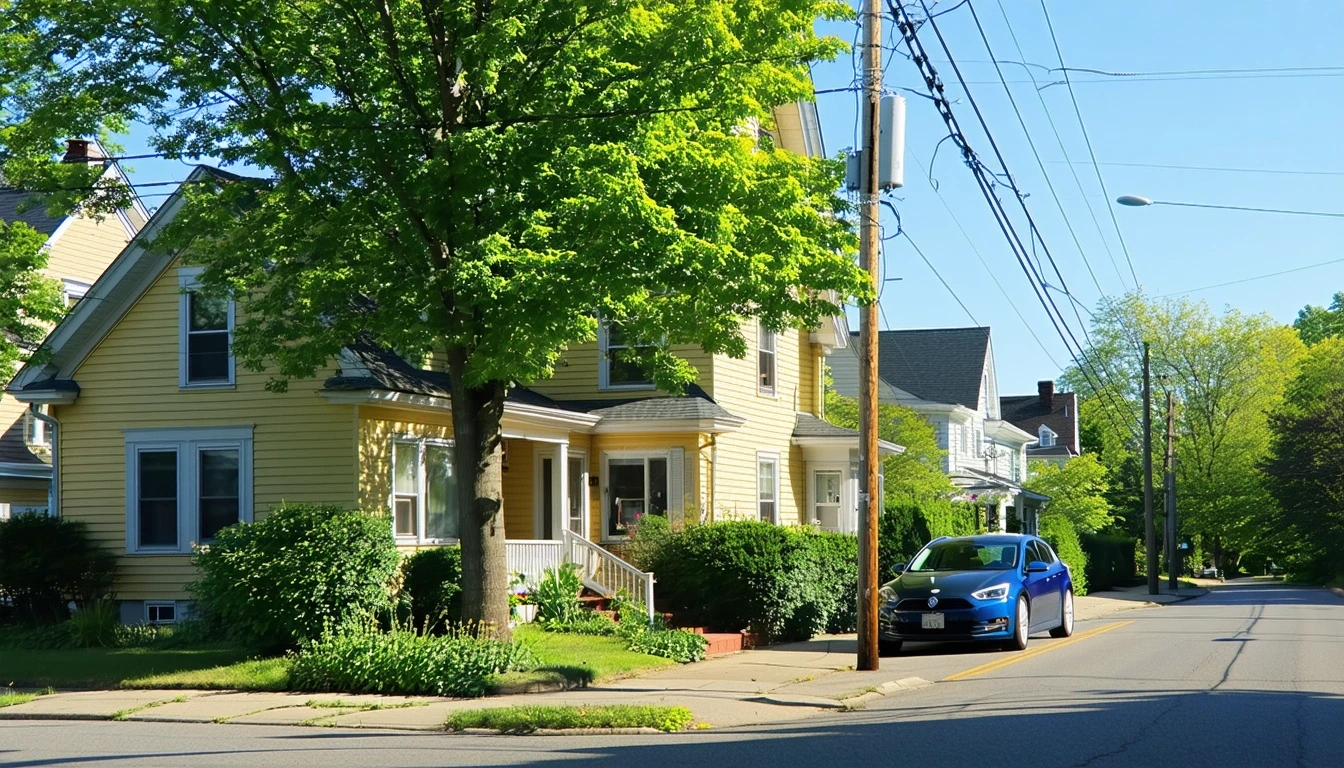
Housing Costs
Housing is the biggest factor in the cost of living difference between West Hartford and Farmington. In 2025, the median home price in West Hartford is around $450,000, while Farmington’s median is closer to $400,000. For a standard 30-year mortgage with 20% down, that $50,000 gap equates to about $300 more per month in payments for a West Hartford homeowner.
Renting is also pricier in West Hartford due to limited inventory and high demand. A typical 2-bedroom apartment goes for around $1,800-$2,200 per month. In Farmington, renters can find similar units in the $1,500-$1,900 range.
| Housing Type | West Hartford | Farmington |
|---|---|---|
| Median Home Price | $450,000 | $400,000 |
| Mortgage Payment (30yr fixed, 20% down) | $2,200 | $1,900 |
| 2BR Apartment Rent | $1,800-$2,200 | $1,500-$1,900 |
For young professionals and couples, renting in Farmington can provide some solid savings to put towards other financial goals. Families looking to buy a home will find their dollar stretches further in Farmington as well, especially for those who want more space.
However, West Hartford’s higher housing costs come with the benefit of a highly walkable town center with shops, restaurants and public transit. Certain neighborhoods like Blue Back Square and West End command premium prices for their convenience and charm. Budget-conscious buyers will find better value in the northern parts of town.
Overall, Farmington gets the edge on housing affordability, translating to hundreds in potential savings per month compared to West Hartford.
Utilities and Energy Costs
Utility costs are fairly comparable between West Hartford and Farmington. Both towns primarily use natural gas for heating and rely on Eversource for electricity supply. According to Eversource data, the average residential electric bill is around $150/month.
Where utility costs can vary is in the age and size of the home. West Hartford has a wider mix of housing, from hundred-year-old Victorians to modern apartments. Older homes tend to be less energy-efficient, so utility costs may run slightly higher. Farmington has a larger share of newer construction built to current efficiency standards.
For a typical household, budget around $250-$400/month for the combo of electricity, gas, water and waste. Families in larger homes may trend towards the higher end of that range. Smaller apartments and condos will likely fall on the lower end, especially those with shared utilities.
Since the utility cost difference is minimal, neither West Hartford nor Farmington has a clear advantage here. It ultimately depends more on the individual property than the town as a whole.
Groceries and Daily Expenses

Grocery costs are comparable between West Hartford and Farmington, with no significant price differences at major supermarkets like Big Y, Shop Rite and Whole Foods. Both towns also have smaller independent grocers and specialty food stores.
Where West Hartford has the edge is in its centrally-located dining and entertainment district. Dozens of restaurants and cafes line Farmington Ave and LaSalle Rd, making it easy to grab a bite out without traveling far.
In contrast, most of Farmington’s dining options are scattered around town in small plazas. Fast casual and chain restaurants are more prevalent than the independent eateries that distinguish West Hartford center.
For daily expenses like dry cleaning, haircuts, and gym memberships, costs are nearly identical. However, West Hartford residents may be able to save on transportation costs thanks to the walkable town layout and CTfastrak bus rapid transit system.
Overall, West Hartford offers more convenience for daily errands and dining out, while Farmington residents can find most of the same amenities for similar costs with a bit more driving.
Taxes and Fees
Connecticut is known for its high property taxes, and West Hartford and Farmington are no exception. The mill rate in West Hartford is 41.80, while Farmington’s is slightly lower at 36.95 (as of 2025).
For a home assessed at $350,000, annual property taxes would be $14,630 in West Hartford and $12,932 in Farmington. Over the course of a 30-year mortgage, the Farmington homeowner would save nearly $51,000 in taxes.
Vehicle taxes are also lower in Farmington, with the town charging 32.00 mills on vehicle assessments compared to West Hartford’s 37.12 mill rate. For a car with an assessed value of $15,000, the Farmington owner would pay $480 annually vs. $557 in West Hartford.
Both towns have quarterly sewer fees and monthly waste collection charges that are fairly similar. Farmington’s sewer rates are slightly lower at $5.40 per ccf vs. $5.86 per ccf in West Hartford (1 ccf equals about 748 gallons).
With lower property and vehicle tax rates, Farmington gets the nod for more affordable taxes and fees. Over time, the savings can really add up, especially for higher-value homes and multiple cars.
Cost of Living in West Hartford vs Farmington (2025)
| Category | West Hartford | Farmington |
|---|---|---|
| Housing (Mortgage or Rent) | $2,200 | $1,900 |
| Utilities | $300 | $280 |
| Groceries & Dining | $600 | $600 |
| Transportation | $120 | $140 |
| Taxes & Fees | $1,250 | $1,100 |
| Misc. Expenses | $400 | $400 |
| Estimated Monthly Total | $4,870 | $4,420 |
Estimates reflect 2025 costs for a mid-size household (2-bedroom apartment or 3-bedroom home) using published national data and regional benchmarks. Actual expenses will vary with household size, lifestyle, and neighborhood.
When looking at the total cost of living, Farmington comes out ahead by about $450 per month for a typical family. The biggest savings are in housing and taxes, which can really compound over time for homeowners.
However, for some residents, the higher costs in West Hartford are justified by the town’s walkable layout, transit access, and vibrant town center. Residents can save on transportation and easily run errands on foot. The moving costs to a convenient neighborhood may be offset by lower daily expenses.
Lifestyle Fit
While cost is a major factor, it’s also important to consider the lifestyle tradeoffs between West Hartford and Farmington. West Hartford is known for its bustling town center and relative urban feel (by Connecticut standards). Residents prize the ability to walk to shops, restaurants, parks and public transit.
Farmington offers a bit more breathing room, with larger residential lots and a higher share of single-family homes vs. apartments and condos. The town has a more traditional suburban layout where most errands require a car. However, traffic is lighter and parking is more plentiful.
Both towns are great for families, with strong school systems and abundant recreation options. West Hartford’s schools are nationally recognized, while Farmington students enjoy more modern facilities. Crime is low in both communities.
For commuters, West Hartford offers better access to Hartford via CTfastrak and multiple state highways. Farmington is a bit more removed, but residents can still reach the city in under 30 minutes by car.
Ultimately, the lifestyle differences may sway some residents more than the raw cost of living numbers. Young professionals and frequent city-goers may prefer West Hartford’s amenities, while families seeking more space may opt for Farmington.
Frequently Asked Questions
Is West Hartford more affordable than Farmington in 2025?
No, as of 2025 data, Farmington has a lower overall cost of living than West Hartford, primarily due to more affordable housing and lower property taxes. For a typical family, Farmington is about $450/month cheaper.
Are rental prices lower in West Hartford or Farmington?
Rental prices are generally lower in Farmington, with a typical 2-bedroom apartment going for $1,500-$1,900/month as of 2025. In West Hartford, similar units cost $1,800-$2,200/month due to higher demand and limited inventory.
How do grocery costs compare between West Hartford and Farmington?
Grocery costs are very similar in both towns, with no significant price differences at major supermarkets. Restaurant prices are also comparable, though West Hartford has a larger selection of local eateries.
Are property taxes higher in Farmington than in West Hartford?
No, as of 2025, property tax rates are actually lower in Farmington. The mill rate is 36.95 in Farmington compared to 41.80 in West Hartford. For a home assessed at $350,000, taxes would be about $1,700 less per year in Farmington.
Is West Hartford considered a better value for homebuyers compared to Farmington?
It depends on your priorities. Farmington offers lower housing costs and more square footage for the money. However, some homebuyers feel West Hartford’s walkability, transit access, and vibrant town center justify the higher prices.
Conclusion
In the West Hartford vs. Farmington cost of living comparison, Farmington comes out ahead in 2025 thanks to lower housing costs and property taxes. For a typical family, the town is around $450/month more affordable.
However, the cheaper price tag comes with some tradeoffs, as West Hartford offers a more urban lifestyle with walkable amenities and public transit access. Some residents may prefer these qualities over the more suburban feel and extra space in Farmington.
Ultimately, both towns offer a high quality of life and are great places to put down roots in the Greater Hartford area. Consider your budget, housing needs, and lifestyle priorities to find the best fit. Explore our sample monthly budgets and detailed cost of living breakdowns to dive deeper into the numbers for each town.