
For households in Bloomfield Township, utility expenses represent a significant and sometimes unpredictable slice of the monthly budget—one that shifts with the seasons, responds to usage patterns, and varies widely depending on home size and efficiency. Understanding how utilities cost in Bloomfield Township helps residents plan for seasonal peaks, identify savings opportunities, and avoid bill shock during Michigan’s coldest and warmest months.
Understanding Utilities in Bloomfield Township
Utility costs in Bloomfield Township matter because they’re typically the second-largest recurring expense after housing. Unlike rent or a mortgage, which stay fixed month to month, utilities fluctuate based on weather, household behavior, and the efficiency of your home’s systems. For families moving to Bloomfield Township, this variability can be a surprise—especially if they’re coming from climates with milder seasonal swings or apartments where utilities were bundled into rent.
In Bloomfield Township, the core utility categories include electricity, natural gas, water, and trash and recycling services. Electricity powers lighting, appliances, air conditioning in summer, and sometimes heating in winter. Natural gas typically handles furnace heating, water heaters, and occasionally cooking ranges. Water is billed based on usage, often with tiered pricing that penalizes heavy consumption. Trash and recycling may be billed separately, bundled with water service, or included in homeowners association fees, depending on your neighborhood and provider.
For renters, especially those in apartments or condos, some utilities may be included in monthly rent or HOA dues, which simplifies budgeting but removes direct control over usage and savings. Single-family homeowners, by contrast, face full exposure to seasonal cost swings and have more levers to pull—insulation upgrades, thermostat adjustments, and appliance efficiency—but also more responsibility to manage and predict their bills throughout the year.
Utilities at a Glance in Bloomfield Township
The table below shows how core utility costs typically behave for a mid-size household in a single-family home in Bloomfield Township. Where city-level prices are available in the data feed, they are shown directly. When exact figures are not provided, categories are described qualitatively to reflect how costs are structured and what drives variability.
| Utility | Cost Structure |
|---|---|
| Electricity | ~$205/month for 1,000 kWh (illustrative, before fees) |
| Water | Tiered pricing; usage-dependent |
| Natural Gas | $11.89/MCF; winter-driven, heating-dependent |
| Trash & Recycling | Often bundled with water or HOA |
| Total | Seasonal variability driven by electricity and heating |
This table reflects utility cost structure for a mid-size household in a single-family home in Bloomfield Township during 2026. Where exact figures are not provided in the IndexYard data feed, categories are described directionally to reflect how costs behave rather than a receipt-accurate total.
Electricity is billed at 20.46¢ per kilowatt-hour in Bloomfield Township, which means your monthly cost depends entirely on how much power you use. Homes with central air conditioning, electric water heaters, or older appliances will see higher bills during peak summer and winter months. The illustrative estimate above assumes moderate usage in a typical single-family home, but actual bills can swing significantly based on square footage, insulation quality, and thermostat settings.
Water costs in Bloomfield Township are typically structured with tiered pricing, meaning the more you use, the higher the per-unit rate climbs. Households with irrigation systems, large lawns, or pools face steeper bills during warm months. Because exact pricing isn’t provided in the feed, it’s important to check with your local provider for current rates and tier thresholds, especially if you’re moving from a region where water was a minor line item.
Natural gas is priced at $11.89 per thousand cubic feet (MCF) and is the dominant heating fuel for most Bloomfield Township homes. During Michigan’s extended heating season—roughly October through April—natural gas consumption can double or triple compared to summer months. Homes with high-efficiency furnaces and good insulation will use less gas per degree of warmth, but older systems or drafty construction can drive costs up quickly when temperatures drop.
Trash and recycling services in Bloomfield Township are often bundled with water bills or included in HOA fees, depending on your neighborhood and housing type. Some providers bill separately, with costs varying based on service frequency and bin size. Because this category is rarely itemized in public datasets, it’s best to confirm the arrangement with your landlord, HOA, or municipal office before assuming it’s covered elsewhere.
How Weather Impacts Utilities in Bloomfield Township
Bloomfield Township experiences cold winters with extended heating seasons and moderate summers that require air conditioning, which means utility bills follow a predictable seasonal rhythm. During the coldest months—December through February—natural gas consumption spikes as furnaces run continuously to maintain indoor comfort. Electric bills also rise in winter if you’re using space heaters, heated blankets, or electric baseboards to supplement your primary heating system.
Summer brings a different kind of pressure. While Bloomfield Township doesn’t face the triple-digit heat common in southern states, sustained warm and humid stretches drive air conditioning usage higher, especially in homes without shade trees or with south- and west-facing windows. Many households see their electric bills climb noticeably from June through August compared to the mild, low-usage months of spring and fall.
One regional quirk worth noting: Michigan’s shoulder seasons—late spring and early fall—offer brief windows of low utility usage when heating and cooling are both minimal. Households that take advantage of these months to complete efficiency upgrades, seal air leaks, or adjust thermostat schedules can reduce their exposure during the more expensive peaks. The difference between a well-insulated home and a drafty one becomes starkly visible when the first cold snap arrives and housing pressure combines with rising heating bills.
How to Save on Utilities in Bloomfield Township
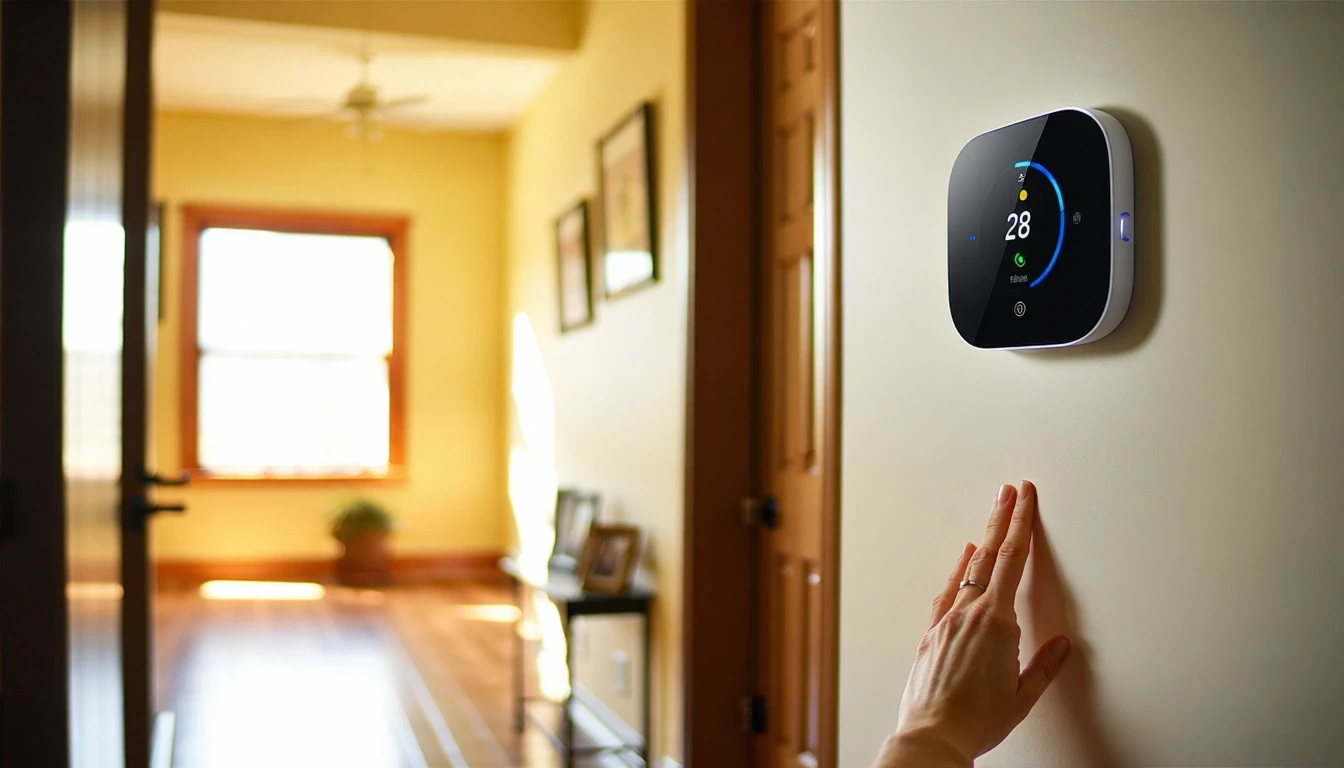
Reducing utility costs in Bloomfield Township starts with understanding which categories dominate your bill and where you have the most control. Electricity and natural gas are the two largest levers, and both respond well to a combination of behavioral changes and one-time efficiency investments. Simple adjustments—like setting your thermostat a few degrees lower in winter or higher in summer—can reduce usage without sacrificing comfort, especially when paired with programmable or smart thermostats that automate temperature changes when you’re asleep or away.
Longer-term strategies include upgrading insulation in attics and crawl spaces, sealing gaps around windows and doors, and replacing older HVAC systems with high-efficiency models. Many utility providers in Michigan offer rebates or incentive programs for energy-efficient appliances, LED lighting retrofits, and smart thermostats, which can offset upfront costs and deliver ongoing savings. Solar panel installations are also becoming more common in Bloomfield Township, supported by federal tax credits and state-level incentives that reduce the payback period.
Here are practical steps to lower your utility exposure in Bloomfield Township:
- Enroll in budget billing or equalized payment plans to smooth out seasonal spikes and make monthly costs more predictable.
- Install a programmable or smart thermostat to automate heating and cooling schedules based on occupancy and time of day.
- Seal air leaks around windows, doors, and ductwork to prevent conditioned air from escaping and reduce furnace and AC runtime.
- Upgrade to high-efficiency appliances, especially water heaters, furnaces, and air conditioners, which use less energy to deliver the same output.
- Plant shade trees on the south and west sides of your home to block summer sun and reduce cooling demand naturally.
- Check with your provider about time-of-use rates or off-peak billing programs that reward shifting electricity usage to lower-demand hours.
- Consider a home energy audit to identify the biggest sources of waste and prioritize improvements with the highest return.
🏆 Tip: Check if your provider in Bloomfield Township offers rebates for energy-efficient AC units or heating systems. Many Michigan utilities provide cash incentives or discounted installation for qualifying upgrades, which can reduce both upfront costs and long-term energy consumption.
FAQs About Utility Costs in Bloomfield Township
Why are utility bills so high in Bloomfield Township during winter? Winter heating costs dominate utility bills in Bloomfield Township because Michigan’s extended cold season requires continuous furnace operation, often for six months or more. Homes with older insulation, drafty windows, or inefficient heating systems face the steepest increases, while well-sealed homes with high-efficiency furnaces can keep costs more manageable.
Do HOAs in Bloomfield Township usually include trash or water in their fees? It depends on the neighborhood and housing type. Many condominium and townhome HOAs in Bloomfield Township bundle trash, recycling, and sometimes water into monthly dues, while single-family home associations typically leave those utilities to individual homeowners. Always confirm what’s included before budgeting.
How does seasonal weather affect monthly utility bills in Bloomfield Township? Seasonal weather drives the largest swings in utility costs. Winter heating can double or triple natural gas usage, while summer cooling increases electricity consumption, especially during humid stretches. Spring and fall offer brief low-usage windows when neither heating nor cooling is needed, providing natural opportunities to reduce overall annual spending.
Do utility providers in Bloomfield Township offer budget billing or equalized payment plans? Yes, most electricity and natural gas providers in Michigan offer budget billing programs that average your annual usage into equal monthly payments, which helps smooth out seasonal peaks and makes budgeting more predictable. Enrollment is typically free and can be adjusted annually based on actual consumption.
Are utilities in Bloomfield Township generally cheaper or more expensive than the state average? Bloomfield Township’s electricity rate of 20.46¢ per kWh is in line with Michigan averages, while natural gas pricing at $11.89 per MCF reflects typical regional rates. Because the township sits in a relatively affluent area with well-maintained infrastructure, service reliability tends to be high, though costs are not dramatically lower than neighboring communities.
How Utilities Fit Into the Cost Structure in Bloomfield Township
Utilities represent a significant but manageable piece of the overall cost structure in Bloomfield Township, especially for households earning near or above the township’s median income of just over $200,000 per year. For these families, seasonal swings in electricity and heating bills are noticeable but rarely budget-breaking. The real value of understanding utility costs lies in controlling volatility, optimizing efficiency, and freeing up budget capacity for other priorities—whether that’s saving, investing, or absorbing unexpected expenses elsewhere.
For middle-income households or those new to the area, utility seasonality can feel more pronounced, particularly during the first winter when heating bills arrive in full force. The corridor-clustered layout of grocery and retail options in Bloomfield Township, combined with walkable pockets in certain neighborhoods, means some households can reduce transportation costs by consolidating errands or walking to nearby services. This geographic efficiency can offset utility exposure, especially when paired with deliberate energy-saving strategies and careful home selection.
To see how utilities interact with housing, transportation, and other recurring expenses, explore what a budget has to handle in Bloomfield Township. For a broader view of how utility volatility fits into the township’s overall cost pressures, visit the Bloomfield Township cost reality guide. Both resources provide context for balancing fixed and variable expenses, understanding seasonal exposure, and making informed decisions about where to live and how to manage your household budget throughout the year.
How this article was built: In addition to public economic data, this article incorporates location-based experiential signals derived from anonymized geographic patterns—such as access density, walkability, and land-use mix—to reflect how day-to-day living actually feels in Bloomfield Township, MI.