
74 out of 100 residents say they’re happy in Bloomfield Township—but that number tells only part of the story. The real question isn’t whether people are satisfied here; it’s whether you would be. Bloomfield Township’s emotional landscape is shaped by tradeoffs that feel rewarding to some and limiting to others: spacious homes and integrated green space versus car dependency and corridor-clustered errands, prestige and quiet versus urban texture and spontaneity. Understanding who tends to feel “this fits me” and who feels friction starts with translating the patterns that define daily life here.
What It Feels Like to Live Here
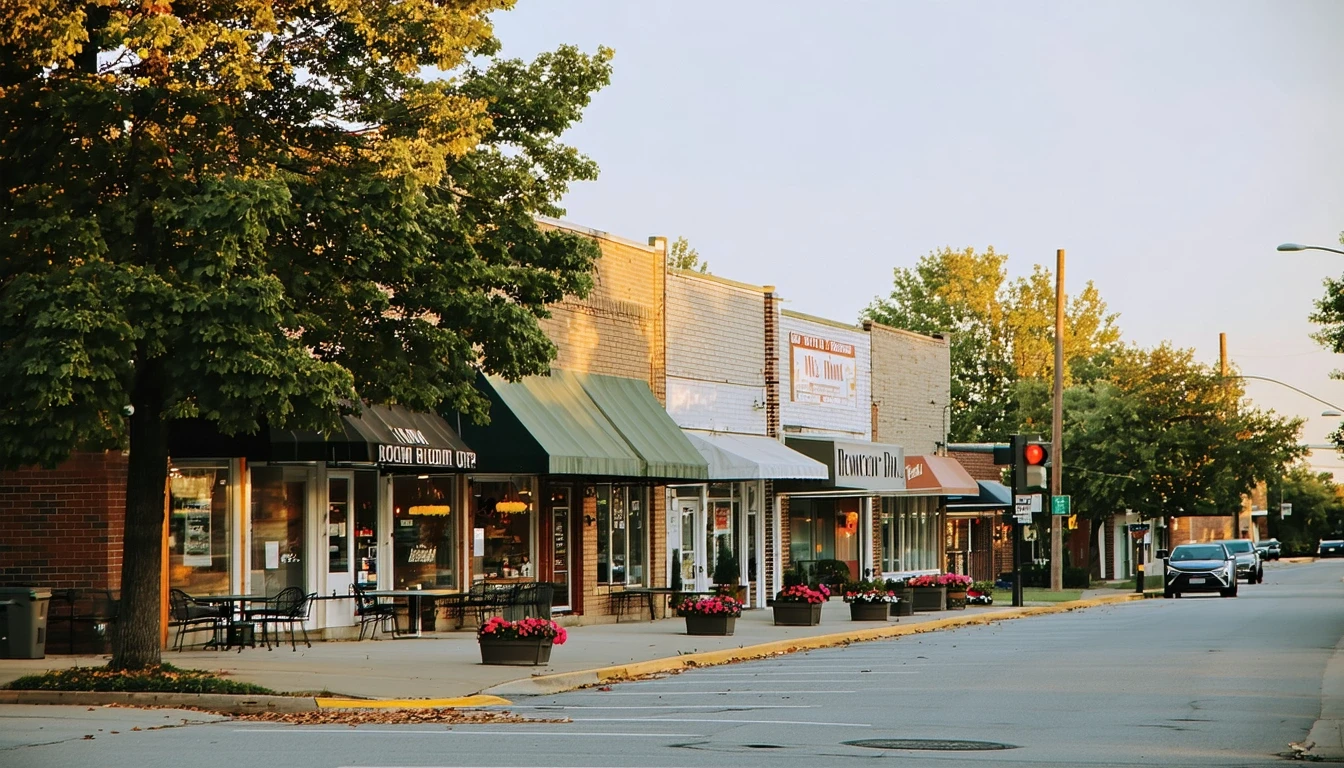
Bloomfield Township occupies a distinct position in the Detroit metro: affluent, green, and decidedly suburban, yet close enough to urban centers to benefit from proximity without absorbing their intensity. The township’s character is defined by tree-lined streets, substantial properties, and a rhythm that prioritizes privacy and predictability over density and spontaneity.
What tends to feel rewarding here is the combination of natural beauty and financial security. Parks and water features are woven throughout the township, and the pedestrian-to-road ratio in certain pockets supports pleasant walking—not as a primary mode of transportation, but as a lifestyle amenity. For families with school-age children, the presence of playgrounds and moderate school density offers foundational infrastructure, though it doesn’t reach the comprehensive coverage found in some neighboring communities.
What tends to feel limiting is the reliance on driving for most daily tasks. Food and grocery options cluster along commercial corridors rather than dispersing throughout residential areas, meaning errands require planning and a car. Bus service exists, but it functions as a supplemental option rather than a viable primary system. For those accustomed to urban walkability or robust transit, this creates friction. The township’s mixed building height and land-use mix signal some variety, but the overall texture leans heavily suburban.
Who feels at home here? Established families seeking space, top-tier schools, and a sense of arrival. High-income professionals who value prestige, quiet, and proximity to Detroit’s economic opportunities without its density. Retirees with financial stability who want green surroundings and low crime without sacrificing access to healthcare and amenities.
Who feels restless? Young professionals craving nightlife, walkable coffee shops, and the serendipity of urban encounters. Budget-conscious households facing the reality that the median home value of $933,000 and a median household income of $200,054 per year create a high barrier to entry. Individuals who prefer transit or biking as primary transportation and find the car-centric layout exhausting.
Social Media Buzz in Bloomfield Township
Public discussion in Bloomfield Township tends to revolve around pride in the township’s reputation, protectiveness over its character, and occasional frustration with the cost and exclusivity that define it. Conversations on platforms like Facebook and local forums often reflect a tension between preserving what makes the township desirable and adapting to changing expectations around accessibility and diversity.
Recurring themes include admiration for the township’s natural beauty and well-maintained public spaces, annoyance at traffic along commercial corridors during peak hours, and debates about whether new development enhances or dilutes the township’s identity. The tone is generally civil but occasionally defensive, particularly when comparisons are made to grittier or more diverse nearby communities.
“It’s beautiful here, no question. But you pay for it in every sense—financially, logistically, and sometimes socially. It’s not a place that invites spontaneity.”
“I love the parks and the quiet, but I do miss being able to walk to a coffee shop or grab groceries without getting in the car every single time.”
“People complain about the cost, but that’s what keeps it nice. If you want affordable, there are plenty of other options in the metro.”
The emotional tone is one of measured satisfaction tempered by awareness of tradeoffs. There’s pride, but also a recognition that the township’s appeal is selective.
Local News Tone
Local coverage of Bloomfield Township tends to frame the community through the lens of stability, affluence, and incremental change. Stories often focus on public amenities, school achievements, real estate trends, and community debates about development and land use. The tone is rarely urgent or confrontational; instead, it reflects the township’s preference for order and continuity.
Typical topic buckets include:
- “Community Debates What Growth Should Look Like”
- “New Amenities Arrive as Township Identity Evolves”
- “Residents Weigh Convenience vs Quiet”
- “Parks and Green Space Remain Central to Township Appeal”
- “Schools and Family Infrastructure Draw New Buyers”
The framing is protective rather than critical, emphasizing what the township does well while acknowledging that its model doesn’t suit everyone. There’s little coverage of affordability challenges or transit limitations, not because they don’t exist, but because they fall outside the township’s core narrative.
Review-Based Public Perception
On platforms like Google, Yelp, and Nextdoor-style forums, Bloomfield Township earns praise for its aesthetic appeal, safety, and family-friendly infrastructure. Complaints tend to focus on cost, car dependency, and a perceived lack of spontaneity or cultural texture.
What delights people who wanted suburban comfort: the abundance of green space, the quality of schools, the low crime rate, and the sense of living in a well-managed, prestigious community. Residents who prioritize privacy, space, and financial security tend to describe the township as exactly what they were looking for.
What disappoints people who wanted texture, walkability, or variety: the need to drive for nearly every errand, the limited dining and entertainment options within walking distance, and the sense that the township feels more like a collection of estates than a cohesive neighborhood. Newcomers from urban environments sometimes describe feeling isolated or bored, particularly if they don’t have children or aren’t drawn to outdoor recreation.
Neighborhood variation is subtle but present. Older pockets near the township’s core offer slightly more walkability and established tree canopy, while newer planned areas emphasize larger lots and modern construction. Both share the same fundamental character: quiet, green, and car-dependent.
Comparison to Nearby Cities
| Dimension | Bloomfield Township | Birmingham, MI | Royal Oak, MI |
|---|---|---|---|
| Overall Vibe | Affluent, green, suburban quiet | Upscale, walkable, boutique charm | Urban energy, diverse, nightlife-friendly |
| Walkability | Pockets of pleasant paths, car-dependent overall | Highly walkable downtown core | Walkable corridors, mixed residential areas |
| Family Appeal | Strong schools, parks, space | Family-friendly with urban amenities | Younger families, more compact living |
| Dining & Nightlife | Limited, requires driving | Upscale dining, boutique retail | Vibrant bars, restaurants, live music |
| Cost Pressure | Very high, exclusive | High, but more compact options available | Moderate to high, more accessible |
Bloomfield Township, Birmingham, and Royal Oak represent three distinct approaches to suburban life in the Detroit metro. If you prioritize space, prestige, and natural surroundings and are comfortable with car dependency, Bloomfield Township delivers. If you want walkability, boutique charm, and upscale amenities in a more compact setting, Birmingham offers a middle ground. If you crave urban energy, nightlife, and cultural diversity without committing to downtown Detroit, Royal Oak provides a younger, more dynamic alternative.
None of these cities is objectively better; they serve different needs. Bloomfield Township’s emotional profile rewards those who value quiet, exclusivity, and green space more than spontaneity, density, or transit access. Understanding housing tradeoffs and where money goes helps clarify whether the township’s model aligns with your priorities.
What Locals Are Saying
“We moved here for the schools and the space, and we got exactly that. But I do miss being able to walk to dinner or grab a coffee without planning a whole outing.”
“It’s a beautiful place to raise kids. The parks are incredible, the neighborhoods are safe, and the schools are top-notch. You just have to accept that you’ll be driving everywhere.”
“I love the quiet and the trees, but it can feel isolating if you’re not plugged into a social network. It’s not the kind of place where you run into people casually.”
“The cost is real. We’re comfortable, but even with a solid income, the property taxes and upkeep add up. It’s not a place you move to on a whim.”
“I came from Royal Oak and honestly miss the energy. Bloomfield is beautiful, but it feels a little too quiet for my taste. I find myself driving back to the city for fun.”
“For retirees with financial security, it’s ideal. Low crime, great healthcare access, and plenty of outdoor space. Just don’t expect much nightlife or walkable entertainment.”
“It’s a township that rewards people who’ve already ‘made it.’ If you’re still climbing or on a budget, it’s going to feel out of reach—and maybe a little unwelcoming.”
Does Bloomfield Township Feel Like a Good Fit?
Bloomfield Township’s emotional profile is not a question of happiness in the abstract; it’s a question of alignment. The township tends to work for households that value space, prestige, natural beauty, and financial security more than walkability, spontaneity, or urban texture. It rewards those who are comfortable with car dependency and can absorb the high cost of entry without strain.
It tends to frustrate individuals seeking vibrant street life, transit viability, or affordable access to the Detroit metro. The township’s structure—corridor-clustered errands, pockets of walkability, integrated green space—creates a pleasant but car-reliant rhythm that feels liberating to some and limiting to others.
If you’re drawn to quiet, green surroundings and have the income to support the township’s cost structure, Bloomfield Township offers a stable, prestigious, family-friendly environment. If you crave density, diversity, or the ability to live without a car, the township’s tradeoffs will likely feel too steep. Understanding lifestyle requirements and how they map onto the township’s infrastructure helps clarify whether this is the right fit—or whether a nearby alternative better serves your needs.
How this article was built: In addition to public economic data, this article incorporates location-based experiential signals derived from anonymized geographic patterns—such as access density, walkability, and land-use mix—to reflect how day-to-day living actually feels in Bloomfield Township, MI.
The perspectives shown reflect commonly expressed local sentiment and recurring themes in public discussion, rather than individual accounts.