
When summer arrives in Canal Winchester, many households open their electric bills to find charges that have doubled—or more—compared to spring. That spike, driven by air conditioning running through Ohio’s hot, humid months, is the single biggest utility surprise for new residents. Understanding how utilities behave in Canal Winchester means recognizing that costs are shaped more by seasonal exposure and home characteristics than by the rates themselves.
Understanding Utilities in Canal Winchester
Utility expenses in Canal Winchester typically rank as the second-largest monthly cost after housing, and they behave differently than rent or a mortgage. While housing costs stay predictable month to month, utilities swing with the seasons, usage habits, and the efficiency of your home. For a household in a single-family home, that means planning for peaks in summer and winter, and taking advantage of milder months to build a cushion.
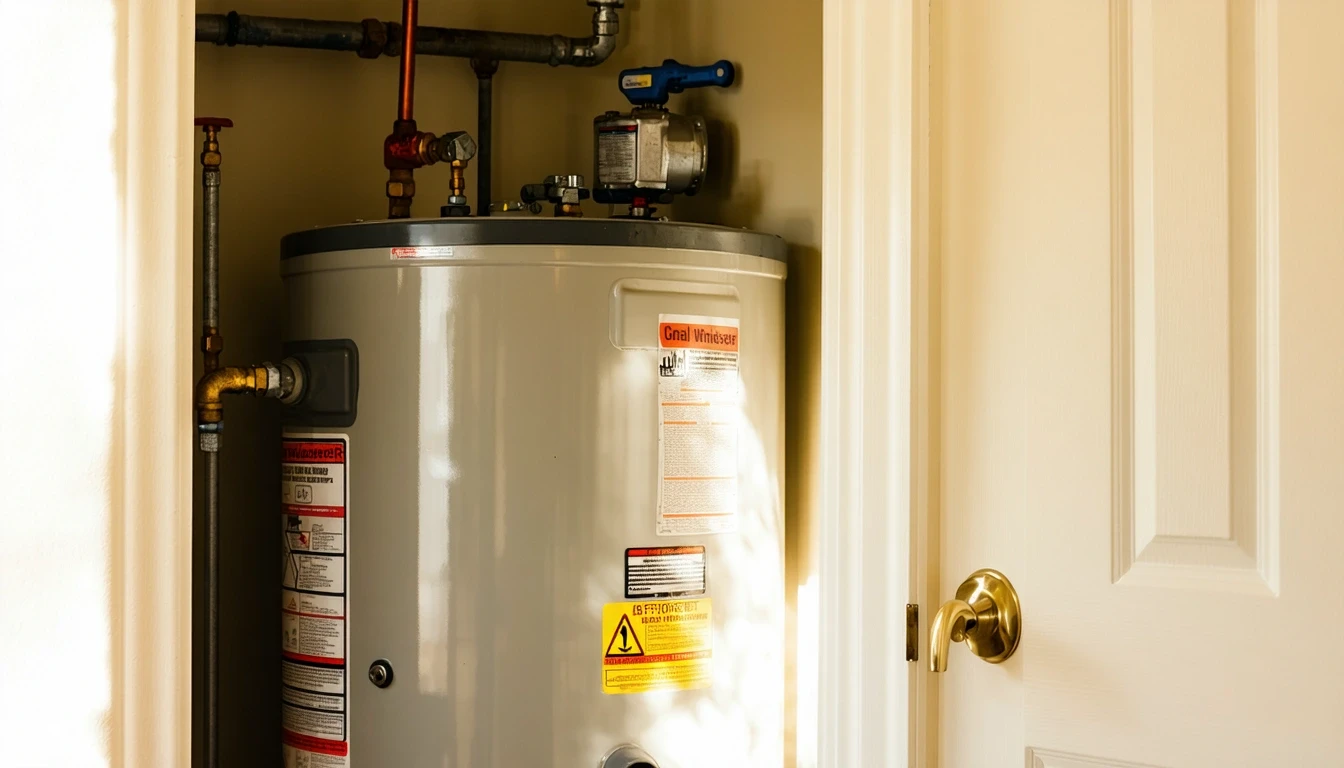
Core utilities in Canal Winchester include electricity, water, natural gas, trash, and recycling. Electricity powers lighting, appliances, and—most significantly—air conditioning in summer. Natural gas heats most homes during Ohio’s cold winters. Water is billed based on consumption, often in tiers that penalize heavy use. Trash and recycling are sometimes bundled with water service or covered by homeowners association fees, depending on the neighborhood.
For renters, especially those in apartments, utility exposure is lower. Smaller square footage and shared walls reduce heating and cooling loads. Many apartment complexes also bundle water, trash, and sometimes gas into rent, leaving tenants responsible only for electricity. For homeowners, though, every utility is a separate line item, and the structure of the home—insulation, windows, HVAC age—directly determines how much energy it takes to stay comfortable year-round.
Utilities at a Glance in Canal Winchester
The table below shows how core utility costs typically behave for a mid-size household in a single-family home in Canal Winchester. Where city-level prices are available in the data feed, they are shown directly. When exact figures are not provided, categories are described qualitatively to reflect how costs are structured and what drives variability.
| Utility | Cost Structure |
|---|---|
| Electricity | 17.85¢/kWh; usage-sensitive, peaks in summer |
| Water | Tiered pricing; usage-dependent |
| Natural Gas | $23.03/MCF; winter-driven, heating-dependent |
| Trash & Recycling | Typically bundled with water or HOA |
| Total | Seasonal variability driven by electricity and heating |
This table reflects utility cost structure for a mid-size household in a single-family home in Canal Winchester during 2026. Where exact figures are not provided in the IndexYard data feed, categories are described directionally to reflect how costs behave rather than a receipt-accurate total.
Electricity is the most exposure-sensitive utility in Canal Winchester. The rate—17.85¢ per kilowatt-hour—is moderate, but summer air conditioning can push a typical household well above 1,000 kWh per month, especially in older homes or those with less efficient HVAC systems. Humidity amplifies the cooling load, and homes with poor insulation or west-facing windows see the steepest increases. For illustrative context, a household using 1,000 kWh in a month would face roughly $178.50 in electricity charges before fees or taxes, but that figure can climb significantly during peak summer weeks.
Water costs in Canal Winchester are billed on a tiered structure, meaning the more you use, the higher the per-unit rate climbs. Outdoor watering, pools, and large households drive consumption into higher tiers. Many neighborhoods bundle water with trash collection, so the bill arrives as a combined charge. Without a specific local rate in the data feed, it’s best understood as usage-dependent: a household that limits irrigation and fixes leaks will stay in lower tiers, while heavy summer watering can double costs.
Natural gas heats the majority of homes in Canal Winchester, and winter is when it dominates the budget. Priced at $23.03 per thousand cubic feet (MCF), gas costs are driven by thermostat settings, insulation quality, and how cold the season runs. For illustrative context, a household using 1 MCF per month during heating season would face roughly $23 in gas charges before fees, but older furnaces or poorly sealed homes can push usage—and costs—much higher. Spring and fall see minimal gas use, offering a reprieve.
Trash and recycling are typically bundled with water service or included in HOA fees, depending on the neighborhood. Standalone trash service exists but is less common for single-family homes in established subdivisions. The cost is relatively stable month to month, making it one of the few predictable line items in the utility budget.
Electricity is typically the most exposure-sensitive utility in Canal Winchester, driven more by climate and home efficiency than by base rates.
How Weather Impacts Utilities in Canal Winchester
Ohio’s climate is the primary driver of utility volatility in Canal Winchester. Summers are hot and humid, with temperatures regularly climbing into the upper 80s and 90s. Air conditioning isn’t optional—it’s the difference between comfort and misery. Humidity makes the heat feel more oppressive, forcing HVAC systems to work harder and run longer. Many households see their electric bills double or even triple compared to spring, especially in July and August when cooling demand peaks.
Winters bring the opposite pressure. Temperatures drop into the 20s and teens, and heating becomes the dominant cost. Natural gas furnaces run steadily from November through March, and households in older homes or those with poor insulation face the steepest increases. Snowfall and ice add to the seasonal burden, as frozen pipes and drafty windows amplify heating loss. The coldest stretches—like the current 27°F reading, which feels like 23°F—push furnaces into overdrive and send gas usage climbing.
Spring and fall offer relief. Mild temperatures mean minimal heating or cooling, and utility bills drop to their lowest levels of the year. These shoulder seasons are when households can catch up financially, build a buffer for the next peak, or invest in efficiency upgrades that will pay off when summer or winter returns. The seasonal swing is predictable, but its magnitude depends on how well your home is prepared to handle Ohio’s extremes.
How to Save on Utilities in Canal Winchester
Reducing utility costs in Canal Winchester starts with understanding what drives them: cooling in summer, heating in winter, and the efficiency of your home year-round. The biggest savings come from reducing the intensity of those peaks, not from cutting back on essentials. Programmable or smart thermostats let you set temperatures based on when you’re home, avoiding waste without sacrificing comfort. Sealing air leaks around windows and doors, adding insulation to attics, and upgrading to energy-efficient windows all reduce the load on your HVAC system, which translates directly to lower bills.
Many utility providers in Ohio offer programs that help manage costs. Time-of-use billing shifts usage to off-peak hours when rates are lower, which works well for households that can run dishwashers, laundry, and other heavy loads at night. Budget billing spreads costs evenly across the year, smoothing out the summer and winter spikes. Some providers also offer rebates for upgrading to high-efficiency furnaces, air conditioners, or water heaters, which reduce long-term exposure even if the upfront cost is higher.
Behavioral changes matter, too. Raising the thermostat a few degrees in summer and lowering it in winter reduces runtime without making the home uncomfortable. Ceiling fans help circulate air, making rooms feel cooler without additional AC. Shade trees planted on the south and west sides of a home block afternoon sun, cutting cooling costs naturally. For water, fixing leaks, installing low-flow fixtures, and limiting outdoor irrigation keep usage in lower tiers and reduce both water and sewer charges.
- Enroll in off-peak or time-of-use billing programs to shift usage to cheaper hours
- Upgrade to a programmable or smart thermostat to avoid heating or cooling an empty home
- Seal air leaks and add insulation to reduce HVAC runtime
- Plant shade trees on the west and south sides to block summer sun
- Check for utility rebates on high-efficiency furnaces, AC units, and water heaters
- Switch to LED bulbs and unplug devices that draw phantom power
- Fix leaks and install low-flow fixtures to stay in lower water tiers
🏆 Tip: Check if your provider in Canal Winchester offers rebates for energy-efficient AC units or heating systems—these programs can offset a significant portion of the upgrade cost and reduce your exposure to seasonal peaks.
FAQs About Utility Costs in Canal Winchester
Why are utility bills so high in Canal Winchester during summer? Summer bills spike because air conditioning dominates electricity use, and Ohio’s heat and humidity force HVAC systems to run longer and harder. Homes with older AC units, poor insulation, or west-facing windows see the steepest increases, often doubling spring costs.
How much should a family budget for utilities in Canal Winchester each month? Budgeting depends on home size, efficiency, and season, but most families should plan for higher costs in summer and winter, with relief in spring and fall. Tracking a full year of bills helps identify your household’s peak and average, making it easier to set aside funds during low-cost months.
Does Canal Winchester offer incentives for solar panels or energy-efficient appliances? Ohio has state-level incentives and federal tax credits for solar installations, and many utility providers offer rebates for high-efficiency HVAC systems, water heaters, and appliances. It’s worth checking with your provider and exploring programs through the Ohio Development Services Agency.
Are trash and recycling billed separately in Canal Winchester or included with water service? In many Canal Winchester neighborhoods, trash and recycling are bundled with water service, arriving as a single bill. Some areas, especially those with HOAs, include trash in association fees. Standalone service is available but less common for single-family homes.
How does seasonal weather affect monthly utility bills in Canal Winchester? Seasonal weather is the primary driver of utility volatility. Summer heat pushes electric bills up as air conditioning runs constantly, while winter cold increases natural gas use for heating. Spring and fall bring the lowest bills, as mild temperatures reduce the need for both heating and cooling.
How Utilities Fit Into the Cost Structure in Canal Winchester
Utilities in Canal Winchester are a cost driver, not a fixed expense. Unlike rent or a mortgage, which stay constant, utility bills swing with the seasons, your home’s efficiency, and how you manage usage. Electricity and natural gas dominate the budget, and their volatility—especially during summer cooling and winter heating—makes them a planning challenge rather than a passive line item. Water and trash are secondary costs, more stable but still sensitive to household size and habits.
For households trying to understand where money goes each month, utilities sit between housing and transportation in terms of impact. They’re not the largest expense, but they’re the most variable, and that variability creates pressure during peak months. The key to managing utilities isn’t cutting back on comfort—it’s reducing exposure through efficiency, timing, and planning. Homes that are well-insulated, equipped with modern HVAC systems, and managed with smart thermostats face lower peaks and more predictable bills.
Canal Winchester’s low-rise, single-family character amplifies utility exposure. Most households heat and cool full detached homes rather than apartments with shared walls, which increases surface area and energy loss. The car-oriented layout also correlates with larger lot sizes and home footprints, meaning more space to heat, cool, and maintain. For families weighing day-to-day costs, utilities are a reminder that home size and structure directly shape ongoing expenses, not just upfront housing costs.
Understanding how utilities behave in Canal Winchester—and what drives their peaks—gives households the tools to plan, reduce exposure, and avoid surprises. Whether you’re a new mover budgeting for your first full year or a longtime resident looking to cut costs, the levers are the same: efficiency, timing, and knowing when to invest in upgrades that pay off over time. Explore IndexYard’s other Canal Winchester resources to see how utilities fit into the broader financial picture, and use that context to make decisions that work for your household.
How this article was built: In addition to public economic data, this article incorporates location-based experiential signals derived from anonymized geographic patterns—such as access density, walkability, and land-use mix—to reflect how day-to-day living actually feels in Canal Winchester, OH.