
Imagine this: You’re standing in your kitchen on a Tuesday morning in Canal Winchester, coffee in hand, mentally running through the week’s expenses. The mortgage is manageable, the kids’ activities are covered, and you’re not checking your account balance before grabbing lunch out. That’s what “comfortable” actually feels like here—not lavish, not tight, just breathing room. But for someone else earning nearly the same amount, every month feels like a negotiation with their budget. The difference? It’s rarely the number on the paycheck. It’s how many people that paycheck covers, what kind of housing they chose, and whether they saw the hidden pressure points coming.
Canal Winchester sits in the Columbus metro orbit, close enough to feel connected but far enough to retain its own rhythm. It’s a place where families put down roots, where playgrounds outnumber nightlife, and where the commute is part of the deal. The median household income here is $111,119 per year, and housing costs reflect a community that’s neither budget-tier nor luxury-priced: the median home value is $271,900, and renters pay a median of $1,525 per month. Those numbers tell you what people earn and what shelter costs, but they don’t tell you who feels comfortable and who’s constantly recalibrating.
This article doesn’t hand you a magic income threshold. Instead, it walks through how income pressure actually works in Canal Winchester—where it shows up first, why households at similar earnings feel wildly different financial strain, and how to judge whether your situation and expectations align with what this place demands. If you’re trying to figure out whether Canal Winchester fits your financial reality, the answer isn’t a number. It’s a series of honest questions about tradeoffs, timing, and what “comfortable” actually means to you.
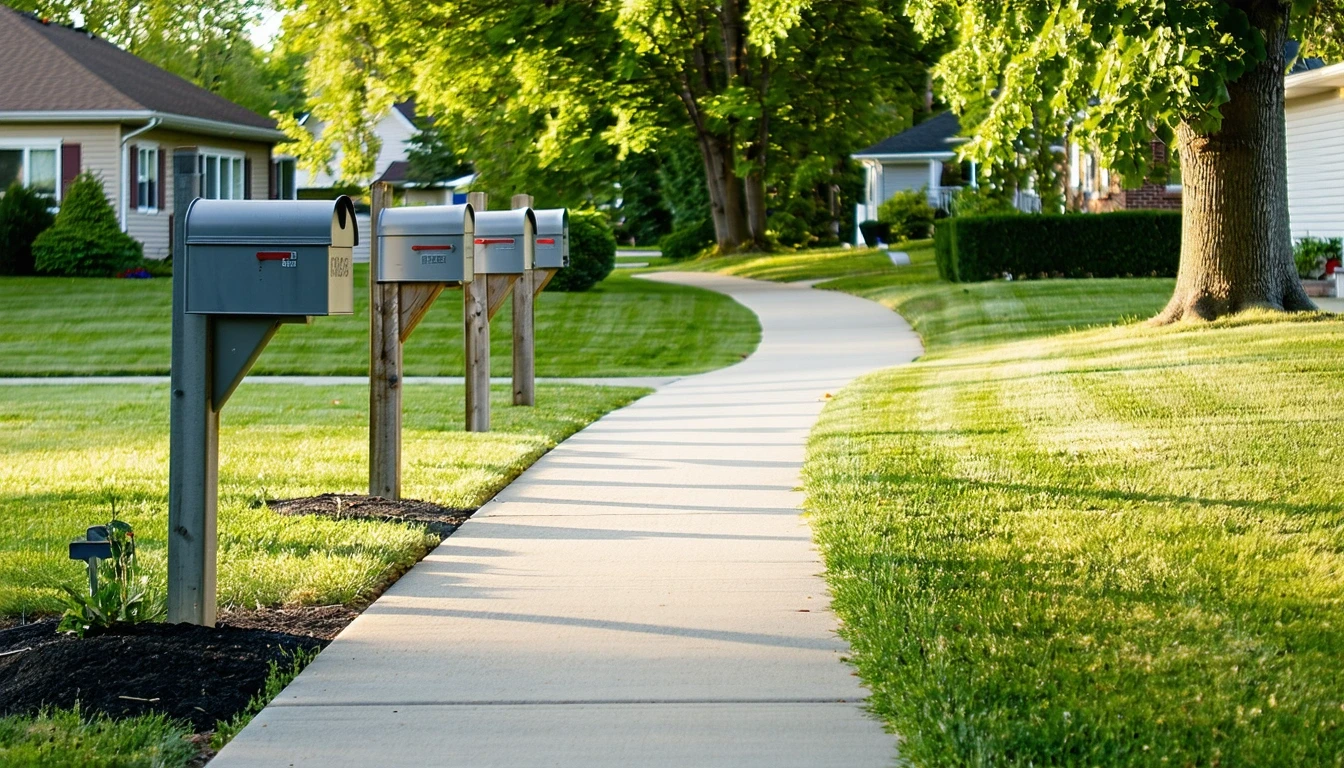
What “Living Comfortably” Means in Canal Winchester
Comfortable doesn’t mean the same thing to everyone, and in Canal Winchester, it’s shaped by what the place itself expects from you. This is a low-rise, car-dependent suburb with strong family infrastructure—schools and playgrounds are plentiful, and the built environment reflects that priority. Comfort here often means having space: a yard, separate bedrooms, room for kids to play without constant supervision. It means absorbing the reality that errands and groceries are corridor-clustered, not walkable from every doorstep, so you’ll drive more than you might in a denser place. It means accepting that the average commute is 30 minutes, and for a quarter of workers, it’s longer.
Comfort also means weathering the swings. Summers get hot, winters get cold, and your utility bills will reflect both. Electricity here runs 17.85¢ per kWh, and natural gas costs $23.03 per MCF—not extreme, but not negligible when you’re heating or cooling a single-family home for months at a time. Comfortable means those seasonal bills don’t force you to skip other things. It means your car is reliable, because bus service exists but won’t replace driving for most households. It means you’re not surprised when routine expenses—gas at $2.58 per gallon, groceries, school fees—add up faster than you expected.
Most importantly, comfort in Canal Winchester means your income isn’t just covering costs—it’s giving you choices. You can decide to eat out without guilt, replace something that breaks without panic, and save a little without feeling like you’re sacrificing everything else. It’s not about luxury. It’s about margin.
Where Income Pressure Shows Up First
In Canal Winchester, housing is the first place most households feel the squeeze. Whether you’re buying or renting, shelter takes a significant share of income, and the standard affordability heuristic—spending no more than 30% of gross income on housing—starts to bend under real-world conditions. A household earning the median income and paying the median rent is right at that threshold before any other expense enters the picture. For homeowners, the mortgage might fit neatly into that 30%, but property taxes, insurance, and maintenance don’t stop there. The pressure isn’t always the monthly payment—it’s the compounding obligation of keeping a house running in a place where most housing stock is single-family and low-rise.
Transportation is the second pressure point, and it’s less visible but just as relentless. Canal Winchester’s mobility texture is mixed—there’s some pedestrian infrastructure, and bus service exists—but the reality is that most households depend on cars for daily life. Errands are corridor-clustered, not neighborhood-accessible, so even a quick grocery run means driving. Commutes average half an hour, and a quarter of workers face longer trips. That’s not just time—it’s fuel, it’s wear on the vehicle, it’s the cost of reliability. For a household with two working adults, it often means two cars, two insurance policies, two maintenance schedules. The line item isn’t huge on any given week, but it never stops.
Utilities add seasonal volatility. Canal Winchester’s climate swings mean heating and cooling aren’t optional—they’re survival expenses that shift with the calendar. A mild month might feel manageable, but a stretch of extreme heat or cold can double what you’re used to paying. For households already running tight, that unpredictability is its own form of pressure. You can’t budget for average weather; you have to budget for the extremes, or accept that some months will hurt.
For families, the pressure multiplies. Canal Winchester has strong family infrastructure—schools are present, playgrounds exceed density thresholds—but kids cost money in ways that don’t always show up in cost-of-living calculators. Activities, gear, school expenses, childcare if both parents work: these aren’t luxuries, they’re the baseline for participating in the community. A household with one child and a household with three might have the same income, but their financial reality is unrecognizable from each other.
How the Same Income Feels Different by Household
A single adult earning $60,000 a year in Canal Winchester can live comfortably, assuming they’re not carrying significant debt. Rent or a modest mortgage fits within reach, transportation is straightforward with one vehicle, and utilities—even with seasonal swings—are manageable for a smaller space. There’s room to save, room to spend on discretionary things, and room to absorb an unexpected expense without derailing the month. Comfort, for a single person here, is less about income level and more about whether they’re willing to trade urban amenities for space and quiet.
A couple earning $90,000 combined faces a different equation. If both work, they likely need two cars, which doubles transportation costs and adds logistical complexity. If they’re renting, they’re probably looking at the higher end of the market to get the space they want. If they’ve bought a home, they’re managing not just the mortgage but the ongoing costs of ownership. They’re comfortable, but the margin is thinner than the income suggests. One job loss, one major repair, one surprise medical bill—and suddenly they’re recalibrating everything.
A family of four earning $110,000—close to the median household income here—feels the full weight of Canal Winchester’s cost structure. Housing takes a significant share, transportation costs are higher because of the need for space and reliability, and kids introduce a steady stream of expenses that don’t pause. Groceries cost more. Utilities cost more. Activities, school supplies, clothing that gets outgrown—it all adds up. This household isn’t struggling, but they’re not coasting either. Comfort exists, but it requires planning, discipline, and the absence of major financial shocks. There’s little room for lifestyle inflation, and saving for long-term goals often feels like a secondary priority.
Households at similar income levels often experience very different pressure depending on size, age of dependents, and whether they’re renting or owning. A couple in a townhouse with no kids and a family in a single-family home with three children might both earn $100,000, but their day-to-day financial experience is worlds apart. Income alone doesn’t determine comfort—it’s income relative to obligations, expectations, and the specific demands of the place you’ve chosen.
The Comfort Threshold (Qualitative)
There’s a point where income stops dictating every decision, and that’s the threshold most people are really asking about. It’s not a number you hit and suddenly relax—it’s a gradual shift where tradeoffs ease, where you stop checking your balance before making small purchases, where an unexpected expense is annoying but not catastrophic. In Canal Winchester, that threshold is shaped by housing, transportation, and household size, and it arrives at different income levels depending on how those variables align.
For a single adult or couple without kids, the threshold is lower. Once housing is covered without strain and transportation is reliable, the rest of the budget opens up. Discretionary spending becomes possible, saving becomes routine, and financial stress fades into the background. For families, especially those with multiple children, the threshold is higher and harder to pin down. Even at income levels well above the median, the demands of space, vehicles, activities, and future planning mean that true financial ease can feel elusive.
The threshold isn’t just about covering costs—it’s about absorbing volatility. It’s being able to handle a hot summer that spikes your electric bill, a car repair that wasn’t in the budget, a school trip that costs more than expected. It’s having enough margin that life’s unpredictability doesn’t force you into reactive mode. In Canal Winchester, where transportation and housing aren’t optional and where family-oriented living is the norm, that margin requires more income than the raw numbers might suggest.
Comfort also depends on expectations. If you’re coming from a higher-cost metro and you’re used to walkable neighborhoods, dense amenities, and minimal car dependence, Canal Winchester will feel like a tradeoff even if your income technically goes further. If you’re coming from a rural area or a smaller town, the space, the schools, and the proximity to Columbus might feel like an upgrade, and the same income will feel more generous. The threshold isn’t universal—it’s personal, shaped by what you’re used to and what you’re willing to adjust.
Why Online Cost Calculators Get Canal Winchester Wrong
Most cost of living calculators reduce Canal Winchester to a set of averages: median rent, typical utility bill, average grocery spend. They spit out a total, imply that total is what you’ll spend, and leave you thinking you’ve got a clear picture. But those totals are built on assumptions that rarely match real life. They assume you’ll live in a median home, drive a median amount, use a median amount of electricity. They don’t account for the fact that housing stock here is mostly single-family and low-rise, which means higher heating and cooling costs than a comparable apartment. They don’t capture the reality that errands and groceries are corridor-clustered, so you’ll drive more than the “average” suggests. They don’t factor in that a quarter of workers here face long commutes, or that families with kids will spend far more than the baseline.
Calculators also treat all expenses as equally flexible, which isn’t true. You can trim your grocery bill or skip a few dinners out, but you can’t negotiate away your commute, your heating bill in January, or the cost of keeping two cars running. The fixed costs in Canal Winchester are substantial, and the discretionary budget is smaller than the total implies. People move here expecting the calculators were conservative, only to find that the margin they thought they’d have evaporates in the first few months.
The other problem is that calculators don’t capture lifestyle fit. They’ll tell you Canal Winchester is “affordable” compared to Columbus proper, but they won’t tell you that affordability comes with tradeoffs: more driving, less walkability, fewer spontaneous errands, more planning. If your idea of comfort includes being able to walk to a coffee shop or take transit to work, Canal Winchester will feel more expensive than the numbers suggest, because you’ll be constantly working against the grain of how the place is built. Conversely, if you value space, quiet, and strong family infrastructure, the same income will feel more generous because the place aligns with what you want.
Calculators give you a number. They don’t give you a sense of how that number will feel, and in Canal Winchester, the feeling is what matters.
How to Judge Whether Your Income Fits Canal Winchester
Instead of asking “Is my income enough?”, ask yourself these questions. Your answers will tell you more than any median or threshold ever could.
How sensitive are you to housing tradeoffs? In Canal Winchester, housing is mostly single-family and low-rise, and it takes a significant share of income whether you rent or buy. If you need a certain amount of space, or if you’re not willing to compromise on location within the city, your housing cost will be higher than the median. If you’re flexible—willing to rent longer, consider a townhouse, or accept a longer commute within the area—you’ll have more room in the rest of your budget. The question isn’t whether you can afford a place here; it’s whether you can afford the kind of place you actually want.
Can you absorb seasonal utility swings? Canal Winchester’s climate means your heating and cooling costs will spike in summer and winter. If a $100 or $150 swing in your electric bill would force you to cut back elsewhere, you’re too tight. Comfort here requires enough margin to handle those swings without stress. If you’re budgeting to the dollar every month, the volatility will wear you down.
Is time or money your limiting factor? The average commute here is 30 minutes, and a quarter of workers face longer trips. If you’re someone who values time over money, that commute will feel like a cost even if gas prices are reasonable. If you’re willing to trade time for lower housing costs or more space, Canal Winchester makes sense. But if you’re already stretched thin on time—especially if you have kids and a demanding job—the transportation demands here will add pressure that income alone can’t solve.
How much flexibility do you expect month to month? If you’re used to having discretionary income left over after fixed costs, and you want to maintain that, you need to be honest about how much of your income will go to housing, transportation, and utilities here. For many households, especially families, those three categories consume the majority of income, leaving less flexibility than expected. If you need room to save aggressively, travel, or pursue expensive hobbies, your income threshold for comfort in Canal Winchester is higher than the median suggests.
Are you prepared for the logistics of car dependence? Canal Winchester has some bus service and mixed pedestrian infrastructure, but the reality is that most households depend on cars for daily life. If you’re a two-adult household, you’ll likely need two vehicles. If you have kids, you’ll need reliable vehicles. That’s not just the cost of the cars themselves—it’s insurance, maintenance, fuel, and the mental load of managing it all. If car dependence feels like a burden rather than a given, Canal Winchester will feel more expensive than the numbers suggest.
Do your expectations match what the place actually offers? Canal Winchester is a family-oriented suburb with strong infrastructure for kids, moderate park access, and a low-rise built environment. If that aligns with what you want—space, quiet, good schools, a slower pace—you’ll feel like your income goes further because the place delivers what you value. If you’re expecting walkable urbanism, dense amenities, or a vibrant social scene, you’ll constantly feel like you’re paying for things you don’t want and missing things you do. Fit matters more than income level.
FAQs About Living Comfortably in Canal Winchester
Is $80,000 a year enough for a family in Canal Winchester?
It depends entirely on family size and expectations. For a couple with one child, $80,000 can work if housing is modest and there’s no significant debt. For a family with three kids, that same income will feel tight—housing, transportation, and kid-related expenses will consume most of it, leaving little flexibility. Comfort at $80,000 requires discipline, planning, and a willingness to forgo lifestyle inflation.
Can you live comfortably here on a single income?
Yes, but the income needs to be well above the median, especially for families. A single earner supporting a household of three or four will need to clear six figures to maintain the kind of margin that feels comfortable. Housing and transportation costs don’t scale down just because one person is earning, and the lack of a second income means less cushion for volatility. It’s possible, but it requires careful management and realistic expectations about discretionary spending.
How does Canal Winchester compare to Columbus proper for income pressure?
Canal Winchester generally offers more space and lower housing costs than Columbus’s urban core, but transportation costs are higher because of car dependence. If you work in Columbus and commute from Canal Winchester, you’re trading lower rent or mortgage payments for time and fuel. Whether that tradeoff eases or increases income pressure depends on your household size, commute tolerance, and whether you value space over convenience. For families, Canal Winchester often feels more comfortable. For singles or couples who value walkability and urban amenities, Columbus proper might feel like a better use of income despite higher housing costs.
What income level stops feeling tight in Canal Winchester?
For a single adult, comfort starts around $55,000–$60,000. For a couple, it’s closer to $85,000–$95,000. For a family of four, you’re looking at $120,000 or more to reach a point where financial decisions aren’t constantly constrained. These aren’t hard thresholds—they’re the ranges where most households stop feeling like every month is a negotiation and start feeling like they have room to breathe. Your mileage will vary based on debt, housing choice, and lifestyle expectations.
Do people feel surprised by costs after moving here?
Yes, especially around transportation and utilities. Many people underestimate how much driving they’ll do and how much it costs to keep vehicles running year-round. Seasonal utility swings also catch people off guard—what feels manageable in spring can feel punishing in July or January. The other surprise is how quickly kid-related expenses add up for families. Canal Winchester is built for families, but that doesn’t mean raising kids here is cheap. People who move here expecting suburban affordability sometimes find that the margin they anticipated doesn’t materialize, not because the numbers were wrong, but because the lived experience is more expensive than the averages suggested.
How this article was built: In addition to public economic data, this article incorporates location-based experiential signals derived from anonymized geographic patterns—such as access density, walkability, and land-use mix—to reflect how day-to-day living actually feels in Canal Winchester, OH.
Canal Winchester can work well for some households—but only if expectations match reality. The income you need isn’t a fixed number; it’s a function of who you are, what you value, and whether the place’s demands align with your capacity to meet them. If you’re honest about the tradeoffs and realistic about the margin you’ll actually have, you’ll know whether your income fits before you ever sign a lease or close on a house.