
Is Canal Winchester expensive to live in? Canal Winchester is considered moderately priced in 2026, with a median home value of $271,900 and median rent of $1,525 per month. The value proposition depends on housing entry cost versus car dependence and commute exposure.
Overall Cost of Living Snapshot
Is the true cost of living higher than you think? In Canal Winchester, the answer hinges on how you enter the housing market and how far you drive. With a regional price parity index of 95—slightly below the national baseline—the city’s day-to-day prices don’t carry a premium. But the cost structure is shaped less by what you buy at the store and more by what you own, where you work, and how you move.
Housing dominates. Whether you’re buying at $271,900 or renting at $1,525 per month, shelter is the largest fixed expense. Transportation follows closely: with an average commute of 30 minutes, a quarter of workers facing long commutes, and only 4.7% working from home, car ownership isn’t optional—it’s structural. Utilities add moderate seasonal swings, driven by cold winters and warm summers. Groceries and daily costs track near national norms, thanks to the regional price environment.
Driver verdict: Housing entry cost and transportation dependence define financial pressure here. Surprises come from commute length and the compounding cost of vehicle reliance, not from inflated prices at the pump or the grocery store.
Housing Costs (Primary Driver)
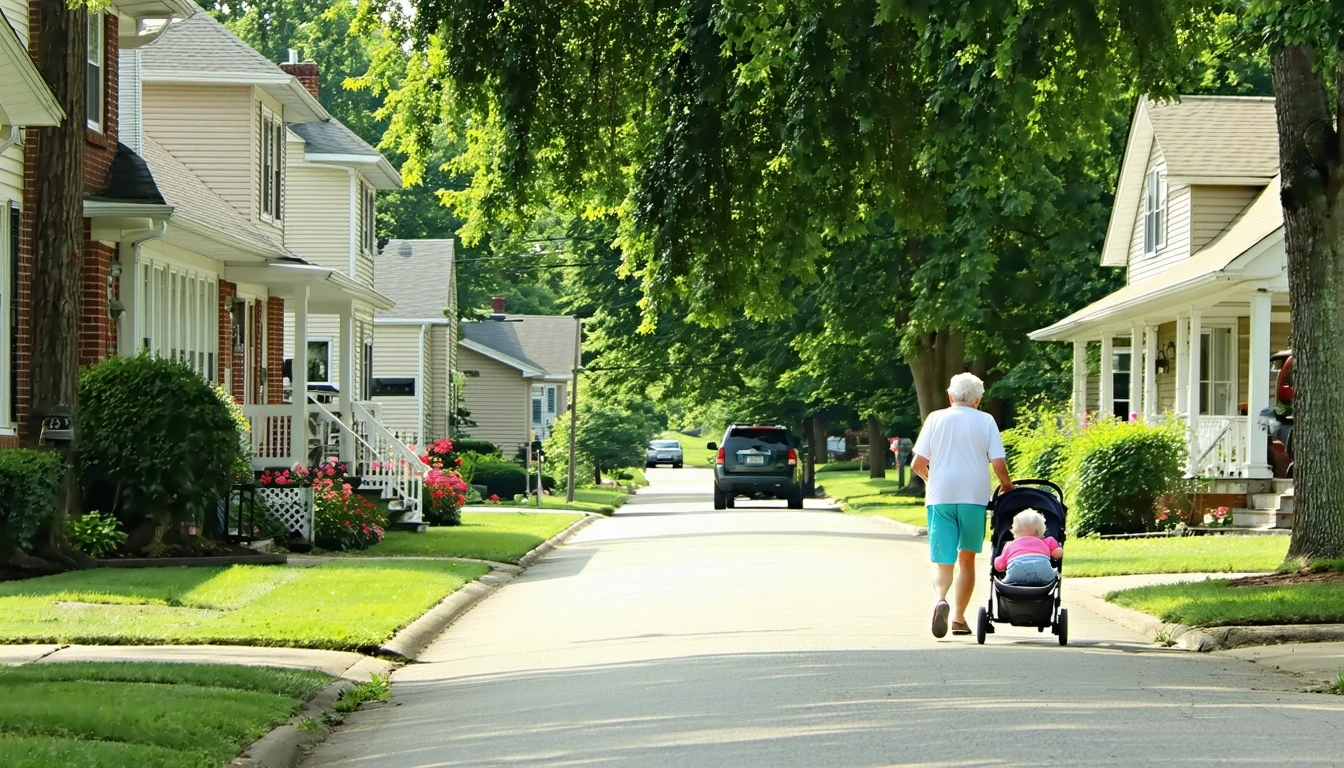
Housing is the anchor. At $271,900, the median home value reflects a suburban ownership market where single-family homes dominate the landscape. This is not a rental-first city—it’s a place where buyers commit to low-rise, mixed-use neighborhoods with strong family infrastructure. Playground density exceeds high thresholds, and school access sits in the medium band, signaling that the built environment is oriented toward households raising children.
Renting at $1,525 per month offers a transitional option, but the rental stock is thinner and less central to the city’s housing identity. For renters, finding a place may mean fewer choices and less flexibility in location. For buyers, the value proposition is straightforward: you’re purchasing access to a low-density, car-oriented suburb with solid household infrastructure and moderate price exposure.
Conclusion: Canal Winchester is an ownership-oriented market. Renting is viable but secondary. If you’re planning to stay and can manage the upfront cost, buying aligns with the city’s structural design.
| Housing Type | Cost Anchor | What That Buys You |
|---|---|---|
| Median Home Value | $271,900 | Low-rise suburban ownership in family-oriented neighborhoods |
| Median Rent | $1,525/month | Transitional rental access with fewer location options |
Utilities & Energy Risk
Electricity in Canal Winchester runs 17.85¢ per kWh—a baseline that sits comfortably in the moderate range for the region. For illustrative context, a household using around 1,000 kWh per month might see a bill near $179 before fees and taxes. That’s the steady hum of lights, appliances, and year-round cooling and heating needs.
Natural gas, priced at $23.03 per thousand cubic feet (MCF), introduces more volatility. Cold winters drive heating demand, and gas bills swing with the season. A household using roughly 1 MCF per month during heating months might face costs around $23 before delivery charges and fees—but the real exposure isn’t the rate, it’s the duration and intensity of the heating season.
Risk classification: Moderate. Utility volatility here is driven by seasonal heating and cooling, not by extreme rates. The swings are predictable but not trivial, especially for larger homes or older construction with less insulation.
Groceries & Daily Costs
Grocery pressure in Canal Winchester tracks close to national norms, adjusted slightly downward by the regional price environment. Bread runs about $1.70 per pound, chicken $1.94 per pound, and eggs $2.72 per dozen. These are derived estimates based on national baselines adjusted by regional price parity; they’re not observed local prices, but they reflect the broader cost texture.
For households, this means day-to-day costs don’t spike or surprise. The real friction isn’t price—it’s access. Grocery and food establishments are corridor-clustered, with density in the medium band. That means errands require planning or short drives to commercial corridors rather than walkable access from most neighborhoods. The cost of groceries is moderate; the cost of getting to them is baked into transportation exposure.
Transportation Reality
Transportation is where Canal Winchester’s cost structure becomes unavoidable. The average commute is 30 minutes, and 25% of workers face long commutes. Only 4.7% work from home. Bus service is present, but the city’s mobility texture is mixed—pedestrian infrastructure exists in moderate density relative to roads, but it doesn’t eliminate car dependence. Bike infrastructure is present in pockets, not as a primary mode.
Gas prices sit at $2.58 per gallon, near regional norms. But the real cost isn’t the fuel—it’s the miles. Because grocery and food options are corridor-clustered and the built environment is low-rise and car-oriented, daily errands and commutes compound. A household running two vehicles, each covering typical commuter distances, faces recurring exposure that doesn’t show up in a single tank of gas but accumulates across maintenance, insurance, and time.
Transportation is a recurring exposure, not a one-time cost. The city’s structure assumes car ownership, and the commute norms reinforce it. If you’re evaluating Canal Winchester, factor in vehicle count and commute length as fixed, not optional.
Cost Exposure Profiles
In Canal Winchester, cost exposures divide along structural lines: housing entry versus long-term ownership, transportation dependence, and household composition.
Low-exposure situations: Owners with paid-off homes or low mortgage burdens, short commutes or remote work arrangements, and single-vehicle households face the least financial pressure. Utility swings are manageable, grocery costs are stable, and transportation remains a minor line item.
High-exposure situations: Recent buyers stretching to meet the $271,900 entry price, households with two long commutes, and families managing multiple vehicles face compounding costs. Add in older homes with higher heating and cooling needs, and the exposure intensifies. The city’s corridor-clustered errands accessibility means that even routine tasks—getting groceries, picking up prescriptions—require car trips, layering small recurring costs into the larger transportation burden.
The distinction isn’t about income sufficiency—it’s about how housing, commute, and vehicle count interact. Canal Winchester rewards stability and punishes transition. If you’re entering the market or managing long commutes, the cost structure is less forgiving. If you’re settled and local, it’s manageable.
How This Article Was Built
How this article was built: In addition to public economic data, this article incorporates location-based experiential signals derived from anonymized geographic patterns—such as access density, walkability, and land-use mix—to reflect how day-to-day living actually feels in Canal Winchester, OH.
Frequently Asked Questions
Is Canal Winchester more affordable than Columbus in 2026? Canal Winchester’s median home value of $271,900 and regional price index of 95 suggest moderately priced housing compared to the broader Columbus metro. The tradeoff is increased car dependence and longer commutes for many workers.
What does a typical cost profile look like in Canal Winchester? Housing dominates, followed by transportation. Utilities add moderate seasonal swings, and groceries track near national norms. The profile assumes car ownership and reflects suburban, family-oriented infrastructure.
Do utilities cost more in Canal Winchester than nearby areas? Electricity at 17.85¢/kWh and natural gas at $23.03/MCF sit in the moderate range for Ohio. Costs are driven more by seasonal heating and cooling intensity than by rate premiums.
What costs tend to surprise newcomers in Canal Winchester? Transportation exposure surprises many. With corridor-clustered errands, limited transit, and a 30-minute average commute, vehicle costs compound quickly. The structure assumes two-car households.
Are property taxes higher in Canal Winchester than nearby suburbs? Property tax data isn’t provided in this analysis, but housing costs and regional price parity suggest moderate overall cost pressure. Verify local millage rates and school district levies before committing.
Is Canal Winchester a good value for families? Strong family infrastructure—high playground density, medium school access, and low-rise neighborhoods—supports child-rearing households. The value depends on whether you can absorb housing entry costs and manage car dependence.
How does commuting affect the cost of living in Canal Winchester? With 25% of workers facing long commutes and only 4.7% working from home, commute length directly impacts vehicle costs, fuel, maintenance, and time. It’s a structural cost, not a discretionary one.
What’s the biggest financial risk in Canal Winchester? Housing entry cost and transportation dependence are the primary risks. If either stretches your capacity—whether through mortgage burden or multi-vehicle commuting—the cost structure becomes less forgiving.
—