
Most newcomers to Canton focus on rent or mortgage payments, but utility costs—electricity, natural gas, water, and trash—quietly claim the second-largest share of monthly household spending. Unlike fixed housing costs, utilities fluctuate with weather, usage habits, and home efficiency, making them harder to predict but easier to control once you understand what drives them.
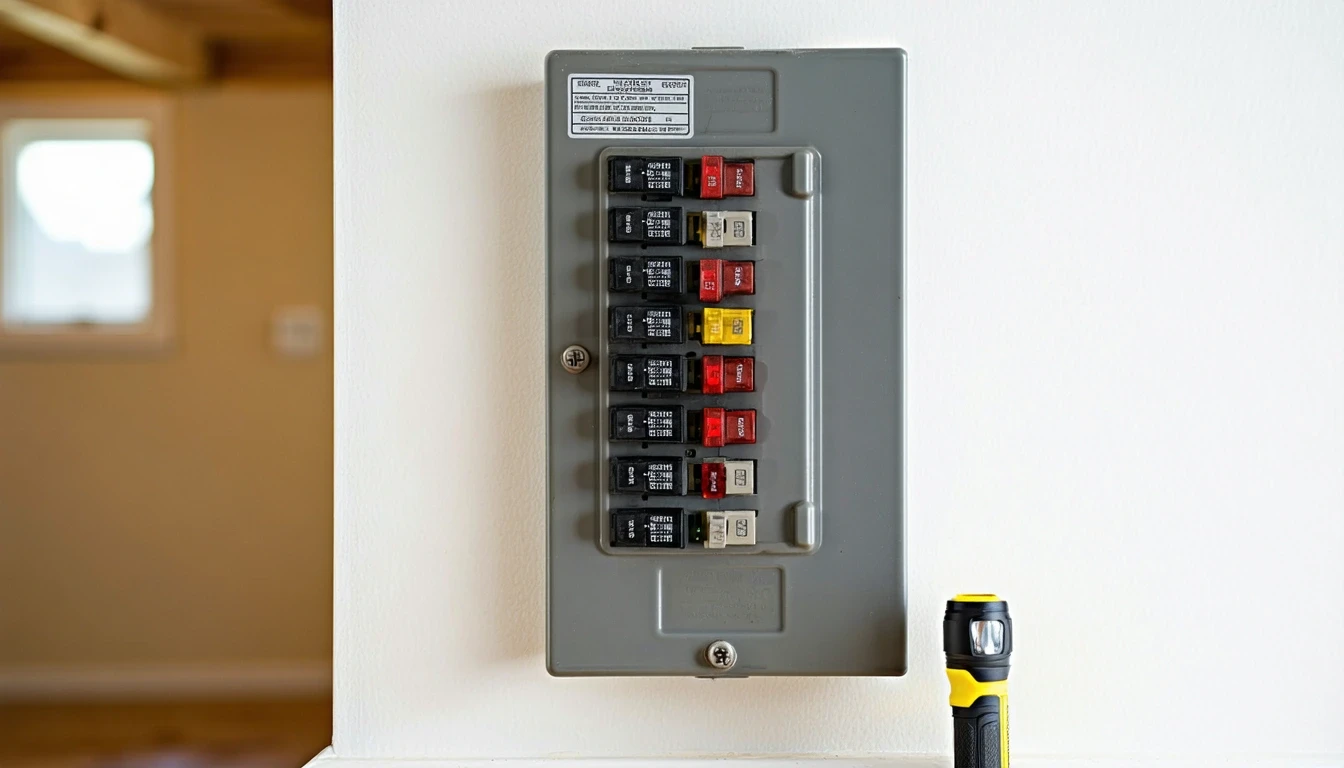
Understanding Utilities in Canton
Utility expenses in Canton reflect the realities of Midwest suburban living: long heating seasons, warm summers, and single-family homes that vary widely in insulation quality and HVAC efficiency. For most households, electricity and natural gas dominate the bill, with water and trash playing smaller but consistent roles. Renters in apartments may see some utilities bundled into their lease, while single-family homeowners typically manage all accounts separately.
What matters most isn’t the rate you’re charged—it’s how much you use and when. A household running central air through July and August will see a very different electric bill than one relying on window units or fans. Similarly, heating a 2,000-square-foot home with an older furnace costs more than warming a well-insulated townhome with a newer system. Understanding these drivers helps you anticipate seasonal swings and identify where you have the most control.
For people moving to Canton, the biggest surprise is often the winter heating load. Cold snaps and sustained freezing temperatures mean furnaces run longer and harder than in milder climates. Pairing that with summer cooling needs creates a year-round utility rhythm that rewards planning and efficiency upgrades.
Utilities at a Glance in Canton
The table below shows how core utility costs typically behave for a mid-size household in a single-family home in Canton. Where city-level prices are available in the data feed, they are shown directly. When exact figures are not provided, categories are described qualitatively to reflect how costs are structured and what drives variability.
| Utility | Cost Structure |
|---|---|
| Electricity | 19.94¢/kWh; usage-sensitive, seasonal exposure |
| Water | Tiered pricing; usage-dependent |
| Natural Gas | $11.89/MCF; winter-driven, heating-dependent |
| Trash & Recycling | Bundled with water or HOA in many neighborhoods |
| Total | Seasonal variability driven by electricity and heating |
This table reflects utility cost structure for a mid-size household in a single-family home in Canton during 2026. Where exact figures are not provided in the IndexYard data feed, categories are described directionally to reflect how costs behave rather than a receipt-accurate total.
Electricity is billed per kilowatt-hour at 19.94¢/kWh, meaning your bill scales directly with usage. In Canton, summer air conditioning and winter electric heating (for homes without gas furnaces) drive the largest swings. For illustrative context, a household using 1,000 kWh in a month would see roughly $199 in electricity charges before fees or taxes—but actual usage varies widely based on home size, appliance efficiency, and thermostat settings.
Water costs in Canton typically follow tiered pricing structures, where higher usage pushes you into more expensive brackets. Outdoor watering, large families, and older plumbing fixtures increase consumption. Many neighborhoods bundle water and sewer fees together, so the line item on your bill may include both.
Natural Gas is priced at $11.89 per thousand cubic feet (MCF) and serves as the primary heating fuel for most Canton homes. Winter months see the highest usage as furnaces work to maintain comfort during cold stretches. For illustrative context, a household using 1 MCF during a heating month would see roughly $12 in gas charges before delivery fees—but sustained cold weather or older furnaces can push usage much higher.
Trash and recycling services are often bundled with water bills or included in homeowners association (HOA) fees, particularly in newer subdivisions. Standalone service costs vary by provider and pickup frequency, but this category tends to be the most stable and predictable of the four.
Electricity is typically the most exposure-sensitive utility in Canton, driven more by climate and home efficiency than by base rates.
How Weather Impacts Utilities in Canton
Canton sits squarely in the Midwest climate zone, where seasonal extremes shape utility spending more than rates alone. Winters bring extended periods of freezing temperatures—current conditions show 14°F with a wind chill near 1°F—and that cold drives sustained heating demand. Natural gas furnaces run longer and more frequently, and even well-insulated homes see noticeable increases in gas usage from December through February.
Summer heat and humidity push air conditioning systems hard, especially during multi-day stretches of temperatures in the 80s and 90s. Homes with central air, older units, or poor attic insulation see the steepest climbs in electricity usage. Many Canton households experience noticeably higher electric bills during peak summer compared to spring, when heating and cooling needs both ease off.
Shoulder seasons—late spring and early fall—offer the most relief. Furnaces and air conditioners sit idle, windows stay open, and utility bills drop to their lowest points of the year. These months reveal your household’s baseline usage, making it easier to see how much weather and climate control actually cost the rest of the year. One regional quirk: late-season snowstorms can extend heating demand into April, compressing the low-cost window and catching newer residents off guard.
How to Save on Utilities in Canton
Reducing utility costs in Canton starts with understanding where your household has the most exposure. For most homes, that means targeting heating and cooling efficiency first—sealing air leaks, upgrading insulation, and maintaining HVAC systems. Even small improvements, like programmable thermostats or weatherstripping around doors, help stabilize bills by reducing the amount of conditioned air that escapes.
Beyond efficiency upgrades, timing and behavior play significant roles. Running dishwashers and laundry during off-peak hours (if your provider offers time-of-use rates), adjusting thermostat settings by a few degrees, and using ceiling fans to circulate air all reduce usage without sacrificing comfort. In Canton’s corridor-clustered layout, where errands and daily trips are often car-dependent, reducing transportation costs frees up budget room to invest in home efficiency measures that lower utility exposure over time.
- Check if your electricity provider offers off-peak billing programs or budget payment plans that smooth out seasonal swings
- Explore solar panel incentives at the state or federal level, particularly if your roof gets strong southern exposure
- Install a smart thermostat to automate heating and cooling schedules based on occupancy and weather forecasts
- Plant shade trees on the south and west sides of your home to reduce summer cooling load naturally
- Look into appliance upgrade rebates for energy-efficient furnaces, water heaters, or air conditioning units
- Seal ductwork and insulate attics to prevent conditioned air from leaking into unconditioned spaces
🏆 Tip: Check if your provider in Canton offers rebates for energy-efficient AC units or heating systems—many utilities subsidize upgrades that reduce peak demand and lower your long-term exposure.
FAQs About Utility Costs in Canton
Why do utility bills fluctuate so much in Canton compared to other parts of Michigan? Canton’s suburban housing stock includes a wide mix of home ages, insulation quality, and HVAC efficiency. Older homes with original furnaces or minimal attic insulation see much larger seasonal swings than newer construction with modern systems. Climate exposure is similar across the region, but home-level efficiency determines how much that exposure costs.
Do HOAs in Canton usually include trash or water in their fees? Many newer subdivisions and townhome communities bundle trash and sometimes water into HOA fees, while older single-family neighborhoods typically require separate accounts. Always confirm what’s included before signing a lease or purchase agreement—bundled services can simplify billing but may limit your ability to shop for lower rates.
How does seasonal weather affect monthly utility bills in Canton? Winter heating and summer cooling create the largest swings. Natural gas usage spikes from December through February as furnaces work to maintain comfort during sustained cold, while electricity usage climbs in July and August when air conditioning runs most. Spring and fall offer the lowest bills, revealing your household’s baseline usage without climate control.
What is the average winter heating cost in Canton for a single-family home? Heating costs depend heavily on home size, insulation, furnace efficiency, and thermostat settings. A mid-size home with an older furnace may see natural gas usage climb significantly during cold snaps, while a well-insulated home with a newer system experiences smaller increases. The rate structure ($11.89/MCF) is consistent, but usage varies widely across households.
Do utility providers in Canton offer budget billing or equalized payment plans? Many electricity and natural gas providers offer budget billing programs that average your annual usage into fixed monthly payments, smoothing out seasonal peaks and making it easier to plan household budgets. These programs don’t reduce total costs, but they eliminate the surprise of a high winter or summer bill.
How Utilities Fit Into the Bigger Picture in Canton
Utilities represent one of the few major household expenses where behavior and efficiency directly control costs. Unlike rent or mortgage payments, which remain fixed, your electricity and natural gas bills respond to how you heat, cool, and use your home. That responsiveness makes utilities both a planning challenge and an opportunity—households that invest in efficiency upgrades or adjust usage habits see measurable reductions in spending over time.
In Canton’s mixed urban form, where single-family homes dominate but walkable pockets and corridor-clustered errands create varied transportation needs, utility costs interact with other spending categories. Households in less accessible areas may face higher commute costs on top of typical suburban utility exposure, while those in walkable neighborhoods reduce driving expenses but still manage the same heating and cooling loads. Understanding how these tradeoffs stack up helps you see where your household has the most flexibility and where costs are harder to avoid.
For a fuller view of how utilities fit alongside housing, transportation, and day-to-day expenses, explore the cost structure in Canton and see how monthly expenses break down for different household types. Utilities are just one piece of the financial puzzle, but they’re one of the few where small changes—better insulation, smarter thermostats, off-peak usage—compound into meaningful savings over months and years.
How this article was built: In addition to public economic data, this article incorporates location-based experiential signals derived from anonymized geographic patterns—such as access density, walkability, and land-use mix—to reflect how day-to-day living actually feels in Canton, MI.