
It’s 7:15 a.m. on a Tuesday, and you’re standing at a bus stop on the edge of Georgetown, TX, watching a handful of commuters check their phones. The bus arrives on time, and you board with a mix of students and service workers heading toward Austin. The ride is quiet, the stops predictable, but as you pass block after block of single-family homes and strip centers, it becomes clear: this is a city built for cars, and transit is a supplement, not a system. By the time you reach your stop, you’ve spent more time waiting and transferring than you would have driving. For some, that tradeoff works. For most, it doesn’t.
Understanding transportation options in Georgetown means recognizing that mobility here is shaped by low-rise suburban form, corridor-clustered errands, and a street network that favors driving over everything else. Public transit exists, but it serves a narrow slice of residents—those with flexible schedules, predictable destinations, and patience for limited coverage. Everyone else relies on a car, not by preference, but by design.
How People Get Around Georgetown
Georgetown is a car-first city with walkable pockets scattered throughout. The pedestrian-to-road ratio is higher than many suburban peers, meaning sidewalks exist and some neighborhoods support short trips on foot. But walkability doesn’t replace transit, and it doesn’t eliminate the need for a vehicle. Errands are clustered along commercial corridors, not distributed evenly across neighborhoods, so even residents in walkable areas drive for groceries, healthcare, and most services.
The city’s low-rise character and mixed land use create a suburban texture that feels open and navigable by car, but isolating without one. Parks are present, water features add visual relief, but the infrastructure that connects daily life—schools, clinics, grocery stores—is spread thin. Newcomers often assume that because Georgetown feels less congested than Austin, it’s easier to get around without a car. The opposite is true. Lower density means longer distances, fewer alternatives, and more dependence on personal vehicles.
Public Transit Availability in Georgetown
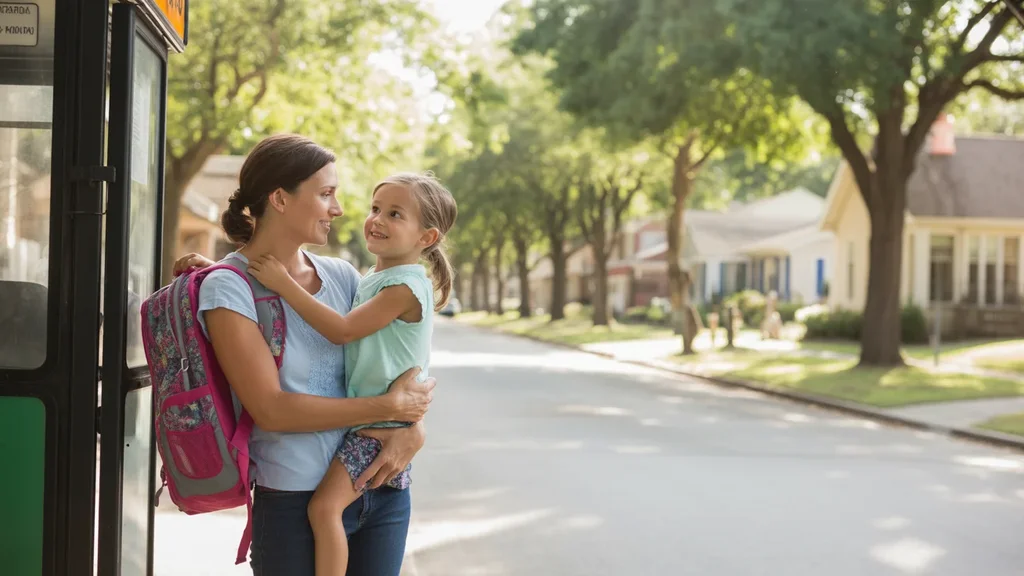
Public transit in Georgetown often centers around regional bus services that connect the city to Austin and surrounding areas. These systems provide a lifeline for residents commuting to jobs, schools, or appointments outside the city, but they’re not designed for intra-city mobility. Coverage is limited, frequencies are modest, and routes prioritize major corridors over neighborhood penetration.
Transit works best for residents living near main roads or within a short walk of a bus stop, and who have destinations that align with existing routes. It falls short for those in peripheral neighborhoods, anyone needing off-peak service, or households managing multi-stop errands. Late-night and weekend coverage is sparse, and the system assumes riders have time flexibility and backup plans.
For students, service workers, and single commuters with predictable schedules, transit can be a practical option. For families, shift workers, or anyone juggling childcare and errands, it’s not.
Driving & Car Dependence Reality
Driving is the default in Georgetown, and the city’s layout reinforces that reality. Parking is abundant, roads are wide, and most destinations are designed with car access in mind. Sprawl isn’t extreme, but it’s enough to make walking or biking impractical for most daily needs. The absence of rail transit and limited bus coverage mean that households without a car face significant friction in accessing jobs, healthcare, and services.
Car dependence isn’t just about convenience—it’s about access. Schools and playgrounds are below density thresholds, so families often drive kids to activities. Clinics are present, but no hospital exists within city limits, so medical emergencies or specialist visits require a vehicle. Grocery stores are clustered along corridors, not embedded in neighborhoods, so even a quick trip for milk becomes a driving errand.
For newcomers, the tradeoff is clear: owning a car grants flexibility, predictability, and control over daily logistics. Not owning one means planning every trip, accepting longer travel times, and relying on others for gaps in coverage.
Commuting Patterns & Daily Mobility
Commuting in Georgetown typically involves a single-destination trip, often to Austin or another nearby employment center. The city’s role as a bedroom community means many residents absorb commute time in exchange for housing affordability and suburban space. Those who work locally benefit from shorter trips, but job density within Georgetown is lower, so most households structure their lives around at least one long commute.
Multi-stop commutes—dropping kids at school, running errands, then heading to work—are common, and they require a car. Transit doesn’t support that kind of flexibility, and the corridor-clustered layout of errands means chaining trips on foot or by bike isn’t realistic. Proximity to work is a luxury in Georgetown, not a given, and households that prioritize it often pay more for housing near main roads or closer to Austin.
Who Transit Works For — and Who It Doesn’t
Transit in Georgetown works for a specific profile: individuals with fixed schedules, single destinations, and tolerance for limited frequency. Students commuting to Austin-area schools, service workers with predictable shifts, and renters living near bus routes can make it work. These riders trade time for cost savings, and they accept the constraints of a system built for regional connectivity, not local convenience.
Transit doesn’t work for families managing school drop-offs, households with irregular hours, or anyone living in peripheral neighborhoods. It also doesn’t work for residents who need to run errands on the way home, pick up kids, or respond to last-minute changes. The system assumes a level of predictability and simplicity that most households don’t have.
Renters in core areas have the best shot at transit viability, but even they often keep a car for weekends, emergencies, and non-commute trips. Homeowners in low-density neighborhoods have no realistic alternative to driving, and the city’s layout ensures that remains true.
Transportation Tradeoffs in Georgetown
Choosing between transit and driving in Georgetown isn’t about cost—it’s about control, predictability, and time. Transit offers lower direct expenses but requires schedule flexibility, longer travel times, and acceptance of coverage gaps. Driving offers autonomy and speed but ties households to fuel prices, maintenance, insurance, and parking.
For households evaluating your monthly budget in Georgetown, transportation isn’t just a line item—it’s a structural factor that shapes housing choice, job access, and daily logistics. Living near a bus route might reduce driving frequency, but it won’t eliminate the need for a car unless your life fits a narrow set of constraints.
The tradeoff isn’t transit versus driving—it’s car ownership with occasional transit use versus car ownership with constant reliance. Very few households in Georgetown live entirely without a vehicle, and those who try face significant friction.
FAQs About Transportation in Georgetown (2026)
Is public transit usable for daily commuting in Georgetown?
Public transit is usable for residents with predictable schedules, single destinations, and proximity to bus routes. It works best for commutes to Austin or other regional centers, but it’s not designed for intra-city trips or multi-stop errands. Coverage is limited, and off-peak service is sparse.
Do most people in Georgetown rely on a car?
Yes. The city’s low-density layout, corridor-clustered errands, and limited transit coverage make car ownership the practical default for most households. Even residents in walkable pockets typically own a vehicle for errands, medical appointments, and trips outside the city.
Which areas of Georgetown are easiest to live in without a car?
Areas near main roads with bus access and within walking distance of grocery stores and clinics offer the best chance of reducing car dependence. However, even in these areas, most residents find that daily life requires a vehicle for flexibility and access.
How does commuting in Georgetown compare to nearby cities?
Georgetown functions as a bedroom community for Austin, so many residents absorb longer commutes in exchange for suburban housing and space. Compared to denser cities with rail transit, commuting here is more car-dependent and less flexible, but traffic is lighter and parking is easier.
Can you bike for daily errands in Georgetown?
Biking is possible in limited areas, but the city’s layout and corridor-clustered errands make it impractical for most households. There’s no strong cycling infrastructure signal, and the distances between home, work, and services typically require a car.
How Transportation Fits Into the Cost of Living in Georgetown
Transportation in Georgetown isn’t just about getting from point A to point B—it’s about how mobility shapes where you live, how you work, and what you can access without friction. The city’s car-oriented layout means that housing affordability often comes with the hidden cost of longer commutes, and proximity to transit or walkable errands commands a premium.
For households evaluating life in Georgetown, the question isn’t whether you’ll need a car—it’s how much you’ll rely on it, and whether the tradeoffs in time, flexibility, and exposure are worth the suburban space and lower housing costs. Transit exists, but it’s a tool for a narrow set of trips, not a replacement for car ownership.
Understanding how people actually move through Georgetown—where they drive, where they walk, and where they’re stuck waiting—helps clarify what kind of life the city supports, and for whom.
How this article was built: In addition to public economic data, this article incorporates location-based experiential signals derived from anonymized geographic patterns—such as access density, walkability, and land-use mix—to reflect how day-to-day living actually feels in Georgetown, TX.