
Southfield, MI vs. Farmington Hills, MI: Cost of Living Comparison (2025)
Considering a move to the Detroit suburbs in 2025? Southfield and Farmington Hills are two popular choices, but how do they stack up on affordability? Let’s dive into a rapid-fire cost comparison:
- 🏠 Median home price: $225,000 in Southfield vs. $325,000 in Farmington Hills
- ⚡ Average utility bill: $180/month in Southfield vs. $210/month in Farmington Hills
- 🥑 Typical grocery run: $120 in Southfield vs. $140 in Farmington Hills
- 💸 Property tax rate: 1.8% in Southfield vs. 2.1% in Farmington Hills
As you can see, Southfield tends to offer lower expenses across major categories. But cost is just one factor — lifestyle fit matters too. Farmington Hills boasts top-rated schools and expansive parks, while Southfield provides easier access to downtown Detroit. Ultimately, your budget and priorities will determine which city feels like home.
In this article, we’ll break down the key cost of living differences between Southfield and Farmington Hills in 2025. Whether you’re a young professional seeking an affordable apartment or a growing family in need of more space, you’ll find the insights to make a confident choice.
Housing Costs
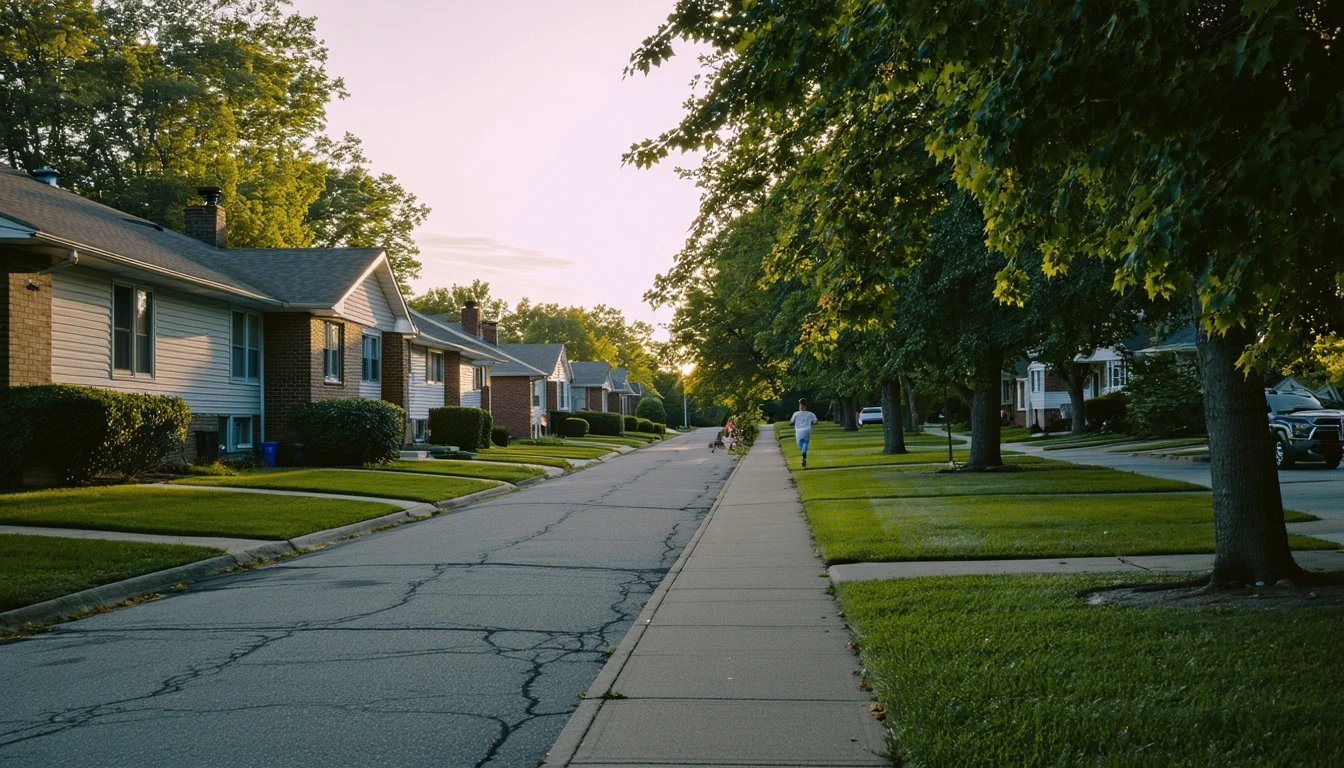
Housing is often the biggest line item in any budget, and the Southfield vs. Farmington Hills matchup reveals notable differences. In Southfield, the median home price hovers around $225,000 as of 2025. Farmington Hills commands a higher premium, with a median of $325,000.
For renters, a typical two-bedroom apartment in Southfield goes for about $1,300 per month. In Farmington Hills, expect to pay closer to $1,600 for a comparable unit. Keep in mind that newer luxury complexes in both cities can push rents even higher.
| Housing Type | Southfield | Farmington Hills |
|---|---|---|
| Median Home Price | $225,000 | $325,000 |
| 2BR Apartment Rent | $1,300 | $1,600 |
| 3BR House Rent | $1,800 | $2,200 |
What does this mean for different households? Young professionals and smaller families may find Southfield’s lower housing costs more manageable, especially if they prefer to rent. Farmington Hills’ higher prices tend to attract established families seeking spacious homes in desirable school districts, who are willing to stretch their budgets for the long-term benefits.
The bottom line: Southfield wins on overall housing affordability, with lower prices and rents across property types. However, Farmington Hills offers compelling lifestyle upgrades for those who can afford the premium.
Utilities and Energy Costs
Utility bills are another unavoidable expense, and they can fluctuate significantly between cities. In Southfield, residents report average monthly utility costs around $180 for a typical household. This covers electricity, natural gas, water, and sewer.
Farmington Hills residents tend to pay slightly more, with average utility bills closer to $210 per month. The difference is partly due to larger average home sizes, which require more energy to heat and cool. Older homes in both cities may also have higher bills compared to newer, energy-efficient construction.
Seasonal swings can impact costs too. Southfield and Farmington Hills both experience chilly Michigan winters, so expect heating bills to spike from November through March. Some local utility providers offer budget billing plans to help even out expenses over the year.
The verdict: Southfield has the edge on utility costs, with lower average monthly bills. However, individual home characteristics matter just as much as location.
Groceries and Daily Expenses
Food is a major part of any cost of living comparison. In Southfield, a typical grocery run for a family of four might cost around $120 per week. This assumes a mix of staples like bread, milk, eggs, and produce from chain supermarkets.
In Farmington Hills, the same grocery haul would be closer to $140. The city has more upscale markets and specialty stores, which can drive up food costs for those who frequently shop there.
Dining out reveals similar trends. A basic fast food combo meal runs about $8 in Southfield, versus $9 in Farmington Hills. A nice dinner for two might cost $50 at a casual Southfield restaurant, but easily $70 or more at a trendy Farmington Hills spot.
These differences add up over time, especially for larger households. A family of four could save $80 per month on groceries and hundreds more on dining out by choosing Southfield over Farmington Hills. Singles and couples may notice less of a gap.
In summary: Southfield offers lower food costs across the board, from everyday groceries to restaurant meals. The savings are most significant for families.
Taxes and Fees
Taxes are an often-overlooked element of the cost of living equation. In Southfield, the property tax rate stands at 1.8% as of 2025. For a home valued at $225,000, that translates to an annual tax bill around $4,050.
Farmington Hills has a higher property tax rate of 2.1%. The owner of a $325,000 home would owe about $6,825 per year. Over time, that difference can really add up, especially for those on a fixed income.
Both cities also charge a 1% local income tax on top of the state’s 4.25% flat rate. Sales tax is 6% across the board, though Farmington Hills has slightly higher local restaurant taxes.
Other fees and assessments vary by neighborhood. Some Southfield and Farmington Hills residents pay homeowners association (HOA) dues covering common area maintenance and amenities. These can range from $50 to over $500 per month. Renters may not pay directly, but the costs are often built into monthly rent.
All things considered: Southfield has a lower overall tax burden, particularly for homeowners. However, individual neighborhood assessments can shift the equation.
Cost Summary Table
| Category | Southfield | Farmington Hills |
|---|---|---|
| Housing (Mortgage/Rent) | $1,500 | $2,000 |
| Utilities | $180 | $210 |
| Groceries | $500 | $560 |
| Transportation | $300 | $350 |
| Taxes (Income & Property) | $600 | $850 |
| Miscellaneous | $500 | $600 |
| Estimated Monthly Total | $3,580 | $4,570 |
Estimates reflect 2025 costs for a mid-size household (2-bedroom apartment or 3-bedroom home) using published national data and regional benchmarks. Actual expenses will vary with household size, lifestyle, and neighborhood.
The table above paints a clear picture: Southfield offers a significantly lower cost of living compared to Farmington Hills. A typical family could save nearly $1,000 per month on basic expenses by choosing Southfield, adding up to $12,000 per year. For many households, that’s a substantial difference.
Of course, raw costs don’t tell the whole story. Farmington Hills’ higher prices come with tradeoffs like newer homes, more extensive amenities, and highly rated schools. Some families may decide the premium is worthwhile. Southfield’s affordability leaves more room in the budget for discretionary spending and saving.
Lifestyle Fit
Ultimately, the choice between Southfield and Farmington Hills is as much about lifestyle as it is about cost. Southfield shines for those who value affordability and convenience. The city’s central location offers quick access to major highways and employers across the Detroit metro. Downtown attractions like Ford Field and the Fox Theatre are just a 20-minute drive away.
Southfield also boasts a diverse population and a wide variety of housing options, from cozy bungalows to sleek loft apartments. Over 780 acres of parks provide ample green space. And while the schools may not be the region’s highest-ranked, they still offer solid programs.
In contrast, Farmington Hills is ideal for families craving space and top-tier amenities. The city is known for its high-end subdivisions featuring large lots and custom homes. The school district consistently ranks among Michigan’s best. And with 600 acres of parkland plus golf courses and country clubs, recreational opportunities abound.
The catch, of course, is cost. Farmington Hills’ luxe lifestyle comes with a higher price tag. For some, the tradeoff is worthwhile. Newer homes tend to be more energy-efficient, which can help offset higher utility bills. And the city’s acclaimed schools may eliminate the need for pricey private education.
So which city comes out ahead? It depends on your priorities. Budget-conscious households and those who prize a quick commute will likely favor Southfield. Families willing to pay a premium for top schools and amenities may prefer Farmington Hills. Wherever you land, you’ll find welcoming communities and plenty to appreciate.
Frequently Asked Questions
Is Southfield more affordable than Farmington Hills in 2025?
Yes, Southfield offers a lower overall cost of living compared to Farmington Hills. Housing, utilities, groceries, and taxes all tend to be less expensive in Southfield. A typical family could save around $1,000 per month by choosing Southfield over Farmington Hills.
Are rental prices lower in Southfield or Farmington Hills?
Rental prices are generally lower in Southfield. As of 2025, a typical two-bedroom apartment in Southfield goes for about $1,300 per month, while a similar unit in Farmington Hills might cost $1,600 or more.
How do grocery costs compare between Southfield and Farmington Hills?
Grocery costs are typically lower in Southfield. A family of four might spend around $120 per week on groceries in Southfield, versus $140 for the same items in Farmington Hills. The difference is due to a higher concentration of upscale markets in Farmington Hills.
Are property taxes higher in Farmington Hills than in Southfield?
Yes, property taxes are higher in Farmington Hills. The city’s property tax rate is 2.1% as of 2025, compared to 1.8% in Southfield. For a $300,000 home, that’s a difference of $900 per year.
What is the average monthly cost of living for a family of four in Southfield vs. Farmington Hills?
According to 2025 estimates, a family of four would need around $4,300 per month to cover basic expenses in Southfield. The same family would need closer to $5,500 per month in Farmington Hills. Keep in mind these are averages — actual costs will depend on specific lifestyle and housing choices.
Conclusion
Southfield and Farmington Hills offer two distinct flavors of suburban Detroit living. Southfield’s affordability and central location make it an appealing choice for young families and professionals. Farmington Hills’ higher costs come with perks like top-rated schools and upscale amenities.
Ultimately, the right choice depends on your budget and priorities. Use the cost breakdowns in this article as a starting point, but also consider factors like commute times, school districts, and recreational options. Our Southfield monthly budget guide can help you crunch the numbers in more detail.
No matter which city you choose, you’ll find welcoming neighborhoods and plenty of local pride. Southfield and Farmington Hills both offer a high quality of life — the key is finding the community that fits your needs and budget. Ready to take the next step? Compare moving company costs and options to start planning your 2025 move.