
Moving from Chicago to Austin: What Changes (and What Doesn’t)
The Chicago-to-Austin corridor has become one of the most traveled relocation paths in the U.S., driven by job opportunities, climate preference, and a desire for a different pace of life. But the move involves more than a change of scenery—it fundamentally shifts where your money goes, how you spend your time, and what daily logistics look like.
This guide explains how cost pressure, housing dynamics, commute patterns, and climate exposure change when you move from Chicago to Austin. It’s not about declaring one city “better” or calculating total savings—it’s about understanding where financial and logistical friction moves, so you can plan accordingly.
Cost Pressure Shifts: Where Money Concentrates Differently
In Chicago, cost pressure tends to concentrate in housing—particularly ownership—and in utilities during the long heating season. The median home value sits at $304,500, and the median gross rent is $1,314 per month. Households also contend with electricity at 18.31¢/kWh and natural gas at $15.48/MCF, both of which matter significantly during cold months.
Austin flips some of that pressure. The median home value is $461,500—substantially higher than Chicago—and median gross rent is $1,549 per month. Housing entry barriers are steeper, and ongoing ownership costs (property taxes, insurance) tend to be higher as well. However, Austin’s overall regional price parity index is 98, compared to Chicago’s 103, meaning non-housing goods and services may feel slightly less expensive day to day.
Utilities shift in character but not necessarily in total exposure. Austin’s electricity rate is lower at 16.04¢/kWh, but the extended cooling season—marked by triple-digit summer heat—means air conditioning dominates usage for months. Natural gas is more expensive at $30.71/MCF, though heating demand is minimal. The result: utility bills are less about winter survival and more about summer endurance.
Transportation costs also change texture. Gas is cheaper in Austin at $2.47/gallon versus $2.94 in Chicago, but the average commute is shorter—24 minutes compared to Chicago’s 34 minutes. However, only 4.8% of Austin workers work from home, compared to 14.6% in Chicago, and 33.1% of Austin commuters face long commutes, compared to 59.7% in Chicago. The upshot: Austin commutes are generally shorter, but car dependence is higher, and the infrastructure is less forgiving of non-drivers.
Housing & Neighborhood Patterns: Entry vs. Ongoing Pressure
The housing market shift is one of the most consequential parts of this move. Austin’s median home value is roughly 50% higher than Chicago’s, which means down payments, mortgage sizes, and monthly ownership costs all increase. Property taxes in Texas are also notably higher than in Illinois, and homeowners insurance tends to be more expensive due to weather exposure (hail, flooding).
Renters face similar pressure. Austin’s median gross rent is about $235 higher per month than Chicago’s, and rental markets in Austin have been characterized by rapid turnover and steep year-over-year increases in recent years. Lease renewals can bring significant jumps, and competition for well-located units is intense.
Neighborhood form also matters. Both cities have walkable pockets with substantial pedestrian infrastructure, rail transit, and notable cycling infrastructure. Both also show high park density and integrated green space access, along with broadly accessible food and grocery options. However, Austin’s urban form skews more vertical—average building levels exceed high thresholds—while Chicago’s building profile is more mixed. This means Austin’s density is often concentrated in specific corridors, with sprawl and car dependence dominating elsewhere.
Family infrastructure differs slightly. Austin shows strong family infrastructure, with both schools and playgrounds meeting density thresholds. Chicago’s family infrastructure is present but more uneven, with school density in the medium band and playground density below low thresholds. For households with children, Austin’s infrastructure may feel more consistent, though access still varies by neighborhood.
Lifestyle & Daily Rhythms: Pace, Access, and Climate
Daily life in Austin moves differently than in Chicago, and much of that difference is driven by infrastructure and climate.
Chicago’s transit system is robust, with rail service present and high pedestrian-to-road ratios in many neighborhoods. The average commute is longer, but a significant share of residents can rely on public transportation or walking for daily errands. The city’s mixed building heights and integrated green space create pockets of density and walkability, even in areas that feel suburban.
Austin also has rail transit and walkable pockets, but the city’s car-oriented sprawl dominates much of the metro area. The shorter average commute is a function of timing and route choice, not necessarily proximity—many residents still drive long distances, just outside traditional peak hours. Cycling infrastructure is notable, but the extended heat season makes biking less practical for much of the year.
Climate exposure is a major lifestyle shift. Chicago’s long, cold winters demand heavy heating, layered clothing, and planning around snow and ice. Austin’s climate is defined by long, hot summers with extended periods of triple-digit heat. Air conditioning is non-negotiable, outdoor activity shifts to early morning or evening, and heat-related fatigue is common. Winters are mild, with rare freezing nights, which reduces heating costs but also means less seasonal variety.
Access to daily errands is broadly accessible in both cities, with high food and grocery density. However, the experience of running errands differs: in Chicago, many residents can walk or take transit; in Austin, most trips require a car, even in denser neighborhoods.
Relocation Logistics & Practical Friction
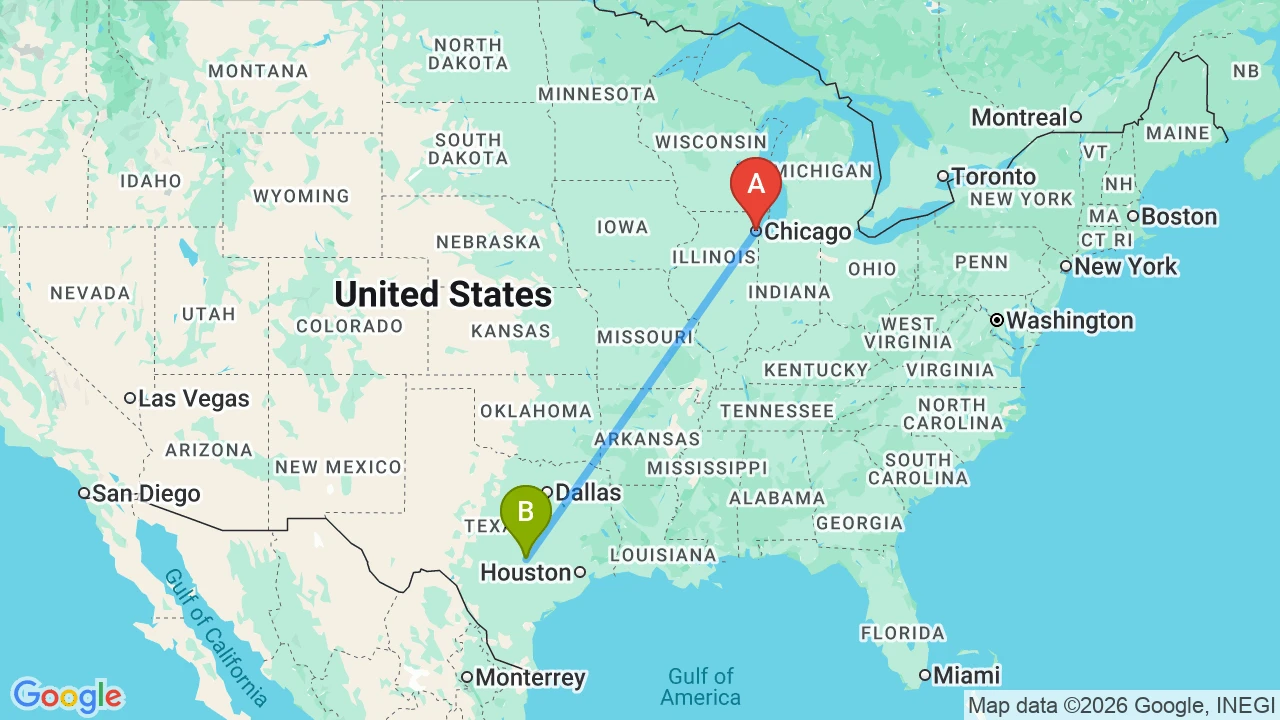
The physical move from Chicago to Austin is straightforward—roughly 1,200 miles, typically completed in two to three days by professional movers or a long weekend if driving yourself. However, the logistical and emotional adjustment takes longer.
One of the most common surprises is the shift in daily routines. Chicago residents accustomed to walking to the train or running errands on foot often find Austin’s car dependence frustrating, even in neighborhoods marketed as walkable. Parking, traffic, and the need to drive for nearly every errand add friction that wasn’t present before.
Utility setup and billing also differ. Texas has a deregulated electricity market, which means you’ll need to choose a provider and plan—something most Chicago residents never had to think about. Natural gas is less commonly used for heating, but water and trash billing structures vary widely by neighborhood and provider.
Property taxes and insurance are another adjustment. Texas has no state income tax, but property taxes are significantly higher than in Illinois, and homeowners insurance premiums can be steep due to weather risk. Renters don’t face property tax directly, but it’s often baked into rent increases.
Healthcare access is similar in both cities, with hospitals and pharmacies present. However, provider networks differ, and finding new doctors, dentists, and specialists requires time and research.
Socially, Austin’s culture skews younger and more transient, with a significant share of the population arriving in the last five years. Chicago’s neighborhoods tend to have deeper roots and more established social networks, which can make Austin feel more fluid but also less anchored.
Frequently Asked Questions
- Does Austin feel more or less expensive than Chicago?
- Austin concentrates cost pressure in housing—both entry and ongoing—while Chicago’s pressure is more evenly distributed across housing, utilities, and transportation. Austin’s higher home values and rents create steeper upfront barriers, but lower gas prices and a shorter average commute reduce some transportation costs. Households with significant housing equity or high incomes tend to absorb the shift more easily, while renters and first-time buyers often feel more squeezed.
- How do housing markets differ between Chicago and Austin?
- Chicago’s housing market offers lower entry costs but higher ongoing utility and maintenance exposure due to climate. Austin’s market demands more upfront capital and carries higher property taxes and insurance premiums. Both cities have walkable pockets and rail transit, but Austin’s sprawl makes car ownership more essential in most neighborhoods. Renters in Austin face more volatile lease renewals, while Chicago’s rental market tends to be more stable but still subject to neighborhood-specific pressure.
- What feels different about daily life after moving to Austin?
- The most immediate shift is car dependence—even in denser neighborhoods, most errands require driving. The climate also reshapes routines: outdoor activity moves to early morning or evening during summer, and air conditioning becomes a constant expense. The social landscape feels more transient, with fewer long-established networks and more newcomers. Commutes are generally shorter, but traffic congestion and parking friction replace Chicago’s transit delays.
- When does the move from Chicago to Austin tend to feel easiest?
- Spring and fall offer the most forgiving weather for both the physical move and the initial adjustment period. Summer moves mean arriving during peak heat, which can make house-hunting and settling in exhausting. Winter moves are logistically simpler than leaving Chicago in January, but Austin’s mild winters may feel anticlimactic for those expecting dramatic seasonal relief. Timing the move to coincide with a job start date or lease cycle tends to reduce friction more than optimizing for weather.
- What are the most common adjustment pressures when moving to Austin?
- Housing costs—both entry and ongoing—are the primary pressure point, especially for renters and first-time buyers. Car dependence surprises many movers, particularly those accustomed to Chicago’s transit options. The extended heat season requires lifestyle adaptation, and utility bills shift from winter heating spikes to summer cooling marathons. Socially, building new networks takes time, and the transient nature of Austin’s population can make it harder to find long-term community anchors.
- Who tends to benefit most from moving to Austin, and who may struggle?
- High earners with housing equity or significant savings tend to adapt well, as they can absorb higher entry costs and benefit from Texas’s lack of state income tax. Remote workers and those in tech or creative industries often find strong job markets and social networks. Families with children may appreciate Austin’s family infrastructure, though housing costs remain a challenge. Renters, first-time buyers, and households reliant on public transit face the steepest adjustment, as Austin’s cost structure and car dependence create more friction than Chicago’s more transit-accessible, lower-entry housing market.
Understanding the Tradeoffs
Moving from Chicago to Austin is not a simple cost-saving play—it’s a reallocation of where money, time, and energy go. Austin demands more upfront housing capital and ongoing ownership costs, but offers a shorter average commute, lower gas prices, and a milder winter. Chicago spreads cost pressure more evenly, with lower housing entry barriers but higher utility exposure and longer commutes.
The move works best for households with strong income stability, significant savings, and a preference for car-based mobility and extended heat. It’s more challenging for renters, first-time buyers, and those who rely on public transit or prefer walkable, transit-rich neighborhoods.
Ultimately, the decision hinges on where you want pressure to concentrate—and which tradeoffs align with your household’s priorities. For deeper exploration of how these dynamics play out in specific neighborhoods, see the Chicago, IL hub and the Austin, TX hub on IndexYard.
How this article was built: In addition to public economic data, this article incorporates location-based experiential signals derived from anonymized geographic patterns—such as access density, walkability, and land-use mix—to reflect how day-to-day living actually feels in Austin, TX.