
The Housing Market in Sterling Heights Today
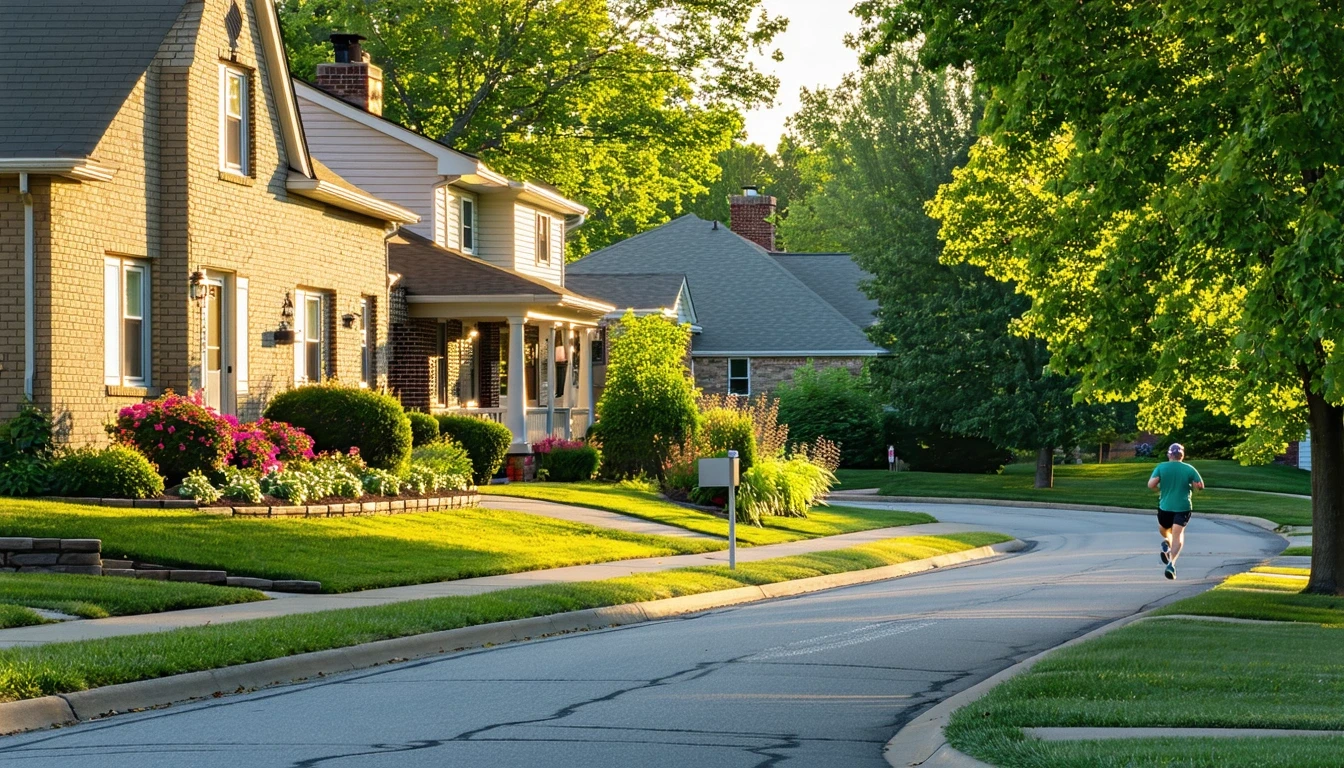
Sterling Heights, located in the heart of Macomb County, Michigan, is known for its diverse housing options and strong local economy. As a major suburb of Detroit, Sterling Heights benefits from its proximity to the city while maintaining a distinct suburban character. The housing market in Sterling Heights is shaped by several key factors, including its major employers, transportation infrastructure, and ongoing development trends.
One of the defining features of Sterling Heights’s housing landscape is the presence of large employers like Fiat Chrysler Automobiles, Ford Motor Company, and General Dynamics Land Systems. These companies provide a stable base of well-paying jobs, which helps support demand for both rental and owner-occupied housing. At the same time, Sterling Heights offers a more affordable alternative to pricier suburbs closer to Detroit, attracting families and professionals looking for value.
Compared to nearby cities like Troy and Royal Oak, Sterling Heights tends to have lower housing costs overall. However, prices have been on the rise in recent years due to steady population growth and ongoing development. New construction, particularly in the northern part of the city, is adding to the supply of single-family homes and townhouses. Despite this growth, Sterling Heights has maintained a relatively balanced housing market, with opportunities for both renters and buyers at various price points.
Renting in Sterling Heights: Typical Costs and Trends
For renters, Sterling Heights offers a range of options from apartments to single-family homes. As of 2025, the typical rent for a 1-bedroom apartment in Sterling Heights is around $1,100 per month, while a 2-bedroom unit averages $1,400. These prices are generally in line with the broader Metro Detroit rental market, although some newer luxury complexes may command higher rates.
Young professionals and families are among the most common renter demographics in Sterling Heights. Many are drawn to the city’s convenient location along major highways like M-53 and M-59, which provide easy access to job centers in Detroit and the surrounding suburbs. Renters also appreciate Sterling Heights’s well-regarded schools, parks, and community amenities.
Within Sterling Heights, rental costs can vary depending on the neighborhood and proximity to key destinations. For example, apartments near the Lakeside Mall area or along the M-59 corridor tend to be pricier due to their central location and easy access to shopping and dining. More affordable options can often be found in the southern part of the city or in older complexes. Commute times are another factor, with properties closer to I-75 and M-53 sometimes commanding a premium for their quicker access to Detroit.
Owning a Home in Sterling Heights: Prices, Taxes, and HOA Fees
For those looking to buy a home, Sterling Heights offers a diverse selection of single-family residences, townhouses, and condos. As of 2025, the median home price in Sterling Heights is around $350,000, which is relatively affordable compared to some other Detroit suburbs. However, prices can range widely depending on the age, size, and location of the property.
One important consideration for homeowners in Sterling Heights is property taxes. The city’s property tax rate is currently around 2.5%, which is slightly higher than the national average. For a home valued at $350,000, this translates to about $8,750 in annual property taxes or roughly $730 per month.
Some neighborhoods in Sterling Heights also have Homeowners Associations (HOAs) that charge additional monthly or annual fees. These fees typically cover maintenance of common areas, trash removal, and sometimes amenities like pools or fitness centers. In Sterling Heights, HOA fees usually range from $100 to $300 per month, depending on the community and services provided. It’s important for buyers to factor in these extra costs when budgeting for a home purchase.
Apartment vs House in Sterling Heights: Side-by-Side Costs
To help illustrate the difference in monthly costs between renting and owning in Sterling Heights, here’s a side-by-side comparison for a typical 2-bedroom apartment and a 3-bedroom house:
| Monthly Expense | Apartment (2BR) | House (3BR) |
|---|---|---|
| Rent/Mortgage Payment | $1,400 | $1,900 (based on $350K home price) |
| Property Tax | N/A (included in rent) | $730 |
| Utilities | $150 (lower for apartments) | $250 (higher for larger homes) |
| Insurance | $15 (renters insurance) | $100 (homeowners insurance) |
| HOA Fees | N/A | $200 (typical for Sterling Heights) |
| Maintenance & Repairs | N/A (covered by landlord) | $200 (estimated) |
| Monthly Total | $1,565 | $3,380 |
Methodology: Housing estimates for 2025 in Sterling Heights use published rent and sale price data, local property tax rates, and typical HOA fees where available. When city-specific numbers are missing, regional ranges for similar Michigan markets are applied. All totals are rounded and expressed as monthly costs. Actual expenses vary depending on neighborhood, housing type, and household size.
Utility & Upkeep Differences
In addition to the base rent or mortgage payment, utility costs can vary significantly between apartments and houses in Sterling Heights. Apartments tend to have lower utility bills overall, thanks to their smaller size and shared walls that provide insulation. In a typical 2-bedroom apartment, combined utility costs for electricity, gas, water, and trash are around $150 per month.
Houses, on the other hand, usually have higher utility expenses due to their larger square footage and detached structure. For a 3-bedroom home in Sterling Heights, monthly utility costs often range from $200 to $300, depending on the season and energy efficiency of the property. Homes with older HVAC systems, poor insulation, or inefficient appliances can see even steeper bills.
Maintenance is another key difference between renting and owning in Sterling Heights. While renters are generally not responsible for repairs or upkeep beyond basic cleaning, homeowners must budget for ongoing maintenance tasks like lawn care, snow removal, HVAC tune-ups, and inevitable repairs. These costs can add hundreds of dollars to the monthly budget, making it essential for buyers to plan accordingly.
5-Year Rent vs Buy Outlook
Looking ahead to the next five years, the rent vs buy calculation in Sterling Heights will depend on a variety of personal and market factors. In general, buying a home makes more financial sense for those who plan to stay in the area for several years and can afford the upfront costs of a down payment and closing fees.
Over a five-year period, homeowners in Sterling Heights can expect to build some equity as they pay down their mortgage principal. They may also benefit from potential home value appreciation, although this is not guaranteed. Based on historical trends and the current market trajectory, a conservative estimate for annual appreciation in Sterling Heights is around 2-3% per year.
For renters, the main advantage is flexibility and lower upfront costs. However, renters won’t build equity and may face rent increases each year. In Sterling Heights, rent prices have historically risen by about 2-4% annually, although this can vary depending on the local market conditions and individual property.
Ultimately, the decision to rent or buy in Sterling Heights depends on your financial situation, long-term goals, and lifestyle preferences. It’s important to weigh the total costs and potential benefits over time to make the choice that aligns with your unique needs.
FAQs About Housing Costs in Sterling Heights
How much are HOA fees in Sterling Heights?
HOA fees in Sterling Heights typically range from $100 to $300 per month, depending on the community and amenities provided. Some neighborhoods don’t have HOAs at all.
What is the property tax rate in Sterling Heights?
As of 2025, the property tax rate in Sterling Heights is around 2.5%. For a home valued at $350,000, this equates to roughly $8,750 per year or $730 per month.
Is renting cheaper than buying long-term in Sterling Heights?
While renting may be cheaper on a monthly basis, buying can be more cost-effective long-term if you plan to stay in Sterling Heights for several years. This allows time to build equity and potentially benefit from home value appreciation.
Do houses have higher utility costs than apartments?
Yes, houses in Sterling Heights typically have higher utility costs than apartments due to their larger size and detached structure. Homeowners should budget an extra $50 to $150 per month for utilities compared to renters.
What’s the monthly cost difference between apartments and houses in Sterling Heights?
Based on a comparison of a 2-bedroom apartment and a 3-bedroom house, the monthly cost difference in Sterling Heights is around $1,800. This factors in the higher rent/mortgage, property taxes, insurance, utilities, and maintenance costs associated with owning a home.
Making Smart Housing Choices in Sterling Heights
Navigating the housing market in Sterling Heights requires careful consideration of your budget, lifestyle, and long-term plans. By understanding the true costs of renting vs buying, including often-overlooked expenses like property taxes, HOA fees, and maintenance, you can make a more informed decision about which option is right for you.
As you evaluate your housing choices, it’s also important to consider how your monthly costs fit into your overall financial picture. Tools like [Sample Monthly Budgets for Sterling Heights in 2025](/sterling-heights-mi/monthly-budget/) can help you understand how much you can realistically afford to spend on housing while still meeting your other financial obligations and goals.
For a deeper dive into the [Cost of Living in Sterling Heights, MI](/sterling-heights-mi/cost-overview/), be sure to check out our comprehensive guide. And if you’re planning a move to the area, our [Best Moving Companies Guide](https://indexyard.com/best-moving-companies-guide/) can help you find reliable and affordable moving services.
No matter where you are in your housing journey, taking the time to educate yourself about the local market and your options is key to making a smart, sustainable choice. By weighing the costs and benefits of renting vs buying in Sterling Heights, you can find the path that best aligns with your needs and sets you up for long-term financial success.