
Farmington Hills is considered moderately priced in 2025, with average rent for a 2-bedroom apartment at $1,650 per month and overall living costs slightly above the national average.
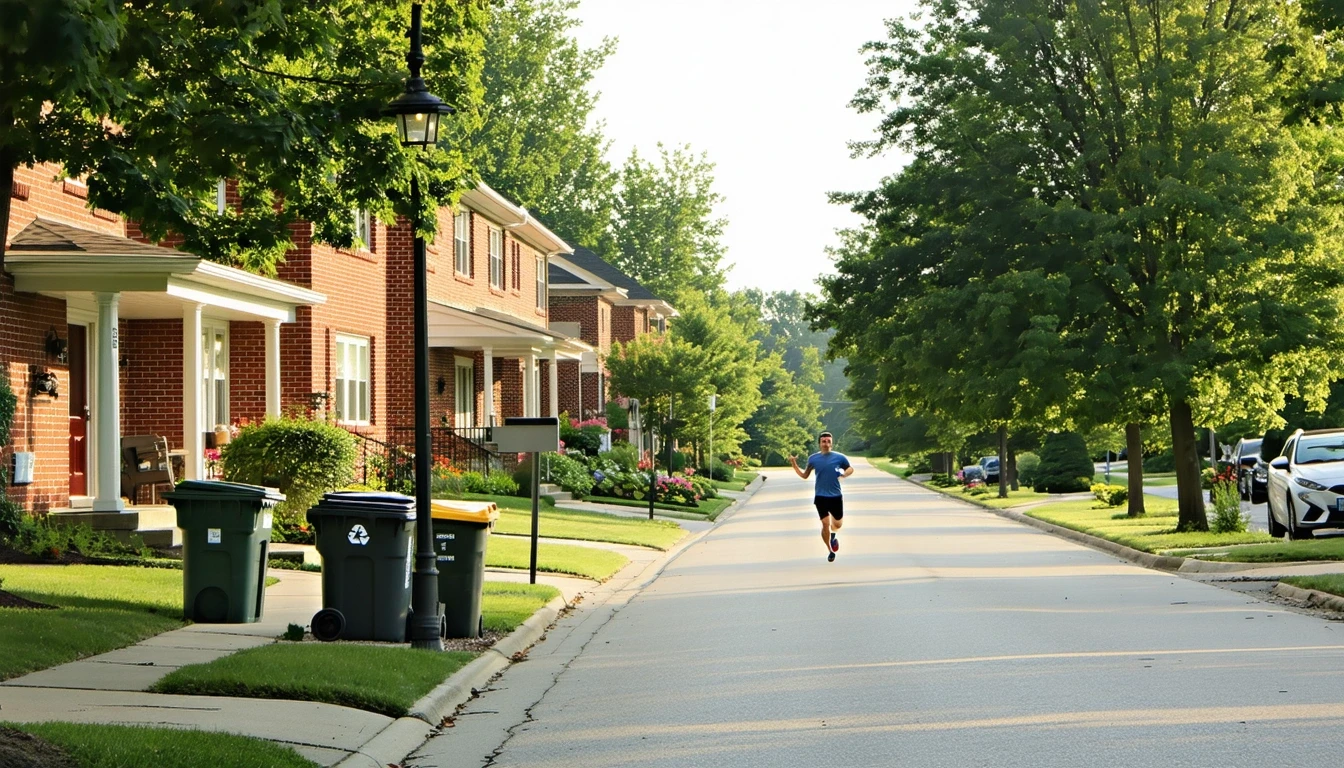
Housing Costs in Farmington Hills
Housing is the biggest expense for most Farmington Hills residents. In 2025, the typical rent for a 2-bedroom apartment ranges from $1,500 to $1,800 per month, with a median of $1,650. Buying a 3-bedroom single-family home costs between $350,000 and $450,000, with prices varying by neighborhood.
Newer developments and those closer to downtown tend to have higher prices and homeowners association (HOA) fees. Older neighborhoods further out offer more affordable options but may mean longer commutes. Choosing between renting and buying depends on your budget, lifestyle, and long-term plans.
| Neighborhood | Typical 2BR Rent | Typical 3BR Home Price |
|---|---|---|
| Downtown | $1,700 – $1,900 | $400,000 – $500,000 |
| Suburban West | $1,500 – $1,700 | $350,000 – $400,000 |
| Suburban East | $1,400 – $1,600 | $300,000 – $350,000 |
Utility Bills in Farmington Hills
Utility costs in Farmington Hills are fairly typical for the region. Expect to pay around $120 per month for electricity for a 1,000 square foot apartment, with summer air conditioning pushing bills higher. Natural gas averages $80 monthly and water/trash adds another $50-$70.
Seasonal spikes are common, with winter heating and summer cooling driving the biggest jumps. Choosing an energy-efficient apartment or home can help keep utility costs under control.
| Utility | Typical Monthly Cost |
|---|---|
| Electricity | $110 – $130 |
| Natural Gas | $70 – $90 |
| Water/Trash | $50 – $70 |
Groceries and Food Costs
Groceries for a single adult in Farmington Hills generally run $300 to $400 per month, while a couple can expect to spend $600 to $800. These estimates assume mostly cooking at home with occasional meals out.
Here’s a sample basket of staple foods and their typical costs in Farmington Hills:
| Item | Typical Price |
|---|---|
| Milk (1 gallon) | $3.50 |
| Bread (1 loaf) | $2.75 |
| Eggs (1 dozen) | $2.25 |
| Chicken (1 lb) | $4.50 |
| Beef (1 lb) | $6.00 |
| Rice (1 lb) | $1.50 |
| Apples (1 lb) | $2.00 |
| Coffee (1 lb) | $8.00 |
Dining out costs more, with a basic meal at an inexpensive restaurant running $15 to $20 per person. A mid-range three-course dinner for two averages $60 to $80.
Taxes and Fees to Plan For
Don’t forget to factor in taxes and fees when budgeting for life in Farmington Hills. The sales tax rate is 6%, which adds to the cost of most purchases. Property taxes are around 1.5% of a home’s assessed value annually.
Other common costs include:
- Vehicle registration fees
- Parking permits
- Pet licensing
- HOA dues (for some neighborhoods)
- Utility surcharges
Monthly Budget Summary
So what does it really take to live comfortably in Farmington Hills? Here are some sample monthly budget estimates for different household types in 2025, based on typical expenses:
| Expense | Single Adult | Couple | Family of 4 |
|---|---|---|---|
| Housing (Rent) | $1,200 | $1,650 | $2,000 |
| Utilities | $150 | $200 | $300 |
| Groceries | $350 | $700 | $1,200 |
| Transportation | $200 | $300 | $500 |
| Taxes/Fees | $300 | $400 | $600 |
| Miscellaneous | $500 | $750 | $1,000 |
| Total Monthly Income Needed (Pre-Tax) | $2,700 | $4,000 | $5,600 |
Methodology: These 2025 estimates for Farmington Hills draw on publicly available national and regional sources including the U.S. Census Bureau, Bureau of Economic Analysis (BEA), Bureau of Labor Statistics (BLS), and Federal Reserve Economic Data (FRED). Where city-specific figures are unavailable, safe regional ranges are applied (e.g., typical 2BR rents, grocery costs per adult). All amounts are expressed as gross monthly income (pre-tax) and rounded to whole dollars. Actual expenses vary by household size, lifestyle, and neighborhood choice.
Lifestyle Factors to Consider
Of course, the cost of living is just one part of the equation. Farmington Hills offers a mix of suburban amenities and natural beauty that appeals to many. The city has extensive parks and trails, good schools, and a historic downtown.
Commute times are a key consideration. Choosing a home closer to work or major highways can shave time off your daily drive but may mean paying more for housing. Opting for a larger home further out can get you more space for your dollar but add to transportation costs.
Farmington Hills is known for its tight-knit community feel and family-friendly vibe. While the overall cost of living is a bit higher than the national average, many residents say the quality of life is worth the price.
Frequently Asked Questions
Is Farmington Hills more affordable than nearby cities like Novi or Northville?
While housing costs in Farmington Hills tend to be slightly lower than Novi or Northville, the overall cost of living is fairly comparable across these suburbs. Factors like neighborhood choice, commute, and lifestyle preferences can sway the balance.
What’s a realistic monthly budget for a single person in Farmington Hills?
Based on typical expenses, a single adult in Farmington Hills should plan on needing around $2,700 in gross monthly income to live comfortably in 2025. This assumes renting a one-bedroom apartment, cooking most meals at home, and having a moderate commute.
Do utility costs in Farmington Hills differ much from the Detroit metro average?
Utility bills in Farmington Hills align pretty closely with the Detroit suburban average. Expect to pay around $200 per month combined for electricity, natural gas, water, and trash for a typical one- to two-bedroom apartment.
How much does a family of four generally need to live comfortably in Farmington Hills?
A family of four in Farmington Hills should budget for around $5,600 in total monthly expenses to maintain a comfortable middle-class lifestyle in 2025. This factors in the higher housing, grocery, and transportation costs associated with a larger household.
Are property taxes higher in Farmington Hills compared to other Detroit suburbs?
Property tax rates in Farmington Hills are similar to most other Detroit suburbs at around 1.5% of assessed home value annually. However, with median home prices a bit above the metro average, the actual tax paid is often slightly higher than less expensive nearby cities.
What costs surprise people most when moving to Farmington Hills?
The top three expenses that often catch newcomers off guard are:
- Heating costs in the winter, especially in older homes
- Property taxes, since housing prices are above the metro average
- Transportation costs, given the suburban sprawl and limited public transit