
Most people assume Canton is the obvious budget choice over Ann Arbor—lower home prices, more space, quieter streets. But that framing misses the mechanism. The real question isn’t which city costs less overall in 2026; it’s where cost pressure concentrates, and for which households. Ann Arbor and Canton sit in the same Detroit metro, share the same utility rates and gas prices, and pull from overlapping job markets. Yet the cost structure in each city behaves completely differently depending on whether you prioritize walkable access or car-dependent space, whether your income can absorb a higher mortgage or a longer commute, and whether your household runs on predictability or flexibility.
Ann Arbor operates as a college town and regional hub with rail transit, dense errands infrastructure, and neighborhoods where walking replaces driving for daily tasks. Canton functions as a bedroom community with lower housing entry costs but longer average commutes, higher car dependence, and fewer options for getting around without a vehicle. The decision between them isn’t about finding the cheaper city—it’s about understanding which non-negotiable costs dominate your household, and whether you’d rather pay more upfront for housing and gain time and flexibility, or pay less for space and absorb ongoing transportation friction and commute exposure.
This guide explains how housing, utilities, groceries, transportation, and taxes behave differently in Ann Arbor and Canton, and which households feel those differences most acutely. It does not calculate total cost of living or declare a winner. Instead, it shows you where your money goes, where your time goes, and how to match your household’s cost sensitivity to the city that fits.
Housing Costs
Ann Arbor’s median home value sits at $416,500, while Canton’s median home value is $329,900. That $86,600 gap represents the clearest numeric difference between the two cities, but it doesn’t tell you what drives it or who feels it most. Ann Arbor’s housing market reflects its role as a college town and employment center: demand concentrates around walkable neighborhoods, transit access, and proximity to the University of Michigan. Canton’s housing stock skews toward single-family homes on larger lots, built primarily in the 1980s through early 2000s, with less density and fewer alternatives for renters or buyers seeking smaller footprints.
Median gross rent in Ann Arbor is $1,472 per month compared to $1,381 per month in Canton—a $91 monthly difference that narrows significantly compared to the ownership gap. Renters in Ann Arbor gain access to neighborhoods where errands, dining, and transit are within walking distance, reducing the need for a second vehicle or daily driving. Renters in Canton typically face car dependency for groceries, work commutes, and most daily tasks, which shifts cost pressure from rent into transportation. For single adults or couples without children, Ann Arbor’s rent premium may be offset by lower transportation costs and the ability to function with one car or no car. For families prioritizing space and yard access, Canton’s rent structure delivers more square footage per dollar, even if transportation costs rise.
First-time buyers face different tradeoffs. Ann Arbor’s higher home values create a steeper entry barrier—larger down payments, higher monthly mortgage obligations, and more competition for starter homes in walkable areas. Canton’s lower entry cost makes homeownership more accessible for households with moderate savings, but the trade is commute length, car dependence, and fewer walkable amenities. Families with children often prioritize space, school access, and yard size, all of which favor Canton’s housing stock. Singles and couples who value shorter commutes, walkable errands, and transit access may find Ann Arbor’s higher entry cost justified by the reduction in transportation friction and time cost.
| Housing Type | Ann Arbor | Canton |
|---|---|---|
| Median Home Value | $416,500 | $329,900 |
| Median Gross Rent | $1,472/month | $1,381/month |
| Typical Housing Form | Mixed: apartments, townhomes, single-family near downtown and campus | Predominantly single-family homes on larger lots |
Housing takeaway: Ann Arbor imposes higher entry costs for both renters and buyers, but delivers walkability, transit access, and reduced car dependence that can offset transportation expenses. Canton offers lower entry barriers and more space per dollar, but households absorb that savings through longer commutes, higher transportation costs, and car-dependent errands. Renters sensitive to transportation friction and time cost may prefer Ann Arbor. Families prioritizing space, yard access, and lower upfront housing costs may prefer Canton, especially if household income can absorb commute and vehicle expenses.
Utilities and Energy Costs
Both cities share identical utility rate structures: electricity costs 20.46¢ per kilowatt-hour, and natural gas runs $11.89 per thousand cubic feet. The rates don’t differ, but exposure does. Ann Arbor’s housing stock includes a higher share of apartments, townhomes, and smaller single-family homes, many of which benefit from shared walls, newer insulation standards, or reduced square footage that lowers heating and cooling loads. Canton’s housing stock skews toward larger single-family homes built in earlier decades, with more square footage to heat in winter and cool in summer, and older construction that may lack modern efficiency features.
Winter heating dominates utility exposure in both cities due to Michigan’s cold climate, but larger homes in Canton face higher baseline usage simply due to volume. A 2,500-square-foot single-family home in Canton will consume more natural gas during heating months than a 1,200-square-foot apartment or townhome in Ann Arbor, even at identical rates. Summer cooling costs rise in both cities, but the gap between housing types widens: larger homes with more windows, higher ceilings, and older HVAC systems experience more volatility. Apartments and townhomes with shared walls and smaller footprints maintain more predictable cooling costs.
Household size and housing type interact directly with utility exposure. A single adult or couple in an Ann Arbor apartment may see stable, low utility bills year-round due to reduced square footage and shared walls. A family of four in a Canton single-family home will face higher baseline usage and more seasonal volatility, especially if the home was built before modern efficiency standards became common. Renters in both cities typically pay electricity separately but may have water, trash, or gas included in rent; homeowners in Canton absorb all utility costs directly and face more exposure to rate changes, usage spikes, and seasonal swings.
Utility takeaway: Utility rates are identical, but housing form and size determine exposure. Ann Arbor’s smaller, denser housing stock reduces baseline usage and seasonal volatility, favoring singles, couples, and renters seeking predictable bills. Canton’s larger single-family homes increase heating and cooling exposure, especially in older construction, which matters most for families and homeowners managing higher square footage. Households sensitive to utility volatility or managing tight budgets may prefer Ann Arbor’s smaller housing forms. Households prioritizing space and willing to absorb higher seasonal usage may accept Canton’s larger homes and the utility exposure that comes with them.
Groceries and Daily Expenses
Grocery prices in Ann Arbor and Canton reflect the same regional price parity index and similar access to major chains, discount grocers, and specialty stores. The numeric difference in staple prices is negligible—both cities fall within the same metro pricing zone. What differs is how grocery shopping integrates into daily life, and how that integration affects convenience spending, dining habits, and time cost.
Ann Arbor’s food and grocery establishment density exceeds high thresholds, meaning residents encounter grocery stores, cafes, bakeries, and prepared food options frequently within walkable or short-drive distances. This density creates flexibility: you can stop for a few items on foot, pick up dinner on the way home from work, or choose between discount grocers and specialty stores without adding significant travel time. That convenience reduces the need for large weekly shopping trips and lowers the friction of running out of an item mid-week. It also increases exposure to convenience spending—grabbing coffee, picking up takeout, or stopping for a quick meal becomes easier and more frequent.
Canton’s grocery access is functional but less dense. Residents typically drive to grocery stores, often consolidating trips to reduce travel time and fuel costs. This pattern favors bulk shopping, meal planning, and fewer spontaneous purchases, which can reduce convenience spending but increases the time cost and planning burden of managing a household. Families with children often prefer this structure: one large weekly trip, predictable routines, and less temptation for impulse purchases. Singles and couples may find the lack of walkable grocery access frustrating, especially if work schedules or spontaneous plans make it harder to coordinate shopping trips.
Dining out and prepared food access also differ. Ann Arbor’s restaurant density and variety support frequent dining out, which can either replace cooking (saving time but increasing food costs) or supplement it (adding convenience spending). Canton offers chain restaurants and some local options, but fewer walkable choices and less density, which tends to reduce dining frequency and shift spending back toward groceries. Households managing larger grocery volumes—families with children, multi-person households—may find Canton’s lower convenience spending pressure helpful. Singles and couples who value dining flexibility, walkable cafes, and spontaneous food access may prefer Ann Arbor’s density, even if it increases monthly food spending.
Grocery and daily expenses takeaway: Grocery prices are nearly identical, but access structure and convenience spending differ significantly. Ann Arbor’s high food establishment density supports walkable errands, spontaneous dining, and flexible shopping, which reduces time cost but increases convenience spending exposure. Canton’s lower density favors planned shopping trips, bulk buying, and reduced impulse purchases, which lowers convenience spending but increases time cost and car dependence. Families managing tight budgets and large grocery volumes may prefer Canton’s structure. Singles and couples prioritizing time flexibility and walkable food access may prefer Ann Arbor, even if convenience spending rises.
Taxes and Fees
Neither input feed provides specific property tax rates, sales tax rates, or local fee structures for Ann Arbor or Canton, so this section relies on qualitative reasoning about how taxes and fees typically behave in college towns versus bedroom communities within the same metro area.
Ann Arbor’s tax structure likely reflects its role as a regional hub and college town, with property taxes funding city services, transit infrastructure, and public amenities that support higher density and walkability. Homeowners in Ann Arbor absorb property taxes that may be influenced by higher home values, though rates themselves are set at the county and municipal level. Renters don’t pay property taxes directly, but landlords pass a portion of that cost into rent. The trade for higher property tax exposure is access to services that reduce other costs: transit options, walkable infrastructure, and public amenities that lower the need for private alternatives.
Canton’s tax structure likely emphasizes property taxes as the primary revenue source, typical of suburban bedroom communities with less commercial tax base. Homeowners in Canton benefit from lower home values, which reduce the absolute property tax bill even if rates are similar. However, Canton’s lower density and car-dependent infrastructure mean fewer public services that reduce household costs—less transit, less walkable infrastructure, and more reliance on private vehicles for daily tasks. Fees for water, trash, and other municipal services are common in both cities, but Canton homeowners may face additional costs for lawn care, snow removal, or HOA fees in planned developments.
Renters in both cities face less direct tax exposure but absorb property taxes indirectly through rent. Homeowners planning to stay several years in Ann Arbor should account for property taxes on higher home values but also consider the offsetting value of transit access and walkable services. Homeowners in Canton face lower absolute property tax bills due to lower home values but must account for the ongoing cost of car dependence, longer commutes, and fewer public alternatives to private spending.
Taxes and fees takeaway: Without specific rate data, the primary difference is structural. Ann Arbor homeowners face property taxes on higher home values but gain access to transit, walkability, and services that reduce transportation and convenience costs. Canton homeowners face lower absolute property tax bills due to lower home values but absorb higher ongoing costs for car dependence and private services. Renters in both cities feel tax exposure indirectly through rent. Homeowners planning long-term stays should weigh property tax exposure against the services and infrastructure that reduce other household costs.
Transportation and Commute Reality
Ann Arbor’s average commute time is 25 minutes, with 12.4% of workers experiencing long commutes. Canton’s average commute time is 30 minutes, with 25.5% of workers facing long commutes—more than double Ann Arbor’s share. That five-minute average difference understates the real gap: Canton functions as a bedroom community where a significant share of residents commute to jobs in Ann Arbor, Detroit, or other metro employment centers, while Ann Arbor serves as both a residential and employment hub where more residents work locally.
Ann Arbor’s transportation structure supports multiple modes. Rail transit is present, bus service operates, and the pedestrian-to-road ratio exceeds high thresholds, meaning walking replaces driving for many daily errands. The bike-to-road ratio is also high, supporting cycling as a practical option for commuting or errands. Households in Ann Arbor can realistically function with one vehicle or no vehicle if they live near transit, work locally, or prioritize walkable neighborhoods. That flexibility reduces ongoing transportation costs—less fuel, less insurance, less maintenance—and lowers time cost by eliminating the need to drive for every errand.
Canton lacks rail transit, and its lower density and car-oriented infrastructure mean most households depend on personal vehicles for commuting, errands, and daily tasks. The higher share of long commutes (25.5%) reflects Canton’s role as a residential area serving distant job centers, which increases fuel costs, vehicle wear, and time spent commuting. Gas prices are identical in both cities at $2.70 per gallon, but Canton households consume more fuel due to longer average commutes and car-dependent errands. A household driving 30 miles round-trip daily for work, plus additional miles for groceries, school drop-offs, and errands, will spend significantly more on fuel and vehicle maintenance than a household in Ann Arbor walking to work or taking transit.
The trade between housing cost and transportation cost becomes explicit here. Ann Arbor’s higher housing costs buy access to shorter commutes, transit options, and walkable errands, which reduce transportation spending and time cost. Canton’s lower housing costs come with longer commutes, car dependence, and higher transportation exposure, which shifts cost pressure from housing into fuel, vehicle maintenance, and time spent driving. For households with two working adults, the time cost of commuting matters as much as the dollar cost—an extra hour per day spent commuting is an hour not available for childcare, errands, or flexibility.
Transportation takeaway: Ann Arbor’s shorter average commutes, rail transit, and walkable infrastructure reduce car dependence and transportation costs, especially for singles and couples who can function with one vehicle or no vehicle. Canton’s longer average commutes, higher share of long commutes, and car-dependent infrastructure increase fuel costs, vehicle wear, and time spent driving, which matters most for families with two working adults or households managing tight schedules. Households prioritizing time flexibility and lower transportation costs may prefer Ann Arbor. Households prioritizing lower housing entry costs and willing to absorb commute friction may accept Canton’s transportation exposure.
Cost Structure Comparison
Housing dominates the cost experience in Ann Arbor. The $416,500 median home value and $1,472 median rent create a higher entry barrier for both buyers and renters, but that cost buys walkability, transit access, and reduced car dependence. Households in Ann Arbor can realistically lower transportation costs by walking, biking, or using rail transit for commuting and errands, which offsets some of the housing premium. The trade is front-loaded: you pay more upfront for housing, but ongoing transportation costs drop, and time cost decreases because errands and commutes require less driving.
Housing costs less upfront in Canton, but transportation pressure rises. The $329,900 median home value and $1,381 median rent create a lower entry barrier, but the 30-minute average commute, 25.5% long-commute share, and car-dependent infrastructure mean households absorb higher ongoing costs for fuel, vehicle maintenance, and time spent driving. The trade is distributed: you pay less upfront for housing, but transportation costs accumulate over time, and time cost increases because most tasks require driving.
Utilities introduce similar exposure in both cities due to identical rates, but housing form determines volatility. Ann Arbor’s smaller, denser housing stock—apartments, townhomes, and smaller single-family homes—reduces baseline heating and cooling usage, which lowers seasonal volatility. Canton’s larger single-family homes increase utility exposure, especially in older construction, which matters most for families managing higher square footage. Households sensitive to utility volatility may prefer Ann Arbor’s smaller housing forms. Households prioritizing space and willing to absorb higher seasonal usage may accept Canton’s larger homes.
Groceries and daily expenses behave similarly in price but differ in access structure. Ann Arbor’s high food establishment density supports walkable errands and spontaneous dining, which reduces time cost but increases convenience spending exposure. Canton’s lower density favors planned shopping trips and bulk buying, which lowers convenience spending but increases time cost and car dependence. Families managing tight budgets may prefer Canton’s structure. Singles and couples prioritizing time flexibility may prefer Ann Arbor.
Transportation patterns matter more in Canton. The longer average commute, higher share of long commutes, and car-dependent infrastructure mean transportation costs dominate the household budget for many residents. Ann Arbor’s shorter commutes, rail transit, and walkable infrastructure reduce transportation costs and time cost, which matters most for households with two working adults or tight schedules. Households sensitive to commute friction and time cost may prefer Ann Arbor. Households prioritizing lower housing entry costs and willing to absorb commute exposure may accept Canton’s transportation pressure.
The better choice depends on which costs dominate your household. For households sensitive to housing entry barriers, Canton offers lower upfront costs. For households sensitive to transportation friction and time cost, Ann Arbor offers shorter commutes and walkable infrastructure. For households managing tight budgets and large grocery volumes, Canton’s lower convenience spending pressure may help. For households prioritizing time flexibility and walkable errands, Ann Arbor’s density may justify the housing premium. The decision is less about which city costs less overall and more about which cost structure matches your household’s income, priorities, and tolerance for front-loaded versus ongoing expenses.
How the Same Income Feels in Ann Arbor vs Canton
Single Adult
In Ann Arbor, housing becomes the non-negotiable cost first, absorbing a larger share of income upfront. Flexibility exists in transportation—walking, biking, or using transit can eliminate or reduce car costs entirely, which frees up income for other priorities. Commute friction is low, and errands integrate into daily routines without requiring dedicated driving time. In Canton, housing costs less upfront, creating more initial flexibility, but transportation becomes non-negotiable—car ownership, fuel, and commute time dominate the budget and schedule. Errands require planning and driving, which reduces spontaneity and increases time cost.
Dual-Income Couple
In Ann Arbor, housing absorbs more income, but the ability to function with one vehicle or no vehicle creates flexibility in transportation spending. Shorter commutes and walkable errands reduce time cost, which matters when managing two work schedules. Convenience spending exposure rises due to dense food and dining options, but time saved on commuting and errands offsets some of that pressure. In Canton, housing costs less, but both adults likely need vehicles, and longer commutes consume more time and fuel. Flexibility exists in grocery spending—planned trips and bulk buying reduce convenience spending—but time cost rises due to car-dependent errands and longer commutes.
Family with Kids
In Ann Arbor, housing becomes the dominant non-negotiable cost, and space constraints may require tradeoffs—smaller homes, fewer bedrooms, or less yard access. Flexibility exists in transportation and time cost: shorter commutes, walkable schools, and transit access reduce the need for constant driving and create more schedule flexibility for managing childcare and activities. Convenience spending exposure rises, but walkable errands reduce the friction of running out of household items. In Canton, housing offers more space per dollar, which reduces the pressure of fitting a family into a smaller home. Transportation becomes the non-negotiable cost—two vehicles, longer commutes, and car-dependent errands dominate the schedule and budget. Flexibility exists in grocery spending and convenience costs, but time cost rises due to driving requirements for school, activities, and daily tasks.
Decision Matrix: Which City Fits Which Household?
| Decision Factor | If You’re Sensitive to This… | Ann Arbor Tends to Fit When… | Canton Tends to Fit When… |
|---|---|---|---|
| Housing entry + space needs | Upfront costs, down payment size, or square footage per dollar | You prioritize walkability and transit access over space and can absorb higher entry costs | You prioritize space, yard access, and lower entry barriers over walkability |
| Transportation dependence + commute friction | Commute length, time cost, or ability to function without a car | You work locally, value short commutes, or want to reduce car dependence | You can absorb longer commutes and car dependence in exchange for lower housing costs |
| Utility variability + home size exposure | Seasonal bill volatility or baseline heating and cooling costs | You prefer smaller housing forms with lower baseline usage and more predictable bills | You prioritize space and can absorb higher seasonal usage in larger homes |
| Grocery strategy + convenience spending creep | Impulse purchases, dining out frequency, or time spent shopping | You value walkable food access and spontaneous dining even if convenience spending rises | You prefer planned shopping trips and bulk buying to reduce convenience spending |
| Fees + friction costs (HOA, services, upkeep) | Ongoing fees, maintenance costs, or bundled services | You prefer public transit and walkable services that reduce private spending | You accept private service costs and HOA fees in exchange for lower housing entry |
| Time budget (schedule flexibility, errands, logistics) | Time spent commuting, driving for errands, or managing household logistics | You prioritize time flexibility and want to reduce driving for daily tasks | You can absorb time cost from driving and longer commutes in exchange for space |
Lifestyle Fit
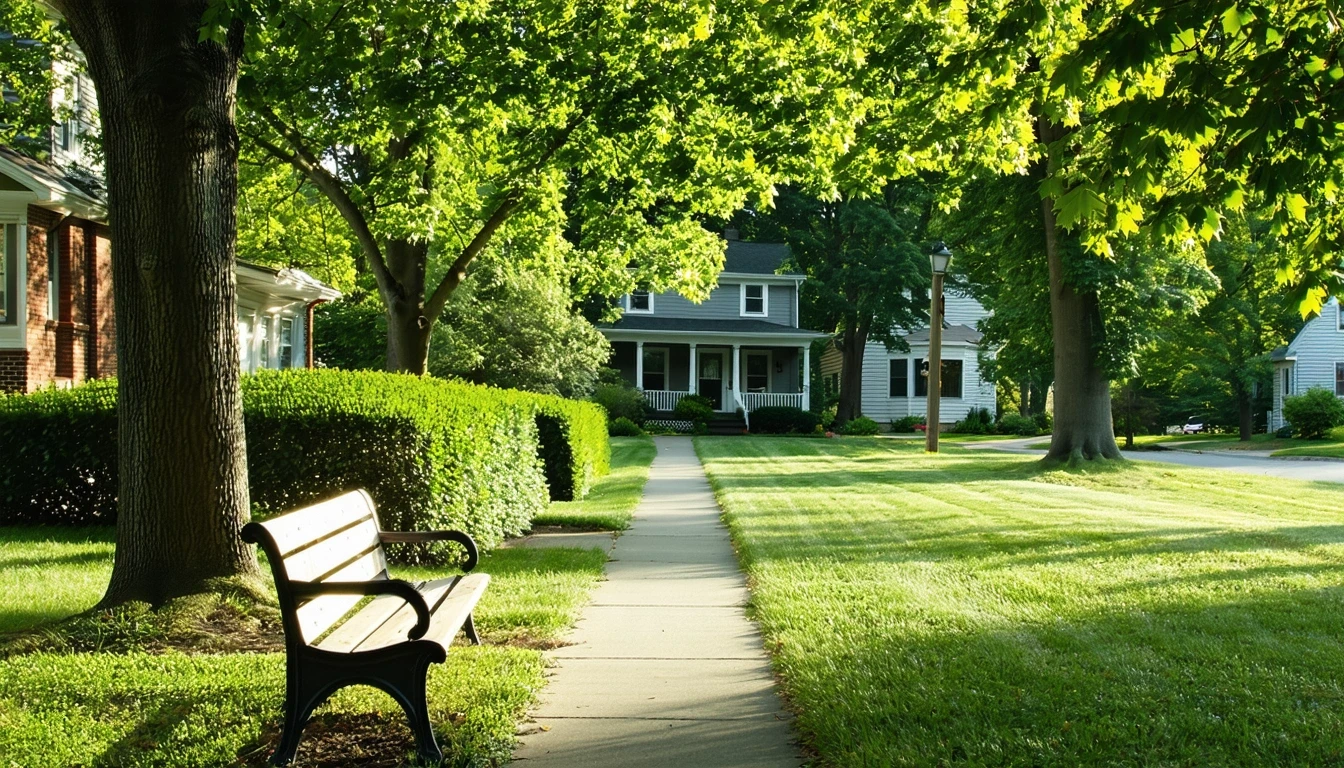
Ann Arbor and Canton offer distinct lifestyle experiences despite sitting in the same metro area. Ann Arbor functions as a college town and regional hub, with a downtown core that supports walking, dining, and cultural activity. The University of Michigan anchors the city’s identity, bringing arts venues, college sports, and a transient population that keeps the restaurant and retail scene dynamic. Neighborhoods near downtown and campus support car-free or car-light living, with rail transit connecting residents to the broader metro. Parks, water features, and green space integrate into the city’s layout, offering accessible outdoor options without requiring long drives. For singles, couples, and young professionals, Ann Arbor’s density and walkability reduce the friction of daily life—errands, dining, and socializing happen within short distances, and commutes to local jobs are manageable.
Canton operates as a quieter, family-oriented bedroom community with a suburban layout and larger lots. Recreation centers, chain restaurants, and shopping plazas serve daily needs, but most activities require driving. The city lacks the density and mixed-use character of Ann Arbor, which means fewer spontaneous options for dining, entertainment, or socializing within walking distance. Families with children often prefer Canton’s space, school access, and quieter streets, especially when household income can absorb the longer commutes and car dependence. The lifestyle trade is predictability and space over spontaneity and walkability. Canton’s lower density and car-oriented infrastructure make it harder to function without a vehicle, but the trade is more square footage, yard access, and a residential environment that feels less transient.
Lifestyle factors indirectly affect costs in both cities. Ann Arbor’s walkability and transit access reduce transportation costs and time cost, which matters for households managing tight schedules or trying to function with one vehicle. Canton’s larger housing stock and lower entry costs deliver more space per dollar, but the car-dependent layout increases fuel costs, vehicle maintenance, and time spent driving. For households prioritizing cultural activity, walkable dining, and shorter commutes, Ann Arbor’s lifestyle fits better even if housing costs more. For households prioritizing space, quieter streets, and lower housing entry costs, Canton’s lifestyle fits better even if transportation costs rise.
Ann Arbor median household income: $78,546 per year. Canton median household income: $113,609 per year. Canton’s higher median income reflects its role as a bedroom community attracting families and dual-income households who commute to higher-paying jobs in Ann Arbor, Detroit, or other metro centers. Ann Arbor’s lower median income reflects its college-town character, with a mix of students, university employees, and service-sector workers alongside professionals.
Frequently Asked Questions
Is Canton cheaper than Ann Arbor for families in 2026?
Canton offers lower housing entry costs—median home values and rents are lower—which makes it easier for families to access more space and yard access. However, Canton’s longer average commutes, higher share of long commutes, and car-dependent infrastructure increase transportation costs and time cost. Families with two working adults may find that Canton’s housing savings are offset by higher fuel costs, vehicle maintenance, and time spent commuting. The better choice depends on whether your household prioritizes lower upfront housing costs or reduced transportation friction and time cost.
How do commute times in Ann Arbor and Canton affect daily costs in 2026?
Ann Arbor’s 25-minute average commute and 12.4% long-commute share reflect its role as an employment center where many residents work locally. Canton’s 30-minute average commute and 25.5% long-commute share reflect its role as a bedroom community where residents commute to distant job centers. Longer commutes increase fuel costs, vehicle wear, and time spent driving, which shifts cost pressure from housing into transportation. Households managing tight schedules or trying to reduce car dependence may prefer Ann Arbor’s shorter commutes and transit access. Households prioritizing lower housing entry costs may accept Canton’s longer commutes if household income can absorb the transportation exposure.
Can you live in Ann Arbor without a car in 2026?
Yes, especially if you live near downtown, campus, or rail transit lines. Ann Arbor’s high pedestrian-to-road ratio, rail transit, and dense food and grocery establishment access support car-free or car-light living for singles and couples who work locally or use transit for commuting. Families with children may find it harder to function without a car due to school transportation, activities, and errands,