
How Grocery Costs Feel in San Marcos
Here’s a fun fact: between 2020 and 2024, U.S. grocery prices climbed more than 25%, making the weekly food run one of the sharpest reminders of inflation for American households. In San Marcos, TX, that pressure feels a bit more manageable than in many other parts of the country, thanks to a regional price environment that runs about 5% below the national average. But “below average” doesn’t mean grocery shopping is effortless—it means the squeeze is gentler, not absent. For households earning around the city’s median income of $47,394 per year, even modest swings in staple prices register quickly in the monthly budget, especially for families buying in volume or retirees managing fixed incomes.
Grocery costs in San Marcos aren’t defined by a single checkout experience. They’re shaped by which stores you choose, how far you’re willing to drive, and how tightly your household income aligns with your food needs. Singles and couples without children often find grocery spending predictable and controllable, while families with multiple mouths to feed feel the difference between discount and premium store tiers more acutely. The city’s grocery landscape is less dense than in larger metros, meaning fewer stores are within a quick detour of daily errands. That sparseness doesn’t make food unaffordable—it makes comparison shopping and spontaneous price-chasing harder, which shifts some of the cost burden onto planning and intentionality.
Understanding grocery pressure in San Marcos means recognizing that price tags are only part of the story. The real question is how much friction sits between your household and the food you need: how far you drive, how often you shop, and whether your income gives you the flexibility to ride out price swings or forces you to adjust your cart every week. For most residents, grocery costs feel stable but not invisible—present enough to notice, but not so high that they dominate what a budget has to handle.
Grocery Price Signals (Illustrative)
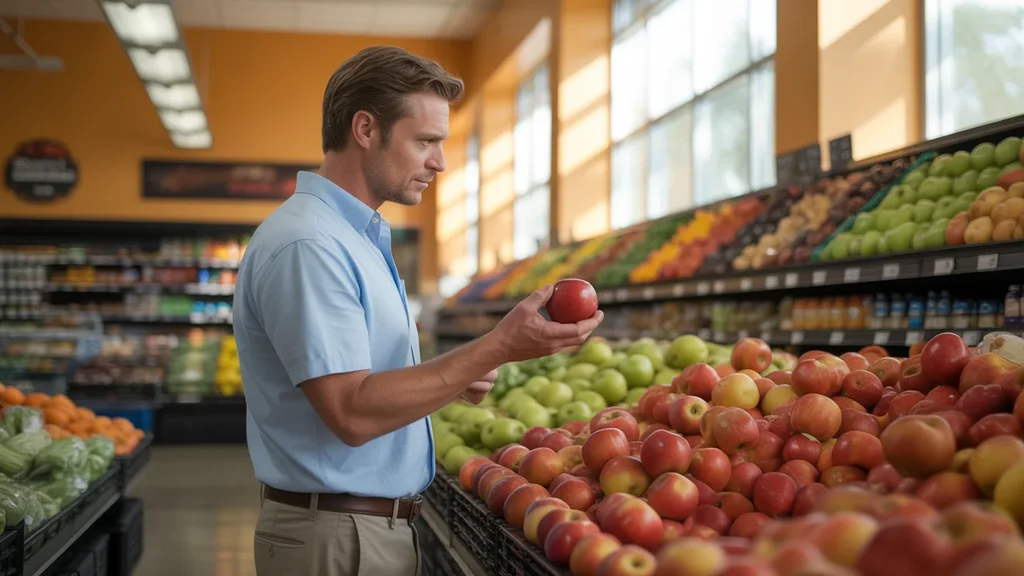
Item-level prices offer a useful lens for understanding how San Marcos compares regionally, even if they don’t reflect what any single shopper pays on any given week. These prices illustrate how staple items tend to compare locally—not a full shopping list, and not a guarantee of what you’ll find at checkout. They’re derived estimates, adjusted for regional cost patterns, and they help explain why grocery bills in San Marcos feel lighter than in higher-cost metros but not negligible for households watching every dollar.
| Item | Illustrative Price |
|---|---|
| Bread | $1.72/lb |
| Cheese | $4.54/lb |
| Chicken | $1.93/lb |
| Eggs | $2.23/dozen |
| Ground Beef | $6.37/lb |
| Milk | $3.86/half-gallon |
| Rice | $1.01/lb |
Derived estimate based on national baseline adjusted by regional price parity; not an observed local price.
These numbers show where San Marcos sits in the national grocery landscape: staples like rice, bread, and chicken land in the moderate range, while proteins like ground beef and dairy items like cheese reflect broader national price pressures that hit every region. The takeaway isn’t that these exact prices will appear on your receipt—it’s that San Marcos doesn’t carry the premium surcharge that coastal or high-density metros impose, but it also doesn’t offer the deep discounts sometimes available in rural areas with intense grocery competition. For families buying chicken, eggs, and milk every week, the difference between these prices and higher-cost alternatives compounds quickly. For singles or couples, the impact is gentler but still present.
Store Choice & Price Sensitivity
Grocery costs in San Marcos vary more by store tier than by any single “average” experience. Discount-tier stores—regional chains and no-frills grocers—offer the lowest unit prices and the least atmospheric polish, appealing to households prioritizing volume and value over convenience or selection. Mid-tier stores, including familiar national supermarkets, balance price, variety, and location accessibility, serving as the default for many families and working professionals. Premium-tier stores—organic-focused markets, specialty grocers, and upscale chains—charge noticeably more for the same staples but offer curated selection, prepared foods, and a shopping experience that feels less transactional.
For households earning near San Marcos’s median income, the gap between discount and premium tiers isn’t trivial. A family of four shopping exclusively at discount stores might spend meaningfully less per month than the same family buying the same items at a premium grocer, even before accounting for organic upgrades or prepared meal shortcuts. That difference doesn’t always show up in per-item comparisons—it accumulates across dozens of purchases, week after week. Singles and couples with tighter budgets often split their shopping: staples from discount stores, specialty items or convenience purchases from mid-tier chains, and premium stores reserved for occasional treats or specific dietary needs.
San Marcos’s grocery density is lower than in larger metros, meaning fewer stores compete within a small radius. That sparseness reduces the ability to chase weekly sales across multiple locations without adding significant drive time. Households that live near a preferred store enjoy convenience; those farther out face a tradeoff between proximity and price. The result is that store choice becomes less about optimizing every dollar and more about finding a sustainable routine that balances cost, time, and household priorities. Discount stores deliver the lowest prices, but if they’re 15 minutes farther than a mid-tier option, the time and fuel cost can erode some of that savings—especially for households shopping multiple times per week.
What Drives Grocery Pressure Here
Grocery pressure in San Marcos isn’t uniform—it’s distributed unevenly across household types, income levels, and shopping behaviors. The city’s median household income of $47,394 sits below the national median, meaning a larger share of household budgets goes toward non-discretionary expenses like food. For families with children, that income-to-need ratio tightens further: feeding multiple people on a modest income leaves less room to absorb price swings in staples like eggs, milk, or ground beef. When a dozen eggs jumps from $2.23 to $3.50 due to seasonal supply disruptions, a household buying two or three dozen per week feels that change immediately. Singles and couples without dependents experience the same price increases, but the absolute dollar impact is smaller, making it easier to adjust without restructuring the entire food budget.
Household size amplifies grocery sensitivity in ways that income alone doesn’t capture. A single professional earning $50,000 can absorb a 10% increase in grocery costs by trimming restaurant spending or delaying other discretionary purchases. A family of four earning the same amount has far less flexibility: food volume requirements don’t shrink just because prices rise, and substituting cheaper proteins or cutting fresh produce affects nutrition and satisfaction in ways that matter more when feeding children. San Marcos’s below-average regional price environment provides some relief, but it doesn’t eliminate the structural pressure that comes from feeding more people on less income.
Seasonal variability adds another layer of complexity. Produce prices fluctuate with growing seasons and weather disruptions, and protein costs shift with feed prices and supply chain conditions. San Marcos shoppers don’t face extreme seasonal swings compared to more isolated or climate-challenged regions, but they’re not insulated from national trends either. Winter months may bring higher prices for fresh vegetables, while summer heat can stress dairy and egg supplies regionally. Households that shop flexibly—adjusting menus based on what’s affordable each week—navigate these shifts more easily than those committed to fixed meal plans or specific dietary preferences. The ability to adapt is itself a form of economic cushion, one that’s easier to maintain when grocery store access and selection support it.
Practical Ways People Manage Grocery Costs
Managing grocery costs in San Marcos starts with store selection and shopping cadence. Households that consolidate trips to discount-tier stores reduce per-item costs but sacrifice some convenience and variety. Those who shop more frequently at mid-tier stores closer to home pay a bit more per unit but save time and fuel. The tradeoff isn’t purely financial—it’s about matching shopping behavior to household priorities and constraints. Families with predictable meal routines benefit from bulk buying and weekly planning, while singles or couples with variable schedules may find smaller, more frequent trips easier to manage, even if the per-unit cost is slightly higher.
Buying store brands instead of name brands delivers consistent savings without requiring coupons or sale-chasing. In most categories—canned goods, dairy, grains, frozen vegetables—store-brand quality is comparable, and the price gap can be significant over time. Households that default to store brands for staples and reserve name-brand purchases for items where quality or taste differences matter most find a sustainable middle ground. Seasonal produce buying also helps: purchasing what’s abundant and cheap each season reduces costs and often improves freshness and flavor. Frozen and canned alternatives extend that flexibility further, allowing households to stock up when prices dip without worrying about spoilage.
Meal planning reduces waste and impulse purchases, both of which inflate grocery bills without adding value. Households that plan a week’s worth of meals before shopping buy only what they need, avoid duplicate purchases, and use perishable items before they spoil. That discipline doesn’t require elaborate systems—a simple list based on planned dinners and breakfast staples is enough to cut unnecessary spending. Cooking at home instead of relying on prepared foods or restaurant meals compounds these savings, though the time and effort required aren’t trivial. For working parents or busy professionals, the convenience of pre-prepped ingredients or occasional takeout may be worth the extra cost, even if it increases the food budget. The goal isn’t perfection—it’s finding a rhythm that keeps costs manageable without turning grocery shopping into a second job.
Groceries vs Eating Out (Directional)
The tradeoff between cooking at home and eating out shapes grocery spending in ways that aren’t always obvious. Households that cook most meals at home see grocery costs rise but restaurant spending drop, often resulting in lower total food expenses. Those who eat out frequently—whether for convenience, social reasons, or lack of time—spend less on groceries but more overall, since restaurant meals carry labor, overhead, and profit margins that home cooking avoids. In San Marcos, where the cost of living runs slightly below the national average, restaurant prices tend to be moderate, but they’re still meaningfully higher per meal than home-cooked equivalents.
The decision isn’t purely financial. Cooking at home requires time, energy, and skill, all of which have value. A working parent who picks up takeout twice a week isn’t necessarily overspending—they’re trading money for time and mental bandwidth. A retiree with flexible schedules and cooking experience may find home meal preparation both economical and enjoyable. The key is recognizing that grocery costs and dining-out costs aren’t independent: reducing one often increases the other, and the right balance depends on household income, time constraints, and personal priorities. For families on tight budgets, cooking at home is usually the more sustainable path, but it’s not always the easiest one.
FAQs About Grocery Costs in San Marcos (2026)
Is it cheaper to shop in bulk in San Marcos? Bulk buying can reduce per-unit costs, especially for non-perishable staples like rice, canned goods, and household items, but it requires upfront cash and storage space. Families with predictable consumption patterns benefit most, while singles or couples may find that bulk purchases lead to waste if items spoil or go unused.
Which stores in San Marcos are best for low prices? Discount-tier stores and regional chains typically offer the lowest prices, focusing on value over ambiance or selection. Mid-tier supermarkets balance price and convenience, while premium grocers charge more for organic options, prepared foods, and curated variety. The “best” store depends on whether you prioritize absolute cost, proximity, or shopping experience.
How much more do organic items cost in San Marcos? Organic products generally carry a premium over conventional equivalents, though the gap varies by category and store. Produce, dairy, and meat see the largest premiums, while pantry staples like grains and canned goods show smaller differences. Households committed to organic eating should expect meaningfully higher grocery bills, especially when shopping at premium-tier stores.
How do grocery costs for two adults in San Marcos tend to compare to nearby cities? San Marcos benefits from a regional price environment that runs about 5% below the national average, making grocery costs modestly lower than in higher-cost metros like Austin. Compared to smaller or more rural Texas towns, San Marcos sits in the middle—not the cheapest, but not carrying the premium surcharge of larger urban centers.
How do households in San Marcos think about grocery spending when cooking at home? Most households view grocery spending as a controllable expense that responds to planning, store choice, and meal flexibility. Families with children focus on volume and value, often shopping at discount stores and cooking in bulk. Singles and couples prioritize convenience and variety, sometimes paying more per unit for smaller packages or prepared ingredients that save time.
Does San Marcos’s grocery accessibility affect how people shop? The city’s grocery density is lower than in larger metros, meaning fewer stores compete within a small radius. That sparseness makes spontaneous comparison shopping harder and encourages households to consolidate trips or stick with a preferred store. Residents farther from major grocery corridors may drive longer distances, which adds time and fuel costs to the grocery equation.
How do seasonal price swings affect grocery budgets in San Marcos? Produce prices fluctuate with growing seasons, and protein costs shift with national supply conditions. San Marcos shoppers experience these swings but aren’t hit as hard as more isolated or climate-vulnerable regions. Households that adjust menus based on what’s affordable each season navigate price variability more easily than those committed to fixed shopping lists.
How Groceries Fit Into the Cost of Living in San Marcos
Grocery costs in San Marcos represent a meaningful but not dominant share of household budgets. For most families, housing and utilities consume a larger portion of monthly income, but food spending is more visible and more frequent, making it feel more immediate. A household paying $1,200 per month in rent might spend $400 to $600 on groceries, depending on size, dietary preferences, and store choices. That grocery bill is smaller in absolute terms, but it’s also more variable and more responsive to household behavior, which makes it a natural focus for cost management.
Understanding how groceries interact with other expenses helps clarify where financial pressure really comes from. A family struggling with grocery costs may actually be dealing with a housing or income problem—food is just where the squeeze shows up first because it’s easier to adjust than a lease or a car payment. Conversely, a household with stable housing and low transportation costs may find grocery spending comfortable even on a modest income, because there’s room in the budget to absorb price swings or splurge occasionally on premium items. Groceries don’t exist in isolation; they’re part of a larger financial ecosystem that includes rent, utilities, transportation, and discretionary spending.
For readers trying to understand whether San Marcos fits their budget, grocery costs are one piece of a larger puzzle. This article explains how food prices feel and who feels pressure most, but it doesn’t simulate a full household budget or estimate total monthly spending. For that, see what a budget has to handle in San Marcos, which integrates groceries with housing, utilities, transportation, and other essentials to show how all the pieces fit together. The goal here is simpler: to help you understand whether grocery shopping in San Marcos will feel manageable, tight, or somewhere in between—and what levers you have to control that experience.
How this article was built: In addition to public economic data, this article incorporates location-based experiential signals derived from anonymized geographic patterns—such as access density, walkability, and land-use mix—to reflect how day-to-day living actually feels in San Marcos, TX.