
Troy is considered moderately priced in 2025, with average rent for a 2-bedroom apartment at $1,500 per month and overall living costs slightly above the national average.
Housing Costs in Troy
Housing is the biggest expense for most Troy residents. In 2025, the median rent for a 2-bedroom apartment in Troy is around $1,500 per month. Buying a home is also an option, with the typical price for a 3-bedroom single-family house hovering near $400,000. Costs vary by neighborhood, with areas closer to top-rated schools and I-75 commanding higher prices.
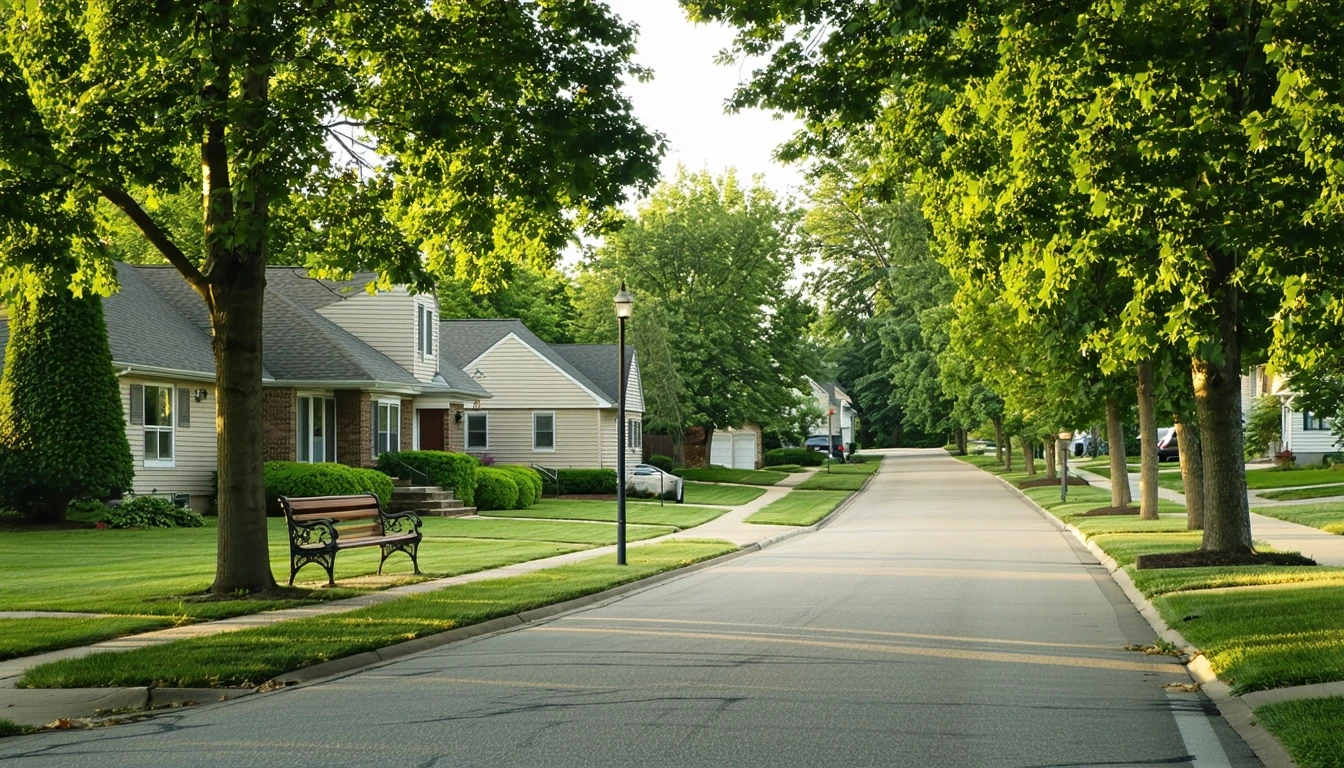
Many Troy neighborhoods are well-established, featuring tree-lined streets and single-family homes. Homeowners association (HOA) fees are common, typically adding $200-400 per month. These cover shared amenities and services like community pools, parks, and snow removal. Renters can expect to pay a security deposit equal to one month’s rent.
| Neighborhood | 2BR Rent | 3BR Home Price |
|---|---|---|
| Somerset Park | $1,700 | $450,000 |
| Sylvan Glen | $1,400 | $375,000 |
| Typical Range | $1,200-1,800 | $350,000-450,000 |
Utility Costs in Troy
Utility expenses are another key part of the cost of living in Troy. Residents can expect to pay around $150 per month for electricity, with costs spiking in the hot summer months due to air conditioning. Natural gas for heating adds about $50 monthly on average. Water, sewer, and trash collection are often covered by the city, but some neighborhoods pass these costs to residents, adding $50-75 per month.
Internet and cable packages start at $50 for basic service. Most homes are well-insulated, but harsh winters and humid summers lead to fluctuating energy bills. Many Troy residents invest in energy-efficient appliances and windows to manage utility costs.
| Utility | Avg Monthly Cost |
|---|---|
| Electricity | $150 |
| Natural gas | $50 |
| Water/sewer/trash | $50-75 |
| Internet | $50+ |
Groceries and Food in Troy
Groceries for a single adult in Troy typically cost $300-400 per month, while a couple’s food budget averages $600-800. Buying in bulk at stores like Costco or Sam’s Club is popular for families. The city has a mix of major chains and local specialty markets.
Here’s what a typical grocery basket might cost in Troy:
| Item | Price |
|---|---|
| Milk (1 gal) | $3.50 |
| Bread (1 loaf) | $2.50 |
| Eggs (1 doz) | $2.00 |
| Chicken (1 lb) | $4.00 |
| Produce (misc) | $20.00 |
Dining out is a treat, with entrees at most restaurants priced from $15-25. Fast-casual spots and pizza joints are more budget-friendly options. A meal for two at a mid-range eatery easily runs $50 or more, not including tip.
Taxes and Fees in Troy
Troy’s property tax rate is 1.58%, slightly higher than the national average. For a $400,000 home, that means an annual tax bill around $6,320. The sales tax in Troy is 6%, which applies to most goods and services except groceries and prescription medications.
Residents also face various municipal fees and hidden costs:
- Vehicle registration fees ($100-150/year)
- Pet licenses ($10-30/year)
- Parking permits in some areas ($20-50/year)
- Homeowners association dues ($200-400/month)
- Home alarm permit ($20-50 one-time)
Monthly Budget Summary for Troy
So what does it really cost to live in Troy? Here’s a sample monthly budget for three common household types:
| Expense | Single Adult | Couple | Family of 4 |
|---|---|---|---|
| Housing | $1,200 | $1,500 | $2,000 |
| Utilities | $200 | $250 | $400 |
| Groceries | $350 | $700 | $1,200 |
| Transportation | $300 | $500 | $800 |
| Taxes/Fees | $300 | $500 | $800 |
| Miscellaneous | $500 | $800 | $1,200 |
| Monthly Total | $2,850 | $4,250 | $6,400 |
Methodology: These 2025 estimates for Troy draw on publicly available national and regional sources including the U.S. Census Bureau, Bureau of Economic Analysis (BEA), Bureau of Labor Statistics (BLS), and Federal Reserve Economic Data (FRED). Where city-specific figures are unavailable, safe regional ranges are applied (e.g., typical 2BR rents, grocery costs per adult). All amounts are expressed as gross monthly income (pre-tax) and rounded to whole dollars. Actual expenses vary by household size, lifestyle, and neighborhood choice.
Lifestyle Factors in Troy
Troy offers a comfortable suburban lifestyle with easy access to Detroit (30-minute drive) and its major airport (45 minutes). Most households have at least one car, as public transit is limited. Traffic congestion is moderate, with an average one-way commute of 25 minutes.
The city’s many parks, trails, and golf courses provide ample recreation options. Choosing a home near these amenities or in a walkable neighborhood can reduce transportation costs and improve quality of life. However, housing prices are at a premium in the most desirable areas.
While Troy’s overall cost of living is higher than the national average, many residents feel the excellent schools, safe neighborhoods, and strong job market are worth the expense. Families with children should budget extra for child care, extracurricular activities, and college savings.
Frequently Asked Questions
Is Troy more affordable than Ann Arbor?
While housing costs are similar, Troy tends to be slightly more affordable than Ann Arbor across categories like utilities, groceries, and transportation. However, Ann Arbor offers certain advantages, like a walkable downtown and University of Michigan access, that some may value more.
What salary do you need to live comfortably in Troy?
A household income around $75,000 (equivalent to $6,250 gross per month) is a good benchmark for a comfortable lifestyle in Troy as of 2025. This allows for a decent apartment or starter home, reliable transportation, and the ability to enjoy restaurants and entertainment while saving for the future.
How much does a single person spend on groceries in Troy?
A single adult in Troy typically spends $300-400 per month on groceries. Cooking most meals at home, buying generic or store brands, and minimizing meat consumption can help keep this budget in check.
Are property taxes higher in Troy than Rochester Hills?
Property tax rates in Troy and Rochester Hills are very similar. Troy’s rate is 1.58%, while Rochester Hills’ is 1.62%. For a $400,000 home, that equates to a difference of just $160 per year.
What are the top 3 costs that surprise people moving to Troy?
- Heating costs in winter, due to the cold Michigan climate
- Vehicle registration and insurance fees, which are pricey in Michigan
- Homeowners association dues in many neighborhoods, often $200-400/month
How much should I budget for utilities in Troy?
Plan on spending $200-300 per month for basic utilities like electricity, natural gas, water/sewer, and internet in a Troy apartment. Larger homes will run $400 or more. Keep in mind that heating and cooling costs fluctuate seasonally.
Is Troy a good place to retire?
While the cost of living is a bit higher than the national average, Troy can be an attractive retirement spot. Reasons include the low crime rate, abundant parks and golf courses, quality health care, and Michigan’s moderately tax-friendly policies for retirees. However, harsh winters may be a drawback for some.