

Most people assume Livonia costs more across the board because home values run higher—but that myth ignores how cost pressure actually distributes across households in 2026. Dearborn and Livonia sit in the same Detroit metro, share the same regional price environment, and face identical electricity rates and unemployment conditions. Yet the two cities produce very different cost experiences depending on what dominates your household budget: housing entry barriers, transportation flexibility, or the cushion your income provides against everyday volatility. The decision between them isn’t about which city is cheaper—it’s about which cost structure aligns with where your household is most exposed.
Both cities appeal to people weighing suburban stability against access to Detroit’s economic center, but they do so in structurally different ways. Dearborn offers lower rent and home prices alongside rail transit access, which matters for households sensitive to transportation friction and upfront housing costs. Livonia commands higher housing prices but comes with a substantially higher median household income baseline, a low-rise residential character, and bus-only transit that assumes car ownership. For families, young professionals, and retirees, the trade-off isn’t just about dollars—it’s about whether your income, commute pattern, and daily logistics align with each city’s cost and infrastructure reality.
This article breaks down how housing, utilities, groceries, transportation, and taxes behave differently in Dearborn and Livonia in 2026, using only observed data and place-based reasoning. It explains where cost pressure concentrates, which households feel it most, and how the same gross monthly income can feel stable in one city and tight in the other—without declaring a universal winner or calculating total cost of living.
Housing Costs: Entry Barrier vs Income Cushion
Housing costs in Dearborn and Livonia differ not just in price, but in what those prices mean for household entry and ongoing financial flexibility. Dearborn’s median home value sits at $189,400, while Livonia’s reaches $249,000—a substantial gap that shapes who can enter each market and how much income remains after housing obligations. Median gross rent in Dearborn stands at $1,205 per month, compared to $1,235 per month in Livonia, a smaller differential that narrows the renter experience but still reflects Livonia’s higher baseline housing costs. These numbers don’t exist in isolation: Dearborn’s median household income is $64,600 per year, while Livonia’s is $92,458 per year, meaning Livonia households typically earn significantly more to offset the higher housing entry point.
For renters, the cost difference between the two cities feels modest on a monthly basis, but the income gap changes how much flexibility remains after rent. A household earning closer to Dearborn’s median income will find rent consumes a larger share of gross monthly income, leaving less room for transportation, utilities, and discretionary spending. In Livonia, the higher rent is more easily absorbed by the higher income baseline, which creates more breathing room for households managing variable costs like groceries, gas, and seasonal utility swings. Renters in Dearborn may face tighter month-to-month budgets, while renters in Livonia experience less pressure from housing but must still contend with the expectation of car ownership and the transportation costs that follow.
For buyers, the difference becomes more pronounced. Dearborn’s lower home values reduce the down payment requirement and the size of the mortgage, making homeownership accessible to households with less accumulated savings or lower incomes. Livonia’s higher home values demand more upfront capital and a larger monthly mortgage obligation, but the city’s income profile suggests that many households shopping in Livonia are better positioned to handle that entry barrier. The trade-off isn’t just about affordability in a vacuum—it’s about whether a household prioritizes lower entry costs and accepts tighter ongoing flexibility, or pays more upfront to preserve income cushion and long-term predictability. Both cities offer single-family homes and some apartment stock, but Livonia’s low-rise residential character and larger lot sizes appeal to families seeking space, while Dearborn’s mixed building heights and denser pockets offer more variety for households prioritizing proximity and transit access.
Housing takeaway: Dearborn fits households where housing entry cost is the primary barrier—renters stretching toward ownership, single adults, or young families with limited savings. Livonia fits households where income cushion matters more than minimizing entry cost—dual-income couples, established families, or retirees who can absorb higher home values in exchange for residential stability and space. The decision hinges on whether your household is more exposed to upfront costs or ongoing income volatility.
Utilities and Energy Costs: Identical Rates, Different Exposure
Utility costs in Dearborn and Livonia start from the same baseline: both cities face an electricity rate of 19.94¢/kWh, reflecting their shared position in Michigan’s energy grid. Natural gas prices differ slightly—$10.66/MCF in Dearborn and $11.89/MCF in Livonia—but the real driver of utility cost pressure isn’t the rate, it’s how housing stock, home size, and household behavior interact with Michigan’s long heating season and moderate cooling demands. Both cities experience cold winters that push natural gas usage higher from November through March, and both see summer electricity use rise as air conditioning runs through July and August. The question isn’t whether utilities cost more in one city or the other—it’s which households feel more exposure based on home type, age, and size.
Dearborn’s mixed building heights and denser residential pockets mean more households live in apartments or attached housing, which typically reduces heating and cooling exposure compared to detached single-family homes. Smaller units and shared walls lower the surface area exposed to temperature swings, making utility bills more predictable and less volatile across seasons. Livonia’s low-rise, single-family residential character means more households occupy larger, detached homes with greater square footage to heat and cool. Older housing stock in both cities can amplify exposure if insulation, windows, or HVAC systems haven’t been updated, but Livonia’s larger homes magnify that risk simply because there’s more space to condition. Households in newer construction or well-maintained homes will see lower seasonal swings, but those in older or larger homes should expect heating costs to dominate winter bills and cooling costs to rise in summer.
For single adults and couples in smaller apartments, utility costs remain manageable and predictable in both cities, with electricity and gas bills fluctuating modestly with the seasons. Families in larger homes—especially in Livonia—face more pronounced seasonal volatility, particularly if the home is older or poorly insulated. The slightly higher natural gas price in Livonia adds incremental pressure during heating months, but the bigger factor is home size and efficiency. Households that prioritize energy efficiency upgrades, programmable thermostats, and seasonal usage management can reduce exposure in both cities, but the baseline reality is that larger homes in Livonia create more utility cost surface area than smaller units in Dearborn.
Utility takeaway: Dearborn households in apartments or smaller homes experience lower utility volatility and more predictable bills. Livonia households in larger, detached single-family homes face higher seasonal exposure, especially during Michigan’s heating season. The difference is driven more by housing type and size than by rate differentials, meaning households sensitive to utility volatility should weigh home characteristics as carefully as location.
Groceries and Daily Expenses: Access, Habits, and Price Sensitivity
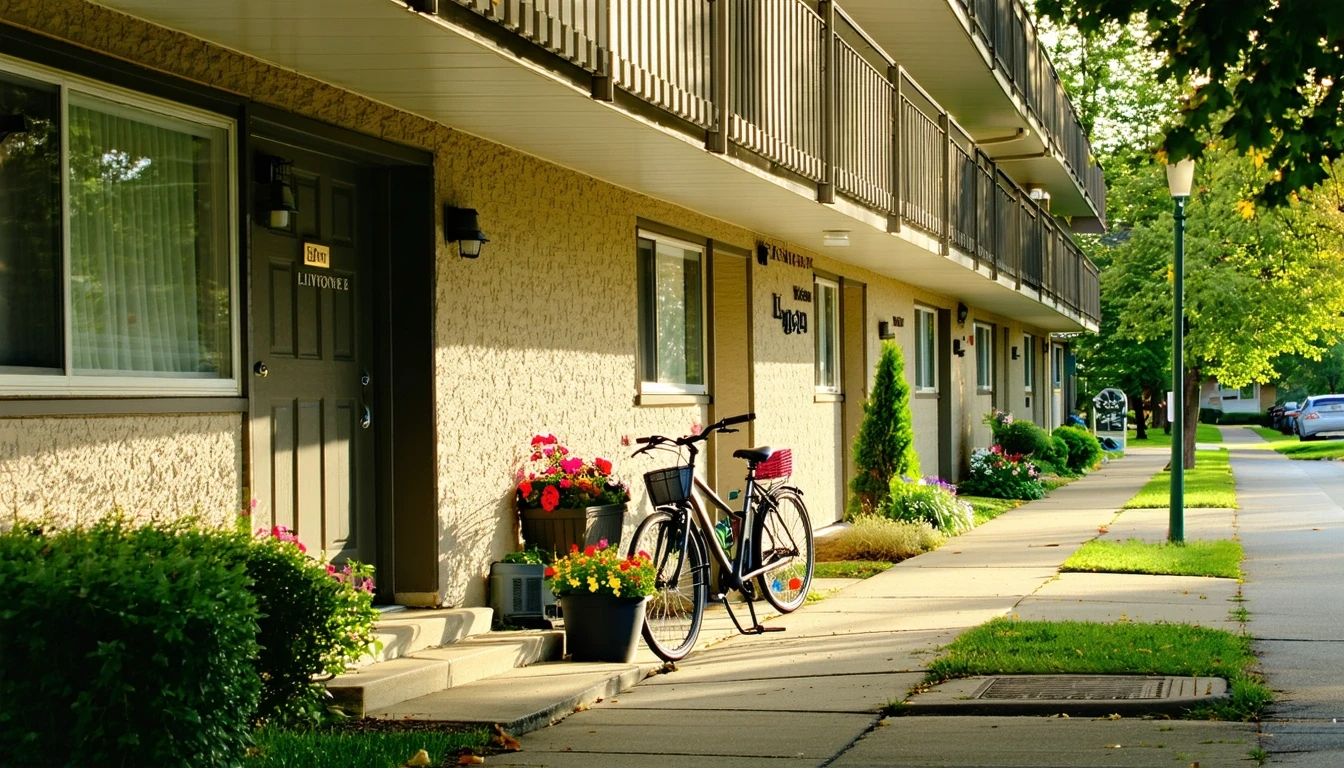
Grocery and daily expense pressure in Dearborn and Livonia reflects less about price differences and more about access patterns, household size, and how often convenience spending creeps into the budget. Both cities fall within the same regional price environment, with a regional price parity index of 98, meaning grocery prices track closely to the national baseline. The real variation comes from how households shop, where they shop, and how much flexibility they have to plan around sales, bulk buying, and meal preparation versus grabbing takeout or dining out when time runs short.
Dearborn’s corridor-clustered food and grocery access means that while grocery density is high in certain areas, households may need to travel to specific corridors to access a full range of options. The city’s college-town character and denser residential pockets support a mix of small grocers, ethnic markets, and quick-service dining, which can lower costs for households comfortable shopping across multiple stores or cooking at home. Livonia’s corridor-clustered grocery access follows a similar pattern, but the city’s low-rise, car-oriented layout and retirement-city designation suggest more reliance on larger supermarkets and big-box retailers that offer predictable pricing and one-stop convenience. Both cities provide access to major grocery chains, discount grocers, and specialty stores, but the ease of reaching them and the frequency of convenience purchases can shift monthly spending significantly.
For single adults, grocery costs remain modest in both cities, especially for those who cook at home and shop strategically. Dearborn’s walkable pockets and rail transit access make it easier for some households to run errands without a car, reducing the friction of frequent grocery trips. Livonia’s bus-only transit and low-rise form assume car ownership, meaning grocery trips are typically bundled into larger, less frequent shopping runs. Couples and small families in both cities can manage grocery costs effectively by planning meals, buying in bulk, and minimizing dining out, but the temptation to grab takeout or eat out rises when schedules tighten or commutes lengthen. Larger families face more pressure in both cities simply because volume drives costs—more mouths to feed, more frequent trips, and less flexibility to wait for sales or substitute ingredients.
Convenience spending—coffee runs, takeout lunches, household essentials picked up at convenience stores rather than planned grocery trips—adds up faster in households with less time flexibility or longer commutes. Dearborn’s denser layout and transit access can reduce some of that friction, while Livonia’s car-dependent structure makes every errand a deliberate trip, which can either encourage better planning or lead to more frequent quick stops at higher-priced locations. The difference isn’t dramatic, but it compounds over time, especially for households already stretched thin by housing or transportation costs.
Grocery takeaway: Dearborn fits households that value walkable access, frequent small trips, and the ability to shop across multiple stores without a car. Livonia fits households that prefer car-based, one-stop grocery runs and have the time and income flexibility to plan around bulk buying and meal prep. The primary cost driver isn’t price—it’s how much time, transportation access, and household size shape shopping habits and convenience spending.
Taxes and Fees: Predictability and Structural Differences
Taxes and fees in Dearborn and Livonia don’t just add to monthly obligations—they shape how predictable and controllable household costs feel over time. Both cities sit in Michigan, which means they share the same state-level tax structure, including state income tax and sales tax. The differences emerge at the local level, where property taxes, city fees, and special assessments vary based on home value, local services, and municipal funding priorities. For homeowners, property taxes represent the largest ongoing tax obligation, and the difference in median home values between Dearborn and Livonia translates directly into different property tax bills, even if millage rates are similar.
Dearborn’s lower median home value of $189,400 means property tax obligations start from a lower assessed value, reducing the annual tax burden for homeowners. Livonia’s higher median home value of $249,000 pushes property tax bills higher, even if the effective millage rate is comparable. For households planning to stay long-term, this difference compounds year after year, making Livonia’s higher housing entry cost extend beyond the mortgage into ongoing tax obligations. Renters in both cities don’t pay property taxes directly, but landlords pass those costs through in rent, meaning the difference is baked into the rental market even if it’s not itemized on a lease.
Local fees—trash collection, water and sewer, parking permits, and special assessments for infrastructure improvements—vary by city and can add meaningful monthly obligations. Some neighborhoods in both cities may have homeowners association (HOA) fees that bundle services like landscaping, snow removal, or shared amenities, which can either simplify budgeting or add another layer of fixed costs. Households in newer developments or planned communities are more likely to encounter HOA fees, while older neighborhoods typically rely on city services with fewer bundled charges. The predictability of these fees matters as much as their size: fixed monthly charges are easier to plan around than variable assessments or surprise infrastructure levies.
For homeowners, the tax and fee structure in Dearborn offers lower baseline obligations tied to lower home values, making it easier to manage ongoing costs on a tighter income. Livonia’s higher home values push property taxes higher, but the city’s higher median income baseline means most households can absorb that difference without destabilizing their budget. Renters in both cities feel the indirect impact of property taxes through rent levels, but the difference is less pronounced than for owners. Long-term residents in either city should expect property taxes to adjust over time as home values shift, but the direction and magnitude depend on local market conditions and municipal budget priorities, not just statewide trends.
Tax and fee takeaway: Dearborn fits households where lower property tax obligations and baseline fees matter more than income cushion—first-time buyers, single-income families, or households stretching to afford ownership. Livonia fits households where higher income offsets higher property taxes and fees, and where predictability and residential stability justify the higher ongoing cost. The primary difference is whether your household is more exposed to baseline tax obligations or better positioned to absorb them as part of a larger, more stable income picture.
Transportation and Commute Reality
Transportation costs and commute patterns in Dearborn and Livonia hinge less on gas prices—which sit at $2.83/gal in Dearborn and $2.95/gal in Livonia—and more on how daily mobility works in each city. Both cities show high pedestrian-to-road ratios and walkable pockets, meaning certain neighborhoods support walking for errands and local trips. But the transit infrastructure diverges sharply: Dearborn offers rail transit access, which provides a car-free option for commuting to Detroit or accessing regional destinations, while Livonia relies on bus-only service, which assumes most households own and use a car for daily logistics.
For households working in Detroit or other parts of the metro, Dearborn’s rail access reduces the friction and cost of commuting without a car. Single adults, couples, or young professionals who prioritize lower transportation costs and don’t want to manage car ownership, insurance, and maintenance can rely on rail for work trips and use walking or cycling for local errands. Livonia’s bus service exists, but the city’s low-rise, car-oriented layout and limited transit frequency make bus commuting less practical for most households. The result is that Livonia households typically own at least one car, and often two for dual-income couples or families, which adds insurance, maintenance, registration, and fuel costs to the monthly budget.
Both cities show some cycling infrastructure in limited areas, but neither is a true bike city. Cycling works for recreational trips or short errands in favorable weather, but Michigan winters and the car-oriented design of most corridors mean cycling isn’t a reliable year-round transportation mode for most households. Walkability exists in pockets—Dearborn’s denser areas and Livonia’s neighborhood centers—but both cities assume most households will drive for grocery trips, appointments, and errands beyond the immediate neighborhood. The difference is that Dearborn offers a viable alternative for commuting, while Livonia does not.
For families, the transportation calculus shifts toward time and logistics rather than cost alone. Dearborn’s rail access matters less if both adults work locally or have flexible schedules, and the city’s walkable pockets make school drop-offs and errands more manageable without constant driving. Livonia’s car dependence becomes a given, but the trade-off is that the city’s layout and parking availability make car-based logistics straightforward and predictable. Households with multiple drivers, irregular schedules, or kids in activities will find Livonia’s car-oriented design easier to navigate, even if it costs more in fuel, insurance, and maintenance.
Transportation takeaway: Dearborn fits households that value rail transit access, want to minimize car dependence, or prioritize walkable errands in denser neighborhoods. Livonia fits households that assume car ownership, prioritize ease of driving and parking, and don’t rely on transit for commuting. The cost difference isn’t just fuel—it’s whether your household can avoid or reduce car ownership entirely, or whether you’re paying for the convenience and predictability of car-based mobility.
Cost Structure Comparison
Housing dominates the cost experience in both Dearborn and Livonia, but the nature of that dominance differs. Dearborn’s lower home values and rent levels reduce the upfront barrier to entry, making it easier for households with less savings or lower incomes to secure housing. Livonia’s higher home values and rent create a steeper entry cost, but the city’s substantially higher median household income means most residents can absorb that difference without destabilizing their budget. The trade-off isn’t about which city is cheaper—it’s about whether your household is more exposed to entry barriers or ongoing income volatility.
Utilities introduce similar seasonal exposure in both cities, but housing type amplifies the difference. Dearborn’s mixed building heights and denser residential pockets mean more households live in apartments or smaller homes, which reduces heating and cooling surface area and makes utility bills more predictable. Livonia’s low-rise, single-family character means more households occupy larger, detached homes, which increases seasonal utility volatility, especially during Michigan’s long heating season. The slightly higher natural gas price in Livonia adds incremental pressure, but the bigger factor is home size and efficiency, not rate differentials.
Groceries and daily expenses track closely in both cities, with the same regional price environment and similar corridor-clustered access to food and grocery options. The difference lies in how households shop and how much convenience spending creeps into the budget. Dearborn’s walkable pockets and rail transit access reduce the friction of frequent small trips, which can lower costs for households comfortable shopping across multiple stores. Livonia’s car-oriented layout encourages larger, less frequent grocery runs, which can either support better planning or lead to more convenience purchases when time runs short. Neither city imposes dramatically higher grocery costs, but household size, income flexibility, and time constraints shape how much families actually spend.
Transportation patterns matter more in Livonia, where car ownership is effectively required and households must budget for fuel, insurance, maintenance, and registration. Dearborn offers rail transit access, which provides a viable alternative for commuting and reduces the need for car ownership in some households. For families or dual-income couples, the transportation difference compounds: Livonia assumes at least one car and often two, while Dearborn allows some households to function with one car or none. The cost difference isn’t just gas prices—it’s the fixed costs of owning and maintaining a vehicle, which add up regardless of how much you drive.
Taxes and fees follow housing values, meaning Dearborn’s lower property tax baseline offers more predictability for households on tighter incomes, while Livonia’s higher property taxes reflect higher home values and are more easily absorbed by households earning closer to the city’s median income. For renters, the difference is indirect but real, as landlords pass property tax costs through in rent. For homeowners, the gap compounds over time, making Livonia’s higher entry cost extend into ongoing obligations that require a stable, higher income to manage comfortably.
The better choice depends on which costs dominate your household. Households sensitive to housing entry barriers, transportation flexibility, and baseline tax obligations may prefer Dearborn, where lower upfront costs and transit access reduce pressure on tighter incomes. Households sensitive to income cushion, residential stability, and space may prefer Livonia, where higher costs are offset by higher incomes and the city’s low-rise, car-friendly layout supports predictable, car-based logistics. The decision is less about which city costs less overall and more about which cost structure aligns with where your household is most exposed.
How the Same Income Feels in Dearborn vs Livonia
Single Adult
For a single adult, Dearborn’s lower rent and rail transit access make it easier to secure housing and avoid car ownership, which matters when income is limited and flexibility is tight. Rent becomes the non-negotiable cost, followed by utilities, groceries, and transportation—but the ability to skip car insurance and maintenance creates meaningful breathing room. Livonia’s higher rent and car dependence push more income toward fixed obligations, leaving less flexibility for discretionary spending or savings. The trade-off is that Livonia’s higher median income baseline suggests most single adults working locally earn enough to absorb those costs, while Dearborn’s lower income baseline means every fixed cost hits harder.
Dual-Income Couple
For a dual-income couple, the income differential between Dearborn and Livonia becomes the dominant factor. Dearborn’s lower housing costs matter less if both partners earn steady incomes, and the rail transit access offers flexibility for one partner to commute without a car. Livonia’s higher housing costs and car dependence assume both partners earn closer to the city’s median income, which creates more cushion for managing utilities, groceries, and transportation. Flexibility exists in both cities, but it shows up differently: Dearborn offers lower baseline costs and transit options, while Livonia offers higher income and predictable car-based logistics. The decision hinges on whether the couple prioritizes minimizing fixed costs or maximizing income cushion.
Family with Kids
For families, housing entry cost and space needs dominate the decision. Dearborn’s lower home values make ownership more accessible, but the city’s denser layout and mixed building heights mean less yard space and more reliance on parks and shared green space. Livonia’s higher home values demand more upfront capital, but the city’s low-rise, single-family character offers larger lots and more residential stability. Non-negotiable costs for families include housing, utilities, groceries, and transportation—and the volume of those costs scales with household size. Flexibility disappears first in Dearborn if income doesn’t keep pace with housing and transportation needs, while Livonia’s higher income baseline provides more cushion but assumes both parents earn steadily and own at least one car.
Decision Matrix: Which City Fits Which Household?
| Decision factor | If you’re sensitive to this… | Dearborn tends to fit when… | Livonia tends to fit when… |
|---|---|---|---|
| Housing entry + space needs | You prioritize lower upfront costs and can trade space for access | You need lower entry barriers and can accept denser housing or smaller lots | You can afford higher entry costs and prioritize larger homes and residential stability |
| Transportation dependence + commute friction | You want to minimize car ownership or rely on transit for commuting | You value rail access and walkable errands in denser pockets | You assume car ownership and prioritize ease of driving and parking |
| Utility variability + home size exposure | You want predictable utility bills and lower seasonal volatility | You live in an apartment or smaller home with lower heating and cooling surface area | You occupy a larger, detached home and can absorb higher seasonal utility swings |
| Grocery strategy + convenience spending creep | You want walkable access and flexibility to shop frequently without a car | You value corridor-clustered access and can shop across multiple stores | You prefer car-based, one-stop grocery runs and have time to plan around bulk buying |
| Fees + friction costs (HOA, services, upkeep) | You want lower baseline property taxes and fewer bundled fees | You prioritize lower ongoing tax obligations tied to lower home values | You can absorb higher property taxes and fees as part of a stable, higher income |
| Time budget (schedule flexibility, errands, logistics) | You need to minimize time spent on transportation and errands | You value walkable errands and rail transit for commuting without constant driving | You prioritize car-based logistics and predictable, straightforward driving access |
Lifestyle Fit: How Daily Life Feels Different
Lifestyle differences between Dearborn and Livonia extend beyond cost structure into how daily life actually feels—how you move through your day, where you spend time, and what trade-offs you accept in exchange for convenience, space, or access. Dearborn’s denser layout, rail transit access, and corridor-clustered errands create a rhythm that favors households comfortable with walkable pockets, frequent small trips, and reliance on public transit for commuting. The city’s college-town character and mixed building heights mean more variety in housing types, more foot traffic in commercial corridors, and more options for households that don’t want to drive everywhere. Parks and green space are integrated throughout the city, with water features adding to the outdoor environment, making it easier to access recreation without needing a car or dedicating weekend time to long drives.
Livonia’s low-rise, single-family residential character and car-oriented layout produce a different daily experience. The city’s retirement-city designation and higher median income baseline suggest a more settled, residential atmosphere, with larger lots, quieter streets, and less density. Errands and groceries require driving, but parking is abundant and traffic is predictable, making car-based logistics straightforward. Parks and green space are similarly integrated, with water features present, but accessing them typically involves a short drive rather than a walk from home. For families seeking space, predictability, and a more traditional suburban layout, Livonia offers exactly that—at the cost of requiring car ownership and accepting less transit flexibility.
Both cities offer access to Detroit’s cultural, employment, and entertainment options, but the ease of that access differs. Dearborn’s rail transit makes it simpler to commute downtown or reach regional destinations without driving, which matters for households that work in Detroit or want to avoid parking costs and traffic. Livonia’s bus service exists but isn’t practical for daily commuting, meaning most residents drive to Detroit or other parts of the metro, which adds time and cost but offers more control over schedule and route. For households that work locally or have flexible schedules, the transit difference matters less, but for those commuting daily, it shapes how much time and money transportation consumes.
Quick facts: Dearborn offers rail transit access and walkable pockets, making it easier to function without a car in certain neighborhoods. Livonia’s low-rise, single-family layout and abundant parking make car-based logistics predictable and straightforward, but assume ownership of at least one vehicle.
Quick facts: Both cities provide integrated green space and parks, with water features present, but Dearborn’s denser layout makes outdoor access more walkable, while Livonia’s layout assumes short drives to reach parks and recreation areas.
Frequently Asked Questions
Is Dearborn or Livonia cheaper for renters in 2026?
Dearborn’s median gross rent of $1,205 per month is slightly lower than Livonia’s $1,235 per month, but the difference is modest. The bigger factor is income: Dearborn’s median household income is $64,600 per year, while Livonia’s is $92,458 per year, meaning Livonia renters typically have more income cushion to absorb rent and other costs. Dearborn fits renters prioritizing lower baseline rent and transit access, while Livonia fits renters with higher incomes who can absorb slightly higher rent in exchange for more residential space and car-friendly logistics.
Which city has lower housing entry costs for first-time buyers in 2026?
Dearborn’s median home value of $189,400 is substantially lower than Livonia’s $249,000, making Dearborn the better fit for first-time buyers with limited savings or lower incomes. The lower home value reduces the down payment requirement and the size of the mortgage, making ownership more accessible. Livonia’s higher home values demand more upfront capital but come with a higher median income baseline,