
Before signing a lease or closing on a home in Dearborn, most newcomers check rent or mortgage costs—but overlook three critical details: whether trash is billed separately, how water fees scale with usage, and what winter heating actually costs when temperatures drop to 11°F.
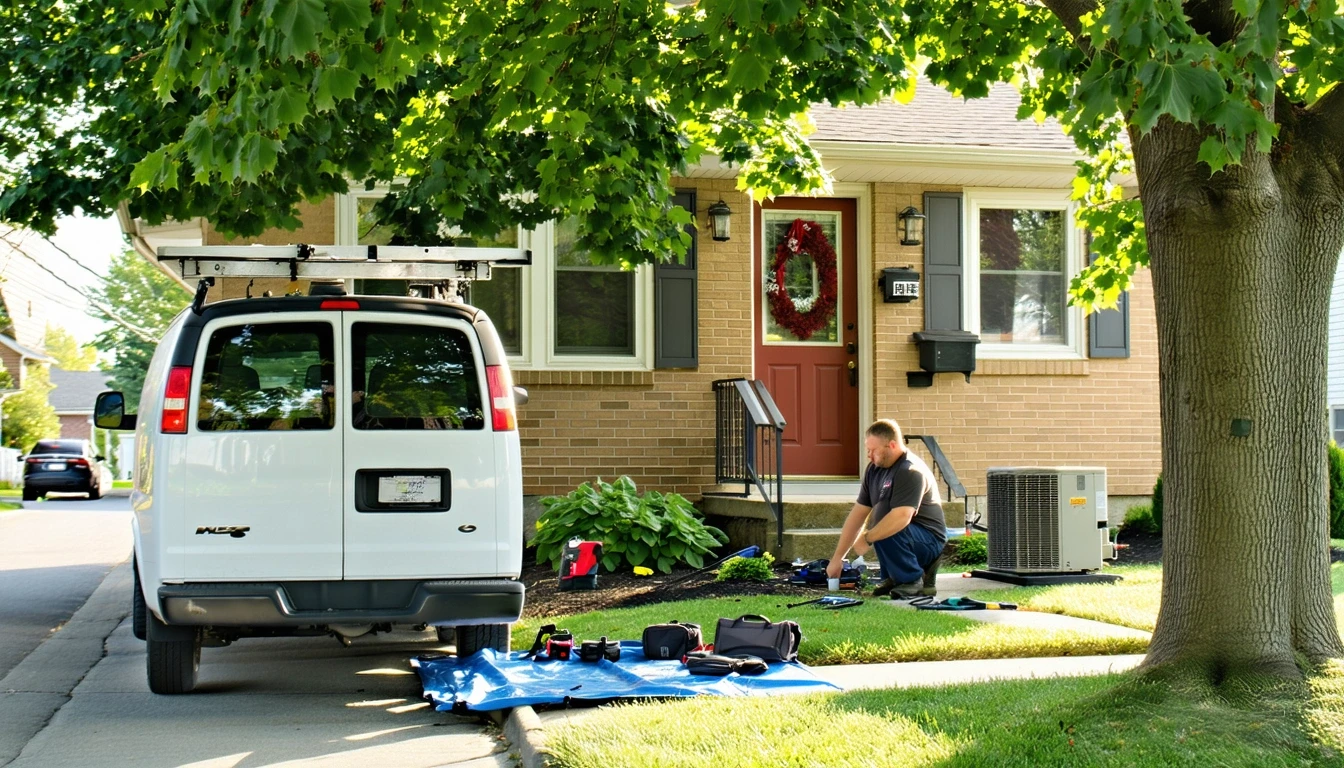
Understanding Utilities in Dearborn
Utilities cost in Dearborn reflects a mix of Midwest climate exposure, regional pricing structures, and household-specific usage patterns. For most households, utilities represent the second-largest fixed expense after housing, yet they’re often underestimated during the planning phase. Unlike rent, which stays constant month to month, utility bills fluctuate with weather, occupancy, and home efficiency—making them harder to predict but critical to budget for accurately.
In Dearborn, the core utilities typically include electricity, natural gas, water, and trash collection. Some apartment complexes and homeowners associations bundle one or more of these services into monthly fees, while single-family home residents usually manage each account separately. The distinction matters: bundled utilities can simplify budgeting but may obscure individual cost drivers, while separate billing gives households more control over usage and exposure.
For movers, the transition from one housing type to another often reveals hidden cost differences. An apartment dweller accustomed to included water and trash may face a sharp adjustment when moving to a single-family home where every gallon and bin is metered. Similarly, households relocating from milder climates may underestimate how much Dearborn’s cold winters and humid summers drive up heating and cooling costs. Understanding the structure of utilities in Dearborn—not just the rates—helps new residents avoid budget surprises and make smarter tradeoffs between housing types.
Utilities at a Glance in Dearborn
The table below shows how core utility costs typically behave for a mid-size household in a single-family home in Dearborn. Where city-level prices are available in the data feed, they are shown directly. When exact figures are not provided, categories are described qualitatively to reflect how costs are structured and what drives variability.
| Utility | Cost Structure |
|---|---|
| Electricity | 19.94¢/kWh; illustrative monthly usage of 1,000 kWh suggests ~$199 before fees (usage-sensitive, seasonal) |
| Water | Tiered pricing; usage-dependent, varies by provider and neighborhood |
| Natural Gas | $10.66/MCF; illustrative winter usage of 1 MCF/month suggests ~$11 before fees (heating-driven, winter-intensive) |
| Trash & Recycling | Typically bundled with water or HOA; structure varies by provider |
| Total | Seasonal variability driven by electricity and heating; structure-dependent rather than fixed |
This table reflects utility cost structure for a mid-size household in a single-family home in Dearborn during 2026. Where exact figures are not provided in the IndexYard data feed, categories are described directionally to reflect how costs behave rather than a receipt-accurate total.
Electricity in Dearborn is billed at 19.94 cents per kilowatt-hour, which sits close to the regional average for Michigan. What drives the bill higher or lower is usage intensity: air conditioning during humid summer stretches, electric heating in older homes, and always-on appliances like refrigerators and water heaters. Households in well-insulated homes with programmable thermostats tend to see steadier bills, while those in older housing stock or larger square footage face more volatility. Electricity is typically the most exposure-sensitive utility in Dearborn, driven more by climate and home efficiency than by base rates.
Water costs in Dearborn are structured on tiered pricing, meaning the more you use, the higher the per-unit rate climbs. This makes water bills relatively predictable for small households but more variable for families with irrigation systems, multiple bathrooms, or older plumbing. Because water is often bundled with sewer and stormwater fees, the line item on your bill may appear higher than the water usage alone would suggest. Neighborhoods with separate municipal providers may see different rate structures, so it’s worth confirming the billing model before move-in.
Natural gas in Dearborn is priced at $10.66 per thousand cubic feet (MCF), and it’s the dominant heating fuel for most single-family homes. During winter months—when temperatures regularly drop into the teens or lower—natural gas usage spikes as furnaces run continuously to maintain indoor comfort. A typical heating month might consume around 1 MCF, translating to roughly $11 in gas costs before delivery fees and taxes. Homes with older furnaces, poor insulation, or high ceilings will see higher consumption, while newer builds with efficient HVAC systems keep usage in check.
Trash and recycling services in Dearborn are typically bundled with water bills or included in homeowners association fees, though some neighborhoods contract with private haulers. When bundled, the cost is fixed and predictable; when billed separately, it may range based on bin size, pickup frequency, or additional services like yard waste removal. Apartment residents rarely see trash as a separate line item, as it’s usually rolled into rent or common-area fees.
How Weather Impacts Utilities in Dearborn
Dearborn’s climate creates two distinct cost seasons: a heating-intensive winter and a cooling-intensive summer. Right now, with temperatures at 11°F and a feels-like temperature of 2°F, heating systems are working overtime. Natural gas furnaces run nearly continuously, and even well-insulated homes see noticeable jumps in usage. For households relying on electric baseboard heating or heat pumps, winter electricity bills can double or triple compared to mild months. The cold isn’t just a comfort issue—it’s a direct cost driver that lasts from November through March.
Summer in Dearborn brings its own pressure. Warm, humid air pushes air conditioning systems to run longer cycles, and homes without adequate shade or attic ventilation absorb more heat. Many Dearborn households experience noticeably higher electric bills during peak summer compared to spring, even though the temperature swings aren’t as extreme as winter. The humidity compounds the issue: it’s not just about cooling the air, but removing moisture, which requires more energy and longer compressor run times.
One regional quirk worth noting: Dearborn’s proximity to the Great Lakes moderates temperature extremes slightly compared to inland Michigan cities, but it also increases humidity and lake-effect weather patterns. This means more freeze-thaw cycles in winter (which can stress heating systems) and muggier summer nights (which keep AC units running after sunset). Households that plan for both seasonal peaks—rather than just budgeting for an average month—are far less likely to face bill shock when the weather turns.
How to Save on Utilities in Dearborn
Reducing utility costs in Dearborn starts with understanding which expenses are fixed and which respond to behavior or upgrades. Electricity and natural gas—the two largest and most volatile categories—offer the most room for control. Water costs can be managed through usage discipline, and trash fees are typically locked in by provider contract. The goal isn’t to eliminate utility bills, but to reduce exposure to seasonal spikes and avoid paying for waste.
One of the most effective levers is timing. Many electricity providers in Michigan offer time-of-use or off-peak billing programs that reward households for shifting usage away from high-demand hours. Running dishwashers, laundry, and charging devices overnight or during mid-morning windows can lower per-kilowatt-hour costs without changing total consumption. Similarly, programmable or smart thermostats allow households to reduce heating and cooling when no one is home, then restore comfort before occupants return—cutting runtime without sacrificing livability.
Here are additional strategies that work well in Dearborn’s climate and housing mix:
- Seal air leaks around windows, doors, and attic hatches to reduce heating and cooling loss
- Install or upgrade attic insulation to buffer against summer heat and winter cold
- Plant shade trees on south- and west-facing sides of the home to reduce summer cooling load
- Upgrade to ENERGY STAR-rated appliances when replacements are needed
- Check whether your utility provider offers rebates for high-efficiency furnaces, air conditioners, or water heaters
- Switch to LED lighting throughout the home to reduce electricity usage and heat output
- Use ceiling fans to circulate air and reduce reliance on HVAC systems during shoulder seasons
- Consider a home energy audit to identify the highest-impact improvements for your specific property
🏆 Tip: Check if your provider in Dearborn offers rebates for energy-efficient AC units or heating systems. Many Michigan utilities provide incentives that can offset a significant portion of upgrade costs, making efficiency improvements more accessible than they first appear.
FAQs About Utility Costs in Dearborn
Why are utility bills so high in Dearborn during winter?
Winter heating costs in Dearborn spike because natural gas furnaces run nearly continuously when outdoor temperatures drop into the teens or lower. Homes with older insulation, high ceilings, or inefficient HVAC systems see the steepest increases, and the season lasts from November through March.
Do HOAs in Dearborn usually include trash or water in their fees?
Many homeowners associations in Dearborn bundle trash and sometimes water into monthly dues, but the practice varies widely by neighborhood and development age. It’s worth confirming what’s included before assuming those costs are covered.
How does seasonal weather affect monthly utility bills in Dearborn?
Dearborn’s cold winters drive up natural gas and electric heating costs, while humid summers increase air conditioning usage. Most households see their highest bills in January and July, with spring and fall offering the most predictable and moderate costs.
What is the average winter heating cost in Dearborn?
For a mid-size single-family home using natural gas, winter heating might add $50 to $150 per month depending on insulation, furnace efficiency, and thermostat settings. Homes relying on electric heat can see even larger swings during prolonged cold snaps.
Does Dearborn offer incentives for solar panels or energy-efficient appliances?
Michigan utilities and state programs periodically offer rebates and tax incentives for solar installations, high-efficiency HVAC systems, and ENERGY STAR appliances. Availability and amounts vary by provider and year, so it’s worth checking current programs before making upgrades.
How Utilities Fit Into the Cost Structure in Dearborn
Utilities in Dearborn function as both a baseline expense and a volatility factor. Unlike rent or a mortgage payment, which remain constant, utility bills respond to weather, occupancy, and household behavior—making them harder to predict but also more controllable. For most households, electricity and natural gas dominate the utility budget, with water and trash playing secondary roles. The real challenge isn’t the average cost, but managing the seasonal peaks that can push monthly spending well above expectations.
Understanding how utilities behave helps households make better tradeoffs when choosing housing. An apartment with included utilities may look more expensive on paper, but it eliminates exposure to winter heating spikes and summer cooling surges. A single-family home offers more control and potential savings through efficiency upgrades, but it also transfers all weather risk and maintenance responsibility to the occupant. Neither option is universally better—it depends on how much variability a household can absorb and how much effort they’re willing to invest in managing usage.
For a complete picture of how utilities interact with housing, transportation, and other expenses, see the full breakdown in Monthly Spending in Dearborn: The Real Pressure Points. That guide shows how utility volatility fits into the broader cost structure and where households typically find room to adjust when budgets tighten. Utilities aren’t the largest expense most households face, but they’re one of the most responsive—and that responsiveness is what makes them worth planning for carefully.
How this article was built: In addition to public economic data, this article incorporates location-based experiential signals derived from anonymized geographic patterns—such as access density, walkability, and land-use mix—to reflect how day-to-day living actually feels in Dearborn, MI.