

—
Chester’s median home value sits at $80,800 while Media’s reaches $397,800—a nearly fivefold difference that shapes every other cost decision between these two Delaware County neighbors. Both cities share the Philadelphia metro’s infrastructure and utility rates, yet the way households experience daily expenses, commute friction, and long-term financial pressure diverges sharply based on where housing costs concentrate and how income cushions absorb ongoing obligations.
Chester and Media sit just miles apart, connected by rail transit and regional employment corridors, but they serve fundamentally different household strategies in 2026. Chester offers lower entry barriers for renters and first-time buyers willing to navigate tighter income-to-expense ratios and more car-dependent errand patterns. Media delivers walkable convenience, broadly accessible daily needs, and a higher income baseline that offsets steeper housing costs with greater flexibility elsewhere. The decision isn’t about which city costs less overall—it’s about which cost structure aligns with your household’s income stability, transportation needs, and tolerance for front-loaded versus ongoing financial pressure.
This comparison explains where cost pressure shows up in each city, how different households feel that pressure, and why the same gross income can feel stable in one place and stretched in the other.
Housing Costs
Housing costs define the financial baseline in both cities, but the nature of that pressure differs sharply. Chester’s median home value of $80,800 creates a low entry barrier for buyers, while median gross rent of $996 per month keeps rental obligations modest compared to regional norms. Media’s median home value of $397,800 requires substantially more upfront capital and ongoing mortgage obligations, while median gross rent of $1,389 per month reflects tighter rental inventory and competition for units near walkable commercial corridors.
For renters, Chester’s lower rent reduces the immediate monthly obligation, but the city’s median household income of $39,193 per year means that even modest rent consumes a larger share of gross income. Media’s higher rent of $1,389 per month represents a steeper nominal cost, but the median household income of $85,951 per year provides more cushion to absorb that obligation while maintaining flexibility for discretionary spending, savings, or unexpected expenses. Renters in Chester face less upfront cost but tighter ongoing budgets; renters in Media face higher monthly obligations but more breathing room elsewhere.
For buyers, the difference is even more pronounced. Chester’s low home values reduce down payment requirements, closing costs, and monthly mortgage payments, making homeownership accessible to households with limited savings or lower credit profiles. However, older housing stock in Chester may introduce higher maintenance costs, less energy efficiency, and more frequent repair obligations that offset the lower purchase price over time. Media’s higher home values demand more capital upfront and larger monthly mortgage payments, but newer or better-maintained housing stock tends to reduce utility volatility and deferred maintenance risk. Families planning to stay long-term may find that Media’s higher entry cost buys more predictability in ongoing expenses, while Chester’s lower entry cost trades immediate affordability for greater exposure to variable repair and upgrade needs.
Housing takeaway: Chester suits households prioritizing low entry barriers and immediate affordability, especially renters or first-time buyers with limited savings. Media suits households with income stability and upfront capital who value walkable access, lower maintenance risk, and long-term predictability. The choice hinges on whether housing pressure feels more acute at entry or over time.
Utilities and Energy Costs
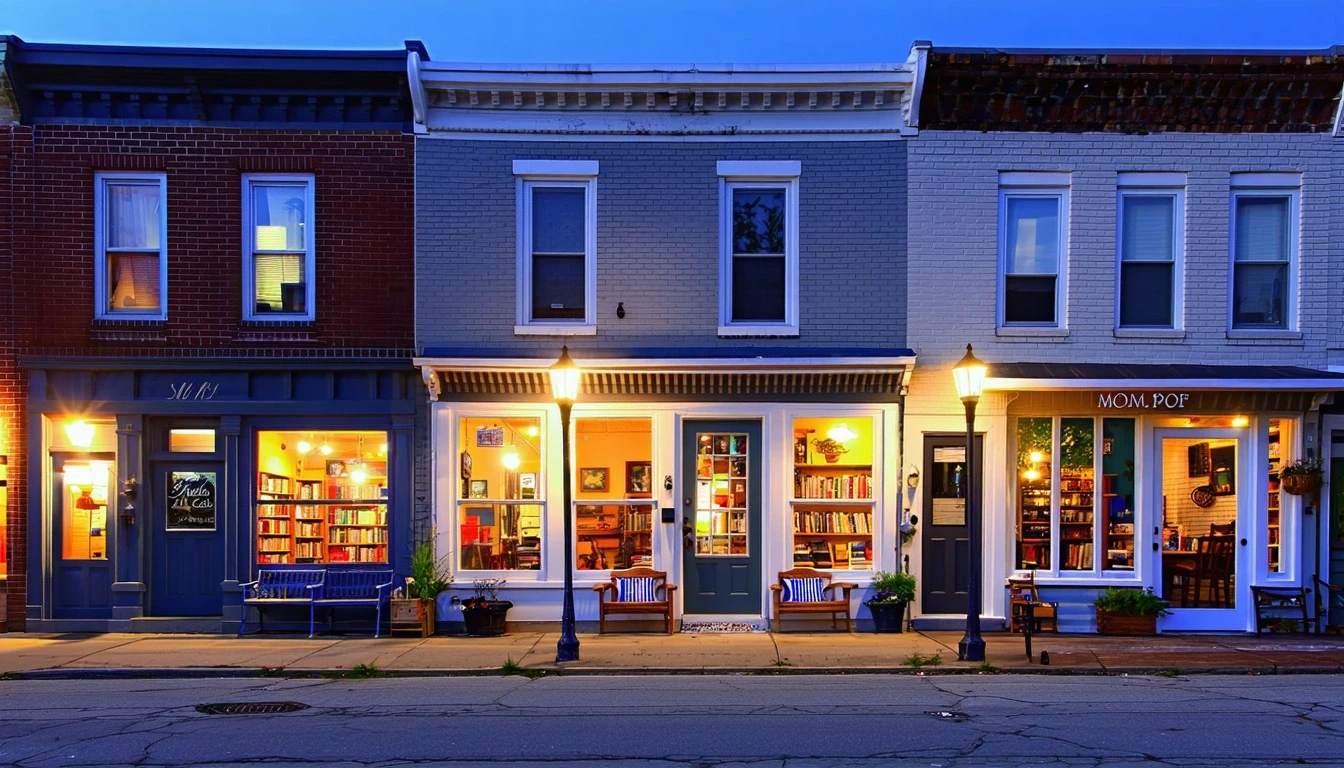
Both Chester and Media share identical utility rates—electricity at 20.17¢/kWh and natural gas at $15.31/MCF—but the way households experience utility costs differs based on housing stock, home size, and seasonal exposure. Pennsylvania’s climate brings cold winters that drive heating demand and moderate summers that require cooling, but the intensity of that exposure depends more on home age, insulation quality, and square footage than on location within Delaware County.
Chester’s lower home values often correlate with older housing stock, which tends to have less efficient insulation, older HVAC systems, and higher baseline energy usage. Single-family homes in Chester may experience greater heating costs during winter months and more volatile bills tied to weather extremes. Renters in smaller apartments or multi-unit buildings may see more predictable utility costs due to shared walls and smaller conditioned spaces, but those in older single-family rentals may face higher seasonal swings. Media’s higher home values often reflect newer construction or recent renovations, which typically include better insulation, more efficient heating and cooling systems, and lower baseline energy usage. Families in Media may pay more for housing upfront but experience less utility volatility and lower per-square-foot energy costs over time.
Household size and housing type amplify these differences. Single adults or couples in Chester who rent smaller units may find utility costs manageable and predictable, especially in multi-unit buildings where shared infrastructure reduces individual exposure. Families in larger single-family homes face greater heating and cooling obligations, and older housing stock increases the likelihood of inefficient systems that drive bills higher during peak months. In Media, families in newer single-family homes benefit from more efficient systems that reduce seasonal volatility, while renters in apartments near walkable corridors may see lower baseline usage due to smaller square footage and better building standards.
Utility takeaway: Chester households in older single-family homes face greater utility volatility and higher seasonal exposure, especially during winter heating months. Media households benefit from newer housing stock that reduces baseline energy usage and smooths seasonal swings. Renters in smaller units in both cities experience more predictable utility costs, but families in larger homes feel the difference in housing age and efficiency most acutely.
Groceries and Daily Expenses
Grocery and daily expense pressure in Chester and Media reflects both regional price parity and the structural accessibility of food and household goods. Both cities share a regional price parity index of 104, meaning that baseline grocery prices track slightly above the national average. However, the way households experience that price level depends on store access, shopping flexibility, and the balance between discount options and convenience spending.
Chester’s corridor-clustered food and grocery access means that households often rely on specific commercial strips or larger-format stores that may require a car to reach efficiently. This structure can reduce price flexibility for households without reliable transportation, as walkable neighborhood options may be limited or carry higher per-item costs. Families managing larger grocery volumes may benefit from access to big-box or discount chains, but the need to drive to those stores introduces time and fuel costs that offset nominal savings. Single adults or couples in Chester may find that convenience spending—grabbing takeout, coffee, or prepared foods—becomes a larger budget factor when walkable alternatives are sparse.
Media’s broadly accessible food and grocery density provides more walkable options for daily errands, reducing the need to drive for routine purchases and increasing price flexibility through competition among nearby stores. Families in Media can more easily compare prices, shop smaller trips on foot, and avoid the time cost of driving to distant discount stores. However, the concentration of walkable options may also increase exposure to convenience spending, as cafes, prepared food counters, and specialty shops become more accessible. Single adults and couples in Media may find that the ease of grabbing a quick meal or coffee adds up over time, while families with disciplined shopping habits benefit from the ability to walk to multiple stores without car dependence.
Household size and income stability shape how these structural differences play out. Single adults in Chester may feel grocery pressure more acutely if they lack a car or rely on convenience stores for daily needs, while those with transportation access can leverage discount chains to manage costs. Families in Chester benefit from bulk shopping at larger stores but must account for the time and fuel cost of reaching them. In Media, single adults and couples benefit from walkable access that reduces transportation friction, while families with larger grocery needs may pay slightly more per item in exchange for convenience and time savings.
Grocery takeaway: Chester households with reliable transportation can access discount grocery options but face more car-dependent errand patterns. Media households benefit from walkable access that reduces transportation friction and increases price flexibility, but convenience spending may creep higher. Families with larger grocery volumes feel the difference in access structure most, while single adults and couples experience the tradeoff between car dependence and walkable convenience.
Taxes and Fees
Property taxes, local fees, and recurring obligations differ between Chester and Media based on home values, municipal service structures, and the way costs are bundled or billed separately. Chester’s lower median home value of $80,800 typically results in lower nominal property tax bills, reducing the ongoing obligation for homeowners. However, municipal service fees—such as trash collection, water, sewer, and stormwater management—may be billed separately, adding line items that increase the total monthly obligation beyond the mortgage and base tax bill. Renters in Chester may see some of these fees embedded in rent, but those in single-family rentals may be responsible for utilities and services that landlords pass through directly.
Media’s higher median home value of $397,800 generates larger property tax bills, increasing the ongoing cost of ownership and reducing the affordability cushion for households with limited income flexibility. However, municipal services in Media may be more predictably bundled or structured, reducing the number of separate bills and surprise fees that homeowners must track. Renters in Media typically see higher base rent that reflects the property tax burden landlords face, but the walkable access to services and amenities may reduce other friction costs—such as transportation, parking fees, or the need for additional services—that offset the higher nominal rent.
Homeowners in Chester benefit from lower property tax exposure and lower entry costs, but they must account for the potential variability of municipal fees, maintenance obligations, and the risk of special assessments in older neighborhoods. Homeowners in Media face higher property taxes and steeper ongoing obligations, but they often gain more predictable service structures, newer infrastructure, and lower deferred maintenance risk. Renters in both cities experience these differences indirectly through rent levels, but those planning to stay long-term should consider how property tax trajectories and fee structures affect the stability of their housing costs over time.
Tax and fee takeaway: Chester homeowners face lower property tax bills but more variable municipal fees and maintenance exposure. Media homeowners face higher property taxes but more predictable service structures and lower deferred maintenance risk. Renters in both cities feel these differences through rent levels, but long-term residents should weigh how ongoing obligations evolve based on housing age and municipal service models.
Transportation & Commute Reality
Both Chester and Media benefit from rail transit access, providing a viable alternative to car commuting for households working in Philadelphia or other regional employment centers. However, the day-to-day transportation experience differs based on walkability, errand accessibility, and the extent to which a car remains necessary for routine tasks beyond commuting.
Chester’s mixed pedestrian infrastructure and corridor-clustered errands mean that while rail transit handles the commute, a car often remains useful for groceries, appointments, and household errands. Households without a car may find that reaching certain services requires more planning, longer travel times, or reliance on ride-sharing for trips that aren’t well-served by transit. Gas prices at $3.13 per gallon affect households differently depending on how often they drive locally versus relying on rail for commuting. Families in Chester may find that owning one car reduces friction significantly, while single adults or couples who work near transit may be able to manage with less frequent driving.
Media’s walkable pockets and broadly accessible food and grocery density reduce the need for a car in daily life, especially for households living near the commercial core. Rail transit provides commute flexibility, while walkable errands reduce the frequency of local driving and the associated fuel, parking, and maintenance costs. Families in Media may still benefit from owning a car for weekend trips, bulk shopping, or activities outside the walkable core, but the baseline car dependence is lower. Single adults and couples in Media can more easily function without a car or with minimal driving, reducing transportation costs and time spent managing vehicle-related obligations.
The transportation tradeoff between Chester and Media isn’t about commute distance—it’s about how much a car is needed for non-commute tasks. Chester households may save on housing but face higher car dependence for errands, while Media households pay more for housing but gain walkable access that reduces transportation friction and associated costs.
Cost Structure Comparison
Housing pressure dominates the cost experience in both cities, but the nature of that pressure differs fundamentally. Chester’s low entry costs reduce the upfront barrier to renting or buying, making it accessible to households with limited savings or lower income stability. However, the tighter income-to-expense ratio means that even modest ongoing obligations—utilities, groceries, transportation—consume a larger share of gross income, leaving less flexibility for discretionary spending, savings, or unexpected costs. Media’s high entry costs require more upfront capital and larger monthly housing obligations, but the higher median household income provides more cushion to absorb those costs while maintaining flexibility elsewhere.
Utilities introduce more volatility in Chester due to older housing stock and less efficient systems, while Media’s newer construction and better insulation smooth seasonal swings and reduce baseline energy usage. Families in larger single-family homes feel this difference most acutely, while renters in smaller units experience more predictable utility costs in both cities. Grocery and daily expense pressure reflects structural access more than price levels: Chester’s corridor-clustered errands require more car dependence, while Media’s broadly accessible food and grocery density reduces transportation friction and increases price flexibility.
Transportation patterns matter more in Chester, where mixed walkability and corridor-based services mean that a car remains useful for routine errands even when rail transit handles commuting. Media’s walkable pockets reduce car dependence for daily life, lowering transportation costs and time spent managing vehicle-related obligations. Taxes and fees follow housing values: Chester homeowners face lower property taxes but more variable municipal fees and maintenance exposure, while Media homeowners face higher property taxes but more predictable service structures and lower deferred maintenance risk.
The decision between Chester and Media isn’t about which city costs less—it’s about which cost structure aligns with your household’s income stability, transportation needs, and tolerance for front-loaded versus ongoing financial pressure. Households sensitive to upfront costs and immediate affordability may prefer Chester, while those with income flexibility and a preference for walkable convenience and long-term predictability may prefer Media.
How the Same Income Feels in Chester vs Media
Single Adult
In Chester, lower rent leaves more nominal income available, but the tighter income-to-expense ratio means that transportation, utilities, and convenience spending can quickly consume that cushion. A car becomes more necessary for errands, and older housing stock may introduce higher utility volatility. In Media, higher rent reduces the immediate cushion, but walkable access to groceries and services reduces transportation costs and time friction. A single adult in Media with stable income may feel less stretched despite higher rent because daily logistics require less planning and fewer car-related expenses.
Dual-Income Couple
In Chester, a dual-income couple benefits from low housing costs that free up income for discretionary spending, savings, or debt repayment, but the need for reliable transportation and the potential for higher utility costs in older housing can offset those gains. In Media, higher rent or mortgage obligations consume more gross income upfront, but the combination of walkable errands, rail transit access, and lower transportation friction reduces the ongoing time and cash cost of managing daily life. Couples in Media may feel more flexibility in how they allocate time and money, even if housing costs are higher.
Family with Kids
In Chester, families benefit from lower housing entry costs and access to strong school and playground infrastructure, but the need for a car to manage errands, activities, and appointments introduces ongoing transportation costs and time friction. Larger single-family homes in Chester may also face higher utility volatility and maintenance exposure. In Media, families face higher housing costs but gain walkable access to groceries, services, and family amenities that reduce the logistical complexity of managing children’s schedules. Rail transit provides commute flexibility, and newer housing stock reduces utility volatility and deferred maintenance risk. Families in Media may feel that the higher housing cost buys predictability and time savings that reduce overall household stress.
Decision Matrix: Which City Fits Which Household?
| Decision factor | If you’re sensitive to this… | Chester tends to fit when… | Media tends to fit when… |
|---|---|---|---|
| Housing entry + space needs | You prioritize low upfront costs and immediate affordability over long-term predictability | You have limited savings or need to minimize monthly housing obligations | You have upfront capital and value newer housing stock with lower maintenance risk |
| Transportation dependence + commute friction | You want to minimize car dependence for daily errands and reduce transportation costs | You already own a car and don’t mind driving for groceries and services | You prefer walkable access to daily needs and want to reduce car usage |
| Utility variability + home size exposure | You want predictable utility costs and lower seasonal volatility | You rent a smaller unit or can absorb higher seasonal swings in exchange for lower housing costs | You value energy efficiency and want to minimize utility volatility in a larger home |
| Grocery strategy + convenience spending creep | You want price flexibility and walkable access to multiple grocery options | You have reliable transportation and prefer bulk shopping at discount chains | You value walkable grocery access and want to reduce transportation friction for daily errands |
| Fees + friction costs (HOA, services, upkeep) | You want predictable service structures and lower deferred maintenance exposure | You can manage variable municipal fees and accept higher maintenance risk for lower entry costs | You prefer bundled services and newer infrastructure that reduces surprise costs |
| Time budget (schedule flexibility, errands, logistics) | You want to minimize the time cost of managing household logistics and errands | You have schedule flexibility and don’t mind planning errands around car trips | You value walkable convenience and want to reduce the time friction of daily tasks |
Lifestyle Fit
Chester and Media both offer access to parks, schools, and family amenities, but the texture of daily life differs based on walkability, commercial density, and the balance between car dependence and pedestrian convenience. Chester’s integrated green space access and strong family infrastructure—with high school density and moderate playground availability—make it well-suited for families prioritizing outdoor access and educational options. However, the mixed pedestrian infrastructure and corridor-clustered errands mean that daily logistics often require a car, and the time cost of managing appointments, groceries, and activities can add up for households with tight schedules.
Media’s walkable pockets and broadly accessible food and grocery density create a more pedestrian-friendly environment for daily errands, reducing the friction of managing routine tasks without a car. Families in Media benefit from high school and playground density, integrated park access, and the ability to walk to many services and amenities. The presence of rail transit in both cities provides commute flexibility, but Media’s walkable core reduces the need for a car in daily life, while Chester’s layout makes a car more useful for non-commute tasks. Both cities feature mixed building heights and a blend of residential and commercial land use, supporting a suburban character with pockets of denser activity near commercial corridors.
Healthcare access differs slightly: Chester has clinics and pharmacies present, providing routine local care, while Media’s healthcare infrastructure is more limited per available data, with pharmacies present but no hospital or clinics detected. Families with ongoing medical needs may find Chester’s clinic presence more convenient, while those in Media may need to travel to nearby towns or regional medical centers for routine care. Both cities experience Pennsylvania’s cold winters and moderate summers, with heating costs dominating seasonal utility exposure and cooling needs remaining manageable. The regional climate doesn’t vary significantly between the two cities, so lifestyle differences are driven more by walkability, errand accessibility, and housing stock than by weather.
Chester offers: Lower housing entry costs, strong family infrastructure, and integrated green space, but requires more car dependence for daily errands and may introduce higher utility volatility in older housing stock.
Media offers: Walkable convenience, broadly accessible groceries and services, and newer housing stock with lower utility volatility, but demands higher upfront housing costs and may require travel for certain healthcare needs.
Frequently Asked Questions
Is Chester or Media cheaper for renters in 2026?
Chester’s median gross rent of $996 per month is lower than Media’s $1,389 per month, reducing the immediate monthly obligation. However, Chester’s lower median household income means that even modest rent consumes a larger share of gross income, leaving less flexibility for other expenses. Media’s higher rent is offset by a higher income baseline and walkable access to services that reduce transportation costs. The better choice depends on whether you prioritize lower nominal rent or greater income cushion and walkable convenience.
How do housing costs in Chester and Media affect first-time buyers in 2026?
Chester’s median home value of $80,800 creates a low entry barrier for first-time buyers, requiring less upfront capital and smaller monthly mortgage payments. Media’s median home value of $397,800 demands substantially more savings and larger ongoing obligations. However, Media’s higher home values often reflect newer housing stock with lower maintenance risk and better energy efficiency, while Chester’s lower prices may come with higher deferred maintenance and utility volatility. First-time buyers should weigh whether immediate affordability or long-term predictability matters more.
Which city has lower transportation costs, Chester or Media, in 2026?
Both cities share identical gas prices at $3.13 per gallon and rail transit access, but transportation costs depend more on car dependence for daily errands than commute distance. Chester’s corridor-clustered errands and mixed walkability mean that a car remains useful for groceries and services, increasing fuel, maintenance, and parking costs. Media’s walkable pockets and broadly accessible food and grocery density reduce car dependence for routine tasks, lowering transportation costs and time friction. Households in Media may find that higher housing costs are offset by lower transportation expenses and greater convenience.
Do utilities cost more in Chester or Media in 2026?
Both cities share identical utility rates—electricity at 20.17¢/kWh and natural gas at $15.31/MCF—but utility costs depend more on housing age, insulation quality, and home size than location. Chester’s older housing stock tends to have less efficient systems and higher seasonal volatility, especially for heating during Pennsylvania winters. Media’s newer construction typically includes better insulation and more efficient HVAC systems, reducing baseline energy usage and smoothing seasonal swings. Families in larger single-family homes feel this difference most, while renters in smaller units experience more predictable utility costs in both cities.
Which city is better for families with kids, Chester or Media, in 2026?
Both cities offer strong family infrastructure, with high school density and integrated park access. Chester provides lower housing entry costs and strong educational options, but families may face more car dependence for managing errands, activities, and appointments. Media offers walkable access to groceries, services, and family amenities, reducing the logistical complexity of managing children’s schedules, but demands higher housing costs. Families with tight budgets may prefer Chester’s affordability, while those with income flexibility and a preference for walkable convenience may prefer Media’s reduced friction in daily logistics.
Conclusion
Chester and Media represent two distinct cost structures within Delaware County, each suited to different household priorities and income profiles. Chester’s low housing entry costs, strong family infrastructure, and rail transit access make it a practical choice for renters, first-time buyers, and families prioritizing immediate affordability and outdoor access. However, the tighter income-to-expense ratio, corridor-clustered errands, and higher car dependence introduce ongoing friction that households must manage through transportation planning and budget discipline. Media’s higher housing costs demand more upfront capital and larger monthly obligations, but the walkable convenience, broadly accessible services, and newer housing stock reduce transportation friction, utility volatility, and the time cost of managing daily logistics.
The decision between Chester and Media isn’t about which city costs less overall—it’s about which cost structure aligns with your household’s income stability, transportation needs, and tolerance for front-loaded versus ongoing financial pressure. Households with limited savings, lower income stability, or a preference for low entry barriers may find Chester’s affordability and strong family amenities a better fit. Households with income flexibility, upfront capital, and a preference for walkable convenience and long-term predictability may find that Media’s higher housing costs buy reduced friction, greater flexibility, and more predictable ongoing expenses. Both cities offer access to rail transit, parks, and schools, but the texture of daily life—how you move, shop, and manage household logistics—differs enough to shape which city feels more sustainable over time.
How this article was built: In addition to public economic data, this article incorporates location-based experiential signals derived from anonymized geographic patterns—such as access density, walkability, and land-use mix—to reflect how day-to-day living actually feels in Chester, PA.