
74 out of 100 residents say they’re happy in Chester—but that number tells only part of the story. What makes Chester feel right for some and restless for others isn’t about a single score; it’s about whether the city’s particular mix of affordability, access, and infrastructure matches what you need day-to-day. Chester sits in the Philadelphia metro, close enough to the city to benefit from rail connections, yet far enough to offer housing costs that feel manageable compared to urban alternatives. The tension here isn’t about whether Chester is “good” or “bad”—it’s about whether its tradeoffs align with your priorities.
People who thrive in Chester tend to value strong family infrastructure, green space that’s woven into daily life, and the ability to commute affordably to Philadelphia without paying city housing prices. Those who struggle often expected more walkable convenience, polished retail variety, or immediate access to specialized services. Understanding Chester means understanding what it delivers consistently—and what it asks you to plan around.
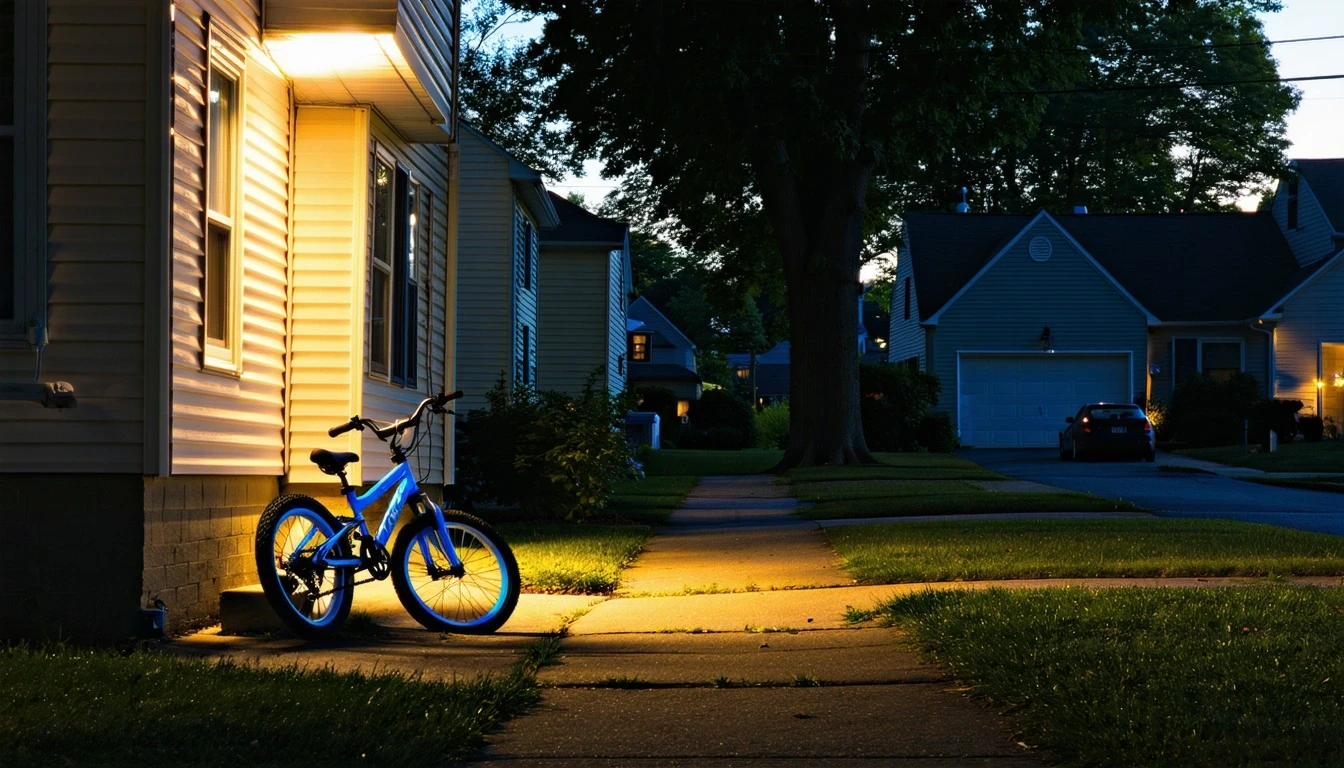
The Emotional Landscape of Chester
Chester’s vibe is shaped by a few recurring themes: affordability that creates breathing room, infrastructure that supports families, and proximity to Philadelphia that opens up job markets without requiring you to live there. The median home value of $80,800 and median rent of $996 per month make Chester one of the more accessible entry points in the region, and that affordability shows up constantly in how residents talk about the city. It’s not framed as “cheap”—it’s framed as possible.
At the same time, Chester’s emotional tone reflects visible economic pressure. The median household income of $39,193 per year means many families are managing tight budgets, and that shows up in how people describe daily logistics. There’s pride in making it work, but also frustration when systems feel fragile or when comparisons to wealthier nearby towns highlight gaps in retail polish, healthcare access, or neighborhood upkeep.
What tends to feel rewarding here: the presence of parks and green space (park density exceeds high thresholds, with water features integrated throughout), the availability of schools and playgrounds that support child-rearing, and the existence of rail service that makes Philadelphia commuting viable without a long drive. What tends to feel limiting: the need to drive or plan ahead for most errands (food and grocery options are corridor-clustered rather than broadly walkable), the absence of a local hospital (clinics handle routine care, but anything serious requires travel), and the sense that some infrastructure feels worn or under-resourced.
People who feel “at home” in Chester tend to prioritize cost control, value access to nature and schools, and either work remotely or commute by rail. People who feel “restless” often wanted more spontaneous walkability, a wider range of dining and shopping, or the kind of neighborhood polish that comes with higher property values.
Social Media Buzz in Chester
On platforms like Facebook and Reddit, Chester discussions tend to cluster around a few emotional poles: affordability and access on one side, frustration with infrastructure gaps and economic pressure on the other. There’s a protective tone among long-time residents who emphasize what works—parks, schools, rail access—and a more cautious tone among newcomers trying to figure out whether the tradeoffs will feel sustainable.
One recurring theme: “It’s not fancy, but it’s real. You can actually afford to live here, and if you’re okay planning your errands, it works.” Another: “The parks are genuinely great—way better than people expect. We’re outside constantly.” And a third, more conflicted: “You’re close to Philly, but you’re not in Philly. That’s good for your wallet, but it means you’re driving or training for a lot of what you want to do.”
There’s also frequent discussion about neighborhood variation—some areas feel more stable and well-kept, others feel neglected—but without specific local knowledge, residents tend to describe this as “you have to know which blocks to focus on” rather than naming streets. The emotional undercurrent is one of cautious optimism mixed with realism: Chester offers access and affordability, but it requires active decision-making about where you live and how you move through the city.
Local News Tone
Local coverage of Chester tends to frame the city through themes of change, investment, and identity. The tone is rarely celebratory or crisis-focused; instead, it reflects ongoing negotiation: What should growth look like? How do long-time residents and newcomers coexist? What infrastructure deserves priority?
Simulated headline-style themes that capture this tone include:
- “Community Debates What Growth Should Look Like”
- “New Investments Arrive as Residents Weigh Tradeoffs”
- “Schools and Parks Remain Anchors Amid Economic Pressure”
- “Rail Access Keeps Philadelphia Within Reach for Commuters”
- “Residents Navigate Affordability and Infrastructure Gaps”
The framing isn’t about declaring Chester “on the rise” or “in decline”—it’s about acknowledging that the city is managing tension between affordability and resource availability, between proximity to opportunity and the friction of getting there. For readers trying to predict how Chester will feel, this tone suggests a place where you’ll need to stay engaged, advocate for what matters, and accept that convenience isn’t automatic.
Review-Based Public Perception
On platforms like Google Reviews, Yelp, and Nextdoor-style community boards, Chester’s public perception reflects a mix of pleasant surprises and unmet expectations. People who arrived expecting suburban convenience without urban costs tend to feel satisfied—especially families who prioritize school access, park availability, and renting vs owning tradeoffs that favor affordability.
Common praise centers on green space: “The parks are actually really nice—we didn’t expect this much access to trails and water.” Families also highlight school density and playground availability, which exceed regional thresholds and make child-rearing logistics easier than in some higher-cost suburbs.
Common complaints focus on errands and healthcare. Because food and grocery options are corridor-clustered rather than neighborhood-distributed, residents without cars or those expecting walkable convenience describe frustration: “You can’t just pop out for something—you have to plan your trips.” The absence of a local hospital also comes up frequently: “For anything beyond a clinic visit, you’re driving to another town or into the city.”
Neighborhood variation plays a significant role in reviews. Newer or more stable pockets tend to receive descriptions like “quiet, well-kept, family-friendly,” while older areas draw more cautious language: “You really need to visit the specific block before committing.” This isn’t unique to Chester, but the income pressure makes the variation more visible and more consequential for household budgets.
Overall, reviews suggest that Chester rewards people who can tolerate planning friction and who value cost control over convenience. It frustrates people who expected walkable errands, immediate service access, or the kind of retail and dining variety that comes with higher property values.
Comparison to Nearby Cities
| Aspect | Chester, PA | Media, PA | Wilmington, DE |
|---|---|---|---|
| Overall Vibe | Affordable, family-oriented, requires planning | Polished, walkable, higher cost | Urban, mixed-income, more retail variety |
| Housing Pressure | Low cost, accessible entry point | Moderate to high cost, competitive | Moderate cost, more options |
| Errands & Walkability | Corridor-clustered, car-dependent | Walkable downtown, neighborhood shops | Mixed, some walkable pockets |
| Transit Access | Rail to Philadelphia, limited local | Rail to Philadelphia, walkable locally | Rail to Philadelphia, more local transit |
| Family Infrastructure | Strong schools and playgrounds | Strong schools, fewer parks | Moderate schools, urban parks |
Chester’s comparison to nearby towns highlights its core tradeoff: it offers affordability and family infrastructure at the cost of walkable convenience and polished amenities. Media, just a few miles away, delivers a more walkable downtown and higher neighborhood polish, but housing costs rise significantly. Wilmington offers more urban texture and retail variety, but also brings higher density and mixed-income complexity.
If you prioritize cost control, rail commuting, and access to parks and schools, Chester tends to outperform its neighbors on value. If you need walkable errands, immediate healthcare access, or a polished retail environment, Media or Wilmington may feel less frustrating. The choice isn’t about which city is “better”—it’s about which set of tradeoffs you’re prepared to live with daily.
What Locals Are Saying
“We moved here because we could actually afford a house. The parks are great, the schools are solid, and I can take the train to Philly for work. It’s not fancy, but it’s ours.”
“If you’re expecting to walk to coffee or grab groceries on a whim, this isn’t that place. You need a car, and you need to plan your trips. Once you accept that, it’s fine.”
“The neighborhood variation is real. Some blocks feel stable and family-friendly, others feel rough. You really have to visit before you commit.”
“I love that my kids can bike to the park and that we’re not drowning in rent. But when someone gets sick, we’re driving 20 minutes to a hospital. That’s the tradeoff.”
“People compare Chester to Media or Swarthmore and get frustrated. But those places cost twice as much. If you’re on a budget, Chester makes sense.”
“The rail access is clutch. I work in Center City, and I’m not paying city rent. My commute is longer, but my housing costs are half.”
“It’s not a place where everything just works. You have to stay on top of things—where you shop, where you go for services, which streets feel safe. But if you’re okay with that, it’s livable.”
Does Chester Feel Like a Good Fit?
Chester doesn’t ask whether you’ll be happy in the abstract—it asks whether you’re prepared to trade convenience for cost control, and whether the infrastructure it delivers (parks, schools, rail access) matches what you actually use. The city works best for families prioritizing affordability and school access, for rail commuters to Philadelphia who want lower housing costs, and for residents who value green space and are comfortable planning errands around clustered corridors.
It tends to frustrate people expecting walkable spontaneity, immediate healthcare access, or the kind of neighborhood polish that comes with higher property values. The income pressure is real, the infrastructure gaps are visible, and the need to drive or plan ahead is constant. But for households where what a budget has to handle is already tight, Chester offers a viable entry point that doesn’t require giving up parks, schools, or rail access to Philadelphia.
If you’re trying to decide whether Chester aligns with your priorities, focus less on whether people report being “happy” and more on whether the city’s specific mix of access, affordability, and friction matches your daily logistics. Explore what makes life feel tight in Chester to understand which tradeoffs will feel sustainable and which will wear on you over time.
How this article was built: In addition to public economic data, this article incorporates location-based experiential signals derived from anonymized geographic patterns—such as access density, walkability, and land-use mix—to reflect how day-to-day living actually feels in Chester, PA.
The perspectives shown reflect commonly expressed local sentiment and recurring themes in public discussion, rather than individual accounts.