
Wilmington, DE vs. Philadelphia, PA: Cost of Living Comparison (2025)
When considering a move to the Delaware Valley region, many people find themselves comparing Wilmington, Delaware and Philadelphia, Pennsylvania. While Philadelphia offers the excitement and amenities of a major city, Wilmington provides a more affordable, small-town lifestyle within easy reach of Philly. As we head into 2025, cost of living has become a central factor for those deciding between these two cities.
Wilmington and Philadelphia are just 30 miles apart, making it feasible to live in one city and work in the other. However, the cost differences can be significant. Families looking for more space and a lower price tag often gravitate to Wilmington, while young professionals drawn to urban living may prefer Philadelphia despite the higher expenses. Let’s break down the key cost of living factors to help you determine which city best fits your budget and lifestyle in 2025.
1. Housing Costs
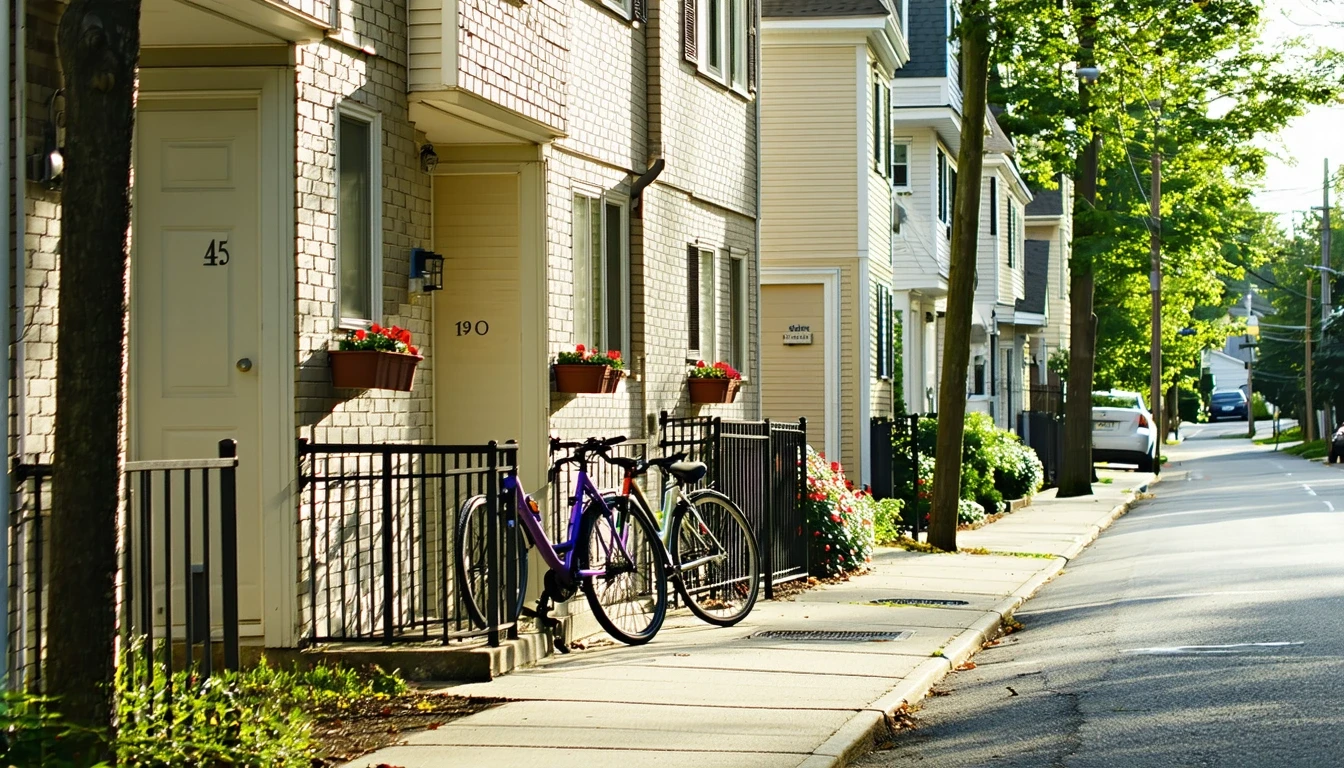
The most substantial cost difference between Wilmington and Philadelphia lies in housing. In 2025, the median home price in Wilmington is around $250,000, while Philadelphia’s median is closer to $350,000. For a typical 3-bedroom single-family home, Wilmington prices average $300,000 compared to $450,000 in Philadelphia neighborhoods.
Rents follow a similar pattern. A 2-bedroom apartment in Wilmington averages $1,400 per month, while the same apartment in Philadelphia runs about $1,900 monthly. Wilmington offers more affordable options for both renters and buyers, although the rental market is tighter with fewer available units compared to Philadelphia.
| Housing Type | Wilmington | Philadelphia |
|---|---|---|
| 2BR Apartment | $1,400 | $1,900 |
| 3BR House | $300,000 | $450,000 |
For families seeking space and affordability, Wilmington provides better value with lower housing costs. Young professionals without children may find Philadelphia’s higher prices worthwhile for the urban lifestyle. Overall, Wilmington wins on housing affordability, with costs around 30% lower than Philadelphia.
2. Utilities and Energy Costs
Utility costs are more comparable between the two cities, but Wilmington maintains a slight edge. The average monthly energy bill for a 2-bedroom apartment is $120 in Wilmington and $140 in Philadelphia. For a 3-bedroom house, expect $180 per month in Wilmington and $200 in Philadelphia.
Both cities experience cold winters and hot summers, so heating and cooling needs are similar. However, Philadelphia’s older housing stock tends to be less energy-efficient, leading to higher costs. Wilmington and Philadelphia both offer budget billing and off-peak pricing through local utility companies, which can help manage expenses.
A family of four in a 3-bedroom house pays around $250 monthly for utilities in Wilmington compared to $280 in Philadelphia. Smaller households see a slimmer difference but still save in Wilmington. With lower energy costs across the board, Wilmington comes out ahead.
3. Groceries and Daily Expenses
Wilmington boasts a lower overall cost of living, and that extends to everyday expenses like groceries and dining out. A gallon of milk averages $3.50 in Wilmington and $4.00 in Philadelphia. A dozen eggs cost $2.80 versus $3.20, and bread is around $2.50 compared to $3.00.
Dining out is also more affordable in Wilmington. A basic meal at an inexpensive restaurant averages $15, while Philadelphia is closer to $20. For a mid-range, three-course dinner for two, expect $60 in Wilmington and $75 in Philadelphia. Coffee shops and casual eateries follow suit, with prices around 15-20% lower in Wilmington.
These everyday expenses add up, especially for larger families. Assuming a mix of grocery shopping and dining out, a couple spends $500-600 per month in Wilmington compared to $600-700 in Philadelphia. For better grocery and restaurant prices in 2025, Wilmington takes the lead.
4. Taxes and Fees
Taxes are another key differentiator between Wilmington and Philadelphia. Delaware is known for its tax-friendly environment, with no sales tax and lower income taxes than Pennsylvania. Wilmington residents pay a 6.6% state income tax, while Philadelphia residents pay a 3.07% state income tax plus a 3.87% city wage tax, totaling 6.94%.
Property taxes are also lower in Wilmington, averaging 0.55% compared to 0.99% in Philadelphia. For a $300,000 home, that’s a difference of $1,650 versus $2,970 per year. However, Philadelphia offers some property tax relief programs for low-income and senior homeowners.
Both cities charge around 5% in local taxes on utilities, but only Philadelphia has a sales tax, at 8%. Wilmington residents save on everyday purchases with no sales tax. Considering income, property, and sales taxes, Wilmington offers a more affordable tax environment for most households.
5. Cost Summary Table
| Category | Wilmington | Philadelphia |
|---|---|---|
| Housing (3BR) | $1,800 | $2,500 |
| Utilities | $250 | $280 |
| Groceries | $500 | $600 |
| Transportation | $100 | $120 |
| Taxes | $400 | $600 |
| Misc. | $250 | $300 |
| Estimated Monthly Total | $3,300 | $4,400 |
Estimates reflect 2025 costs for a mid-size household (2-bedroom apartment or 3-bedroom home) using published national data and regional benchmarks. Actual expenses will vary with household size, lifestyle, and neighborhood.
The table reveals that living in Wilmington can save a typical family around $1,100 per month compared to Philadelphia. While the exact difference depends on specific housing and lifestyle choices, Wilmington consistently offers a lower cost of living across major expense categories.
6. Lifestyle Fit
Of course, cost is just one factor in choosing between Wilmington and Philadelphia. Lifestyle considerations also play a significant role, and this is where Philadelphia shines for some residents. Center City Philadelphia offers walkable neighborhoods, extensive public transit, and a vibrant arts and culture scene. It’s a great fit for those who thrive on urban energy and want to minimize driving.
Wilmington has a more suburban feel, even in its downtown area. While DART buses and the Wilmington Transit Center provide some public transportation, most residents rely on cars to get around. The city offers a slower pace and easier access to green space, with many parks and trails in the surrounding areas. Families often prefer the school districts and larger homes found in Wilmington and its suburbs.
The average commute time is 26 minutes in Wilmington, compared to 32 minutes in Philadelphia. However, Philadelphia’s transit system and bike lanes make it possible to live car-free, which can significantly reduce transportation costs. Over 90% of Wilmington households own at least one vehicle, compared to around 70% in Philadelphia.
Ultimately, the lifestyle differences between Wilmington and Philadelphia can indirectly impact the cost of living. Car ownership, entertainment spending, and housing choices all play a role. While Philadelphia is more expensive overall, its density and amenities may reduce certain expenses for those who embrace urban living.
Frequently Asked Questions
Is Wilmington more affordable than Philadelphia in 2025?
Yes, Wilmington offers a lower cost of living than Philadelphia across major categories like housing, groceries, utilities, and taxes. The average family can save around $1,100 per month living in Wilmington.
Are rental prices lower in Wilmington or Philadelphia?
Rental prices are significantly lower in Wilmington. In 2025, a typical 2-bedroom apartment rents for around $1,400 per month in Wilmington compared to $1,900 in Philadelphia.
How do grocery costs compare between Wilmington and Philadelphia?
Grocery prices are around 15-20% lower in Wilmington than in Philadelphia. Staples like milk, eggs, and bread cost less, and dining out is also more affordable in Wilmington.
Are property taxes higher in Philadelphia than in Wilmington?
Yes, Philadelphia’s property tax rate is 0.99% compared to Wilmington’s 0.55%. For a $300,000 home, that means annual taxes of $2,970 in Philadelphia versus $1,650 in Wilmington.
How much could renters save by choosing Wilmington over Philadelphia in 2025?
Renters can save around $500 per month on housing costs alone by living in Wilmington instead of Philadelphia. Savings on utilities, groceries, and taxes can add another few hundred dollars per month.
Conclusion
While Philadelphia and Wilmington are close neighbors, their costs of living differ considerably. Wilmington emerges as the clear winner for affordability in 2025, with lower expenses across the board. Housing costs are the most significant factor, with prices around 30% lower in Wilmington. However, Wilmington also offers savings on groceries, utilities, taxes, and other daily expenses.
For families and budget-conscious households, Wilmington provides an attractive option with a suburban lifestyle and easy access to Philadelphia. Young professionals and those who prefer urban amenities may still choose Philadelphia, but at a higher cost. Ultimately, the decision depends on each household’s financial priorities and lifestyle preferences.
To explore cost of living further, check out our guides on monthly budgeting in Wilmington and detailed expense breakdowns. If you’re considering a move, compare quotes from top moving companies to find the best fit for your needs and budget.