
Mia signed her first lease in Bensalem last fall, and when the first full utility bill arrived in January, she stared at the total in disbelief. The electric and gas charges alone were nearly double what she’d budgeted. No one had explained that winter heating and summer cooling would swing her monthly costs so dramatically—or that the structure of utility billing in Bensalem rewards planning more than guesswork.
Understanding Utilities in Bensalem
Utilities cost in Bensalem reflects the structure of a mid-sized Philadelphia suburb with mixed housing types, seasonal weather extremes, and infrastructure that varies by neighborhood. For most households, utilities represent the second-largest monthly expense after housing, and unlike rent or a mortgage, they fluctuate based on usage, weather, and billing cycles. Understanding how these costs behave—and what drives them—makes it easier to budget accurately and avoid surprises.
Core utilities in Bensalem typically include electricity, water, natural gas, and trash collection. Some apartment complexes bundle water and trash into the rent, while single-family homeowners usually pay each service separately. Renters moving from all-inclusive arrangements often underestimate the cumulative impact of managing multiple accounts, each with its own billing structure and seasonal volatility. Homeowners, meanwhile, face the added complexity of maintaining systems that directly affect efficiency—furnaces, water heaters, insulation, and air conditioning units.
For newcomers, the biggest adjustment is often the seasonal swing. Bensalem experiences hot, humid summers and cold winters, which means both cooling and heating drive significant exposure. A household that pays modest electric bills in April may see costs double by July, then shift again as heating takes over in December. This isn’t a pricing anomaly—it’s the cost structure of a place where climate, not base rates, determines what you actually pay.
Utilities at a Glance in Bensalem
The table below shows how core utility costs typically behave for a mid-size household in a single-family home in Bensalem. Where city-level prices are available in the data feed, they are shown directly. When exact figures are not provided, categories are described qualitatively to reflect how costs are structured and what drives variability.
| Utility | Cost Structure |
|---|---|
| Electricity | 20.49¢/kWh; usage-sensitive, climate-driven |
| Water | Tiered pricing; usage-dependent |
| Natural Gas | $18.43/MCF; winter-driven, heating-dependent |
| Trash & Recycling | Often bundled with water or HOA; varies by provider |
| Total | Seasonal variability driven by electricity and heating |
This table reflects utility cost structure for a mid-size household in a single-family home in Bensalem during 2026. Where exact figures are not provided in the IndexYard data feed, categories are described directionally to reflect how costs behave rather than a receipt-accurate total.
Electricity is typically the most exposure-sensitive utility in Bensalem, driven more by climate and home efficiency than by base rates. At 20.49¢ per kilowatt-hour, the rate itself sits slightly above the national average, but what matters more is how much you use. A well-insulated apartment with newer windows and a programmable thermostat will cost far less to cool in summer than an older single-family home with poor attic ventilation. Usage patterns—running air conditioning overnight, heating a finished basement, operating older appliances—determine the bill more than the rate structure.
Water costs in Bensalem are typically billed on a tiered system, meaning the more you use, the higher the per-unit rate climbs. For most households, water represents a smaller share of total utility spending than electricity or gas, but it’s less predictable. Lawn irrigation, pool maintenance, and household size all push usage into higher tiers. Renters in apartments rarely see a separate water bill; it’s usually included in rent or billed as a flat monthly fee by the landlord.
Natural gas, priced at $18.43 per thousand cubic feet, becomes the dominant cost driver from November through March. Homes heated by natural gas see sharp increases during cold snaps, especially in older properties where furnaces cycle frequently. Households without gas service—those relying on electric baseboard heat or oil—face even steeper winter bills. Gas is a winter story in Bensalem; outside heating season, it barely registers.
Trash and recycling services vary widely depending on whether you rent or own, and which neighborhood you live in. Some areas contract with private haulers, others are served by municipal programs, and many HOAs bundle trash into monthly fees. For single-family homeowners paying separately, expect a modest monthly charge that stays stable year-round. Renters typically don’t see this line item at all—it’s absorbed into rent or covered by the landlord.
How Weather Impacts Utilities in Bensalem
Bensalem sits in the Mid-Atlantic, where summer heat and winter cold both demand active climate control. July and August bring stretches of heat and humidity that keep air conditioners running for weeks at a time, often pushing electric bills to their annual peak. Unlike desert climates where temperatures drop at night, Bensalem’s summer humidity holds heat through the evening, meaning systems rarely get a break. Households in older homes or top-floor apartments face the highest exposure, as poor insulation and heat rise compound the load.
Winter heating costs follow a similar pattern but shift to natural gas or electric resistance heat. January and February are the heaviest months, especially during cold snaps when furnaces run almost continuously. Homes with poor weatherstripping, single-pane windows, or uninsulated basements see the steepest increases. Many Bensalem households experience noticeably higher gas bills during peak winter compared to spring, and the swing can be dramatic—doubling or even tripling baseline costs during extreme weather.
Spring and fall offer the only real relief. April, May, September, and October typically require minimal heating or cooling, and utility bills drop to their lowest levels. These are the months that reveal a household’s baseline usage—the cost of water heating, appliances, lighting, and other non-climate loads. For budgeting purposes, the spring bill is the floor; summer and winter represent the ceiling. Understanding that range is essential for anyone trying to predict what utilities will actually cost over a full year in Bensalem.
How to Save on Utilities in Bensalem
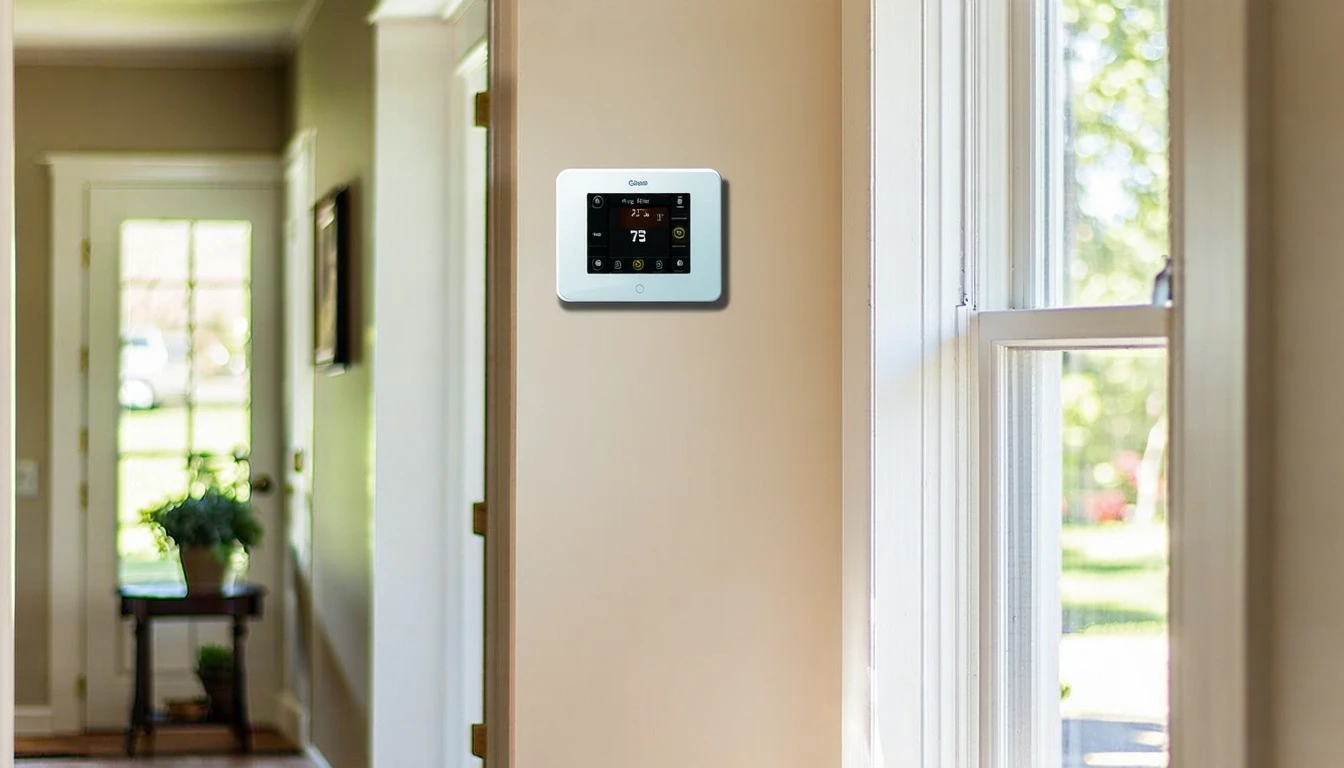
Reducing utility costs in Bensalem starts with controlling the two largest drivers: electricity and heating. Programmable or smart thermostats allow households to avoid heating or cooling an empty home, and even small adjustments—setting the thermostat a few degrees lower in winter or higher in summer—reduce runtime without sacrificing comfort. Ceiling fans help circulate air in summer, making rooms feel cooler without lowering the thermostat. In winter, reversing the fan direction pushes warm air down from the ceiling, improving efficiency in rooms with high ceilings or poor circulation.
Insulation and weatherization offer some of the highest returns for homeowners. Sealing gaps around windows and doors, adding attic insulation, and insulating ductwork all reduce the amount of conditioned air that escapes. Many utility providers in Pennsylvania offer rebates or incentives for efficiency upgrades, including insulation improvements, HVAC replacements, and water heater upgrades. Renters have fewer structural options, but can still reduce costs by using window film to block summer heat, sealing drafts with weatherstripping, and replacing incandescent bulbs with LEDs.
Water savings come from behavioral changes and fixture upgrades. Low-flow showerheads and faucet aerators reduce usage without affecting pressure, and fixing leaks—especially running toilets—prevents waste that pushes households into higher pricing tiers. For homeowners with irrigation systems, switching to drip lines or installing rain sensors prevents overwatering and keeps summer water bills manageable. Renters should report leaks promptly, as even small drips compound quickly on a tiered billing system.
🏆 Tip: Check if your provider in Bensalem offers rebates for energy-efficient AC units or heating systems. Many programs cover a portion of the upfront cost, and the efficiency gains reduce monthly bills for years.
FAQs About Utility Costs in Bensalem
Why are utility bills so high in Bensalem during summer and winter? Bensalem’s climate requires both heating and cooling for much of the year, and electricity and natural gas costs spike when systems run continuously. Homes with poor insulation or older HVAC equipment face the steepest increases, as inefficiency compounds usage.
Do HOAs in Bensalem usually include trash or water in their fees? Many do, especially in townhome and condo communities. Single-family homes in HOA neighborhoods may still pay separately, depending on how the association structures its services. Always confirm what’s covered before assuming a fee is inclusive.
How much should a family of four budget for utilities in Bensalem each month? Budgeting depends on housing type, efficiency, and season. Illustrative context: a mid-size household using around 1,000 kWh of electricity per month at 20.49¢/kWh would see roughly $205 in electric costs before fees, but that figure swings significantly in July and January. Gas, water, and trash add to the total, and the combined structure is seasonal rather than fixed.
Do utility providers in Bensalem offer budget billing or equalized payment plans? Many providers offer budget billing, which averages your annual usage into equal monthly payments. This smooths out seasonal spikes and makes budgeting easier, though you’ll still settle up at the end of the year if actual usage exceeds the estimate.
What is the average winter heating cost in Bensalem? Winter heating costs depend on fuel type, home size, and insulation quality. Homes heated by natural gas see the largest increases from November through March, especially during cold snaps. Electric heat and oil-based systems typically cost more per unit of warmth, and older homes with poor weatherization face the steepest exposure.
How Utilities Fit Into the Cost Structure in Bensalem
Utilities in Bensalem function as a volatility layer within the broader cost of living in Bensalem. Unlike rent, which stays fixed for the lease term, or groceries, which fluctuate modestly, utility costs swing month to month based on weather, usage, and system efficiency. That variability makes them harder to predict but also more controllable—households that invest in efficiency, adjust behavior, and monitor usage can reduce exposure significantly. The challenge isn’t the base rates; it’s managing the seasonal peaks without letting them destabilize your monthly budget in Bensalem.
For renters, utilities represent one of the first true variable costs they manage independently, especially if moving from an all-inclusive arrangement. Learning to track usage, anticipate seasonal swings, and adjust thermostats proactively builds financial discipline that carries over into other areas. For homeowners, utilities are both a cost and a signal—high bills often indicate inefficiency that, if addressed, improves comfort and resale value in addition to lowering monthly spending.
Understanding utilities in Bensalem means recognizing that the structure matters more than any single bill. Electricity dominates in summer, gas takes over in winter, and water and trash remain stable but vary by provider and housing type. The households that manage this complexity best are the ones that treat utilities as a planning problem, not a fixed expense—tracking patterns, making incremental improvements, and using the low-cost months to prepare for the high-cost ones. For a fuller picture of how utilities interact with housing, transportation, and other core expenses, explore the broader cost breakdown resources available through IndexYard’s Bensalem hub.
How this article was built: In addition to public economic data, this article incorporates location-based experiential signals derived from anonymized geographic patterns—such as access density, walkability, and land-use mix—to reflect how day-to-day living actually feels in Bensalem, PA.
—