
Understanding how much you’ll spend on utilities in Cherry Hill helps you plan your monthly budget and avoid surprises when the bills arrive. Electricity, water, natural gas, and trash collection form the backbone of household operating costs, and each behaves differently depending on the season, your home type, and how you use energy throughout the day.
Understanding Utilities in Cherry Hill
Utilities cost in Cherry Hill reflects a mix of regional pricing, seasonal climate exposure, and the structure of your home. For most households, utilities represent the second-largest monthly expense after housing, and they’re one of the few costs you can actively manage through behavior and efficiency upgrades. Unlike rent or a mortgage, which stay fixed, utility bills fluctuate based on weather, occupancy, and how much you heat, cool, and power your space.
In Cherry Hill, the typical utility bundle includes electricity, water, natural gas, and trash collection. Some apartment complexes and HOAs bundle water and trash into monthly fees, while single-family homeowners usually pay each provider separately. Renters often see lower variability because landlords sometimes cover water or trash, but electricity and gas are almost always tenant-paid. Movers from other regions should expect dual-season exposure: summer air conditioning drives electric bills higher, while winter heating—whether gas or electric—creates a second cost peak.
The structure of Cherry Hill’s housing stock matters here. Single-family homes with central air and gas furnaces face different cost patterns than garden-style apartments with electric baseboard heat. Older homes with less insulation or single-pane windows amplify seasonal swings, while newer construction with better envelopes and programmable thermostats offers more control. Understanding these dynamics helps you budget realistically and identify where small changes—like adjusting the thermostat or sealing drafts—can reduce exposure without sacrificing comfort.
Utilities at a Glance in Cherry Hill
The table below shows how core utility costs typically behave for a mid-size household in a single-family home in Cherry Hill. Where city-level prices are available in the data feed, they are shown directly. When exact figures are not provided, categories are described qualitatively to reflect how costs are structured and what drives variability.
| Utility | Cost Structure in Cherry Hill |
|---|---|
| Electricity | 22.73¢/kWh; usage-sensitive and seasonal |
| Water | Tiered pricing; usage-dependent |
| Natural Gas | $17.94/MCF; winter-driven and heating-dependent |
| Trash & Recycling | Often bundled with water or HOA fees |
| Total | Seasonal variability driven by electricity and heating |
This table reflects utility cost structure for a mid-size household in a single-family home in Cherry Hill during 2026. Where exact figures are not provided in the IndexYard data feed, categories are described directionally to reflect how costs behave rather than a receipt-accurate total.
Electricity is billed per kilowatt-hour at 22.73¢/kWh in Cherry Hill, making it the most exposure-sensitive utility. Costs rise sharply during summer cooling months and again in winter if you use electric heat or supplemental space heaters. Homes with central air, multiple refrigerators, or always-on electronics see higher baseline usage, and bills can double or triple during peak temperature months compared to mild spring or fall periods.
Water in Cherry Hill typically follows tiered pricing, meaning the more you use, the higher the per-unit cost. Families with irrigation systems, pools, or multiple bathrooms hit higher tiers faster. Many apartment complexes include water in rent, but single-family homeowners pay the provider directly, often bundled with sewer and stormwater fees that add to the total.
Natural gas is priced at $17.94 per thousand cubic feet (MCF) and drives winter heating costs for homes with gas furnaces or boilers. Usage spikes from November through March, and older furnaces or poorly insulated homes burn through more fuel. Homes without gas service rely on electric heat, which shifts the seasonal cost burden entirely to the electric bill.
Trash and recycling are often bundled with water bills or included in HOA fees, especially in planned communities and townhome developments. Standalone single-family homes may contract with private haulers, and costs vary by service frequency and whether you add yard waste or bulk item pickup.
How Weather Impacts Utilities in Cherry Hill
Cherry Hill experiences hot, humid summers and cold winters, creating dual-season cost peaks that shape how households budget for utilities. Summer air conditioning dominates electric bills from June through September, especially during stretches of heat and high humidity that keep systems running longer. Homes with older AC units, poor insulation, or south- and west-facing windows without shade see the steepest increases. Many Cherry Hill households experience noticeably higher electric bills during peak summer compared to spring, sometimes doubling or more depending on thermostat settings and home efficiency.
Winter heating costs depend on your fuel source. Homes with natural gas furnaces see gas bills rise sharply from December through February, while electric heat users face higher electric bills instead. Cold snaps and extended freezing periods increase furnace runtime, and homes with drafty windows, uninsulated attics, or older HVAC systems burn more energy to maintain comfort. Humidity also plays a role: damp winter air feels colder, prompting households to raise the thermostat, which increases fuel consumption.
Spring and fall offer relief, with mild temperatures reducing both heating and cooling demand. These shoulder seasons represent the lowest utility months for most Cherry Hill households, making them useful benchmarks for understanding your home’s baseline usage. Tracking bills across the full year helps you identify whether high costs stem from weather exposure, inefficient equipment, or usage habits you can adjust.
How to Save on Utilities in Cherry Hill
Reducing utility costs in Cherry Hill starts with understanding where your household uses the most energy and water, then targeting those areas with efficiency upgrades or behavior changes. Small adjustments—like raising the thermostat a few degrees in summer or lowering it in winter—reduce runtime for heating and cooling systems, which are typically the largest energy consumers. Sealing air leaks around windows, doors, and ductwork prevents conditioned air from escaping, lowering the workload on your HVAC system and smoothing out seasonal cost spikes.
Many utility providers in the region offer programs that help households manage costs and improve efficiency. Time-of-use billing plans reward shifting energy use to off-peak hours, which can lower electric bills if you run dishwashers, laundry, or pool pumps overnight. Budget billing programs spread costs evenly across the year, eliminating the shock of high summer or winter bills. Some providers also offer rebates for upgrading to energy-efficient appliances, installing programmable thermostats, or adding insulation, making it easier to invest in long-term savings.
Here are practical ways to lower utility costs in Cherry Hill:
- Enroll in off-peak or time-of-use billing programs to reduce electric costs during high-demand hours
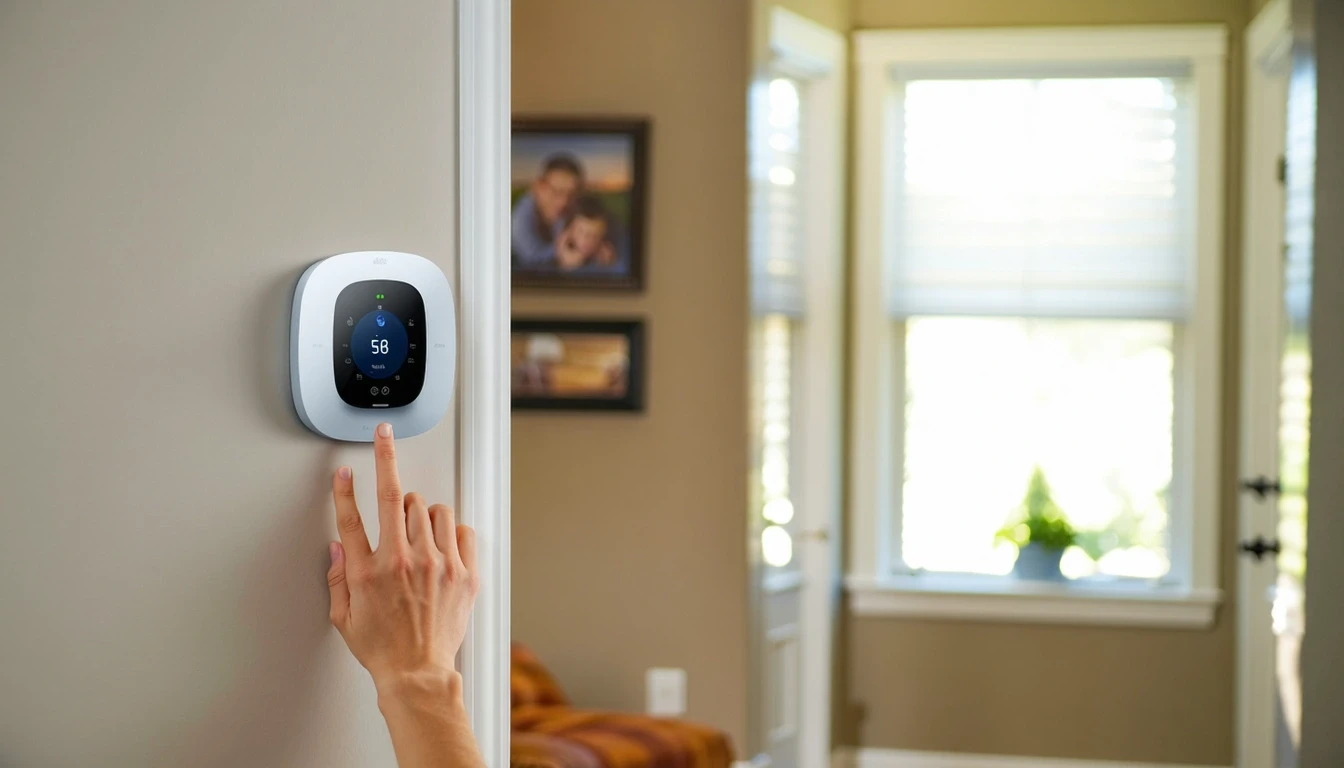
- Install a programmable or smart thermostat to automate temperature adjustments when you’re away or asleep
- Seal gaps around windows, doors, and ductwork to prevent air leaks and reduce heating and cooling demand
- Plant shade trees on south- and west-facing sides of your home to block summer sun and lower cooling costs
- Upgrade to LED bulbs and Energy Star appliances, which use less electricity and generate less heat
- Check for utility rebates on AC tune-ups, furnace replacements, or insulation upgrades
- Run dishwashers and laundry during off-peak hours if your provider offers time-based pricing
- Reduce water usage by fixing leaks, installing low-flow fixtures, and watering lawns early in the morning
🏆 Tip: Check if your provider in Cherry Hill offers rebates for energy-efficient AC units or heating systems. These programs can offset the upfront cost of upgrades and lower your bills for years.
How Cherry Hill’s Structure Shapes Daily Utility Use
The way Cherry Hill is built—its mix of walkable pockets, accessible grocery options, and strong family infrastructure—affects how households manage utilities in subtle but meaningful ways. Because food and grocery options are broadly accessible and school density is high, many families spend more time at home during the day, especially in summer and on weekends. That means air conditioning runs longer, refrigerators open more frequently, and water use for cooking, cleaning, and laundry stays consistently high. Homes in neighborhoods with good park access and playgrounds see kids coming and going throughout the day, which increases door traffic, lets conditioned air escape, and adds to the cooling or heating load.
Cherry Hill’s pedestrian-friendly pockets and rail transit access mean some households can reduce car dependency, but most residents still drive for work and errands, which doesn’t directly lower utility bills but does shape how people think about trade-offs between transportation and home energy costs. Families who work from home or have flexible schedules face higher daytime electricity and heating costs, since the house stays occupied and climate-controlled all day rather than sitting empty. In contrast, households where everyone commutes see lower midday usage but still face the same seasonal peaks when they return in the evening and turn on lights, appliances, and HVAC systems.
The presence of mixed-use areas and accessible daily errands also means Cherry Hill households make frequent short trips, which keeps refrigerators stocked and reduces the need for large chest freezers or backup appliances that draw power continuously. This structure—dense enough to support walkable access but suburban enough that most homes are single-family with yards—creates a utility profile that balances moderate baseline usage with sharp seasonal swings driven by climate exposure rather than lifestyle alone.
FAQs About Utility Costs in Cherry Hill
Why do utility bills in Cherry Hill vary so much between summer and winter? Cherry Hill’s climate creates dual-season cost peaks: summer air conditioning drives electric bills higher from June through September, while winter heating—whether gas or electric—creates a second spike from December through March. Homes with older HVAC systems, poor insulation, or inefficient windows see the steepest swings.
Do HOAs in Cherry Hill usually include trash or water in their fees? Many planned communities and townhome HOAs in Cherry Hill bundle trash, recycling, and sometimes water into monthly fees, which simplifies billing but means you pay regardless of usage. Single-family homeowners in non-HOA neighborhoods typically contract directly with providers and pay separately for each utility.
How much should a family of four budget for utilities in Cherry Hill each month? Utility costs depend on home size, fuel type, and seasonal weather, so there’s no single answer. Electricity and natural gas are the largest variables, with summer cooling and winter heating creating the highest bills. Tracking your usage across a full year gives you a realistic baseline for budgeting, and most providers offer budget billing to spread costs evenly.
Do utility providers in Cherry Hill offer budget billing or equalized payment plans? Yes, many providers in the region offer budget billing, which averages your annual usage and spreads it into equal monthly payments. This eliminates the shock of high summer or winter bills and makes budgeting more predictable, though you’ll still settle up at the end of the year if actual usage differs from the estimate.
Are trash and recycling billed separately in Cherry Hill or included with water service? It depends on your neighborhood. Some areas bundle trash and recycling with water bills, while others require separate contracts with private haulers. HOAs often include these services in monthly fees, so renters and homeowners in managed communities may not see separate line items for waste collection.
How Utilities Fit Into the Cost Structure in Cherry Hill
Utilities in Cherry Hill represent a significant but manageable piece of what shapes the cost of living, sitting between housing and transportation in terms of monthly impact. Electricity and natural gas dominate the utility budget, and their seasonal volatility means households need to plan for higher bills during summer cooling and winter heating months. Unlike rent or mortgage payments, which stay fixed, utility costs respond directly to weather, occupancy, and efficiency, giving you more control over how much you spend.
For families and homeowners, utilities add another layer of complexity to monthly expense planning, especially when combined with property taxes, insurance, and maintenance. Renters often face simpler utility structures because landlords or HOAs bundle some services, but tenant-paid electricity and gas still create seasonal swings that require budgeting flexibility. Understanding how utilities behave in Cherry Hill—what drives costs, when they peak, and where you can reduce exposure—helps you make informed decisions about housing type, efficiency upgrades, and day-to-day usage habits.
The key to managing utilities in Cherry Hill is recognizing that costs are driven more by intensity and duration of use than by base rates alone. Homes with good insulation, efficient HVAC systems, and smart thermostats experience smaller seasonal swings and lower annual totals. Households that track usage, take advantage of provider rebates, and adjust behavior during peak months can significantly reduce their exposure without sacrificing comfort. Utilities aren’t just a fixed cost—they’re a variable you can influence through planning, investment, and awareness of how your home and habits interact with Cherry Hill’s climate and infrastructure.
How this article was built: In addition to public economic data, this article incorporates location-based experiential signals derived from anonymized geographic patterns—such as access density, walkability, and land-use mix—to reflect how day-to-day living actually feels in Cherry Hill, NJ.