
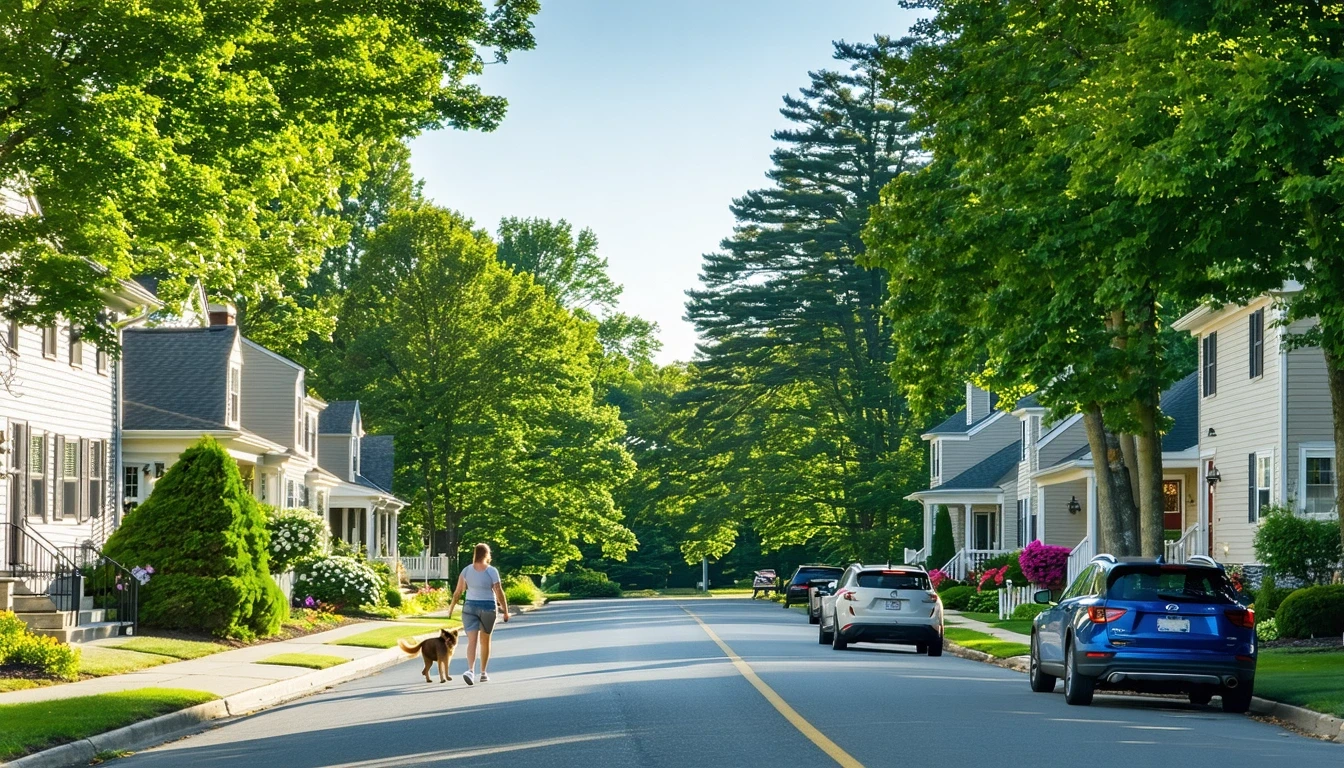
Is Cherry Hill the Right Place to Spend Your Golden Years?
When retirees consider where to settle for their next chapter, they’re weighing far more than just pleasant weather or low taxes. They’re asking: Can I access quality healthcare quickly? Will I find community and purpose? Can I afford to live comfortably without constant financial stress? Cherry Hill presents a compelling case for many retirees drawn to the Philadelphia metro area, offering a blend of suburban accessibility, strong medical infrastructure, and established senior networks. Yet it’s not without tradeoffs—New Jersey’s tax structure and cost profile demand careful planning, and the township’s car-oriented layout may not suit everyone as mobility needs evolve.
Cherry Hill earns a retirement suitability score of 78 out of 100, reflecting its strengths in healthcare access, community programming, and proximity to urban amenities, balanced against higher property taxes and moderate housing costs. The township’s appeal rests on three pillars: robust medical facilities within a short drive, a well-developed network of senior services and social opportunities, and a stable, family-oriented environment that many retirees find reassuring. For those prioritizing access to specialists, active programming, and a sense of established community, Cherry Hill delivers. For those seeking lower costs or walkable, transit-rich neighborhoods, the calculus becomes more complex.
Healthcare Access for Seniors
Healthcare infrastructure is often the single most important factor in retirement location decisions, and Cherry Hill performs exceptionally well in this domain. The township and surrounding Camden County host multiple hospital systems with strong reputations for senior care, including facilities affiliated with Cooper University Health Care and Virtua Health. Both systems maintain robust networks of specialists—cardiology, orthopedics, oncology, and geriatric medicine—within a 10-to-15-minute drive from most Cherry Hill neighborhoods. This proximity matters profoundly as routine specialist visits, diagnostic imaging, and outpatient procedures become more frequent with age.
Clinics are present throughout the township, offering routine primary care, lab services, and urgent care without the need to navigate hospital campuses. Pharmacies are broadly accessible, and most accept Medicare Part D plans without friction. For retirees managing chronic conditions, the density of medical resources reduces logistical burden and travel stress, allowing more energy for recovery and daily life. Physical therapy centers, cardiac rehab programs, and diabetes management services are embedded in the local healthcare ecosystem, making coordinated care more seamless.
While Cherry Hill does not host a major academic medical center within its borders, Philadelphia’s nationally ranked hospitals—including Penn Medicine and Jefferson Health—are accessible within 20 to 30 minutes, depending on traffic and location. This proximity provides a critical safety net for complex or rare conditions requiring tertiary care, while day-to-day medical needs remain locally manageable. Medicare acceptance rates are high across the region, and many providers participate in Medicare Advantage networks, though retirees should verify specific plan participation during open enrollment.
Senior-Friendly Amenities and Services
Cherry Hill has invested in senior programming and infrastructure over decades, resulting in a well-developed network of resources that support active aging and social connection. The township operates senior centers offering fitness classes, educational workshops, arts programming, and social events designed to reduce isolation and promote wellness. Adult day programs provide structured activities and supervision for those with cognitive or mobility challenges, offering respite for family caregivers while maintaining engagement for participants.
Transportation remains a critical consideration in a township where car dependency is the norm. While rail transit is present in Cherry Hill, and bus service operates along major corridors, most retirees rely on personal vehicles for errands, medical appointments, and social activities. For those who no longer drive or prefer not to, senior shuttle services and ride-hailing options provide alternatives, though advance planning is often required. Grocery delivery has expanded significantly in recent years, with major chains and third-party services covering most of the township, reducing the friction of weekly shopping trips.
Libraries and community colleges in the area offer lifelong learning opportunities, from technology classes to lecture series, appealing to retirees seeking intellectual engagement. Recreational facilities—including walking paths, parks, and fitness centers—are present throughout Cherry Hill, though their accessibility varies by neighborhood. For retirees prioritizing walkability and outdoor access, proximity to specific parks or mixed-use corridors becomes an important factor in housing selection.
Cost of Living for Retirees
Retirement budgets in Cherry Hill are shaped by three dominant forces: housing costs, property taxes, and healthcare expenses. The township’s median home value of $281,700 positions it as moderately expensive within the Philadelphia metro area, though still more affordable than many coastal or urban retirement destinations. For retirees downsizing from larger family homes, condos and townhomes in 55+ communities offer lower maintenance burdens and built-in social networks, typically ranging from the low $200,000s to over $400,000 depending on location and amenities.
Property taxes in New Jersey are among the highest in the nation, and Cherry Hill is no exception. While the state offers some senior exemptions and deductions—including the Senior Freeze (Property Tax Reimbursement) program for eligible households—these programs have income and residency requirements that not all retirees will meet. For those on fixed incomes, property taxes represent a significant and ongoing expense that must be factored into long-term affordability, especially as assessments and municipal budgets evolve.
Utilities in Cherry Hill reflect the township’s four-season climate, with electricity rates at 22.73¢ per kWh and natural gas priced at $17.94 per MCF. Heating costs during cold winters and cooling expenses during humid summers create seasonal spikes in utility bills, though energy efficiency upgrades and senior rate programs can help moderate exposure. Many utility providers offer budget billing and assistance programs for income-qualified seniors, reducing month-to-month volatility.
New Jersey does not tax Social Security benefits, which provides meaningful relief for retirees relying on that income stream. However, the state does tax other forms of retirement income—including pensions and withdrawals from 401(k) and IRA accounts—though exemptions and exclusions apply based on income level and age. Medicare supplement (Medigap) premiums and out-of-pocket healthcare costs vary widely based on plan selection and individual health needs, but retirees should budget for these as recurring monthly expenses alongside housing and utilities.
Monthly Retirement Budget in Cherry Hill
Here’s what a typical monthly retirement budget might look like in Cherry Hill:
| Expense Category | Modest Lifestyle | Comfortable Lifestyle |
|---|---|---|
| Housing (mortgage/rent or condo fee) | $1,200 | $1,800 |
| Property Taxes | $600 | $750 |
| Utilities (electric, gas, water) | $200 | $250 |
| Healthcare (premiums, copays, Rx) | $400 | $600 |
| Groceries and Dining | $450 | $700 |
| Transportation (gas, insurance, maintenance) | $300 | $450 |
| Entertainment and Recreation | $150 | $350 |
| Miscellaneous (personal care, gifts, etc.) | $200 | $400 |
| Total Monthly | $3,500 | $5,300 |
Estimates based on average senior spending patterns and local costs.
Community and Social Opportunities
One of Cherry Hill’s quiet strengths for retirees is the depth of its social infrastructure. Senior groups, hobby clubs, and volunteer organizations provide structured opportunities for connection and purpose, which research consistently links to better health outcomes and life satisfaction in later years. Faith communities are well-established across the township, offering not only worship but also social programming, support networks, and service opportunities that many retirees find meaningful.
Recreation programs tailored to older adults—including walking groups, fitness classes, and arts workshops—are widely available through municipal centers, private gyms, and nonprofit organizations. Seasonal events, farmers markets, and cultural activities create regular touchpoints for community engagement, while intergenerational programs connect seniors with younger residents through mentorship, tutoring, and shared projects.
For retirees with family nearby, Cherry Hill’s location within the Philadelphia metro area offers strong visiting accessibility. The township is well-connected by major highways, and Philadelphia International Airport is roughly 20 minutes away, making it easier for out-of-town relatives to visit or for retirees to travel themselves. This proximity to family—whether adult children, grandchildren, or siblings—often weighs heavily in retirement location decisions, and Cherry Hill’s position as a suburban hub within a larger metro area serves that need well.
Aging in Place Considerations
As mobility and health needs evolve, the question of whether Cherry Hill supports aging in place becomes critical. The township’s car-oriented layout presents challenges for retirees who can no longer drive safely or prefer not to. While some neighborhoods feature sidewalks and nearby amenities, many areas require a vehicle for grocery shopping, medical appointments, and social activities. This reality makes advance planning essential: retirees should consider proximity to services, availability of transportation alternatives, and the feasibility of home modifications before committing to a specific property.
Home modification services—including grab bar installation, ramp construction, and bathroom retrofits—are available through local contractors and aging-in-place specialists. These modifications can extend the number of years a home remains safe and functional, delaying or avoiding the need for assisted living. In-home care services, ranging from companion care to skilled nursing, are accessible in Cherry Hill, though costs vary widely and are typically not covered by Medicare except under specific conditions.
For retirees who eventually require more support, Cherry Hill and surrounding communities offer a range of assisted living facilities and memory care options. Touring these facilities early, understanding their admission criteria and cost structures, and discussing preferences with family members can reduce stress and uncertainty when transitions become necessary. Emergency services in Cherry Hill are responsive, and the township’s proximity to major hospitals ensures that acute medical needs can be addressed quickly.
Climate considerations also factor into aging in place. Cherry Hill experiences cold winters and hot, humid summers, which can pose challenges for seniors with arthritis, respiratory conditions, or limited tolerance for temperature extremes. Homes with efficient heating and cooling systems, good insulation, and manageable outdoor maintenance reduce weather-related stress and help retirees remain comfortable year-round.
FAQs About Retirement in Cherry Hill
What’s the average cost of retirement in Cherry Hill?
A modest retirement lifestyle in Cherry Hill typically requires $3,500 to $4,000 per month, covering housing, utilities, healthcare, food, and transportation. A more comfortable lifestyle, with additional discretionary spending and lower housing cost-sharing, may require $5,000 to $6,000 per month. Property taxes and healthcare expenses are the largest variables, and retirees should plan for these costs to rise over time.
How good is healthcare access for seniors?
Healthcare access in Cherry Hill is excellent. Multiple hospital systems, specialist networks, and outpatient facilities are located within a short drive, and clinics are present throughout the township. Medicare acceptance is high, and proximity to Philadelphia’s academic medical centers provides access to specialized and tertiary care when needed. For retirees prioritizing medical infrastructure, Cherry Hill ranks among the strongest options in the region.
Are there active senior communities?
Yes. Cherry Hill has a well-developed network of senior centers, recreational programs, and social groups. Many 55+ communities offer built-in social activities, fitness centers, and organized events. Faith communities, volunteer organizations, and hobby clubs provide additional opportunities for connection and engagement, reducing the risk of isolation.
What are the tax implications of retiring in New Jersey?
New Jersey does not tax Social Security benefits, which is a significant advantage for retirees. However, the state does tax other retirement income, including pensions and distributions from 401(k) and IRA accounts, though exemptions and exclusions apply based on age and income. Property taxes in New Jersey are among the highest in the nation, and while some senior relief programs exist, eligibility is limited. Retirees should consult a tax professional to understand their specific exposure and plan accordingly.
Making the Move: Is Cherry Hill Right for Your Retirement?
Cherry Hill offers a strong foundation for retirement: accessible healthcare, established senior services, and a stable community environment. For retirees who value proximity to medical specialists, active programming, and connection to the Philadelphia metro area, the township delivers meaningful advantages. Its location allows retirees to remain close to family, access urban amenities when desired, and benefit from a well-developed suburban infrastructure.
Yet Cherry Hill is not a low-cost retirement destination. Property taxes, housing expenses, and the need for a personal vehicle create ongoing financial pressure that retirees on fixed incomes must manage carefully. The township’s car-oriented layout may not suit those seeking walkable, transit-rich neighborhoods, and New Jersey’s tax treatment of retirement income requires careful planning to avoid surprises.
For retirees evaluating Cherry Hill, the decision hinges on priorities: if healthcare access, community resources, and proximity to family outweigh cost concerns and car dependency, Cherry Hill is worth serious consideration. If minimizing expenses or maximizing walkability are primary goals, other locations may offer better alignment. Visiting the township, touring neighborhoods and senior facilities, and speaking with current retirees can provide the ground-level insight needed to make an informed choice. Retirement is not one-size-fits-all, and Cherry Hill’s fit depends on the specific needs, preferences, and financial realities of each household.
How this article was built: In addition to public economic data, this article incorporates location-based experiential signals derived from anonymized geographic patterns—such as access density, walkability, and land-use mix—to reflect how day-to-day living actually feels in Cherry Hill, NJ.