
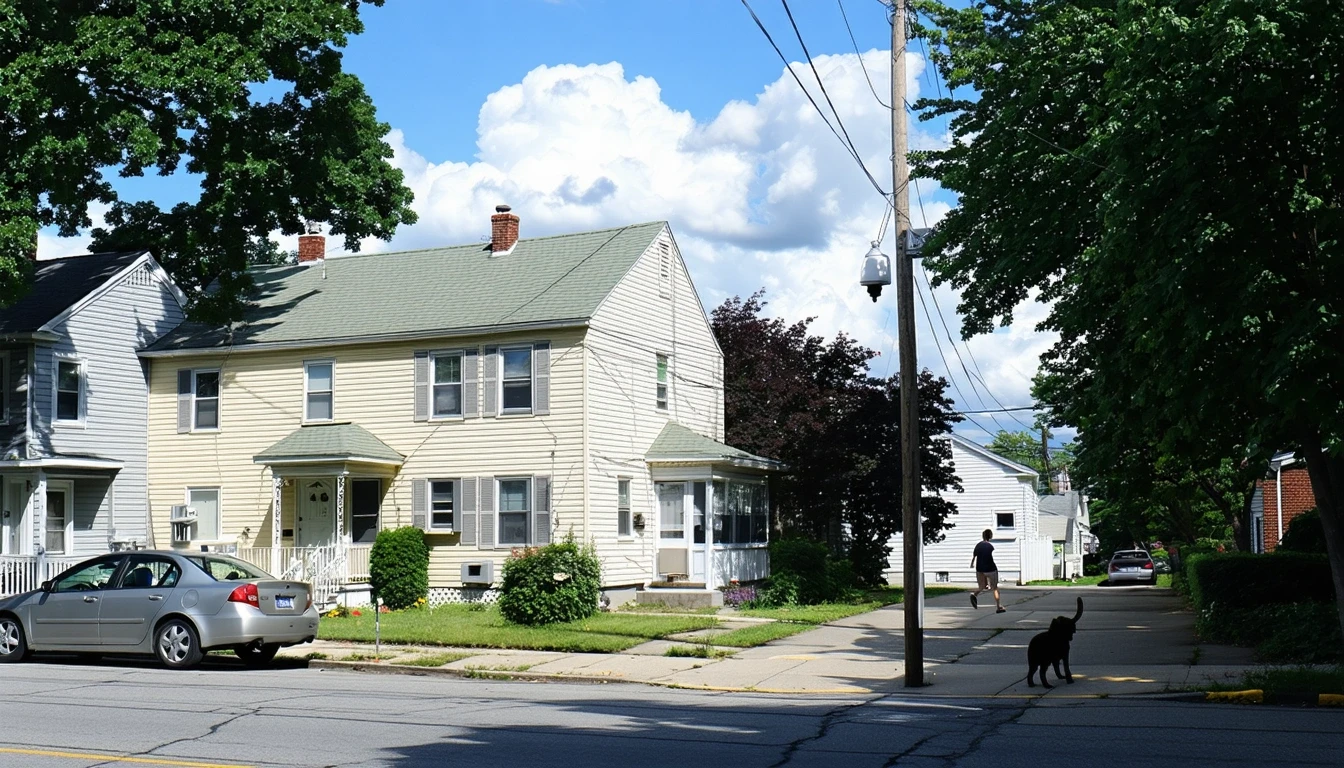
The Housing Market in Camden Today
Camden’s housing market in 2025 is shaped by its proximity to Philadelphia, local economic drivers, and ongoing revitalization efforts. As a city on the rebound, Camden offers lower housing costs compared to nearby metros while still providing access to major employers like Cooper University Health Care, Subaru of America, and the Campbell Soup Company.
The median home price in Camden is $115,000, significantly below the national average and neighboring Philadelphia’s $265,000 median. This relative affordability has attracted first-time homebuyers and investors looking for value in the greater Delaware Valley region. However, Camden’s property tax rate of 3.274% is among the highest in New Jersey, adding to the total cost of homeownership.
Rental prices in Camden are also comparatively low, with a median rent of $1,100 for a 2-bedroom apartment. The city’s renter population is diverse, including young professionals commuting to Philly, students attending Rutgers University-Camden, and long-time residents. Rent prices vary by neighborhood, with higher costs in University District and Waterfront South compared to more affordable areas like Whitman Park and Centerville.
Renting in Camden: Typical Costs and Trends
As of 2025, the typical rent for a 1-bedroom apartment in Camden ranges from $900 to $1,200 per month, while 2-bedroom units average between $1,100 and $1,500. These prices are influenced by factors like proximity to downtown Camden, access to the PATCO Speedline for commuting to Philadelphia, and the overall quality and amenities of the rental property.
Neighborhoods closer to the Delaware River waterfront and the growing education and medical district around Cooper University Hospital tend to have higher rents. For example, newer apartments in the Victor Building can cost upwards of $1,800 for a 2-bedroom. More affordable rentals can be found in neighborhoods like Fairview and Parkside, where 2-bedrooms average around $1,000 monthly.
Camden’s renter population includes a mix of young professionals, students, and working-class families. Proximity to transit is a key factor, with the PATCO Speedline and NJ Transit’s River LINE light rail connecting Camden to Philadelphia and Trenton. Many renters also work locally at major employers like the Rutgers Camden campus, Virtua Our Lady of Lourdes hospital, and the Adventure Aquarium on the waterfront.
Owning a Home in Camden: Prices, Taxes, and HOA Fees
The median home price in Camden is $115,000 as of 2025, with starter homes available for under $100,000 and newer construction and waterfront properties commanding prices above $300,000. Camden’s property tax rate is 3.274%, among the highest in New Jersey. For a home assessed at the median value of $115,000, annual property taxes would be approximately $3,765.
While HOA communities are less common in Camden compared to suburban areas, some newer townhome and condo developments do charge monthly fees. These HOA fees typically range from $100 to $300 per month, covering exterior maintenance, trash removal, and sometimes amenities like parking or small outdoor spaces. However, many of Camden’s single-family homes do not have HOA fees.
It’s important for homebuyers in Camden to factor in the total cost of ownership beyond the list price and mortgage payment. With one of the highest property tax rates in the state, taxes can add significantly to the monthly housing cost. Homeowners insurance, utilities, and maintenance costs are also important considerations when evaluating the affordability of buying a home in Camden.
Apartment vs House in Camden: Side-by-Side Costs
| Monthly Expense | Apartment (2BR) | House (3BR) |
|---|---|---|
| Rent/Mortgage Payment | $1,100 | $950 |
| Property Tax | N/A (included in rent) | $314 |
| Utilities | $150 | $250 |
| Insurance | $15 (renters) | $80 (homeowners) |
| HOA Fees | N/A | $150 (if applicable) |
| Maintenance & Repairs | N/A | $200 |
| Monthly Total | $1,265 | $1,944 |
Methodology: Housing estimates for 2025 in Camden use published rent and sale price data, local property tax rates, and typical HOA fees where available. When city-specific numbers are missing, regional ranges for similar New Jersey markets are applied. All totals are rounded and expressed as monthly costs. Actual expenses vary depending on neighborhood, housing type, and household size.
Utility & Upkeep Differences
Utility costs in Camden vary between apartments and houses due to differences in square footage, energy efficiency, and direct billing. Renters typically pay for electricity, gas, and sometimes water/sewer, while other utilities may be included in rent. Homeowners are responsible for all utilities plus additional costs like trash removal and optional services like cable and internet.
Camden’s climate means both heating and cooling costs need to be considered. Older homes may have higher utility bills due to less efficient HVAC systems and insulation. Homes with yards also require ongoing maintenance like landscaping, tree trimming, and snow removal in winter. These costs can add up quickly for homeowners, whereas renters generally have more predictable and limited utility and upkeep expenses.
5-Year Rent vs Buy Outlook
Looking at a 5-year horizon in Camden, the decision to rent or buy depends on individual circumstances, long-term plans, and the specific property in question. Assuming a 4% annual appreciation rate, a $115,000 home purchased in 2025 would be worth around $140,000 in 2030. The same home would accrue approximately $18,825 in property taxes over those five years.
On the rental side, assuming a 3% annual increase, a $1,100 per month 2-bedroom apartment would cost a total of $71,138 over five years. Renters would avoid property taxes and maintenance costs but would not build equity. For those planning to stay in Camden long-term, buying may be advantageous, while renting offers more flexibility for short-term residents or those unsure of their long-term plans.
Other factors to consider include the opportunity cost of a down payment, potential income tax deductions for homeowners, and the likelihood of rent increases versus fixed mortgage payments. Ultimately, the rent vs buy decision is highly personal and depends on one’s financial situation, lifestyle preferences, and long-term goals.
FAQs About Housing Costs in Camden
- How much are HOA fees in Camden?
HOA fees in Camden typically range from $100 to $300 per month for properties that have them, such as newer townhomes and condos. However, many single-family homes in Camden do not have HOA fees. - What is the property tax rate in Camden?
Camden’s property tax rate is 3.274% as of 2025, which is among the highest in New Jersey. For a home assessed at the median value of $115,000, annual property taxes would be approximately $3,765. - Is renting cheaper than buying long-term in Camden?
Whether renting or buying is cheaper in the long run depends on factors like home appreciation, rent increases, and the specific property. Buying may be advantageous for those staying 5+ years, while renting offers flexibility for short-term residents. - Do houses have higher utility costs than apartments?
Houses in Camden typically have higher utility costs than apartments due to larger square footage, less efficient systems, and additional expenses like water/sewer and trash removal that may be included in rent for apartments. - What’s the monthly cost difference between apartments and houses in Camden?
On average, the monthly cost difference between renting a 2-bedroom apartment and owning a 3-bedroom house in Camden is around $680, with houses being more expensive. However, this varies widely by neighborhood and property specifics.
Making Smart Housing Choices in Camden
When deciding whether to rent or buy a home in Camden, it’s essential to consider your long-term plans, financial situation, and lifestyle preferences. Evaluate the total monthly costs of each option, including hidden expenses like property taxes, insurance, and maintenance. Use a monthly budget calculator to determine what you can comfortably afford.
If you plan to stay in Camden for several years and have the financial means, buying a home can be a smart investment. You’ll build equity over time and may benefit from tax deductions. However, be prepared for the added responsibilities and costs of homeownership, such as repairs and property taxes.
Renting may be the better choice if you value flexibility, have a limited budget, or are unsure of your long-term plans. You’ll have fewer upfront costs and can more easily relocate for job opportunities or personal reasons. Just be aware of the potential for rent increases over time.
Regardless of whether you rent or buy, be sure to research the specific neighborhood and property you’re considering. Factor in commute times, access to amenities, and the overall safety and quality of life in the area. If you’re new to Camden, consider visiting in person or talking to locals to get a feel for different neighborhoods before making a decision.
By carefully weighing your options and understanding the true costs of renting and buying in Camden, you can make a smart housing choice that fits your budget and enhances your quality of life in this dynamic and evolving city.