
Which city gives you more for your money? For households weighing a move within the Washington, D.C. metro area in 2026, Laurel and College Park represent two distinct approaches to suburban life—each with different cost pressures, commute realities, and lifestyle tradeoffs. Both cities sit in Maryland’s inner suburbs, connected by rail transit and shaped by proximity to federal employment hubs and the University of Maryland. But the decision between them isn’t about which is “cheaper overall.” It’s about understanding where costs concentrate, how daily logistics unfold, and which household types feel financial pressure most acutely in each place.
Laurel attracts families and dual-income households seeking space, strong schools, and a higher median income baseline. College Park draws students, young professionals, and households prioritizing shorter commutes and walkable, bike-friendly infrastructure. The cost structures reflect these differences: Laurel front-loads housing affordability but imposes longer commutes and higher transportation exposure, while College Park raises the entry barrier for homeownership but reduces time costs and car dependence. Neither city is universally better—the right choice depends on which costs dominate your household budget and which tradeoffs you’re willing to manage.
This comparison explains how housing, utilities, groceries, transportation, and local fees behave differently in Laurel and College Park in 2026. It identifies which households experience more predictability, more volatility, and more control in each city—without declaring a winner or calculating total monthly expenses.
Housing Costs: Entry Barriers and Ongoing Obligations
Housing separates these two cities most clearly. College Park’s median home value sits at $404,700, while Laurel’s stands at $354,400—a difference that matters primarily for buyers navigating down payments, mortgage approval, and monthly principal-and-interest obligations. For renters, the gap nearly disappears: College Park’s median gross rent is $1,838 per month, compared to Laurel’s $1,831 per month. The rental markets function almost identically in terms of baseline cost, but the ownership markets diverge in ways that shape long-term financial exposure.
In College Park, the higher home values reflect proximity to the University of Maryland, denser mixed-use development, and competition from faculty, staff, and professionals seeking walkable access to campus and Metro stations. The housing stock skews toward townhomes, condos, and smaller single-family homes on compact lots. Buyers face a steeper entry barrier, but ongoing costs—property taxes, insurance, maintenance—don’t necessarily scale proportionally. In Laurel, lower home values open ownership to a broader range of households, including first-time buyers and families prioritizing yard space and school access. The housing stock includes more single-family detached homes, and the vertical building profile suggests a mix of townhomes and mid-rise apartments that support family-oriented density without sacrificing space.
For renters, the decision hinges less on monthly rent and more on what that rent buys: College Park offers shorter commutes, better bike infrastructure, and proximity to campus amenities, while Laurel provides access to stronger family infrastructure, more parks, and a quieter residential character. For buyers, the tradeoff is sharper. College Park demands more upfront capital and exposes households to higher property tax bases, but it rewards that investment with lower transportation costs and reduced commute friction. Laurel lowers the ownership entry barrier and spreads housing costs across larger homes, but it shifts financial pressure toward transportation, commute time, and the need for reliable vehicles.
| Housing Type | Laurel | College Park |
|---|---|---|
| Median Home Value | $354,400 | $404,700 |
| Median Gross Rent | $1,831/month | $1,838/month |
| Ownership Entry Barrier | Lower | Higher |
| Rental Cost Difference | Negligible | Negligible |
The housing takeaway is conditional. First-time buyers and families sensitive to down payment size may find Laurel more accessible, particularly if they can absorb longer commutes and higher transportation costs. Households prioritizing commute time, walkability, and reduced car dependence may justify College Park’s higher home values by treating the difference as an investment in time savings and lifestyle flexibility. Renters face nearly identical baseline costs, so the decision shifts entirely to non-housing factors: commute friction, errands accessibility, and daily logistics.
Utilities and Energy Costs: Predictability and Seasonal Exposure
Utility costs in Laurel and College Park behave similarly in structure but differ slightly in rates and exposure. Laurel’s electricity rate is 20.08¢ per kWh, compared to College Park’s 19.57¢ per kWh—a difference too small to drive household decisions on its own. Natural gas pricing is nearly identical: Laurel pays $15.96 per MCF, while College Park pays $15.87 per MCF. Both cities experience the same regional climate patterns, with hot, humid summers that demand extended air conditioning and moderate winters that require heating but rarely impose extreme cold-weather stress.
The real difference in utility exposure comes from housing stock, not rates. In Laurel, the mix of single-family homes and more vertical development means households occupy a range of building types, from older detached homes with less efficient insulation to newer townhomes with tighter envelopes. Larger homes with more square footage, older HVAC systems, and less efficient windows experience higher baseline usage and more pronounced seasonal swings. In College Park, the housing stock skews toward smaller footprints—townhomes, condos, and apartments—many of which benefit from shared walls, newer construction standards, and reduced exposure to outdoor temperature extremes. Smaller units with less square footage and more efficient building envelopes tend to experience lower baseline usage and more predictable bills.
For single adults and couples living in apartments or townhomes, utility costs in both cities remain manageable and relatively predictable. Summer cooling drives the highest bills, but the exposure is limited by unit size and building efficiency. For families in larger single-family homes, particularly older construction, utility costs become more volatile and harder to control. Laurel’s higher prevalence of detached homes means more households face this exposure, while College Park’s denser, more compact housing stock insulates more residents from extreme swings. Neither city offers local programs or billing structures that fundamentally change this dynamic—utility exposure is driven primarily by housing type, home age, and household size.
The utility takeaway is straightforward. Households in smaller, newer units experience more predictable utility costs in both cities, with College Park’s housing stock offering slightly more insulation from volatility due to denser, more efficient building types. Families in larger, older homes—more common in Laurel—face higher baseline usage and more pronounced seasonal swings, particularly during summer cooling months. The cost driver isn’t the rate; it’s the building itself and how much square footage needs to be heated or cooled.
Groceries and Daily Expenses: Price Sensitivity and Access Patterns
Grocery and daily expense pressure in Laurel and College Park reflects subtle price differences and more significant access patterns. College Park’s regional price parity index sits at 104, compared to Laurel’s 102—a marginal difference that translates into slightly higher derived grocery prices across staples. For example, ground beef costs an estimated $7.02 per pound in College Park versus $6.84 per pound in Laurel; eggs cost $2.68 per dozen in College Park versus $2.39 per dozen in Laurel. These differences are real but small, and they matter most for households managing tight grocery budgets or buying in high volume.
Both cities show broadly accessible food and grocery options, with high density of food establishments and grocery stores that exceed typical suburban thresholds. This means residents in both Laurel and College Park can run errands without long drives, access multiple grocery formats (discount chains, mid-tier supermarkets, specialty stores), and choose between convenience and price optimization. The difference lies in how those errands fit into daily routines. In College Park, walkable pockets, notable bike infrastructure, and rail transit make it easier to combine grocery trips with other errands or commutes, reducing the need for dedicated car trips. In Laurel, walkable pockets exist but bike infrastructure is less developed, so grocery runs more often require a car even when stores are nearby.
For single adults and couples, grocery spending in both cities remains flexible. The price difference is too small to dictate behavior, and access is strong enough that households can shop at discount chains, buy in bulk, or prioritize convenience without facing scarcity. For families managing larger grocery volumes, the price sensitivity becomes more noticeable—particularly in categories like meat, dairy, and eggs where College Park’s slightly higher prices compound over weekly shopping trips. But the bigger cost driver isn’t price; it’s time and logistics. Families in Laurel who rely on cars for every grocery trip absorb more transportation costs and time costs, while families in College Park who can walk, bike, or combine errands with transit commutes reduce friction even if they pay marginally more per item.
The grocery takeaway is nuanced. Households highly sensitive to per-item grocery prices may find Laurel’s slightly lower cost structure more favorable, particularly for families buying in volume. Households prioritizing convenience, reduced car dependence, and the ability to combine errands with other trips may prefer College Park’s infrastructure, even if prices are marginally higher. The difference is less about total grocery spending and more about how grocery shopping fits into the broader logistics of daily life.
Taxes and Fees: Predictability and Long-Term Exposure
Taxes and local fees in Laurel and College Park follow similar regional structures but differ in how they interact with housing values and household tenure. Both cities sit in Maryland, subject to state income taxes, state sales taxes, and county property tax rates. The primary difference comes from property tax exposure, which scales with home values. College Park’s higher median home value means homeowners face higher annual property tax bills, even if the effective tax rate remains the same. For a household buying at the median, the difference in assessed value translates directly into higher ongoing tax obligations—an exposure that compounds over years of ownership.
Renters in both cities are insulated from direct property tax exposure, though landlords may pass some of that cost through in rent. Given that median rents are nearly identical, this pass-through appears minimal or absorbed by other market dynamics. For renters, the more relevant fees are those tied to housing type: trash collection, water and sewer, parking permits, and HOA fees in condo or townhome communities. In both cities, these fees vary more by building type than by location. Newer developments and managed communities tend to bundle services into HOA fees, while older single-family rentals may leave tenants responsible for separate utility accounts and trash service.
For homeowners, the tax and fee structure rewards long-term tenure in Laurel more than in College Park. Lower home values mean lower property tax bases, and the gap widens over time as assessed values adjust. Homeowners planning to stay several years benefit from locking in lower tax exposure early, particularly if they buy below the median. In College Park, higher home values mean higher tax exposure from day one, but the tradeoff is access to walkable infrastructure, shorter commutes, and reduced transportation costs that may offset the tax difference. Homeowners planning to move within a few years face less differentiation—the tax gap matters less over short holding periods.
The tax and fee takeaway is conditional. Homeowners planning long-term tenure and sensitive to ongoing property tax exposure may prefer Laurel’s lower assessed values, which reduce annual tax obligations and compound savings over time. Homeowners willing to absorb higher property taxes in exchange for reduced transportation costs and shorter commutes may find College Park’s structure more favorable, particularly if they value time savings and walkability. Renters face minimal differentiation, with fees driven more by housing type and building age than by city-level policy.
Transportation and Commute Reality: Time Costs and Car Dependence
Transportation separates Laurel and College Park more sharply than any other cost category. Laurel’s average commute time is 33 minutes, with 54.9% of workers facing long commutes. College Park’s average commute is 24 minutes, with 37.0% facing long commutes. That nine-minute difference compounds daily, turning into hours per week and days per year. For households where both adults commute, the time cost doubles. Laurel’s longer commutes reflect its position farther from D.C.’s core employment centers, while College Park’s shorter commutes benefit from proximity to the University of Maryland, federal agencies in nearby Greenbelt and College Park, and direct Metro access.
Both cities have rail transit, but the commute patterns suggest different levels of car dependence. In Laurel, 14.7% of workers work from home, compared to 8.1% in College Park. The lower work-from-home rate in College Park may reflect the university’s on-campus employment and student population, where remote work is less common. But the longer commutes in Laurel mean more households rely on cars for daily travel, even when rail transit exists. Gas prices reinforce this difference: Laurel’s gas price is $4.01 per gallon, compared to College Park’s $2.94 per gallon—a gap large enough to affect weekly fuel budgets for households driving 25 miles or more per day.
College Park’s notable bike infrastructure and walkable pockets reduce car dependence for errands, short trips, and campus access. Households can combine transit commutes with bike trips for groceries, dining, or recreation, lowering the need for a second vehicle. In Laurel, walkable pockets exist but bike infrastructure is less developed, so most trips require a car. For single adults and couples, this difference is manageable—one reliable vehicle covers commutes and errands. For families, the gap widens. Longer commutes in Laurel mean more time spent in cars, higher fuel costs, and greater exposure to vehicle maintenance and insurance expenses. College Park’s shorter commutes and multimodal infrastructure allow families to reduce car dependence, delay second-vehicle purchases, and absorb less transportation volatility.
Households highly sensitive to commute time and car dependence may find College Park’s infrastructure more favorable, particularly if they can walk, bike, or use transit for daily errands. Households willing to absorb longer commutes in exchange for lower housing entry costs may prefer Laurel, but they must account for higher fuel costs, more vehicle wear, and the time cost of extended daily travel.
Cost Structure Comparison: Where Pressure Concentrates
Housing pressure dominates the cost experience in both cities, but the nature of that pressure differs. In College Park, the challenge is entry: higher home values require larger down payments, higher closing costs, and stronger income documentation. Once inside, homeowners face higher property taxes but benefit from shorter commutes, reduced transportation costs, and walkable access to errands. In Laurel, the entry barrier is lower, making ownership accessible to a broader range of households. But the tradeoff is ongoing: longer commutes, higher fuel costs, and greater reliance on cars shift financial pressure from housing to transportation.
Utilities introduce more volatility in Laurel, not because rates are higher but because the housing stock includes more single-family homes with larger square footage and older construction. Families in detached homes face higher baseline usage and more pronounced seasonal swings, particularly during summer cooling months. In College Park, denser housing stock and smaller unit sizes insulate more households from extreme utility volatility, though families in older townhomes or larger units still experience seasonal pressure.
Transportation patterns matter more in Laurel, where longer commutes and higher gas prices compound daily. Households with two commuters absorb double the time cost and double the fuel exposure. In College Park, shorter commutes and multimodal infrastructure reduce car dependence and lower the baseline cost of getting to work, running errands, and managing household logistics. The time savings alone shift how households experience daily life, even if the dollar difference is harder to quantify.
Grocery and daily expenses show minimal differentiation. College Park’s slightly higher prices matter for families buying in volume, but the difference is small enough that access patterns and convenience dominate. Both cities offer broadly accessible food and grocery options, so the decision hinges on whether households prioritize per-item price optimization or reduced friction in daily errands.
The cost structure comparison is not about totals—it’s about where pressure shows up and which households feel it most. Households sensitive to housing entry barriers and property tax exposure may prefer Laurel, particularly if they can absorb longer commutes and higher transportation costs. Households sensitive to commute time, car dependence, and daily logistics friction may prefer College Park, particularly if they can manage higher home values and property taxes. For households where both adults commute, the time cost difference between Laurel and College Park compounds into a lifestyle tradeoff that no single dollar figure can capture.
How the Same Income Feels in Laurel vs College Park
Single Adult
For a single adult, the first non-negotiable cost is housing—whether rent or mortgage. In College Park, higher home values make ownership harder to reach, but rent is nearly identical to Laurel. The difference emerges in transportation: College Park’s shorter commute and walkable errands reduce car dependence, lowering fuel costs and making a single vehicle sufficient. In Laurel, longer commutes and higher gas prices make transportation less flexible, and the time cost of commuting reduces flexibility for evening errands or social plans. College Park rewards households willing to trade housing entry barriers for reduced transportation friction, while Laurel rewards those who prioritize lower ownership costs and can absorb longer commutes.
Dual-Income Couple
For a dual-income couple, the commute friction doubles. In Laurel, two long commutes mean more time in cars, higher fuel costs, and greater exposure to vehicle maintenance. The lower home values make ownership more accessible, but the ongoing transportation costs and time costs reduce flexibility for other spending or leisure. In College Park, shorter commutes and rail transit reduce car dependence, making it easier to manage with one vehicle or delay a second-car purchase. The higher home values demand more upfront capital, but the reduced transportation exposure and time savings create more predictable daily routines. Flexibility exists in College Park through infrastructure; in Laurel, flexibility exists through lower housing entry costs.
Family with Kids
For a family with kids, non-negotiable costs expand to include school access, childcare logistics, and the ability to manage errands without constant car trips. In Laurel, strong family infrastructure and high school density support family-oriented living, and lower home values make it easier to afford space for children. But longer commutes mean less time at home, and the need for reliable vehicles increases exposure to transportation volatility. In College Park, moderate family infrastructure and shorter commutes reduce time pressure, and walkable errands make daily logistics easier to manage. The higher home values demand more income to qualify, but the reduced commute friction and multimodal infrastructure lower the logistical burden of managing school drop-offs, grocery runs, and extracurriculars.
Decision Matrix: Which City Fits Which Household?
| Decision Factor | If You’re Sensitive to This… | Laurel Tends to Fit When… | College Park Tends to Fit When… |
|---|---|---|---|
| Housing entry + space needs | Down payment size, mortgage approval, yard space | You prioritize lower home values and more space per dollar | You can absorb higher home values for walkable access and shorter commutes |
| Transportation dependence + commute friction | Daily commute time, fuel costs, car reliance | You can absorb longer commutes and higher gas prices for lower housing costs | You prioritize shorter commutes and reduced car dependence |
| Utility variability + home size exposure | Seasonal bill swings, square footage, building age | You accept higher utility volatility in exchange for larger homes | You prefer smaller, denser units with more predictable utility costs |
| Grocery strategy + convenience spending creep | Per-item prices, bulk buying, errand logistics | You prioritize slightly lower grocery prices and can drive for errands | You value walkable errands and reduced friction even if prices are marginally higher |
| Fees + friction costs (HOA, services, upkeep) | Property taxes, ongoing obligations, long-term tenure | You plan long-term tenure and want lower property tax exposure | You can absorb higher property taxes for reduced transportation costs |
| Time budget (schedule flexibility, errands, logistics) | Commute hours per week, errand friction, daily routines | You can trade time for lower housing entry costs | You prioritize time savings and reduced daily logistics friction |
Lifestyle Fit: Infrastructure and Daily Routines
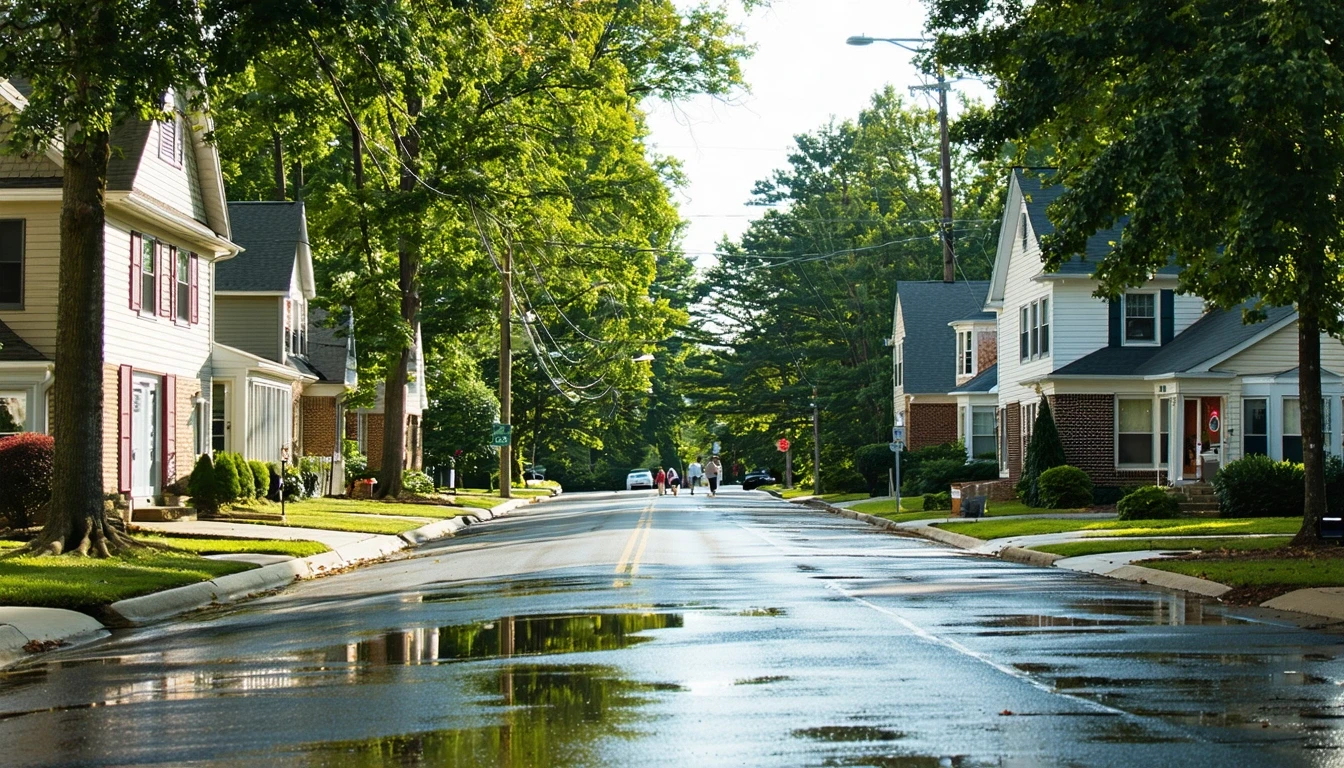
Lifestyle differences between Laurel and College Park extend beyond costs into how daily routines unfold. Both cities offer rail transit, walkable pockets, and broadly accessible errands, but the character of daily life differs. In Laurel, the infrastructure supports family-oriented living: high school density, integrated parks, and water features create a residential environment where children can walk to school, families can access green space, and neighborhoods feel quieter and more suburban. The more vertical building profile suggests a mix of townhomes and mid-rise apartments that support density without sacrificing space, and the walkable pockets make it possible to run errands on foot in certain neighborhoods—though most trips still require a car.
In College Park, the infrastructure reflects its role as a college town. The University of Maryland shapes the commercial landscape, cultural amenities, and transit patterns. Notable bike infrastructure and walkable pockets make it easier to navigate without a car, and the rail transit connects directly to D.C. and other metro employment centers. The moderate family infrastructure means schools and playgrounds exist but don’t dominate the landscape the way they do in Laurel. Instead, College Park offers more dining options, campus events, and a younger demographic that shapes the social and cultural environment. For households without children, this creates vibrancy and access; for families, it means fewer family-oriented amenities and more competition for space near good schools.
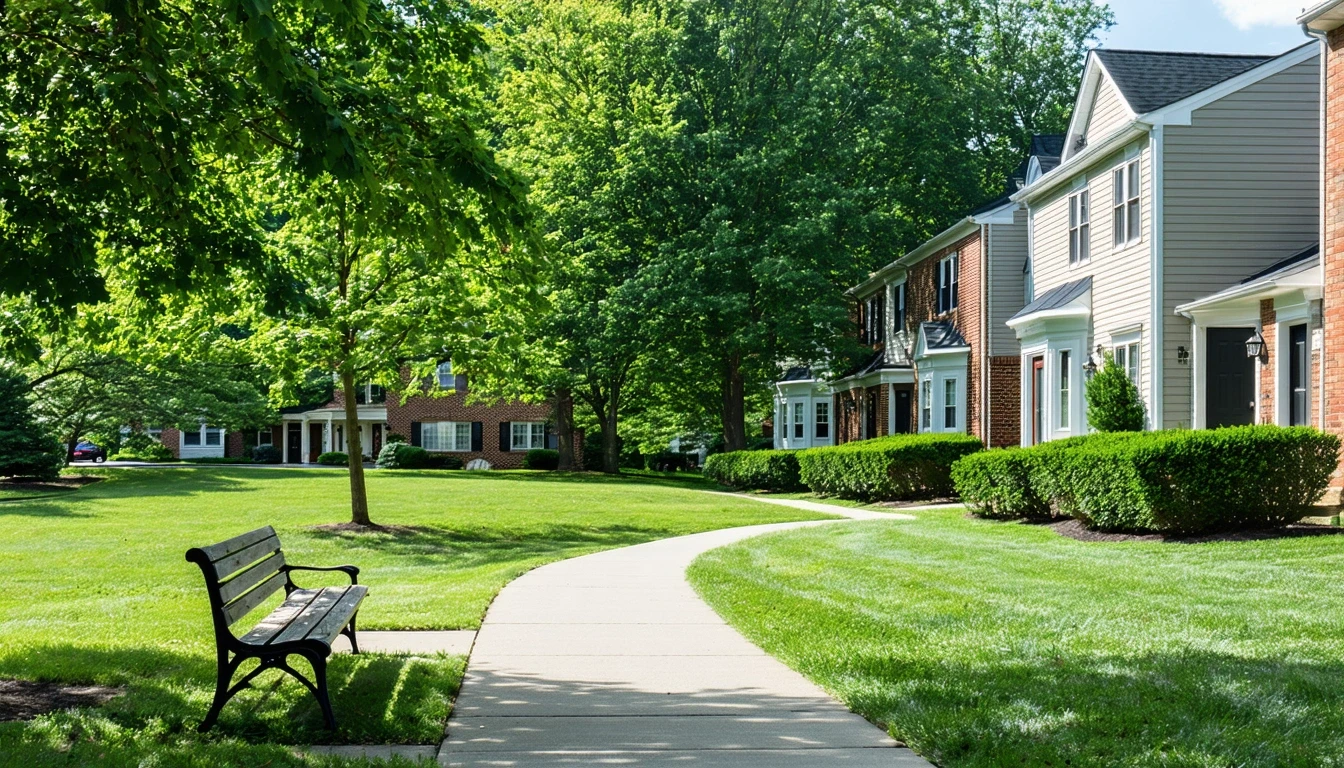
Both cities offer integrated green space and water features, making outdoor recreation accessible without long drives. In Laurel, parks feel more suburban and family-oriented, with playgrounds and open lawns designed for children. In College Park, parks serve a broader mix of users—students, joggers, dog walkers—and the green space integrates into campus and residential neighborhoods. The healthcare access is similar in both cities: clinics and pharmacies are present, but neither city has a hospital, so residents rely on nearby facilities in Greenbelt, Bowie, or D.C. for emergency or specialized care.
Laurel’s median household income is $92,035 per year, compared to College Park’s $76,973 per year. This difference reflects household composition: Laurel attracts more dual-income families and long-term residents, while College Park’s population includes more students, young professionals, and single-adult households. Both cities have an unemployment rate of 3.3%, indicating stable regional labor markets. The lifestyle fit depends less on income levels and more on how infrastructure supports daily routines: Laurel rewards households that prioritize space, schools, and family amenities, while College Park rewards those who prioritize walkability, transit access, and reduced commute friction.
Frequently Asked Questions
Is it cheaper to live in Laurel or College Park in 2026?
The answer depends on which costs dominate your household budget. Laurel offers lower home values and slightly lower grocery prices, making it more accessible for first-time buyers and families prioritizing space. College Park has higher home values but nearly identical rent, shorter commutes, and lower gas prices, which reduce transportation costs and time pressure. Neither city is universally cheaper—the decision hinges on whether you prioritize housing entry costs or ongoing transportation and commute friction.
How much does the commute difference between Laurel and College Park matter?
Laurel’s average commute is 33 minutes, compared to College Park’s 24 minutes—a nine-minute difference that compounds daily. For a household with two commuters, that’s 18 minutes per day, 90 minutes per week, and roughly 78 hours per year. The time cost is harder to quantify than fuel costs, but it affects daily routines, evening flexibility, and overall quality of life. Households highly sensitive to commute time may find College Park’s infrastructure more favorable, while those willing to trade time for lower housing costs may prefer Laurel.
Are groceries more expensive in College Park than Laurel?
Yes, but the difference is small. College Park’s regional price parity index is 104, compared to Laurel’s 102, which translates into marginally higher derived grocery prices across staples like meat, dairy, and eggs. For families buying in volume, the difference is noticeable but not prohibitive. Both cities offer broadly accessible food and grocery options, so the bigger decision factor is whether you prioritize per-item price optimization or reduced friction in daily errands through walkable access.
Which city is better for families with kids in 2026?
Laurel offers stronger family infrastructure, with high school density, integrated parks, and a more suburban residential character. The lower home values make it easier to afford space for children, and the family-oriented amenities support daily routines. College Park has moderate family infrastructure and shorter commutes, which reduce time pressure and make daily logistics easier to manage. The choice depends on whether you