
Alexandria, VA is seeing a steady rise in its retirement-age population—part of a broader regional trend as baby boomers seek walkable, transit-connected communities near world-class healthcare. But does Alexandria deliver on the promise of an active, affordable, and well-supported retirement? The answer depends on what you value most: proximity to care, day-to-day convenience, or housing affordability.
Alexandria earns a retirement suitability score of 72 out of 100. It excels in walkability, transit access, park integration, and errands convenience—factors that matter deeply when driving becomes less appealing or feasible. However, housing costs are notably high, and retirees on fixed incomes will need to weigh the tradeoff between accessibility and affordability carefully.
Why Retirees Choose Alexandria
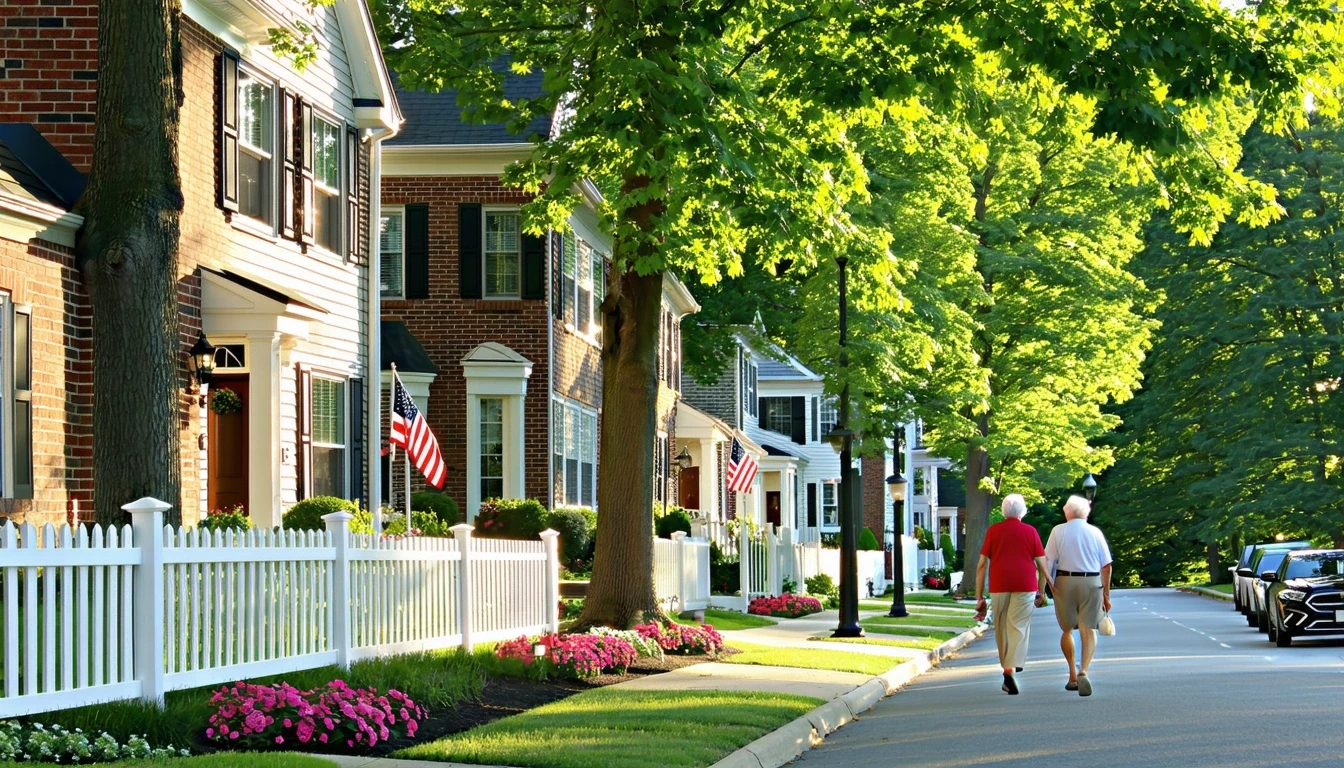
Alexandria attracts retirees who prioritize independence, access, and community texture over sprawling privacy. The city’s pedestrian-friendly pockets mean that grocery runs, pharmacy visits, and social outings don’t always require a car. Rail transit connects residents to Washington, DC and the broader metro area, opening access to major medical centers, cultural institutions, and family visits without the stress of highway driving.
The city’s integrated park network and waterfront access support active aging—whether that means daily walks along tree-lined paths or weekend outings to green spaces. Alexandria’s mixed building heights and land-use diversity create neighborhoods where services, dining, and social opportunities exist within a few blocks, reducing the logistics burden that can accumulate with age.
Climate is another draw. Winters are generally mild, with rare freezing stretches, and summers are warm but not extreme by Sun Belt standards. For retirees managing arthritis or joint conditions, the temperate weather and walkable infrastructure can make daily movement more comfortable and sustainable than in car-dependent or climate-extreme locations.
Healthcare Access for Seniors
Alexandria itself has clinics and pharmacies distributed throughout the city, supporting routine care, prescription access, and preventive health management. While no major hospital is located within city limits, Alexandria sits within a short drive or transit ride of several nationally recognized hospital systems in the Washington, DC metro area, including those specializing in cardiology, oncology, and orthopedics.
For retirees, this means routine care is local and accessible, while specialist appointments and surgical procedures require planning but remain within reach. Medicare acceptance is widespread across the region, and many practices offer senior-focused services such as physical therapy, audiology, and chronic disease management.
Prescription access is strong. Pharmacies are present throughout the city, and many offer delivery services or mail-order coordination for maintenance medications. Urgent care facilities provide same-day access for non-emergency needs, reducing the pressure to navigate emergency rooms for minor issues.
Drive times to major medical centers typically range from 15 to 30 minutes depending on traffic and destination, though rail transit can also serve some hospital campuses. For retirees with ongoing specialist needs, proximity to the metro area’s healthcare infrastructure is a significant advantage.
Senior-Friendly Amenities and Services
Alexandria supports active aging through a mix of senior centers, recreational programs, and community resources. Senior centers offer fitness classes, social events, educational workshops, and volunteer coordination. Many programs are designed to accommodate varying mobility levels, from chair yoga to walking groups.
Transportation options extend beyond personal vehicles. Rail transit and bus service provide alternatives for retirees who prefer not to drive or want to reduce car dependency. Some neighborhoods also have access to ride-sharing services, senior shuttle programs, and paratransit options for those with mobility limitations.
Shopping accessibility is high. Grocery stores, pharmacies, and everyday retail are broadly accessible due to the city’s dense food and grocery establishment network. Many stores offer delivery or curbside pickup, and meal delivery services—both commercial and community-based—are available for seniors who need support with meal planning or preparation.
Lifelong learning opportunities abound. The public library system offers programming for older adults, including technology classes, book clubs, and lecture series. Nearby community colleges and universities provide non-credit courses, and many cultural institutions in the metro area offer senior discounts or dedicated programming.
Cost of Living for Retirees
Housing is the dominant cost factor for retirees in Alexandria. The median home value is $655,700, and the median gross rent is $1,983 per month. For retirees downsizing from larger homes or relocating from lower-cost areas, these figures represent a significant financial commitment. Condos and townhomes in 55+ communities may offer somewhat lower entry points, but Alexandria’s housing market remains expensive relative to national averages.
Property taxes in Virginia are assessed locally, and while specific rates vary by jurisdiction, retirees should anticipate moderate to high annual property tax bills. Some senior exemptions or deferrals may be available depending on age and income, but these programs vary and should be verified with local tax authorities.
Utilities are moderate. Electricity rates stand at 16.36¢/kWh, and natural gas is priced at $20.71 per MCF. For a typical household using around 1,000 kWh per month, electricity costs might run roughly $164 per month before fees, with natural gas adding seasonal heating expenses during winter months. Mild winters keep heating costs lower than in northern climates, though summer cooling is a regular expense.
Virginia does not tax Social Security benefits, which provides some relief for retirees relying on that income stream. However, other retirement income—such as pensions and withdrawals from tax-deferred accounts—is subject to state income tax. Medicare supplement insurance costs vary by plan and provider, but retirees should budget for premiums, copays, and out-of-pocket expenses as part of their healthcare planning.
Monthly Retirement Budget in Alexandria
Here’s what a typical monthly retirement budget might look like in Alexandria:
| Category | Modest Lifestyle | Comfortable Lifestyle |
|---|---|---|
| Housing (rent or mortgage + taxes) | $2,200 | $3,000 |
| Healthcare (insurance, copays, Rx) | $450 | $650 |
| Food (groceries + occasional dining) | $400 | $600 |
| Transportation (car, transit, gas) | $250 | $400 |
| Utilities (electric, gas, water, internet) | $220 | $280 |
| Entertainment & social activities | $150 | $350 |
| Miscellaneous (personal care, household) | $180 | $300 |
| Total | $3,850 | $5,580 |
Estimates based on average senior spending patterns and local costs, before taxes or one-time expenses.
Community and Social Opportunities
Alexandria’s social fabric supports retirees who want to stay engaged. Senior groups, volunteer networks, and faith communities offer regular opportunities for connection and contribution. Many retirees find purpose through volunteer roles at libraries, hospitals, schools, or environmental organizations.
Recreation programs cater to a range of interests and abilities. Walking groups take advantage of the city’s integrated park system and waterfront trails. Hobby clubs—from gardening to photography to book discussion—meet regularly at community centers and libraries. Seasonal events, farmers markets, and cultural festivals provide intergenerational touchpoints and a sense of civic participation.
Proximity to family is another consideration. Alexandria’s location within the Washington, DC metro area makes it accessible for adult children and grandchildren living elsewhere in the region. Visiting relatives benefit from the city’s rail connections and the availability of hotels, restaurants, and attractions within easy reach.
For retirees who value cultural engagement, Alexandria offers theaters, galleries, historic sites, and waterfront dining. The broader metro area expands options further, with world-class museums, performing arts venues, and educational institutions just a short trip away.
Aging in Place Considerations
Aging in place—remaining in your home and community as you grow older—requires planning, and Alexandria offers both advantages and challenges. The city’s walkable pockets and transit access reduce reliance on driving, which becomes a critical factor if vision, reflexes, or confidence behind the wheel decline. Neighborhoods with high pedestrian-to-road ratios and nearby grocery and pharmacy access make daily errands manageable without a car.
Home modification services are available locally, including contractors who specialize in accessibility upgrades such as grab bars, ramps, wider doorways, and walk-in showers. These modifications can extend the years a retiree can live independently in their current home.
In-home care is accessible through regional agencies, offering services from occasional help with housekeeping and meal preparation to full-time skilled nursing. Assisted living facilities and continuing care retirement communities are present in the metro area, providing options if independent living becomes unsustainable.
Climate considerations are generally favorable. Mild winters reduce the risk of ice-related falls and eliminate the need for heavy snow removal. Summers require air conditioning, but the city’s temperate range avoids the extreme heat that can pose health risks for older adults.
Emergency services are responsive, and the city’s density means that help is typically nearby. Disaster preparedness for seniors should include plans for power outages, extreme weather, and medical emergencies, with attention to medication access and communication with family or caregivers.
FAQs About Retirement in Alexandria
What’s the average cost of retirement in Alexandria?
For a modest lifestyle, retirees should budget around $3,850 per month, with housing representing the largest share. A more comfortable retirement may require $5,580 per month or more, depending on housing choices, healthcare needs, and discretionary spending. Housing costs are the primary driver, and retirees who own their homes outright will have significantly lower monthly expenses.
How good is healthcare access for seniors?
Routine care is strong, with clinics and pharmacies distributed throughout the city. Specialist care and hospital services require travel to nearby metro-area facilities, typically 15 to 30 minutes away. Medicare is widely accepted, and the region’s healthcare infrastructure is among the best in the country.
Are there active senior communities?
Yes. Alexandria supports active aging through senior centers, recreational programs, volunteer networks, and social groups. The city’s walkability, parks, and cultural amenities create opportunities for engagement, and the broader metro area offers even more options for retirees seeking connection and purpose.
What are the tax implications of retiring in Virginia?
Virginia does not tax Social Security benefits, which is a significant advantage for many retirees. However, other retirement income—including pensions and IRA withdrawals—is subject to state income tax. Property taxes are moderate to high, and some senior exemptions may be available depending on age and income. Consulting a tax professional familiar with Virginia law is recommended.
Making the Move: Is Alexandria Right for Your Retirement?
Alexandria offers a compelling retirement environment for those who value walkability, transit access, and proximity to healthcare and culture. The city’s pedestrian-friendly infrastructure, integrated parks, and broadly accessible errands reduce the logistics burden that often accompanies aging. Rail transit and regional connectivity make it possible to live without a car or to drive less frequently, which can extend independence and reduce transportation costs.
However, housing pressure is real. High home values and rents mean that retirees on fixed incomes will need to plan carefully, especially if downsizing or relocating from a lower-cost area. For those who can afford it, Alexandria delivers a high quality of life with strong community texture and access to world-class resources.
The city is best suited for retirees who prioritize convenience, walkability, and cultural engagement over large homes or low cost structure. If you’re considering the move, visit multiple neighborhoods, explore transit options, and evaluate how the city’s layout aligns with your daily routines and long-term needs. Alexandria rewards those who embrace its urban character and make use of its accessibility—but it requires financial readiness and a willingness to adapt to a denser, more connected way of living.
How this article was built: In addition to public economic data, this article incorporates location-based experiential signals derived from anonymized geographic patterns—such as access density, walkability, and land-use mix—to reflect how day-to-day living actually feels in Alexandria, VA.