
What does it actually feel like to live in Campbell? According to a recent sentiment snapshot, 74 out of 100 residents say they’re happy in Campbell—a number that suggests broad satisfaction but also leaves room for meaningful tension. This isn’t a city where everyone agrees on what makes it work. Some people find exactly the balance they were looking for: walkable neighborhoods, strong schools, parks woven into daily life, and rail access that makes the broader Bay Area feel reachable. Others feel the friction of high costs, limited nightlife, and a community identity that sits somewhere between classic suburb and urbanizing small town.
Campbell’s vibe is shaped by what it offers and what it asks in return. The city provides excellent infrastructure for families and people who value convenience—grocery stores, clinics, and green space are broadly accessible, and there are pockets where you can genuinely run errands on foot or bike. But the price of entry is steep, and the emotional experience of living here often hinges on whether you feel that tradeoff is worth it.
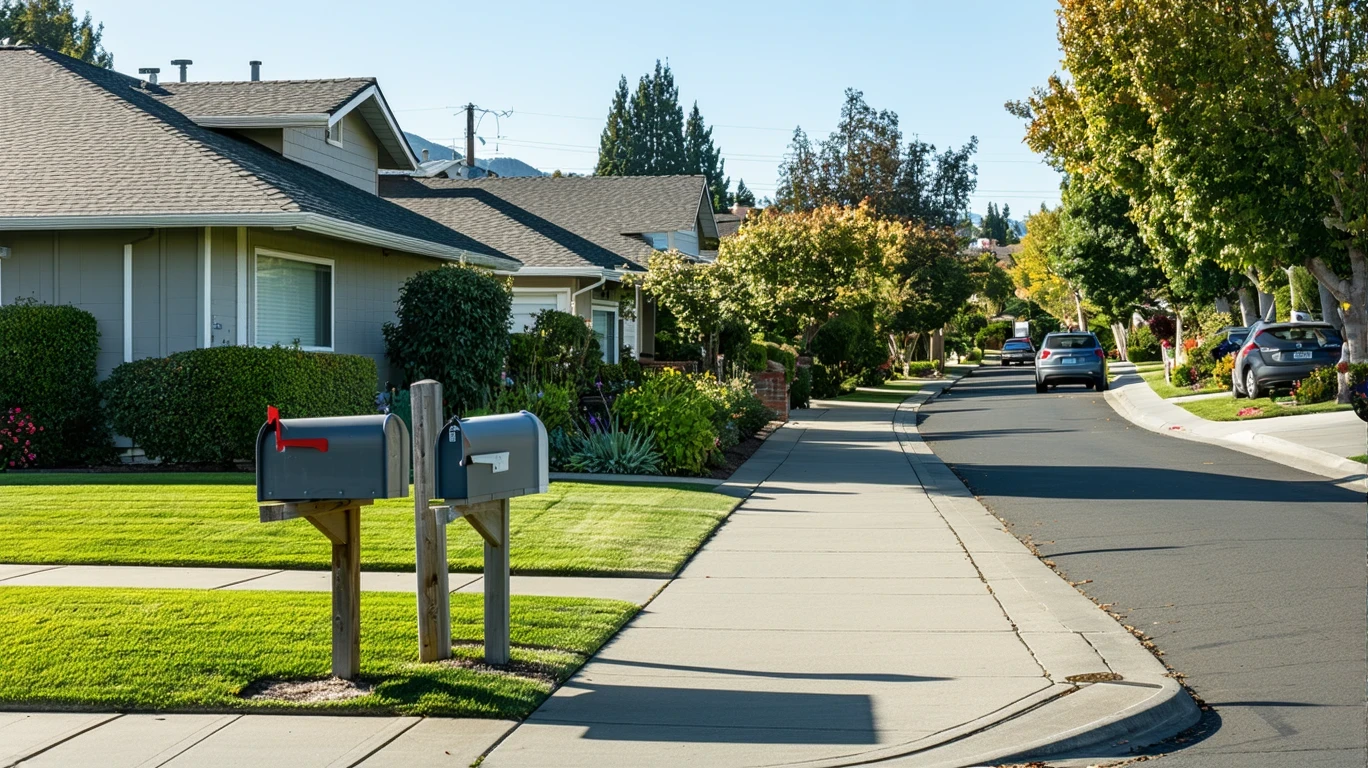
The Emotional Landscape of Campbell
Campbell tends to work best for people who want suburban comfort with a little more texture than a typical sprawl development. The city has a mixed building character—not uniformly low-rise, not densely vertical—and a land-use pattern that blends residential streets with commercial corridors. That creates a rhythm some people love: you can walk to a café or farmers market, then retreat to a quiet block lined with trees and tidy front yards.
But that same mix creates identity questions. Is Campbell a small town? A Silicon Valley suburb? A walkable urban village? The answer depends on which part of the city you’re in and what you were hoping to find. People who arrive expecting a sleepy, affordable alternative to San Jose often feel sticker shock. People who expect a fully car-free, culturally dense environment may feel like they’re still driving more than they’d like, even with rail and bike infrastructure present.
The city’s family infrastructure is strong—school density is high, playgrounds are present throughout, and park access exceeds typical suburban thresholds. For parents, that often translates to a feeling of ease: playdates, school pickups, and weekend outings don’t require elaborate planning. But for younger professionals or empty nesters, that same family orientation can feel limiting. There’s less emphasis on nightlife, arts venues, or the kind of spontaneous social energy that defines denser urban cores.
Social Media Buzz in Campbell
Online discussion about Campbell tends to cluster around a few recurring themes: housing affordability, the tension between growth and character preservation, and the question of whether the city’s amenities justify its costs. Conversations on neighborhood platforms and local subreddits often reflect pride mixed with protectiveness—people like what Campbell offers, but they worry about what might change.
“I love that I can bike to the store and still have a yard. That’s not easy to find around here.”
“The schools are great, the parks are everywhere, but I don’t know how anyone under 35 affords to move in anymore.”
“It’s not San Francisco, and that’s exactly why we chose it. But sometimes I wish there was more to do at night.”
The tone is rarely extreme. People aren’t declaring Campbell perfect or broken—they’re negotiating tradeoffs. The recurring frustration isn’t about the city failing to deliver on what it promises; it’s about the cost of accessing what it does well. And for newcomers, there’s often a learning curve: Campbell’s walkable pockets and transit access aren’t immediately obvious if you’re driving through on the main corridors.
Local News Tone
Local coverage of Campbell tends to frame the city through the lens of managed growth and community identity. The tone is rarely alarmist, but it’s not boosterish either—it’s more about documenting how a small city navigates change while trying to hold onto what made it appealing in the first place.
Recurring topic buckets include:
- “Community Debates What Growth Should Look Like”
- “New Amenities Arrive as Town Identity Evolves”
- “Residents Weigh Convenience vs Quiet”
- “Schools and Parks Remain Central to City Appeal”
- “Transit Access Expands, But Car Dependency Persists for Many”
The framing reflects a city that’s self-aware about its tensions. There’s recognition that Campbell’s appeal—its mix of accessibility, greenery, and family infrastructure—comes with pressure. The question isn’t whether the city is “good” or “bad,” but whether it can remain accessible to the kinds of households that have historically defined its character.
Review-Based Public Perception
Public reviews of Campbell—whether on Google, Yelp, or neighborhood platforms—tend to praise the city’s day-to-day livability while noting its limitations for people seeking variety or affordability. The most common positive themes are convenience, safety, and the presence of green space. The most common disappointments are cost, limited nightlife, and the feeling that the city is “nice but not exciting.”
People who feel aligned with Campbell often describe it as a place where daily logistics just work. Grocery stores are accessible, parks are plentiful, and you don’t need to plan elaborate routes to accomplish basic errands. For families, that ease translates to a sense of stability—kids can bike to school, weekends feel manageable, and the built environment supports the rhythms of household life.
People who feel friction often describe a mismatch between expectation and reality. Some expected more walkability than they found, especially in newer or more car-oriented pockets. Others expected lower costs, not realizing that Campbell’s amenities come with Silicon Valley pricing. And some simply feel that the city’s suburban character—however well-executed—doesn’t offer the cultural density or social energy they were hoping for.
Neighborhood variation plays a role, though it’s more about texture than stark divides. Older pockets near downtown tend to feel more walkable and eclectic. Newer planned areas offer modern amenities but can feel more generic. The city’s mixed building character means you might find a low-rise apartment complex next to a single-family block, which some people love for its variety and others find visually inconsistent.
Comparison to Nearby Cities
| Aspect | Campbell | San Jose | Los Gatos |
|---|---|---|---|
| Overall Vibe | Suburban comfort with walkable pockets and family focus | Urban scale with more cultural density and transit options | Upscale small-town feel with hillside charm and exclusivity |
| Housing Accessibility | High costs but slightly more accessible than Los Gatos | More rental options and price variety across neighborhoods | Premium pricing with limited inventory and high barriers |
| Walkability | Strong in pockets, especially near downtown core | Variable by district; denser areas more pedestrian-friendly | Walkable downtown but car-dependent for most errands |
| Family Infrastructure | Excellent—schools, parks, and playgrounds well-distributed | Good overall but less concentrated than Campbell | Strong schools and parks but fewer playgrounds per capita |
| Nightlife & Culture | Limited—quiet evenings, family-oriented social scene | More venues, events, and late-night options | Upscale dining and wine culture, but subdued nightlife |
Campbell sits between San Jose’s urban scale and Los Gatos’ exclusivity. If you want more cultural density, transit reach, and evening activity, San Jose offers that—but you’ll trade some of Campbell’s neighborhood cohesion and family-friendly texture. If you want a more polished, hillside small-town experience and can afford the premium, Los Gatos delivers—but Campbell offers better walkability in its core and slightly lower barriers to entry.
The choice often comes down to what you’re willing to give up. Campbell works for people who want suburban ease without full car dependency, and who value parks and schools over nightlife. It frustrates people who want either more affordability (San Jose’s variety helps there) or more exclusivity and natural beauty (Los Gatos’ appeal). None of these cities is objectively better—they’re solving for different priorities.
What Locals Are Saying
“We moved here for the schools and the parks, and on that front, Campbell delivers. My kids bike to school, we’re at the playground twice a week, and I don’t feel like I’m constantly driving them around. But the housing cost was brutal, and I know we’re lucky we got in when we did.”
“I work remotely and thought Campbell would be perfect—walkable, quiet, good coffee shops. And it is, mostly. But I miss having more to do at night. It’s very family-oriented, which is great if that’s your life stage. I’m just not there yet.”
“Honestly, I love it here. I can walk to the farmers market, bike to the grocery store, and still have a yard and a garage. That combination is rare in the Bay Area. Yeah, it’s expensive, but so is everywhere else.”
“The rail access is underrated. I can get to San Jose or Mountain View without sitting in traffic, and that makes a huge difference for my commute. Campbell itself is quiet, but I don’t feel stuck here.”
“I’ve been here for twenty years, and the city has changed a lot. It’s more expensive, more crowded, and it’s lost some of that small-town feel. But the bones are still good—the parks, the tree-lined streets, the sense that people care about the place.”
“We almost chose Los Gatos, but Campbell felt more practical. The downtown is walkable, the amenities are solid, and we didn’t have to stretch quite as far financially. It’s not as polished, but it works for us.”
“I wish there were more affordable options for younger people. I see friends getting priced out, and it’s frustrating. Campbell is a great place to raise a family, but it’s becoming harder to get established here in the first place.”
Does Campbell Feel Like a Good Fit?
Campbell tends to work for people who value infrastructure over excitement, and who can afford the entry cost. If you’re a family looking for walkable errands, excellent schools, abundant parks, and rail access to the broader Bay Area, Campbell delivers on all of those fronts. If you’re an established professional who wants suburban comfort without feeling completely car-dependent, the city’s mixed character and accessible daily errands may feel like exactly the right balance.
But Campbell tends to frustrate people who are looking for affordability, cultural density, or a vibrant singles scene. The housing pressure is real, and it limits who can access the city’s strengths. The family orientation is a feature for some and a limitation for others. And while the walkable pockets and transit access are genuine, they’re not universal—some parts of Campbell still feel car-dependent, and the city’s identity remains somewhere between suburb and small town.
The question isn’t whether Campbell is happy or unhappy—it’s whether the city’s tradeoffs align with what you’re looking for. If you want convenience, greenery, and family infrastructure, and you can manage the cost, Campbell tends to feel like a good fit. If you’re hoping for lower day-to-day costs, more nightlife, or a fully car-free lifestyle, the friction may outweigh the benefits.
Ultimately, Campbell’s vibe is defined by what it does well and what it asks in return. The city offers a lot—walkable pockets, strong schools, integrated parks, and rail access—but it’s not cheap, and it’s not for everyone. The people who feel at home here tend to be the ones who wanted exactly this mix, and who decided the cost was worth it.
How this article was built: In addition to public economic data, this article incorporates location-based experiential signals derived from anonymized geographic patterns—such as access density, walkability, and land-use mix—to reflect how day-to-day living actually feels in Campbell, CA.
The perspectives shown reflect commonly expressed local sentiment and recurring themes in public discussion, rather than individual accounts.