
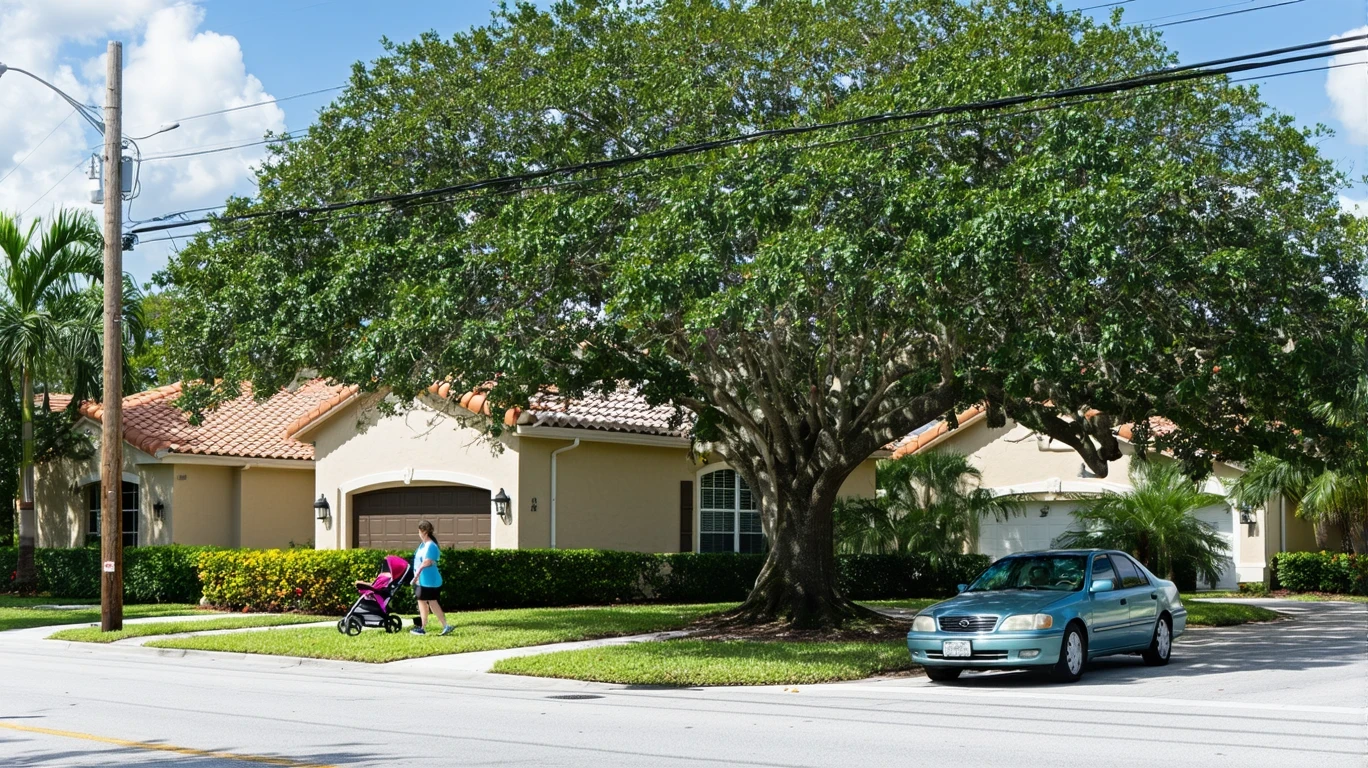
Myth: Fort Lauderdale is always cheaper because it’s farther from Miami’s core—but the reality in 2026 is more textured. While Fort Lauderdale does offer lower housing entry costs, Doral counters with higher incomes and different infrastructure tradeoffs. The better choice depends less on which city costs less overall and more on where your household feels cost pressure most acutely: upfront housing barriers, ongoing rent obligations, transportation flexibility, or daily logistics friction.
Both cities sit within the Miami–Fort Lauderdale metro and share tropical heat, similar utility rates, and access to the same regional economy. But they deliver different cost experiences. Doral leans into newer suburban development with strong family amenities and walkable pockets, while Fort Lauderdale offers more vertical urban form, rail transit access, and hospital presence. For households weighing a move in 2026, the decision hinges on which costs dominate your budget and which tradeoffs—predictability vs flexibility, entry barrier vs ongoing obligation, car dependence vs transit viability—align with how you actually live.
This comparison explains where cost pressure concentrates differently in Doral and Fort Lauderdale, which households feel those differences most, and how the same income can produce very different day-to-day experiences depending on which city’s cost structure fits your priorities.
Housing Costs
Housing is where the two cities diverge most clearly. Doral’s median gross rent sits at $2,393 per month, while Fort Lauderdale’s median is $1,627 per month. For renters, that’s a substantial difference in ongoing monthly obligation—Fort Lauderdale’s lower rent reduces the baseline housing pressure that shapes every other budget decision. Renters in Doral face higher monthly commitments, which can limit flexibility in other categories even when household income is higher.
For buyers, the entry barrier follows a similar pattern. Doral’s median home value is $468,800, compared to Fort Lauderdale’s $417,600. That $51,200 difference translates directly into down payment requirements, mortgage approval thresholds, and the size of the monthly mortgage obligation. First-time buyers or households stretching to enter homeownership will find Fort Lauderdale’s lower entry point more accessible, even though Doral’s higher median household income ($83,823 vs $75,376) suggests its residents can sustain higher housing costs on average.
The housing stock itself also differs. Fort Lauderdale shows a more vertical building profile, with average building levels exceeding high thresholds—suggesting more mid-rise apartments and condos mixed into the housing supply. Doral’s building heights fall into a mixed range, reflecting a blend of single-family homes, townhomes, and lower-rise multifamily. For renters prioritizing walkability and urban amenities, Fort Lauderdale’s denser form may offer more options. For families seeking yards, space, and newer construction, Doral’s suburban development pattern may feel more aligned—but that space comes with higher rent or purchase prices.
| Housing Type | Doral | Fort Lauderdale |
|---|---|---|
| Median Gross Rent | $2,393/month | $1,627/month |
| Median Home Value | $468,800 | $417,600 |
| Building Height Character | Mixed (medium range) | More vertical (high threshold) |
What these differences mean depends on household type. Renters—especially single adults or couples without kids—will feel Fort Lauderdale’s lower rent as immediate breathing room, freeing up cash for other priorities or simply reducing the share of income locked into housing. First-time buyers face a lower entry barrier in Fort Lauderdale, which can mean the difference between qualifying for a mortgage or waiting another year. Families, meanwhile, may find Doral’s higher costs justified by stronger family infrastructure (schools and playgrounds both meet density thresholds) and newer housing stock, even though Fort Lauderdale offers high school density and hospital access.
Housing takeaway: Fort Lauderdale reduces both entry barriers and ongoing rent obligations, making it more accessible for renters and first-time buyers. Doral’s higher housing costs reflect newer development and stronger family amenities, but those benefits come with steeper monthly commitments. Households sensitive to upfront affordability or monthly cash flow will feel Fort Lauderdale’s advantage; those prioritizing family infrastructure and willing to absorb higher housing costs may find Doral’s tradeoff worthwhile.
Utilities and Energy Costs
Utility costs in both cities are shaped by the same dominant force: tropical heat and the extended cooling season that defines South Florida living. Electricity rates are nearly identical—15.78¢/kWh in Doral and 15.70¢/kWh in Fort Lauderdale—and both cities face the same natural gas price of $32.82/MCF. The primary cost driver isn’t the rate; it’s how much electricity households consume to stay comfortable during long, humid summers, and how housing type and age amplify or dampen that exposure.
In both cities, air conditioning dominates summer utility bills. Older single-family homes with less efficient insulation, larger square footage, and aging HVAC systems will see higher consumption than newer apartments or townhomes with modern construction standards. Fort Lauderdale’s more vertical building profile suggests a higher share of multifamily housing, which tends to reduce per-unit cooling costs due to shared walls and smaller individual footprints. Doral’s mixed building character includes more single-family homes, which can mean larger spaces to cool and higher baseline usage for families prioritizing space over efficiency.
Utility cost exposure also varies by household size and daily routines. Single adults or couples in smaller apartments—more common in Fort Lauderdale’s denser urban form—will experience lower absolute utility costs simply because there’s less space to cool. Families in larger homes, especially in Doral’s suburban layout, face higher cooling costs during peak summer months. The difference isn’t just square footage; it’s also about predictability. Smaller units in newer buildings offer more stable, predictable bills. Larger, older homes introduce more volatility as usage spikes during heat waves or when multiple people are home throughout the day.
Utility takeaway: Both cities face similar electricity rates and tropical cooling exposure, so the primary difference comes from housing type and size. Fort Lauderdale’s more vertical, multifamily-heavy housing stock tends to reduce per-household utility costs and increase predictability. Doral’s larger single-family homes offer more space but introduce higher cooling costs and more seasonal volatility. Households prioritizing lower, more predictable utility bills may find Fort Lauderdale’s housing mix advantageous; those willing to absorb higher cooling costs for more space will find that tradeoff more common in Doral.
Groceries and Daily Expenses
Both Doral and Fort Lauderdale show high food and grocery establishment density, meaning residents in both cities have broad access to supermarkets, discount grocers, and specialty stores. The structural difference isn’t availability—it’s how households navigate daily spending pressure based on income levels, convenience habits, and the density of dining and takeout options that compete with home cooking.
Doral’s higher median household income ($83,823) suggests households may have more flexibility to absorb grocery price fluctuations or lean into convenience spending—prepared foods, dining out, coffee shops—without feeling immediate budget strain. Fort Lauderdale’s lower median income ($75,376) means households may feel grocery and daily spending pressure more acutely, especially when convenience options tempt spending that could otherwise go toward staples. Both cities offer access to big-box retailers and neighborhood grocers, but the decision to use them consistently—or drift toward higher-cost convenience—depends on income cushion and time budget.
For single adults, grocery costs are manageable in both cities as long as cooking at home remains the default. The risk in both places is convenience creep: grabbing takeout after a long commute, stopping for coffee daily, or relying on prepared meals when time is tight. Fort Lauderdale’s more walkable urban form and higher density of food establishments can make those options more tempting and accessible, which can quietly inflate daily spending. Doral’s suburban layout may require more intentional trips, which can reduce impulse spending but also increase reliance on driving for errands.
Families managing larger grocery volumes face a different calculus. Bulk shopping at discount grocers or big-box stores becomes essential to control costs, and both cities offer access to those options. The difference is how much time and logistics friction it takes to execute that strategy. Families in Doral may find it easier to consolidate errands in suburban shopping centers with ample parking. Families in Fort Lauderdale’s denser neighborhoods may face more fragmented trips or rely on smaller neighborhood stores that charge higher per-unit prices.
Grocery takeaway: Both cities offer strong grocery access, so the primary difference is income sensitivity and convenience spending exposure. Doral’s higher median income provides more cushion to absorb price fluctuations or occasional convenience spending. Fort Lauderdale’s lower income levels mean households may feel grocery and daily spending pressure more acutely, especially when convenience options compete with home cooking. Families prioritizing bulk shopping and cost control will find similar infrastructure in both cities; single adults and couples must guard against convenience creep in Fort Lauderdale’s denser, more walkable environment.
Taxes and Fees
Both Doral and Fort Lauderdale sit in Florida, which means no state income tax—a structural advantage that affects all households equally. The cost differences come from property taxes, local fees, and the prevalence of homeowner association (HOA) dues, which vary based on housing type and neighborhood rather than city-level policy. Without specific tax rate data in the input feed, the comparison focuses on how housing decisions shape tax and fee exposure.
Property taxes in Florida are assessed on home values, so Doral’s higher median home value ($468,800) implies higher annual property tax bills for homeowners compared to Fort Lauderdale’s lower median ($417,600). The difference isn’t just the tax amount—it’s the ongoing obligation that homeowners must budget for every year, regardless of income changes or other financial pressures. Renters don’t pay property taxes directly, but landlords pass those costs through in rent, which means Doral’s higher property tax burden contributes to its higher median rent.
HOA fees are common in both cities, especially in newer developments, condos, and planned communities. In Doral, where suburban development includes many gated communities and townhome complexes, HOA fees may bundle services like landscaping, trash, water, and shared amenities. Those fees add predictability—households know the monthly cost upfront—but they also add a non-negotiable layer of expense that can’t be reduced by changing behavior. Fort Lauderdale’s mix of older single-family homes and newer condos means HOA exposure varies widely; some households avoid it entirely, while others in high-rise buildings face substantial monthly fees.
Local fees for utilities, trash, and parking also vary by housing type. Single-family homeowners in both cities typically pay separately for water, trash, and sewer, with costs varying based on usage and provider. Renters in multifamily buildings may have some utilities included in rent, which increases predictability but reduces control. Fort Lauderdale’s denser urban form may introduce parking fees in some neighborhoods, especially near downtown or beachfront areas, while Doral’s suburban layout generally includes ample free parking.
Taxes and fees takeaway: Doral’s higher home values lead to higher property tax obligations for homeowners, and HOA fees are common in newer suburban developments. Fort Lauderdale’s lower home values reduce property tax exposure, but HOA fees and parking costs vary widely depending on housing type and location. Homeowners planning to stay long-term will feel Doral’s higher property tax burden more acutely; renters and condo owners must evaluate HOA fees case-by-case in both cities. The primary difference is predictability versus flexibility: Doral’s suburban structure often bundles fees into HOA dues, while Fort Lauderdale’s mixed housing stock offers more variability.
Transportation and Commute Reality
Transportation costs in both cities are shaped by commute patterns, car dependence, and the presence—or absence—of viable transit alternatives. Doral’s average commute is 25 minutes, while Fort Lauderdale’s is 26 minutes—functionally identical in terms of time spent traveling. But the experience of those commutes differs based on transit options, work-from-home flexibility, and the share of residents facing long commutes.
Fort Lauderdale has rail transit service, which provides an alternative to driving for some commuters, especially those working in downtown Fort Lauderdale or connecting to regional transit hubs. Doral offers bus service but no rail, meaning most commuters rely on cars. That difference matters less for the commute time itself and more for the flexibility and cost structure of getting around. Households in Fort Lauderdale with access to rail can reduce car dependence, avoid parking costs, and lower fuel consumption. Households in Doral face fewer alternatives, which means owning and maintaining a car is effectively non-negotiable for most.
Gas prices differ slightly: $2.92/gallon in Doral versus $2.77/gallon in Fort Lauderdale. For daily commuters driving 25 miles round trip in a vehicle averaging 25 MPG, that 15-cent difference adds up over time, though it’s not the primary driver of transportation cost pressure. The bigger factor is how often households must drive. Doral’s lower work-from-home rate (5.0% vs 7.6% in Fort Lauderdale) suggests fewer residents have the option to skip commutes entirely, which increases cumulative fuel and vehicle wear costs.
Both cities show substantial shares of residents with long commutes—38.7% in Doral and 37.6% in Fort Lauderdale—indicating that many households are traveling well beyond city limits for work. For those households, the choice between Doral and Fort Lauderdale may hinge less on local commute patterns and more on which city offers better access to regional highways or transit connections that reduce time and friction on those longer trips.
Transportation takeaway: Fort Lauderdale’s rail transit and slightly higher work-from-home rate offer more flexibility to reduce car dependence, which can lower fuel, parking, and maintenance costs for some households. Doral’s bus-only transit and lower remote work rate mean most residents rely on cars for daily mobility. Gas prices are marginally lower in Fort Lauderdale, but the real difference is optionality: households that can use transit or work from home more often will feel less transportation cost pressure in Fort Lauderdale. Households that need a car regardless will find similar commute times in both cities, with Doral’s slightly higher gas prices adding modest ongoing costs.
Cost Structure Comparison
Housing dominates the cost experience in both cities, but the nature of that pressure differs. Doral’s higher rent and home values create steeper entry barriers and larger ongoing obligations, which means housing locks up a bigger share of household budgets even when incomes are higher. Fort Lauderdale’s lower housing costs reduce that baseline pressure, freeing up cash for other priorities or simply making it easier to qualify for housing in the first place. For renters and first-time buyers, Fort Lauderdale’s advantage is immediate and structural. For families prioritizing space, newer construction, and strong family infrastructure, Doral’s higher housing costs may feel justified—but they still represent a larger, less flexible monthly commitment.
Utilities introduce similar exposure in both cities due to identical electricity rates and shared tropical cooling demands. The difference comes from housing type: Fort Lauderdale’s more vertical, multifamily-heavy stock tends to produce lower per-household utility costs and more predictable bills, while Doral’s larger single-family homes increase cooling costs and seasonal volatility. Households sensitive to utility bill swings—especially those in older, less efficient homes—will feel that exposure more in Doral’s suburban housing mix.
Transportation patterns matter more in Doral, where the absence of rail transit and lower work-from-home rate make car ownership and daily driving non-negotiable for most households. Fort Lauderdale’s rail access and higher remote work flexibility reduce that dependence, which can lower fuel, parking, and vehicle maintenance costs over time. The difference isn’t dramatic for any single trip, but it compounds: households that can skip commutes a few days a week or rely on transit for errands will feel less transportation cost pressure in Fort Lauderdale.
Groceries and daily expenses are broadly accessible in both cities, so the primary difference is income sensitivity. Doral’s higher median income provides more cushion to absorb price fluctuations or lean into convenience spending without immediate strain. Fort Lauderdale’s lower income levels mean households may feel grocery and takeout costs more acutely, especially when convenience options compete with home cooking. Both cities offer the infrastructure to control costs—discount grocers, big-box stores—but execution depends on time budget and discipline.
The decision between Doral and Fort Lauderdale isn’t about which city is cheaper overall—it’s about which cost structure aligns with your household’s income, priorities, and tolerance for different types of financial pressure. Households sensitive to upfront housing barriers or ongoing rent obligations will find Fort Lauderdale more accessible. Households prioritizing family infrastructure, newer housing, and willing to absorb higher housing and utility costs may find Doral’s tradeoffs worthwhile. For single adults and couples, Fort Lauderdale’s lower housing costs, transit options, and more vertical urban form can reduce both cash outflows and time friction. For families, the choice hinges on whether Doral’s stronger family amenities justify the higher housing entry point and larger monthly commitments.
How the Same Income Feels in Doral vs Fort Lauderdale
Single Adult
For a single adult, housing becomes the first non-negotiable cost, and Fort Lauderdale’s lower median rent reduces that baseline pressure immediately. Flexibility exists in transportation—Fort Lauderdale’s rail access and walkable pockets can lower car dependence, while Doral requires owning and maintaining a vehicle. Convenience spending creep poses the bigger risk in Fort Lauderdale’s denser environment, where dining and takeout options are more accessible. In Doral, the same income stretches less far on rent, but suburban layout may reduce impulse spending simply by requiring more intentional trips.
Dual-Income Couple
For a couple, housing costs still dominate, but two incomes provide more capacity to absorb Doral’s higher rent or mortgage payments if family planning or space priorities justify it. Flexibility appears in transportation—if one partner works remotely or can use transit in Fort Lauderdale, the household can reduce car ownership costs. In Doral, both partners likely need cars, which doubles fuel, insurance, and maintenance obligations. Utility costs become more predictable in Fort Lauderdale’s multifamily housing, while Doral’s larger homes introduce more cooling exposure and seasonal swings.
Family with Kids
For families, housing space becomes non-negotiable first, and Doral’s higher costs reflect access to newer homes and stronger family infrastructure—schools and playgrounds both meet density thresholds. Flexibility disappears quickly: families need cars for school, activities, and errands in both cities, but Doral’s lower work-from-home rate means fewer opportunities to reduce commuting. Fort Lauderdale offers hospital access and high school density, but families prioritizing yards and newer construction will find those options more expensive or harder to access in a denser urban form. The role of commute friction and car dependence intensifies—families in Doral face higher baseline transportation and housing costs, while families in Fort Lauderdale trade some space and family amenity density for lower entry barriers and more transit optionality.
Decision Matrix: Which City Fits Which Household?
| Decision factor | If you’re sensitive to this… | Doral tends to fit when… | Fort Lauderdale tends to fit when… |
|---|---|---|---|
| Housing entry + space needs | You need to minimize upfront costs or ongoing rent obligations | You prioritize newer construction and family infrastructure over lower entry barriers | You need lower rent or home values to qualify or preserve cash flow flexibility |
| Transportation dependence + commute friction | You want to reduce car ownership costs or have transit alternatives | You accept car dependence as non-negotiable and prioritize suburban driving patterns | You can use rail transit or work from home more often to reduce fuel and parking costs |
| Utility variability + home size exposure | You want predictable bills and lower cooling costs | You prioritize space and accept higher cooling costs in larger single-family homes | You prefer smaller multifamily units that reduce per-household utility exposure and volatility |
| Grocery strategy + convenience spending creep | You need to control daily spending and avoid impulse purchases | You have income cushion to absorb convenience spending without immediate strain | You can resist convenience temptations in a denser, more walkable environment with more options |
| Fees + friction costs (HOA, services, upkeep) | You want to avoid bundled fees or maximize control over individual expenses | You accept HOA fees as part of newer suburban development in exchange for predictability | You prefer mixed housing stock that offers more variability in fee structures and obligations |
| Time budget (schedule flexibility, errands, logistics) | You need to minimize time spent on errands and household logistics | You can consolidate errands in suburban shopping centers and accept driving as the default | You benefit from walkable access to errands and transit options that reduce car dependence |
Lifestyle Fit
Both Doral and Fort Lauderdale offer strong access to parks, water features, and outdoor recreation—both cities show park density exceeding high thresholds and water features present. The difference is urban form and how that shapes daily routines. Fort Lauderdale’s more vertical building profile and rail transit create a denser, more urban feel with walkable access to dining, shopping, and entertainment. Doral’s mixed building character and suburban layout emphasize newer development, family-oriented amenities, and car-based mobility. For households prioritizing walkability and urban energy, Fort Lauderdale delivers more of that texture. For families seeking newer homes, strong school and playground infrastructure, and a suburban rhythm, Doral aligns better.
Commute times are nearly identical—25 minutes in Doral, 26 minutes in Fort Lauderdale—but the experience differs. Fort Lauderdale’s rail transit offers an alternative to driving for some commuters, reducing parking costs and fuel consumption. Doral’s bus-only transit means most residents drive, which increases baseline transportation costs but also reflects a suburban lifestyle where car ownership is assumed. Fort Lauderdale’s status as a college city adds a younger demographic and more nightlife and cultural activity, while Doral’s family infrastructure signals a community built around schools, playgrounds, and residential stability.
Healthcare access also differs: Fort Lauderdale has hospital presence, which matters for families with chronic conditions or anyone prioritizing proximity to emergency and specialized care. Doral offers clinics and pharmacies for routine needs but lacks a hospital within city limits. For households with ongoing medical needs or young children, that difference can affect both convenience and peace of mind. Fort Lauderdale’s unemployment rate is 3.2%, compared to Doral’s 2.4%, suggesting Doral’s job market is slightly tighter, though both cities benefit from the broader Miami metro economy.
Quick facts: Fort Lauderdale’s rail transit and hospital presence offer infrastructure advantages for urban-oriented households and those with medical needs. Doral’s stronger family infrastructure and lower unemployment rate reflect a suburban, family-focused community with tight labor market conditions.
Frequently Asked Questions
Is Fort Lauderdale cheaper than Doral for renters in 2026?
Fort Lauderdale’s median gross rent is $1,627 per month, compared to Doral’s $2,393 per month, which means renters in Fort Lauderdale face lower ongoing housing obligations. That difference reduces baseline cost pressure and frees up cash for other priorities, making Fort Lauderdale more accessible for renters prioritizing lower monthly commitments.
Which city has lower upfront costs for first-time homebuyers, Doral or Fort Lauderdale?
Fort Lauderdale’s median home value is $417,600, compared to Doral’s $468,800, which lowers the entry barrier for first-time buyers. The $51,200 difference translates directly into smaller down payment requirements and lower mortgage approval thresholds, making Fort Lauderdale more accessible for households stretching to enter homeownership.
Do utilities cost more in Doral or Fort Lauderdale in 2026?
Electricity rates are nearly identical—15.78¢/kWh in Doral and 15.70¢/kWh in Fort Lauderdale—so the primary difference comes from housing type and size. Fort Lauderdale’s more vertical, multifamily-heavy housing stock tends to reduce per-household cooling costs, while Doral’s larger single-family homes increase cooling exposure and seasonal volatility.
Which city is better for families, Doral or Fort Lauderdale?
Doral shows stronger family infrastructure, with both school and playground density meeting thresholds, and newer suburban housing stock that prioritizes space and family-oriented amenities. Fort Lauderdale offers high school density and hospital presence but has a more urban, vertical form that may limit access to single-family homes with yards. Families prioritizing family infrastructure and newer construction may find Doral’s higher housing costs justified; those prioritizing lower entry barriers and hospital access may prefer Fort Lauderdale.
Can you live in Doral or Fort Lauderdale without a car in 2026?
Fort Lauderdale’s rail transit and walkable pockets make it more feasible to reduce car dependence, especially for single adults or couples living near transit lines. Doral offers bus service but no rail, and its suburban layout makes car ownership effectively non-negotiable for most households. Both cities show walkable infrastructure in parts of the city, but Fort Lauderdale’s transit options provide more flexibility to avoid daily driving.
Conclusion
Doral and Fort Lauderdale sit in the same metro and share tropical heat, similar utility rates, and access to the same regional economy—but they deliver different cost experiences. Fort Lauderdale reduces housing entry barriers and ongoing rent obligations, offers rail transit and hospital presence, and provides a more vertical, urban form that can lower utility and transportation costs for households willing to trade space for accessibility. Doral counters with higher median incomes, stronger family infrastructure, newer suburban housing, and a community built around schools and residential stability—but those benefits come with higher housing costs, greater car dependence, and larger utility exposure in single-family homes.
The better choice depends on which costs dominate your household budget and which tradeoffs align with how you actually live. Renters and first-time buyers will feel Fort Lauderdale’s lower housing costs as immediate relief. Families prioritizing space, family amenities, and newer construction may find Doral’s higher costs justified. Single adults and couples can reduce car dependence and utility bills more easily in Fort Lauderdale’s denser, transit-connected environment. Families in Doral gain access to strong schools and playgrounds but must absorb higher housing and transportation costs. Neither city is universally cheaper—each fits different households depending on where cost pressure shows up and which infrastructure priorities matter most.
How this article was built: In addition to public economic data, this article incorporates location-based experiential signals derived from anonymized geographic patterns—such as access density, walkability, and land-use mix—to reflect how day-to-day living actually feels in Doral, FL.