
When tech professionals and families weigh Los Altos against Santa Clara, they’re comparing two Silicon Valley cities separated by just a few miles—but divided by distinct cost structures and daily living patterns. Both sit in Santa Clara County, share the same regional economy, and face the same high-cost Bay Area realities. Yet the financial pressure shows up differently depending on whether you’re renting an apartment, buying a single-family home, or managing a household with kids. In 2026, the choice between Los Altos and Santa Clara isn’t about finding a “cheaper” option—it’s about understanding which costs dominate your household and which city’s structure aligns with your priorities.
Meet the Nakamura-Chen family: Maya, a product manager at a mid-sized SaaS company; Jordan, a senior engineer working hybrid; and their two kids, ages 7 and 10. They’ve been renting in Mountain View for three years and are ready to buy—or at least commit to a longer-term rental. Los Altos appeals for its walkable downtown pockets, top-rated schools, and integrated park access. Santa Clara offers a lower entry point for homeownership, slightly better remote-work flexibility in Jordan’s company, and a more urban-adjacent feel. Neither city is “affordable” in the traditional sense, but the Nakamura-Chens know that where money goes matters as much as how much they earn. Their decision hinges on housing entry costs, daily errands logistics, commute predictability, and whether the premium for Los Altos’ infrastructure translates into meaningful quality-of-life gains for their family.
This article breaks down how cost pressure differs between Los Altos and Santa Clara across housing, utilities, groceries, transportation, and taxes—without declaring a winner. Instead, it explains which households feel which differences most, and why the same income can feel stable in one city and stretched in the other.
Housing Costs: Entry Barrier vs. Ongoing Obligation
Housing dominates the cost experience in both Los Altos and Santa Clara, but the intensity and structure differ in ways that matter for renters and buyers alike. Los Altos’ median home value sits at $2,000,001, while Santa Clara’s median is $1,440,200. For buyers, that gap translates directly into down payment requirements, mortgage qualification hurdles, and monthly principal-and-interest obligations. A household targeting a conventional 20% down payment faces a substantially higher cash requirement in Los Altos—a difference that can delay purchase timelines by years or require dual high incomes to clear underwriting thresholds. Los Altos’ housing stock skews toward larger single-family homes on generous lots, which amplifies both purchase price and property tax exposure. Santa Clara offers more housing type diversity, including townhomes and older single-family stock, which broadens access for buyers willing to trade space or age for entry feasibility.
Renters face a similar structural divide. Los Altos’ median gross rent is $3,501 per month, compared to Santa Clara’s $2,841. That difference—$660 per month—represents ongoing obligation rather than one-time entry cost. For a household earning $165,000 gross annually (Santa Clara’s median household income), the rent gap equals roughly 4.8% of gross annual income. For renters sensitive to baseline monthly cash flow, Santa Clara’s lower rent floor provides more flexibility for discretionary spending, emergency savings, or absorbing utility and transportation volatility. Los Altos renters, meanwhile, often face tighter month-to-month margins unless household income substantially exceeds the city’s $250,001 median. Rental stock in Los Altos tends toward single-family homes and larger units, which can mean fewer one-bedroom or studio options for single adults or couples without children.
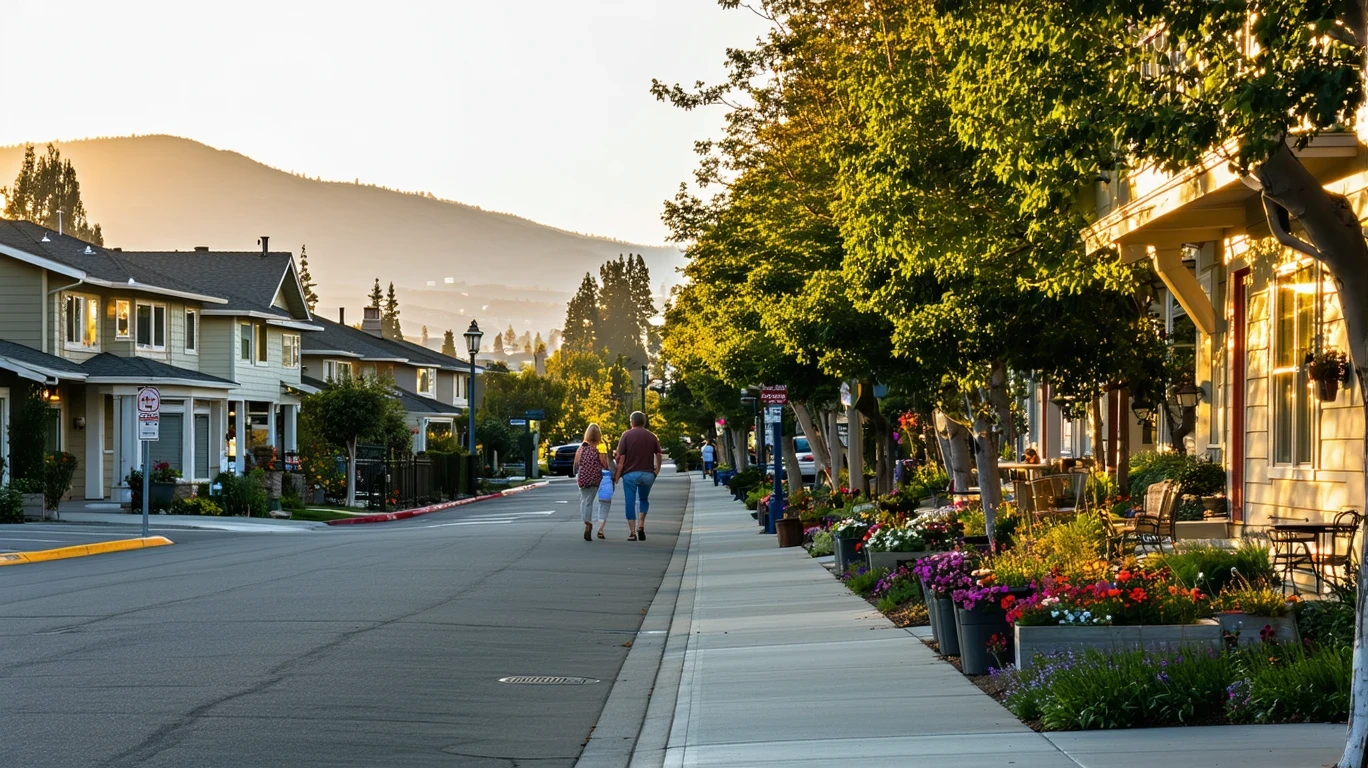
The housing decision also intersects with experiential infrastructure. Los Altos shows pedestrian-friendly pockets with high food and grocery density, integrated park access, and moderate school infrastructure—all derived from anonymized geographic patterns. These features don’t reduce housing costs, but they do reduce transportation dependence and increase walkable errand efficiency, which indirectly lowers household logistics complexity. Santa Clara lacks comparable experiential data in this analysis, but its more urban-adjacent character and proximity to transit corridors suggest different tradeoffs: less single-family dominance, more multifamily density, and potentially shorter distances to employment clusters. For the Nakamura-Chens, Los Altos’ housing premium buys access to a neighborhood structure that supports car-light errands and outdoor recreation within walking distance—benefits that matter more as their kids age into independent mobility.
| Housing Metric | Los Altos | Santa Clara |
|---|---|---|
| Median Home Value | $2,000,001 | $1,440,200 |
| Median Gross Rent | $3,501/month | $2,841/month |
| Median Household Income | $250,001/year | $165,352/year |
Housing takeaway: Los Altos imposes higher entry barriers for buyers and higher baseline obligations for renters, but delivers walkable infrastructure and integrated green space that reduce transportation and recreation costs downstream. Santa Clara offers lower housing entry costs and rent, making it more accessible for households prioritizing cash flow flexibility or faster homeownership timelines. Families with school-age children and dual high incomes may absorb Los Altos’ premium more easily; single adults, younger couples, and households with one primary earner often find Santa Clara’s structure more sustainable. The choice depends on whether housing cost pressure shows up as a one-time hurdle (down payment) or ongoing obligation (monthly rent or mortgage), and whether walkable errands and park access justify the premium.
Utilities and Energy Costs: Minor Rate Differences, Similar Exposure
Utility costs in Los Altos and Santa Clara follow nearly identical patterns, with only minor rate variations that rarely shift household decision-making. Los Altos’ electricity rate is 31.91¢/kWh, while Santa Clara’s is 33.60¢/kWh—a difference of 1.69¢/kWh. For a household using 1,000 kWh per month (a typical baseline for a three-bedroom home with moderate air conditioning), that gap represents roughly $16.90 per month before accounting for tiered pricing or time-of-use structures. Natural gas pricing is nearly identical: $21.89/MCF in Los Altos versus $21.94/MCF in Santa Clara. Both cities experience the same Bay Area climate—mild winters with minimal heating demand and warm, dry summers that drive cooling costs in poorly insulated or older homes. The primary driver of utility cost differences between households isn’t city of residence; it’s housing type, age, and size.
Older single-family homes in both cities tend to have less efficient insulation, single-pane windows, and aging HVAC systems, which amplify both heating and cooling exposure. Newer construction—more common in Santa Clara’s townhome and condo developments—often includes double-pane windows, better insulation, and more efficient appliances, which stabilize baseline usage and reduce seasonal volatility. Apartment renters in both cities typically experience lower absolute utility costs due to smaller square footage and shared-wall insulation, though they may face less control over HVAC efficiency or appliance upgrades. For the Nakamura-Chens, moving from a Mountain View apartment to a larger single-family home in either Los Altos or Santa Clara will increase utility exposure regardless of city choice. The question is whether they prioritize a newer, more efficient home (more common in Santa Clara’s housing mix) or accept higher utility variability in exchange for Los Altos’ larger lots and walkable neighborhood structure.
Both cities benefit from California’s statewide energy efficiency programs, which offer rebates for insulation upgrades, smart thermostats, and HVAC replacements. These programs reduce upfront costs for efficiency improvements but don’t eliminate the baseline exposure gap between older and newer housing stock. Households planning to stay long-term in an older home can reduce utility volatility through incremental upgrades—weatherstripping, attic insulation, programmable thermostats—but these investments require upfront capital and time. Renters typically lack control over structural improvements, leaving them more exposed to the efficiency characteristics of their unit. In both cities, utility cost pressure is less about city-level rates and more about housing decisions: older vs. newer construction, single-family vs. multifamily, and square footage relative to household size.
Utility takeaway: Los Altos and Santa Clara show minimal utility rate differences, with electricity slightly higher in Santa Clara and natural gas effectively identical. Utility cost pressure is driven primarily by housing type, age, and size rather than city of residence. Households moving into older single-family homes in either city should expect higher seasonal volatility and baseline usage compared to newer townhomes or apartments. Renters experience lower absolute costs but less control over efficiency improvements. For the Nakamura-Chens, utility exposure will increase in either city due to upsizing from an apartment, but choosing newer construction in Santa Clara or investing in efficiency upgrades in Los Altos can mitigate long-term volatility.
Groceries and Daily Expenses: Accessibility Shapes Strategy
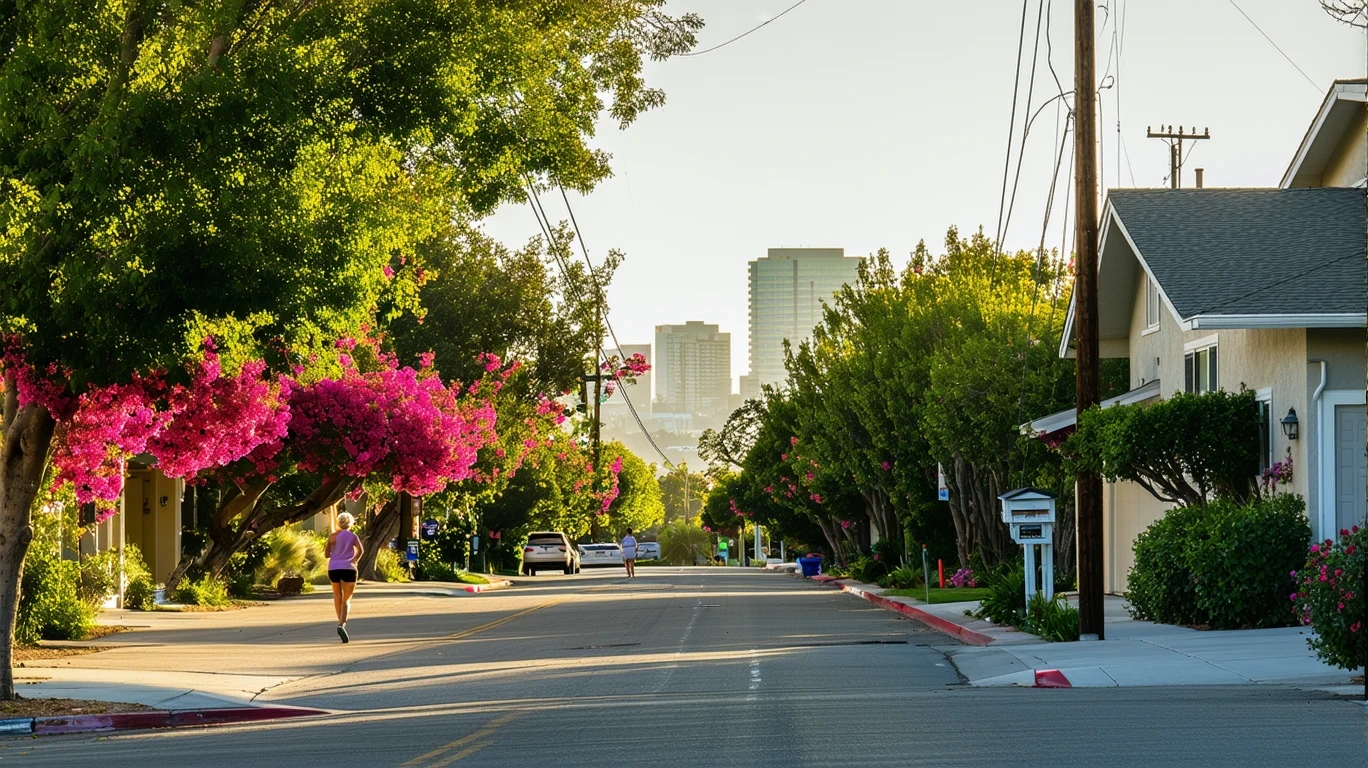
Grocery and daily expense pressure in Los Altos and Santa Clara reflects less about price differences and more about access structure and household shopping behavior. Both cities share the same regional price parity index (100), meaning grocery staples, prepared foods, and household goods face similar baseline pricing. Where the cities diverge is in how easily households can access discount retailers, big-box stores, and neighborhood markets without driving long distances or absorbing time costs. Los Altos shows high food and grocery establishment density—derived from anonymized geographic patterns—indicating that residents can complete errands on foot or with short drives in walkable pockets. This reduces the friction cost of grocery shopping: less time spent driving, less fuel consumed per trip, and more flexibility to shop frequently for fresh items rather than bulk-buying to minimize trip frequency.
Santa Clara’s more urban-adjacent character and proximity to major commercial corridors likely provides similar access to big-box retailers (Costco, Target, Safeway) and ethnic grocery options, though without comparable experiential data, the analysis relies on regional context rather than place-specific signals. Households prioritizing price sensitivity—buying in bulk, comparing unit prices, and minimizing convenience spending—may find Santa Clara’s commercial density and freeway access advantageous for reaching discount retailers quickly. Los Altos’ higher median income ($250,001 vs. $165,352) suggests that its residents may skew toward specialty grocers, prepared foods, and convenience spending, which increases per-trip costs but reduces time burden. For single adults and couples, this tradeoff often favors convenience; for larger families managing higher grocery volumes, it can amplify monthly spending unless households actively prioritize bulk purchasing and meal planning.
Dining out and convenience spending—coffee shops, takeout, quick meals—follow similar patterns. Los Altos’ walkable downtown pockets and high food establishment density create more opportunities for spontaneous spending, which can erode grocery budgets if households don’t track discretionary meals. Santa Clara’s commercial corridors offer similar dining density but may require more intentional trip planning, which can reduce impulse spending. For the Nakamura-Chens, grocery strategy will depend on whether they prioritize time savings (frequent small trips, more prepared foods) or cost control (bulk buying, meal prep, fewer restaurant meals). Los Altos’ infrastructure supports the former; Santa Clara’s access to big-box retailers and lower baseline housing costs may free up budget for the latter.
Grocery takeaway: Los Altos and Santa Clara face similar grocery pricing due to shared regional cost structure, but access patterns differ. Los Altos’ high food and grocery density supports frequent, walkable errands with lower time costs but higher exposure to convenience spending. Santa Clara’s commercial access likely favors bulk purchasing and discount retailer proximity, which benefits price-sensitive households willing to plan trips. Single adults and couples may prefer Los Altos’ errand efficiency; larger families managing higher volumes may find Santa Clara’s big-box access and lower housing costs create more grocery budget flexibility. The difference is less about per-item prices and more about how shopping behavior interacts with neighborhood structure.
Taxes and Fees: Property Tax Exposure Dominates
Tax and fee structures in Los Altos and Santa Clara follow California’s statewide framework, with property taxes capped at 1% of assessed value under Proposition 13, plus local bonds and assessments that vary by city and school district. Neither city’s input data includes specific tax rates or fee schedules, so the analysis focuses on structural exposure rather than precise dollar amounts. The key driver of tax differences between the two cities is housing value: Los Altos’ median home value of $2,000,001 generates substantially higher annual property tax obligations than Santa Clara’s $1,440,200 median, even at identical tax rates. For a household buying at the median in Los Altos, annual property taxes likely exceed $20,000 (assuming a 1% base rate plus local assessments), compared to roughly $14,400 in Santa Clara. That difference—approximately $5,600 per year, or $467 per month—represents ongoing obligation that persists as long as the household owns the home.
Property tax exposure also interacts with housing tenure and purchase timing. California’s Proposition 13 limits annual assessed value increases to 2% for existing owners, meaning long-term residents in both cities benefit from tax stability even as market values rise. New buyers, however, face reassessment at purchase price, which resets the tax base to current market levels. This creates a bifurcated tax landscape: long-term homeowners in both cities enjoy predictable, slowly growing tax bills, while recent buyers absorb the full weight of current valuations. For the Nakamura-Chens, buying in either city in 2026 means accepting reassessment at today’s elevated prices, with no Proposition 13 protection until after purchase. Los Altos’ higher entry price amplifies this exposure; Santa Clara’s lower median reduces it.
Beyond property taxes, both cities likely impose routine fees for trash collection, water, sewer, and stormwater management, though specific amounts aren’t provided in the input data. Homeowners associations (HOAs) are more common in Santa Clara’s townhome and condo developments, where monthly fees can range from $200 to $600 depending on amenities and maintenance coverage. Los Altos’ single-family-dominated housing stock typically avoids HOA fees, but owners bear direct responsibility for landscaping, exterior maintenance, and property upkeep—costs that can be unpredictable and seasonal. Renters in both cities are largely insulated from property tax exposure (it’s embedded in rent) and may avoid some utility fees if landlords bundle services, but they also lack control over fee increases or service quality.
Tax and fee takeaway: Property tax exposure is the dominant tax difference between Los Altos and Santa Clara, driven by housing value rather than rate variation. Los Altos’ higher median home value generates higher annual property tax obligations, which persist as long as the household owns the home. Santa Clara’s lower entry price reduces this ongoing burden, though HOA fees in multifamily developments can offset some savings. Long-term homeowners in both cities benefit from Proposition 13 protections; new buyers in 2026 face reassessment at current market prices. Renters avoid direct property tax exposure but absorb it indirectly through rent. For the Nakamura-Chens, Los Altos’ tax burden is front-loaded and ongoing; Santa Clara’s is lower but may include HOA fees depending on housing type.
Transportation & Commute Reality
Transportation costs and commute patterns in Los Altos and Santa Clara show minimal structural differences, with both cities averaging similar commute times and long-commute exposure. Los Altos residents average 22 minutes per commute, while Santa Clara residents average 23 minutes—a one-minute difference that rarely shifts household decision-making. Long commutes (over 60 minutes one-way) affect 27.8% of Los Altos workers and 30.8% of Santa Clara workers, suggesting that both cities serve as bedroom communities for workers commuting to San Francisco, South Bay tech campuses, or Peninsula employment centers. Work-from-home rates differ modestly: 3.1% in Los Altos versus 4.7% in Santa Clara. This gap may reflect occupational mix (Los Altos skews toward executive and professional roles less compatible with full remote work) or employer policies, but it’s not large enough to fundamentally alter transportation cost exposure for most households.
Gas prices show a modest difference: $4.59/gallon in Los Altos versus $4.22/gallon in Santa Clara—a gap of 37 cents per gallon. For a household driving 25 miles round-trip daily in a vehicle averaging 25 MPG, that difference equals roughly $0.37 per day, or $11 per month for a single commuter. Dual-income households with two commuters might see $22/month in fuel cost differences, though actual savings depend on commute distance, vehicle efficiency, and trip frequency. The more meaningful transportation difference lies in daily errands structure rather than commute costs. Los Altos’ experiential signals show walkable pockets, high grocery density, and integrated park access, which reduce car dependence for non-work trips. Households can walk to coffee shops, grocery stores, and parks without driving, which lowers fuel consumption, reduces vehicle wear, and eliminates parking friction.
Santa Clara lacks comparable experiential data, but its more urban-adjacent character and proximity to VTA light rail and Caltrain suggest different mobility options. Households living near transit corridors may reduce car dependence for commutes to San Jose, Mountain View, or San Francisco, though service frequency and coverage gaps often make car ownership necessary for errands and off-peak travel. Both cities offer bus service (Los Altos shows bus stops in the experiential data; Santa Clara likely has similar or better coverage), but neither provides the transit density or frequency that eliminates car ownership for most households. For the Nakamura-Chens, transportation costs will depend less on city choice and more on commute destination, work-from-home frequency, and whether they prioritize walkable errands (favoring Los Altos) or transit access for occasional car-free commutes (potentially favoring Santa Clara).
Transportation takeaway: Los Altos and Santa Clara show nearly identical commute times and long-commute exposure, with minimal difference in work-from-home rates. Gas prices are modestly lower in Santa Clara, but the savings are small unless households drive high annual mileage. The more meaningful difference is daily errands structure: Los Altos’ walkable pockets and high grocery density reduce car dependence for non-work trips, while Santa Clara’s urban-adjacent character may offer better transit access for occasional car-free commutes. Neither city eliminates car ownership for most households, but Los Altos reduces trip frequency and fuel consumption through errand walkability.
Cost Structure Comparison
Housing pressure dominates the cost experience in both Los Altos and Santa Clara, but the intensity and structure differ in ways that matter for renters, buyers, and families. Los Altos imposes higher entry barriers for homebuyers—median home value of $2,000,001 versus Santa Clara’s $1,440,200—and higher baseline rent obligations ($3,501/month versus $2,841/month). These differences translate directly into down payment requirements, mortgage qualification hurdles, and monthly cash flow pressure. Households with dual high incomes and substantial savings may absorb Los Altos’ premium more easily, especially if they value the city’s walkable infrastructure, integrated park access, and moderate school density. Santa Clara’s lower housing costs ease entry barriers and reduce ongoing obligations, making it more accessible for single-income households, younger buyers, and renters prioritizing cash flow flexibility.
Utilities and energy costs show minimal variation between the two cities, with electricity rates differing by less than 2 cents per kWh and natural gas pricing nearly identical. The primary driver of utility exposure is housing type and age rather than city of residence. Older single-family homes in both cities experience higher seasonal volatility and baseline usage; newer townhomes and apartments benefit from better insulation and more efficient appliances. Households moving into larger homes in either city should expect utility costs to rise, but the increase is driven by square footage and construction quality rather than city-level rate differences. For the Nakamura-Chens, utility exposure will increase in either Los Altos or Santa Clara due to upsizing from an apartment, but choosing newer construction or investing in efficiency upgrades can mitigate long-term volatility.
Grocery and daily expense pressure reflects access structure more than price differences. Los Altos’ high food and grocery density—derived from anonymized geographic patterns—supports frequent, walkable errands with lower time costs but higher exposure to convenience spending. Santa Clara’s commercial access likely favors bulk purchasing and discount retailer proximity, which benefits price-sensitive households willing to plan trips. Single adults and couples may prefer Los Altos’ errand efficiency; larger families managing higher grocery volumes may find Santa Clara’s big-box access and lower housing costs create more budget flexibility. Transportation costs show minimal differences in commute times and fuel exposure, though Los Altos’ walkable pockets reduce car dependence for non-work trips.
Property tax exposure is the dominant tax difference, driven by housing value rather than rate variation. Los Altos’ higher median home value generates higher annual property tax obligations—likely exceeding $20,000 per year for median buyers—compared to roughly $14,400 in Santa Clara. This difference persists as long as the household owns the home, creating ongoing obligation that compounds over time. Santa Clara’s lower entry price reduces this burden, though HOA fees in multifamily developments can offset some savings. For renters, property tax exposure is embedded in rent and less visible, but it still contributes to the baseline cost difference between the two cities.
The decision between Los Altos and Santa Clara depends on which costs dominate the household and which city’s structure aligns with priorities. Households sensitive to housing entry barriers and ongoing rent obligations may prefer Santa Clara’s lower baseline costs. Households prioritizing walkable errands, integrated green space, and moderate school infrastructure may find Los Altos’ premium justified by reduced transportation dependence and lifestyle fit. For the Nakamura-Chens, the choice hinges on whether they can absorb Los Altos’ higher housing costs in exchange for neighborhood structure that supports car-light errands and outdoor recreation, or whether Santa Clara’s lower entry price and cash flow flexibility better align with their financial priorities and long-term plans.
How the Same Income Feels in Los Altos vs Santa Clara
Single Adult
For a single adult, housing becomes the non-negotiable anchor in both cities, but the intensity differs. In Los Altos, securing even a one-bedroom rental or small condo often requires a substantial share of gross income, leaving less flexibility for discretionary spending, emergency savings, or retirement contributions. Santa Clara’s lower rent baseline eases this pressure, creating more breathing room for lifestyle spending or absorbing unexpected costs. Walkable errands in Los Altos reduce transportation dependence and time costs, which matters for professionals prioritizing convenience over price. In Santa Clara, car dependence for errands may increase fuel and time costs, but the lower housing obligation offsets this friction for most single adults.
Dual-Income Couple
Dual-income couples without children often find Los Altos more manageable due to combined earning power, though housing still dominates monthly cash flow. The city’s walkable infrastructure and integrated park access reduce transportation and recreation costs, which frees up time for career focus or leisure. Santa Clara’s lower housing costs create more flexibility for saving toward a down payment, absorbing utility volatility, or maintaining dual vehicles if both partners commute. The tradeoff is less about affordability and more about whether the couple prioritizes neighborhood walkability and green space access (Los Altos) or cash flow flexibility and faster homeownership timelines (Santa Clara).
Family with Kids
Families face the most complex cost structure in both cities, with housing, childcare, groceries, and transportation all competing for budget share. In Los Altos, higher housing costs are partially offset by walkable errands, integrated park access, and moderate school density, which reduce transportation dependence and increase outdoor recreation accessibility. Families with school-age children may value these infrastructure benefits enough to absorb the housing premium, especially if both parents earn high incomes. In Santa Clara, lower housing costs free up budget for childcare, extracurriculars, and grocery flexibility, but families may face higher transportation costs and less walkable access to parks and errands. The decision depends on whether the family prioritizes neighborhood infrastructure that reduces logistics complexity (Los Altos) or baseline cost flexibility that eases monthly cash flow pressure (Santa Clara).
Decision Matrix: Which City Fits Which Household?
| Decision factor | If you’re sensitive to this… | Los Altos tends to fit when… | Santa Clara tends to fit when… |
|---|---|---|---|
| Housing entry + space needs | Down payment size, mortgage qualification, baseline rent obligation | You have dual high incomes, substantial savings, and prioritize single-family homes with larger lots | You’re a first-time buyer, single-income household, or renter prioritizing cash flow flexibility over space |
| Transportation dependence + commute friction | Daily errands walkability, car dependence for non-work trips, fuel costs | You value walkable errands, integrated park access, and reducing car trips for daily needs | You prioritize proximity to transit corridors, lower gas prices, and don’t mind driving for errands |
| Utility variability + home size exposure | Seasonal bill volatility, efficiency of housing stock, square footage costs | You’re willing to invest in efficiency upgrades or prioritize newer construction despite higher entry costs | You prefer newer townhomes or condos with better insulation and lower baseline usage |
| Grocery strategy + convenience spending creep | Time costs of errands, bulk buying access, impulse dining spending | You prioritize time savings, frequent small trips, and walkable access to specialty grocers | You prefer bulk purchasing, big-box access, and are disciplined about avoiding convenience spending |
| Fees + friction costs (HOA, services, upkeep) | Ongoing obligations beyond rent/mortgage, predictability of maintenance costs | You prefer single-family homes without HOA fees and accept direct responsibility for upkeep | You’re open to HOA fees in exchange for bundled services and lower direct maintenance burden |
| Time budget (schedule flexibility, errands, logistics) | Household logistics complexity, errand trip frequency, recreation access | You have school-age kids, value walkable parks and errands, and prioritize reducing car dependence | You’re a single adult or couple without kids, prioritize cash flow over walkability, and don’t mind driving |
Lifestyle Fit: Walkability, Schools, and Recreation
Los Altos and Santa Clara offer distinct lifestyle textures that extend beyond cost structure into daily living patterns, recreation access, and household logistics. Los Altos shows walkable pockets with high pedestrian-to-road ratios, meaning residents can complete errands, access parks, and reach dining options on foot without relying on cars for every trip. This infrastructure matters most for families with school-age children, who benefit from independent mobility as kids grow into walking or biking to friends’ homes, parks, and local shops. The city’s integrated park