
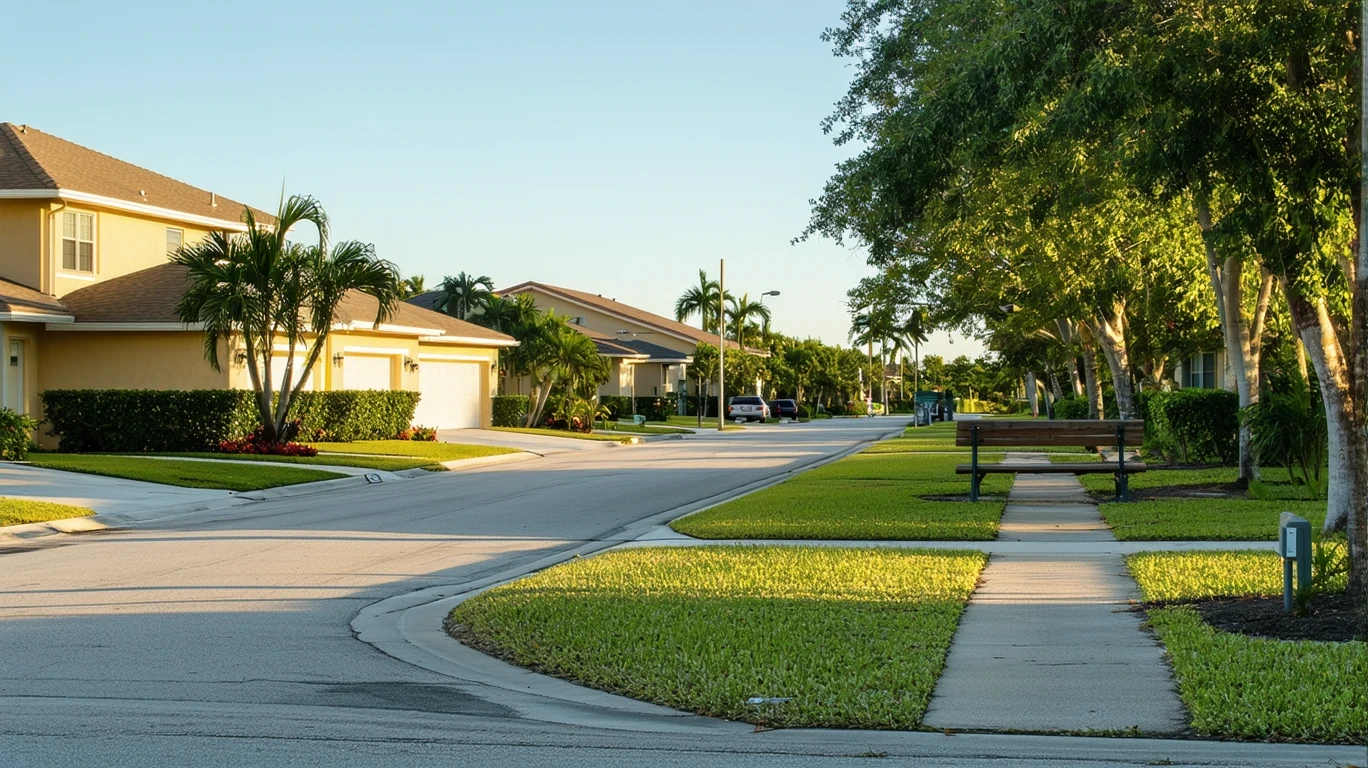
Housing entry costs differ by nearly $100,000. Median household incomes differ by over $25,000. Commute patterns, grocery access, and park density all shift between Hialeah and Fort Lauderdale—two cities in the same South Florida metro that attract very different household profiles in 2026. Both offer rail transit, vertical building stock, and hospital access, but the way cost pressure shows up depends entirely on which trade-offs matter most to your household: lower housing barriers with more corridor-dependent errands, or higher housing entry with walkable daily access baked into more neighborhoods.
This comparison explains where costs concentrate differently, how the same income feels in each city, and which households experience more predictability versus volatility. It’s not about which city costs less overall—it’s about understanding where your money goes, what flexibility you keep, and which frictions (time, distance, or dollars) dominate your day-to-day reality.
The decision between Hialeah and Fort Lauderdale hinges on housing affordability versus amenity access, income cushion versus cost exposure, and whether you’re optimizing for entry price or ongoing convenience. Both cities work—but they work for different reasons.
Housing Costs
Hialeah’s median home value sits at $324,300, while Fort Lauderdale’s reaches $417,600—a substantial gap that shapes who can enter each market and what kind of housing stock dominates. Median gross rent in Hialeah is $1,458 per month compared to $1,627 in Fort Lauderdale. These aren’t small differences for households managing tight monthly budgets or saving for down payments, but they also don’t exist in isolation: Fort Lauderdale’s median household income of $75,376 per year provides more cushion than Hialeah’s $49,531, meaning the same rent or mortgage payment feels very different depending on which city you’re in.
For renters, Hialeah offers lower monthly obligations, which matters most for single adults, young couples, or families where one income dominates. The rental market tends toward apartments and smaller single-family homes, with vertical building character creating density in certain corridors. Fort Lauderdale’s rental stock also skews vertical, but the higher rent reflects broader walkable access to groceries, parks, and services—meaning you’re paying for proximity and convenience, not just square footage. Renters in Fort Lauderdale who work locally or value reducing car dependency may find that the rent premium offsets transportation and time costs elsewhere.
For buyers, the $93,300 difference in median home values translates directly into down payment requirements, mortgage approval thresholds, and monthly principal-and-interest obligations. Hialeah’s lower entry point makes homeownership accessible to households earning closer to the metro median, especially those willing to prioritize space and ownership over walkable amenities. Fort Lauderdale’s higher home values filter for dual-income households or buyers with substantial savings, but the trade-off includes integrated park access, higher school density, and neighborhoods where daily errands don’t require driving to a single commercial corridor.
| Housing Metric | Hialeah | Fort Lauderdale |
|---|---|---|
| Median Home Value | $324,300 | $417,600 |
| Median Gross Rent | $1,458/month | $1,627/month |
| Median Household Income | $49,531/year | $75,376/year |
Housing takeaway: Hialeah fits households where housing entry cost is the primary barrier—lower home values and rents create access for single earners, families prioritizing ownership, and buyers who can trade amenity density for affordability. Fort Lauderdale fits households with higher income who can absorb the housing premium in exchange for walkable errands, integrated parks, and neighborhoods where daily logistics require less driving. The pressure isn’t about which city costs more—it’s about whether your household is more exposed to entry barriers or ongoing convenience friction.
Utilities and Energy Costs
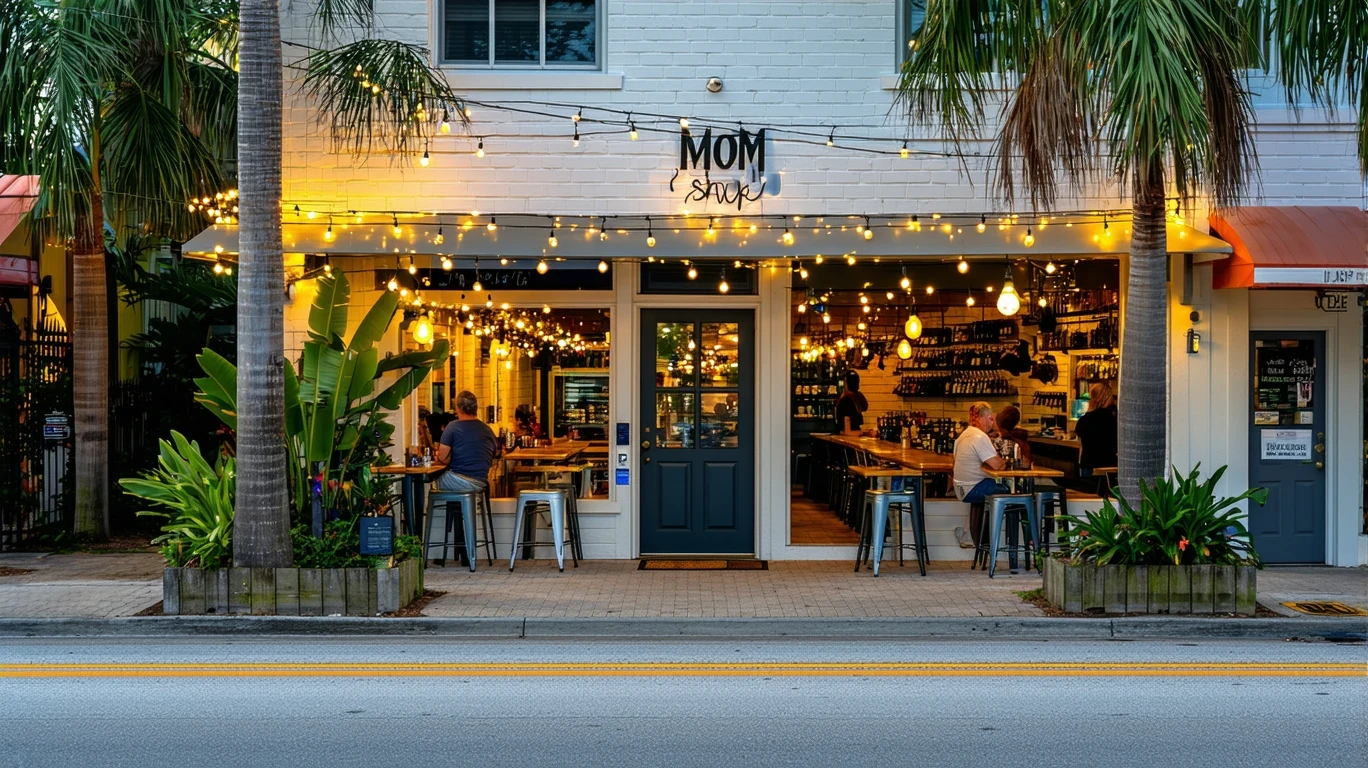
Both Hialeah and Fort Lauderdale share the same electricity rate—15.78¢/kWh—and the same natural gas price of $25.39/MCF, reflecting their position within the same South Florida metro utility infrastructure. This means the primary driver of utility cost differences isn’t pricing—it’s usage intensity shaped by housing type, building age, square footage, and cooling demands in a region where air conditioning dominates energy consumption year-round.
South Florida’s extended cooling season means electricity costs remain elevated from late spring through early fall, with peak usage concentrated in the hottest months. Older single-family homes, common in parts of both cities, tend to experience higher cooling costs due to less efficient insulation, single-pane windows, and aging HVAC systems. Apartments and newer vertical construction—both cities show substantial building height—often benefit from shared walls, modern building codes, and centralized cooling systems that reduce per-unit energy exposure. Households in Hialeah’s corridor-clustered neighborhoods may find themselves in a mix of older single-family stock and newer apartment buildings, creating variability in utility predictability depending on where you land. Fort Lauderdale’s more integrated park access and walkable errands suggest denser, mixed-use neighborhoods where apartment living is common, potentially lowering per-household cooling costs.
Natural gas usage in South Florida remains minimal year-round—heating needs are rare, and most homes rely on electric water heaters and appliances. This simplifies utility budgeting but also means electricity dominates the monthly bill, making cooling efficiency the single largest controllable variable. Households in larger single-family homes face higher baseline usage regardless of city, while those in smaller apartments or newer construction experience more predictable, lower bills. The key difference between Hialeah and Fort Lauderdale isn’t the rate—it’s whether your housing type and age expose you to higher cooling intensity or allow you to benefit from shared-wall efficiency and modern construction standards.
Utility takeaway: Utility costs behave identically at the rate level, but housing stock determines exposure. Households in older single-family homes experience higher cooling volatility in both cities, while apartment dwellers and those in newer construction see more predictable, lower bills. Fort Lauderdale’s denser, walkable neighborhoods may correlate with more vertical housing stock, slightly favoring predictability, but the real driver is the home you choose—not the city boundary. Families in larger homes face higher baseline usage regardless of location, while singles and couples in apartments keep cooling costs more controlled.
Groceries and Daily Expenses
Fort Lauderdale shows broadly accessible food and grocery density, meaning options are distributed throughout the city rather than concentrated along a few commercial strips. Hialeah’s food and grocery access is corridor-clustered—options exist, but they’re concentrated along specific roads and intersections, requiring more intentional routing for shopping trips. This structural difference doesn’t necessarily mean one city has higher grocery prices, but it does shape how much time, planning, and driving households spend managing weekly errands.
In Fort Lauderdale, walkable access to groceries, pharmacies, and prepared food options reduces the friction cost of running out of milk or picking up dinner on the way home. Households without cars—or those trying to minimize driving—benefit from this density, as do families managing multiple errands in a single trip. The trade-off is that convenience often correlates with higher prices: walkable neighborhood grocers and prepared food options tend to cost more than big-box stores on the suburban fringe. Households sensitive to per-item grocery costs may still drive to discount chains, even in Fort Lauderdale, but the option to walk for quick trips exists.
Hialeah’s corridor-clustered grocery access means most households drive to shop, even for smaller trips. This increases transportation frequency and makes car ownership more essential for managing household logistics. Families buying in bulk or shopping weekly may not feel this friction as acutely, but single adults or couples who prefer smaller, more frequent trips face higher time and fuel costs. The upside: corridor-clustered retail often includes larger-format discount grocers and ethnic specialty stores, which can offer better per-pound pricing on staples like rice, beans, and fresh produce—especially relevant for households managing larger grocery volumes on tighter budgets.
Dining out and convenience spending also differ structurally. Fort Lauderdale’s mixed-use, walkable neighborhoods support more frequent coffee runs, takeout, and casual dining—small expenses that add up when proximity makes them frictionless. Hialeah’s car-dependent errands create natural barriers to impulse spending, but they also mean dining out requires more intentional planning. Households prone to convenience creep—grabbing lunch out, ordering delivery, stopping for coffee—may find Fort Lauderdale’s accessibility both a benefit and a budget risk. Households disciplined about meal planning and bulk shopping may prefer Hialeah’s structure, where fewer walkable temptations keep discretionary food spending in check.
Grocery takeaway: Fort Lauderdale fits households who value walkable errands and are willing to pay a convenience premium or manage impulse spending carefully. Hialeah fits households who shop in bulk, prioritize per-pound pricing, and don’t mind driving to access discount grocers and specialty stores. Singles and couples in Fort Lauderdale benefit most from walkable access, while families in Hialeah benefit from lower per-item costs and larger-format retail—but only if they’re comfortable with car-dependent logistics.
Taxes and Fees
Both Hialeah and Fort Lauderdale operate within Florida’s tax structure: no state income tax, reliance on property taxes to fund local services, and a statewide sales tax with local add-ons. This shared framework means the primary tax differences between the two cities come from property tax rates, assessed home values, and the prevalence of HOA fees or special assessments tied to housing type and neighborhood.
Property taxes in Florida are calculated as a percentage of assessed home value, meaning Fort Lauderdale’s higher median home value of $417,600 translates into higher annual property tax bills compared to Hialeah’s $324,300 median—even if the millage rate were identical. Homeowners in Fort Lauderdale pay more in absolute dollars, but they’re also more likely to have higher household incomes (median $75,376 versus $49,531 in Hialeah), which provides more cushion to absorb the obligation. For Hialeah homeowners, the lower assessed value keeps property taxes more manageable, but the tax burden relative to income may feel heavier for households earning closer to the metro median.
HOA fees vary widely by neighborhood and housing type in both cities. Vertical construction—common in both Hialeah and Fort Lauderdale—often comes with mandatory HOA fees covering building maintenance, insurance, landscaping, and shared amenities. These fees can range from modest monthly amounts to several hundred dollars, depending on the building and services included. Single-family homes in older neighborhoods may have no HOA at all, while newer planned communities in both cities often require membership. Renters don’t pay HOA fees directly, but landlords typically pass the cost through in rent pricing, making it an invisible but real component of monthly housing costs.
Sales taxes affect daily spending on groceries, dining, household goods, and services. Florida’s combined state and local sales tax rates apply similarly across the metro, meaning neither city offers a structural advantage here. The difference is behavioral: households in Fort Lauderdale with walkable access to retail and dining may spend more frequently on taxable goods and services, while Hialeah households driving to corridor-clustered retail may consolidate purchases and reduce transaction frequency.
Tax and fee takeaway: Fort Lauderdale homeowners face higher property tax obligations due to higher home values, but higher median incomes provide more capacity to absorb them. Hialeah homeowners pay less in absolute property tax dollars, but the burden relative to income may feel heavier for single-earner households. HOA fees depend on housing type, not city—vertical construction in both cities often includes mandatory fees, while older single-family neighborhoods may have none. Renters feel HOA costs indirectly through rent pricing, and long-term homeowners in both cities benefit from Florida’s homestead exemption and Save Our Homes cap, which limits assessed value increases over time.
Transportation & Commute Reality
Hialeah’s average commute time is 29 minutes, compared to 26 minutes in Fort Lauderdale—a small difference that reflects regional traffic patterns and job distribution across the Miami-Fort Lauderdale metro. Both cities show rail transit presence, meaning residents have access to Metrorail or Tri-Rail connections for commuting to Miami, downtown Fort Lauderdale, or other metro employment centers. However, the experiential signals reveal important differences in how transportation actually works day-to-day: Fort Lauderdale shows cycling infrastructure in some areas, while Hialeah does not, and Fort Lauderdale’s broadly accessible grocery and errands density reduces the need for frequent car trips compared to Hialeah’s corridor-clustered access.
For households commuting by car, gas prices are nearly identical—$2.87 per gallon in Hialeah versus $2.94 in Fort Lauderdale—meaning fuel costs won’t differ meaningfully between the two cities. The real difference is how often you need to drive. Hialeah’s corridor-clustered errands mean most daily trips require a car, even for groceries, pharmacies, or takeout. This increases weekly mileage, wear-and-tear, and the baseline necessity of car ownership. Fort Lauderdale’s walkable pockets and broader errands accessibility mean some households—especially those living in mixed-use neighborhoods near rail stations—can reduce car dependency for daily logistics, reserving driving for longer trips or work commutes.
Rail transit in both cities provides an alternative to driving for work commutes, but its usefulness depends on where you live relative to stations and where your job is located. Households working in downtown Miami or Fort Lauderdale’s urban core may find rail a viable option, reducing parking costs and commute stress. Households working in suburban office parks or areas without transit access will still need cars regardless of city. The key difference: Fort Lauderdale’s denser, walkable neighborhoods near transit stations make car-free or car-light living more feasible for some households, while Hialeah’s structure assumes car ownership as the default.
Transportation takeaway: Hialeah fits households comfortable with car-dependent logistics and willing to drive for most errands and commutes. Fort Lauderdale fits households seeking to reduce car dependency, especially those living near rail transit and in walkable neighborhoods where daily errands don’t require driving. Commute times and gas prices don’t differ meaningfully, but the frequency of car trips and the feasibility of car-light living do. Families with multiple drivers may not notice the difference, but single adults and couples trying to minimize transportation costs will feel Fort Lauderdale’s walkable structure as a meaningful advantage.
Cost Structure Comparison
Housing dominates the cost experience in both cities, but the pressure shows up differently. Hialeah’s lower median home value and rent create access for households where entry cost is the primary barrier—buyers saving for down payments, single-income families, or renters managing tight monthly budgets. Fort Lauderdale’s higher housing costs filter for dual-income households or those with substantial savings, but the trade-off includes walkable daily errands, integrated park access, and neighborhoods where car dependency drops. The decision isn’t about which city costs less—it’s about whether your household is more exposed to entry barriers or ongoing convenience friction.
Utilities introduce identical rate exposure, but housing stock determines volatility. Older single-family homes in both cities face higher cooling costs due to less efficient construction, while apartments and newer vertical buildings benefit from shared walls and modern insulation. Fort Lauderdale’s denser, mixed-use neighborhoods correlate with more vertical housing stock, slightly favoring predictability, but the real driver is the home you choose—not the city boundary. Families in larger homes face higher baseline usage regardless of location, while singles and couples in apartments keep cooling costs more controlled.
Transportation patterns matter more in Hialeah, where corridor-clustered errands assume car ownership and frequent driving for groceries, pharmacies, and dining. Fort Lauderdale’s broadly accessible food and grocery density reduces trip frequency and makes car-light living feasible for some households, especially those near rail transit. The difference isn’t fuel cost—it’s how often you need to drive and whether you can walk for daily logistics. Households sensitive to time costs, parking friction, or car ownership expenses will feel Fort Lauderdale’s walkable structure as a meaningful advantage.
Groceries and convenience spending shift based on access structure. Fort Lauderdale’s walkable errands reduce friction but increase exposure to convenience creep—coffee runs, takeout, and impulse dining that add up when proximity makes them frictionless. Hialeah’s car-dependent structure creates natural barriers to small, frequent spending, but it also means households must drive to access discount grocers and bulk options. Families shopping weekly in bulk may prefer Hialeah’s lower per-pound pricing and larger-format retail, while singles and couples who value walkable access may prefer Fort Lauderdale’s convenience despite higher per-item costs.
The better choice depends on which costs dominate your household. Households sensitive to housing entry barriers, comfortable with car-dependent logistics, and prioritizing lower monthly obligations may prefer Hialeah. Households with higher income, seeking walkable daily access, and willing to absorb a housing premium in exchange for reduced transportation friction may prefer Fort Lauderdale. For income-constrained households, the difference is less about price and more about predictability: Hialeah offers lower entry costs but requires more driving and planning, while Fort Lauderdale offers convenience but demands higher housing capacity and discipline around discretionary spending.
How the Same Income Feels in Hialeah vs Fort Lauderdale
Single Adult
Housing becomes non-negotiable first, consuming a larger share of gross monthly income in Fort Lauderdale due to higher rent. Flexibility exists in transportation and dining—Fort Lauderdale’s walkable errands allow car-light living, reducing insurance and fuel costs, while Hialeah assumes car ownership as baseline. Hialeah offers lower rent but requires more driving for groceries and errands, shifting savings from housing into transportation frequency. Fort Lauderdale’s convenience creates exposure to takeout and coffee spending that can erode the income cushion if not managed intentionally. Hialeah’s car-dependent structure limits impulse spending but increases time cost for daily logistics.
Dual-Income Couple
Housing pressure eases with two incomes, making Fort Lauderdale’s rent or mortgage premium more absorbable. Flexibility appears in transportation—Fort Lauderdale allows one-car households in walkable neighborhoods near transit, while Hialeah typically requires two cars for independent commuting and errands. The role of commute friction matters more in Hialeah, where longer average commute times and corridor-dependent errands add time cost to both partners’ schedules. Fort Lauderdale’s integrated parks and walkable amenities reduce weekend driving and create more spontaneous recreation options. Hialeah’s lower housing entry cost preserves more monthly income for discretionary spending or savings, but only if both partners are comfortable with car-dependent logistics and longer commutes.
Family with Kids
Housing form becomes the primary driver—families prioritizing space and ownership may find Hialeah’s lower home values more accessible, while those valuing walkable schools and parks may absorb Fort Lauderdale’s premium. Flexibility disappears in transportation—both cities require cars for families managing school drop-offs, activities, and grocery runs, but Fort Lauderdale’s broader errands accessibility reduces trip frequency. The role of time cost intensifies in Hialeah, where corridor-clustered retail means more driving for routine errands, compounding schedule complexity for working parents. Fort Lauderdale’s integrated park access and higher school density create more walkable family logistics in certain neighborhoods, reducing the need to drive kids to recreation. Hialeah’s lower housing entry cost preserves income for childcare or education expenses, but front-loads time cost into daily household management.
Decision Matrix: Which City Fits Which Household?
| Decision factor | If you’re sensitive to this… | Hialeah tends to fit when… | Fort Lauderdale tends to fit when… |
|---|---|---|---|
| Housing entry + space needs | Down payment size, monthly rent or mortgage obligation, ownership access | Lower home values and rent create entry for single-income households or buyers prioritizing ownership over walkable amenities | Higher income allows absorbing housing premium in exchange for walkable neighborhoods and integrated park access |
| Transportation dependence + commute friction | Car ownership necessity, trip frequency, parking costs, time spent driving | Car-dependent logistics are acceptable and corridor-clustered errands don’t create schedule friction | Walkable errands and rail transit reduce car dependency and allow car-light living in some neighborhoods |
| Utility variability + home size exposure | Cooling cost volatility, building age, square footage, predictability | Older single-family homes are acceptable and cooling cost volatility is manageable within monthly budget | Vertical housing stock and newer construction reduce cooling exposure and create more predictable utility bills |
| Grocery strategy + convenience spending creep | Per-pound pricing, bulk shopping access, impulse dining, walkable retail temptation | Bulk shopping and discount grocers are prioritized and car-dependent trips don’t create friction | Walkable errands reduce trip frequency and convenience is valued despite higher per-item costs or impulse spending risk |
| Fees + friction costs (HOA, services, upkeep) | Mandatory HOA fees, special assessments, property tax burden relative to income | Lower assessed home values keep property taxes manageable and older neighborhoods may lack HOA fees | Higher property taxes are offset by higher income and HOA fees are acceptable for building amenities and maintenance |
| Time budget (schedule flexibility, errands, logistics) | Driving frequency, errand consolidation, commute length, household coordination | Longer commutes and corridor-dependent errands are acceptable and schedule allows for planned, consolidated trips | Shorter commutes and walkable errands reduce daily driving and create more spontaneous flexibility for household logistics |
Lifestyle Fit
Both Hialeah and Fort Lauderdale offer rail transit access, hospital presence, and vertical building character, but the texture of daily life differs based on walkability, park access, and how errands fit into your routine. Fort Lauderdale’s integrated park density and broadly accessible groceries create a rhythm where daily logistics—picking up dinner, walking to a pharmacy, taking kids to a playground—happen without driving. Hialeah’s corridor-clustered structure means most errands require intentional car trips, which works well for households who prefer bulk shopping and don’t mind consolidating errands into planned outings. The lifestyle difference isn’t about recreation options or cultural amenities—it’s about how much friction you encounter managing the basics.
Fort Lauderdale’s walkable pockets and cycling infrastructure in some neighborhoods support car-light living for singles, couples, or small families willing to prioritize proximity over space. The city’s mixed-use character means residential and commercial land use coexist, creating neighborhoods where coffee shops, grocers, and services sit within walking distance of apartments and condos. This structure appeals to households who value spontaneity, reduced driving, and the ability to run errands on foot or by bike. The trade-off: higher housing costs and potential exposure to convenience spending when walkable retail makes impulse purchases frictionless.
Hialeah’s structure assumes car ownership and rewards households who plan ahead. Families managing school drop-offs, grocery runs, and weekend activities will drive regardless of city, but Hialeah’s lower housing entry cost preserves income for other priorities—childcare, education, or savings. The city’s high school density supports families with kids, and the presence of rail transit provides commuting options for households working in Miami or downtown Fort Lauderdale. The lifestyle works best for households comfortable with longer commutes (29 minutes average versus 26 in Fort Lauderdale) and car-dependent errands, especially those prioritizing homeownership and space over walkable amenities.
Quick facts: Both cities show rail transit presence, making car-free commuting viable for some households working in metro employment centers. Fort Lauderdale’s park density exceeds high thresholds, while Hialeah’s falls in the moderate range—a meaningful difference for families prioritizing outdoor access within walking distance.
Climate and housing stock: South Florida’s extended cooling season affects both cities identically, but Fort Lauderdale’s denser, vertical housing stock may correlate with newer construction and better insulation, reducing per-household utility volatility. Hialeah’s mix of older single-family homes and newer apartments creates more variability in cooling costs depending on where you land.
How this article was built: In addition to public economic data, this article incorporates location-based experiential signals derived from anonymized geographic patterns—such as access density, walkability, and land-use mix—to reflect how day-to-day living actually feels in Hialeah and Fort Lauderdale.
Frequently Asked Questions
Is Hialeah or Fort Lauderdale cheaper for renters in 2026?
Hialeah’s median gross rent of $1,458 per month is lower than Fort Lauderdale’s $1,627, but the difference reflects more than just price—it’s about what you’re paying for. Hialeah’s lower rent comes with corridor-clustered errands and car-dependent logistics, while Fort Lauderdale’s higher rent often includes walkable access to groceries, parks, and services. Renters prioritizing lower monthly obligations and comfortable with driving for errands will find Hialeah more accessible, while those valuing walkable convenience and willing to absorb a rent premium may prefer Fort Lauderdale.
How do housing entry costs compare between Hialeah and Fort Lauderdale for first-time buyers in 2026?
Hialeah’s median home value of $324,300 creates a lower entry barrier than Fort Lauderdale’s $417,600, which translates directly into down payment requirements and mortgage approval thresholds. First-time buyers with limited savings or single-income households will find Hialeah more accessible, especially if they prioritize ownership over walkable amenities. Fort Lauderdale’s higher home values filter for dual-income households or buyers with substantial savings, but the trade-off includes integrated park access, walkable errands, and neighborhoods where daily logistics require less driving.
Which city has lower transportation costs, Hialeah or Fort Lauderdale, in 2026?
Gas prices are nearly identical—$2.87 per gallon in Hialeah versus $2.94 in Fort Lauderdale—but transportation costs depend more on how often you drive than what fuel costs. Hialeah’s corridor-clustered errands assume car ownership and frequent driving for groceries, pharmacies, and dining, increasing weekly mileage and wear-and-tear. Fort Lauderdale’s broadly accessible errands and walkable neighborhoods reduce trip frequency, making car-light living feasible for some households, especially those near rail transit. Households comfortable with car-dependent logistics may not notice a difference, but those seeking to minimize driving will find Fort Lauderdale’s structure more supportive.
Do utilities cost more in Hialeah or Fort Lauderdale in 2026?