
A 32-year-old graphic designer earning $52,000 a year thought she’d found the perfect one-bedroom in Hialeah—$1,350 a month, close to the Metrorail, walkable to a few cafés. Then summer hit. Her first electric bill topped $180. Her commute, which looked like 25 minutes on the map, stretched to 45 in practice. The grocery store she could walk to had limited selection, so she drove to a bigger chain twice a week. Three months in, she wasn’t broke—but she wasn’t comfortable, either. The money was there. The margin wasn’t.
That’s the gap this article addresses. Hialeah’s median household income sits at $49,531 per year, and median gross rent runs $1,458 per month. On paper, those numbers suggest a workable fit. In practice, comfort depends less on hitting an income target and more on understanding where pressure shows up, how households absorb it differently, and whether your expectations match the city’s cost structure.
What “Living Comfortably” Means in Hialeah
Comfort in Hialeah isn’t about luxury—it’s about margin. It means covering monthly expenses without constant recalculation, absorbing a surprise bill without panic, and making choices based on preference rather than necessity. It means your housing doesn’t dictate every other decision, your commute doesn’t consume your evening, and your cooling costs don’t spike your anxiety every summer.
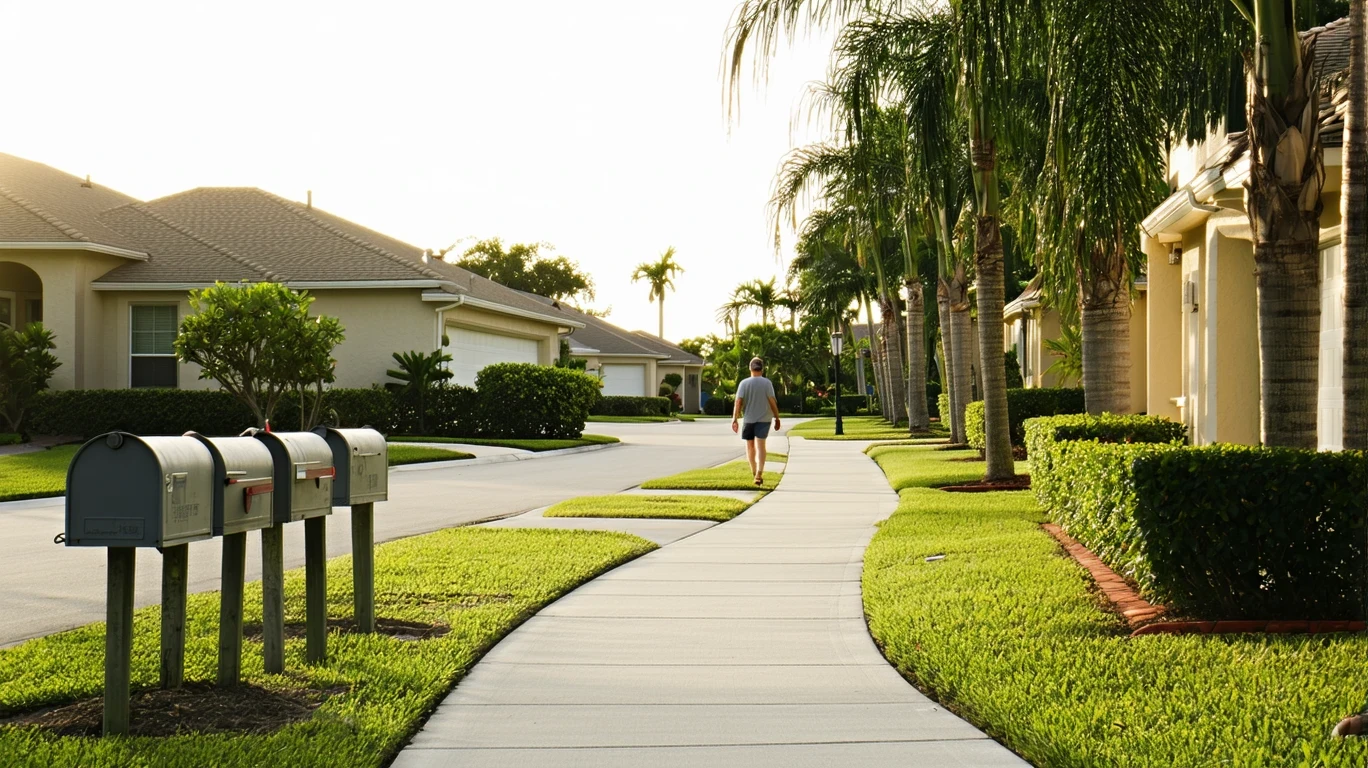
Expectations matter. Hialeah is a dense, vertical city with mixed-use pockets and rail transit access. It’s not a sprawling suburb with big-box stores on every corner, and it’s not a walkable grid where everything is ten minutes away on foot. Errands cluster along certain corridors. Some neighborhoods offer genuine walkability and transit convenience; others require a car for nearly everything. Comfort here depends on matching your household’s logistics to the right part of the city—and having enough income to access those better-fit neighborhoods.
Climate shapes daily life. South Florida heat is relentless from May through October, and air conditioning isn’t optional—it’s a fixed cost with variable intensity. Homes stay cool or they don’t get lived in. That’s not an exaggeration; it’s a structural reality that affects every household, every month, half the year.
Where Income Pressure Shows Up First
Housing is the dominant pressure point. At $1,458 per month, median gross rent consumes roughly 35% of median household income. That’s above the traditional 30% affordability threshold, and it’s before utilities, transportation, food, or anything else. For households earning near or below the median, housing costs leave limited room for error.
The pressure isn’t just the rent check—it’s the tradeoff. A less expensive apartment might mean a longer commute, less walkable surroundings, or older construction with higher cooling costs. A more convenient location—near Metrorail, within a walkable pocket, close to grocery corridors—commands a premium. Households stretch for that premium because it reduces other costs: less driving, less time, less planning friction. But stretching on rent tightens everything else.
Utilities add seasonal volatility. Electricity rates in Hialeah run 15.78¢ per kWh, and cooling a home through a South Florida summer means sustained high usage. A household using 1,000 kWh per month faces a baseline bill around $158 before fees, and usage climbs when temperatures stay in the 90s for weeks. That’s not a one-time spike—it’s a recurring cost that lasts half the year. Comfort requires absorbing that swing without cutting into other categories.
Transportation creates a time-versus-money tradeoff that many households underestimate. The average commute in Hialeah is 29 minutes, but 50.2% of workers face long commutes. Only 10.2% work from home. Rail transit is present and genuinely useful for households near stations, but coverage isn’t universal. For many, a car is non-negotiable, and gas at $2.87 per gallon adds up quickly when commutes stretch into the outer suburbs or across the metro.
Daily errands introduce friction that varies sharply by neighborhood. Food and grocery options cluster along certain corridors rather than spreading evenly across the city. That means some households can walk or make a quick drive; others plan trips, consolidate errands, and spend more time managing logistics. It’s not a crisis, but it’s a tax on convenience that compounds when you’re already stretched on housing and commuting.
For families, infrastructure is uneven. School density is high, which supports households with children, but playground density is low. That means recreation and outdoor time require more planning, more driving, and more weekend logistics. It’s manageable, but it’s another layer of effort that comfortable households absorb more easily than stretched ones.
How the Same Income Feels Different by Household
Income pressure isn’t uniform—it bends around household structure, location, and logistics. A single adult earning $50,000 experiences Hialeah very differently than a couple earning the same amount, and both face different tradeoffs than a family of four at twice that income.
Single adults face the sharpest housing pressure. Median rent represents over 40% of gross income for someone earning near the median household income, and that assumes the full median income flows to one person—often not the case. Shared housing or below-median rent becomes essential, and that usually means older buildings, less convenient locations, or longer commutes. Transit access becomes critical. A single adult near a Metrorail station can reduce transportation costs significantly, but those near stations without walkable errands still need a car for groceries and daily tasks. Comfort at this income level requires either a roommate, a rent bargain, or an above-median salary.
Couples without children gain meaningful breathing room with dual incomes. If both work, even at modest wages, housing pressure eases and transportation costs can be shared. Location becomes more flexible—they can afford to live in walkable pockets or near transit, which reduces car dependency and planning friction. Utility costs are easier to absorb, and errands become less burdensome when two people can split logistics. Comfort arrives faster for couples, often at combined incomes well below twice the median.
Families face compounding pressure. Housing needs expand—more bedrooms, more space, often a yard or nearby park access. Median rent no longer covers realistic options, and moving up in housing quality means moving up in cost. High school density supports families with school-age children, but low playground density means parents drive to parks, plan weekend outings, and manage recreation as a separate logistics category. Long commutes hit harder when they cut into family time, and the 50.2% long-commute rate suggests many families face that tradeoff daily. Comfort for families requires income significantly above the median, enough to access better-located housing and absorb the compounding costs of space, transportation, and time.
The Comfort Threshold (Qualitative)
There’s a point where income stops dictating behavior and starts enabling choice. You’re not calculating whether you can afford to run the AC at 74° instead of 78°. You’re not skipping a grocery run to consolidate trips. You’re not weighing whether a closer apartment is worth the rent premium because the answer is obvious: yes, and you can afford it.
That threshold isn’t a number—it’s a condition. It’s when housing costs leave enough margin to absorb utility swings, transportation variability, and occasional surprises without reshuffling other categories. It’s when your commute is a known constant rather than a daily negotiation between time and gas money. It’s when errands are an errand, not a planned expedition.
In Hialeah, that threshold varies by household type and location. A single adult might reach it at $60,000 if they’re near transit and in a walkable pocket. A couple might feel comfortable at $75,000 combined if they’ve locked in reasonable rent. A family might need $90,000 or more, depending on space needs and school access. The variation is wide because the city’s structure creates different cost experiences depending on where you live and how you move.
What’s consistent is this: households below the threshold make tradeoffs. Households above it make choices. The income gap between those two states is narrower than many expect, but crossing it requires either higher earnings or lower fixed costs—and in Hialeah, lowering fixed costs often means accepting longer commutes, less convenience, or more planning friction.
Why Online Cost Calculators Get Hialeah Wrong
Most cost-of-living calculators produce a single number: “You need $X to live in Hialeah.” That number is worse than useless—it’s misleading. It implies that income is the only variable, that all households experience costs the same way, and that hitting the target means comfort. None of that is true.
Calculators don’t account for location variation within the city. They don’t distinguish between living near a Metrorail station in a walkable pocket versus living in a car-dependent neighborhood where errands require planning. They don’t reflect the time cost of a long commute or the convenience value of corridor-clustered grocery access. They treat Hialeah as uniform, when in practice it’s a patchwork of very different living experiences.
They also don’t capture seasonality. A calculator might estimate utility costs at $150 per month year-round, when in reality cooling costs spike to $180+ for half the year and drop to $80 in winter. That variability matters—it’s the difference between predictable expenses and monthly surprises.
Most importantly, calculators don’t address tradeoffs. They assume you’ll spend the “average” amount on transportation, housing, and food, when in reality every household makes different tradeoffs. Some pay more for housing to reduce commute time. Others drive farther to access cheaper rent. Some absorb higher utility costs in older buildings; others pay rent premiums for energy-efficient construction. Calculators can’t model those decisions, so they can’t tell you whether your income will feel comfortable—only whether it technically covers a generic budget.
People feel surprised after moving because they optimized for the wrong variable. They hit the income target but chose the wrong neighborhood, underestimated commute friction, or didn’t account for how much energy it takes to manage errands in a corridor-clustered city. The number was right; the fit was wrong.
How to Judge Whether Your Income Fits Hialeah
Instead of asking “Is my income enough?”, ask these:
How sensitive are you to housing tradeoffs? If you need to be near transit, in a walkable area, or close to specific schools, your housing costs will run above median. Can your income absorb that premium, or will it force cuts elsewhere?
Can you absorb seasonal utility swings? Cooling costs will spike for half the year. If a $180 electric bill in July creates stress, your income isn’t leaving enough margin.
Is time or money your limiting factor? Half of workers here face long commutes. If your job is far from affordable housing, you’ll trade time or money—longer drives or higher rent. Which can you afford to give up?
How much planning friction can you tolerate? Errands cluster along corridors, not evenly across the city. If you need spontaneous access to groceries, pharmacies, and services, you’ll pay more to live in those pockets. If you’re comfortable planning trips and driving, you can access cheaper housing.
Do you have buffer capacity? Comfortable living means absorbing surprises—a higher-than-expected utility bill, an unexpected car repair, a rent increase. If your income is fully allocated every month, you’re not comfortable yet.
Does your household structure match the city’s infrastructure? Families benefit from high school density but face low playground access and need more space. Single adults benefit from transit and walkable pockets but struggle with housing costs. Does Hialeah’s structure work for your household type, or against it?
These questions don’t produce a number, but they produce clarity. If your answers reveal friction, stress, or forced tradeoffs, your income isn’t enough—regardless of what a calculator says. If your answers reveal margin, flexibility, and choice, you’re likely in range.
FAQs About Living Comfortably in Hialeah
Is $50,000 a year enough to live comfortably in Hialeah?
For a single adult, $50,000 is workable but tight. Median rent will stretch your budget unless you find below-median housing or share costs. Comfort improves significantly with proximity to transit and walkable errands, which reduce transportation costs. For couples, $50,000 combined is challenging; dual incomes near that range collectively provide more flexibility. For families, $50,000 is not enough for comfort—housing, transportation, and space needs will create constant pressure.
How much do utilities really cost in Hialeah?
Electricity rates run 15.78¢ per kWh, and cooling dominates costs from May through October. A household using 1,000 kWh per month can expect bills around $158 before fees, climbing higher during peak heat. Winter months drop significantly, but the summer expense is unavoidable and sustained. Comfortable households budget for the high months, not the average.
Do I need a car in Hialeah?
It depends entirely on where you live and work. Metrorail is present and useful for households near stations with jobs along the rail corridor. Walkable pockets exist, and some neighborhoods support car-free or car-light living. But many areas require a car for errands, and 50.2% of workers face long commutes. If you’re not near transit and your job isn’t on a rail line, a car is effectively required.
Why does the same income feel so different depending on where I live in Hialeah?
Because the city’s structure isn’t uniform. Some neighborhoods are vertical, mixed-use, and walkable with transit access. Others are car-dependent with errands clustered along distant corridors. Housing costs, transportation needs, and convenience vary widely within the city. Your income doesn’t change, but where your money goes does—and that changes how comfortable you feel.
What’s the biggest mistake people make when judging affordability in Hialeah?
Focusing only on rent and ignoring the compounding costs of location. A cheaper apartment farther from transit, errands, and work might look affordable, but the transportation time, gas costs, and planning friction add hidden expense and stress. Comfort isn’t just about hitting a rent number—it’s about how all the costs and tradeoffs fit together.
How this article was built: In addition to public economic data, this article incorporates location-based experiential signals derived from anonymized geographic patterns—such as access density, walkability, and land-use mix—to reflect how day-to-day living actually feels in Hialeah, FL.
Hialeah can work well for some households—but only if expectations match reality. Comfort depends less on hitting an income threshold and more on understanding where pressure shows up, how your household absorbs it, and whether the city’s structure aligns with how you actually live. The margin matters more than the number.