
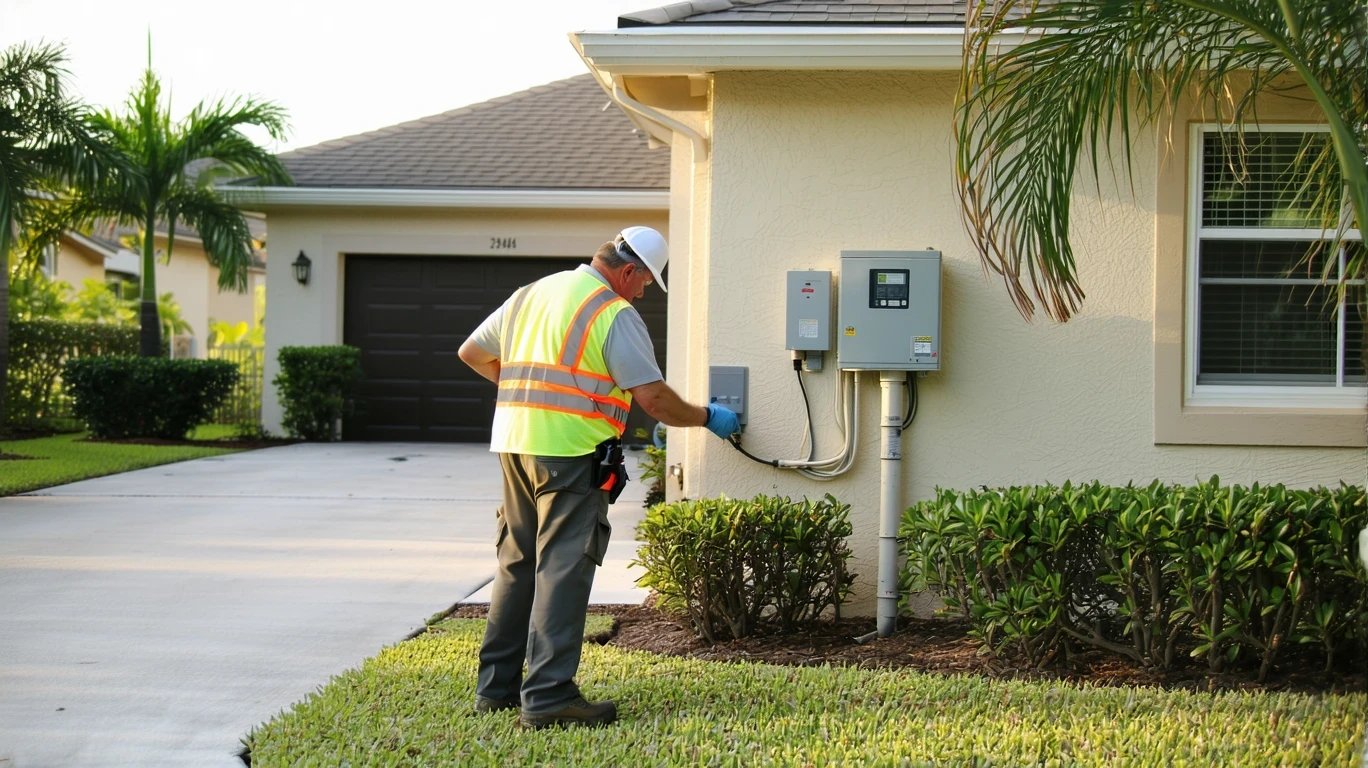
Understanding Utilities in Pembroke Pines
Utility costs in Pembroke Pines can come as a shock, especially for new residents. In the peak of summer, electric bills alone can top $200 for a typical household. Understanding what drives these expenses and how to plan for them is crucial for managing your monthly budget in this South Florida city.
Utilities are often the second-largest recurring expense after housing, typically including electricity, water, natural gas, trash, and recycling. While costs can vary significantly by season and household size, most residents in Pembroke Pines spend between $200 and $400 per month on utilities in 2025.
Apartments tend to have lower utility bills overall, as they are generally smaller and may have some utilities, like trash or water, included in rent. Single-family homes, on the other hand, often have higher costs due to larger square footage, outdoor irrigation, and individual meters for each service. The average household in Pembroke Pines spends around $300 monthly on utilities.
Monthly Utility Estimates for Pembroke Pines
To help with budgeting, here’s a breakdown of typical monthly utility costs for a mid-size household in a single-family home in Pembroke Pines:
| Electricity | $153 |
| Water | $60 |
| Natural Gas | $44 |
| Trash & Recycling | $25 |
| Total | $282 |
Estimates reflect a mid-size household in a single-family home in 2025. Actual bills vary by household size, season, and neighborhood.
Electricity often accounts for nearly half of the monthly utility bill in Pembroke Pines. With rates around 15.3¢/kWh in 2025, a household using 1,000 kWh per month would pay about $153. However, bills can easily double in the hottest months when air conditioning runs constantly.
Water costs in Pembroke Pines typically range from $20 to $100 per month, depending on usage tiers, sewer fees, and outdoor irrigation. Most households fall in the middle, around $60 monthly for 5,000 gallons. Watering lawns and gardens can cause spikes, so many residents adjust their irrigation schedules seasonally.
For homes with natural gas, monthly bills average $44 for around 50 therms during non-winter months. However, usage can climb to 80-120 therms in December and January when gas furnaces and fireplaces are in use, leading to bills over $100.
Trash and recycling in Pembroke Pines typically run $15-$40 per month, depending on the provider and whether the fee is paid to the city or included in homeowners association (HOA) dues. For estimation purposes, $25 is a reasonable midpoint to budget monthly.
Methodology: Where available, estimates use 2025 local rates from sources such as the EIA, Census Bureau, and municipal utilities (electricity, gas, water, trash). Electricity assumes ~1,000 kWh/month; gas assumes ~50 therms off-peak; water assumes ~5,000 gallons. Actual bills vary by season, household size, home efficiency, and neighborhood.
How Weather Impacts Utilities in Pembroke Pines
Seasonal weather patterns have a significant effect on utility costs in Pembroke Pines. Summer highs average in the low 90s with intense humidity, causing air conditioners to work overtime. Many households see electric bills rise 30-50% in July and August compared to milder months like April and November.
While winter temperatures are generally pleasant, averaging in the low 70s, cold fronts can bring brief chilly spells. Most homes in Pembroke Pines have heat pumps or electric resistance heating rather than gas furnaces. A few unusually cold days can cause a noticeable bump in electric bills.
The rainy season from May through October also impacts water costs, as heavy downpours reduce the need for outdoor irrigation. Savvy residents take advantage by adjusting their sprinkler timers, which can help offset higher electric bills in the same period.
How to Save on Utilities in Pembroke Pines
While utility costs are a fact of life in Pembroke Pines, there are ways to keep expenses under control. Start by taking advantage of off-peak and seasonal rates whenever possible. Many electric providers offer time-of-use plans with lower prices at night and on weekends, which can yield significant savings.
Energy efficiency is also key. Look for rebates and incentives on upgrades like insulation, heat pumps, LED lighting, and Energy Star appliances. Some Pembroke Pines residents have reduced bills 10-20% with these changes alone.
Here are more tips to lower your utility costs in Pembroke Pines:
- Install a smart thermostat to optimize heating and cooling
- Plant shade trees near your home’s sunny windows and walls
- Upgrade to low-flow faucets and toilets to conserve water
- Turn off your irrigation system when it rains
- Replace old appliances with energy-efficient models
🏆 Tip: Check if your provider in Pembroke Pines offers rebates for energy-efficient AC units or heat pumps, which can cut both upfront and operating costs.
FAQs About Utility Costs in Pembroke Pines
Why are utility bills so high in Pembroke Pines?
The tropical climate and need for year-round cooling are the biggest drivers. Electricity rates in Pembroke Pines are also about 15% above the national average in 2025, largely due to hurricane-hardening and infrastructure costs.
What is the average monthly electric bill for an apartment in Pembroke Pines compared to a single-family home?
Apartments in Pembroke Pines typically see electric bills around $100 per month, while single-family homes average closer to $150. However, exact costs depend on the size of the unit, number of occupants, and cooling habits.
How does seasonal weather affect monthly utility bills in Pembroke Pines?
Residents often see electric bills 30-50% higher in the peak of summer compared to milder months. Winter can also bring brief cold spells that bump up heating costs. The rainy season from May to October helps offset irrigation expenses.
Are utilities in Pembroke Pines generally cheaper or more expensive than the state average?
Utility costs in Pembroke Pines tend to be slightly higher than the Florida average, primarily due to electricity. However, bills are on par with other large South Florida cities like Miami and Fort Lauderdale.
Does Pembroke Pines offer incentives for solar panels or energy-efficient appliances?
Yes, Pembroke Pines works with local electric and gas providers to offer rebates for high-efficiency AC units, heat pumps, insulation, and more. Homeowners can also take advantage of Florida’s solar tax exemption and net metering policies.
Smarter Utility Planning in Pembroke Pines
For most households in Pembroke Pines, utilities are a significant expense category that requires careful budgeting. Expect to spend $200-$400 per month in 2025, with apartments and condos on the lower end and larger single-family homes on the higher end.
Electricity is the biggest piece of the pie, often accounting for 50% or more of the total bill. Water costs can also add up quickly, especially for homes with pools or large landscaped yards. Trash, recycling, and natural gas round out the mix for most residents.
While utility bills are unavoidable, understanding what drives them and taking proactive steps to conserve can make a big difference. Simple changes like adjusting your thermostat, upgrading appliances, and taking advantage of off-peak rates can easily save $50 or more per month.
Of course, utilities are just one piece of the larger cost of living picture in Pembroke Pines. Housing, transportation, food, and other necessities also play a major role in monthly budgeting. By exploring the Pembroke Pines cost of living guide, you can get a clearer sense of what it takes to make ends meet in this vibrant South Florida city.
At IndexYard, our goal is to provide current, localized data to help you navigate finances and lifestyle with confidence. Be sure to check out our other Pembroke Pines resources, including in-depth looks at the housing market, job opportunities, and transportation options to inform your planning in 2025 and beyond.