
Mara stood in front of two apartment listings on her laptop screen, both in Fort Lauderdale, both within her budget if she found a roommate. One sat three blocks from a rail station, the other required a car for everything. She’d heard Fort Lauderdale was just another sprawling Sun Belt city, but the transit map told a different story. Which version of student life would she actually be living?
For college students weighing their options, Fort Lauderdale presents a more nuanced picture than its beach-town reputation suggests. The city scores 72 out of 100 for student friendliness—a solid rating driven by infrastructure that genuinely supports a car-light lifestyle, at least in the right neighborhoods. Rail transit connects key corridors, walkable pockets offer high pedestrian infrastructure, and food and grocery options are broadly accessible without needing to drive. For students willing to choose housing strategically, Fort Lauderdale can function as a legitimate college town, not just a place where students happen to live.
That score reflects real advantages: integrated park access for outdoor study sessions, mixed-use neighborhoods where classes, work, and errands exist within transit or bike range, and a more vertical building character that translates to diverse rental stock. But it also acknowledges cost pressure. The general rental market sits at $1,627 per month median rent, and while shared student housing brings that down significantly, Fort Lauderdale isn’t a budget haven. The city works best for students who can navigate its transit bones and prioritize proximity over square footage.
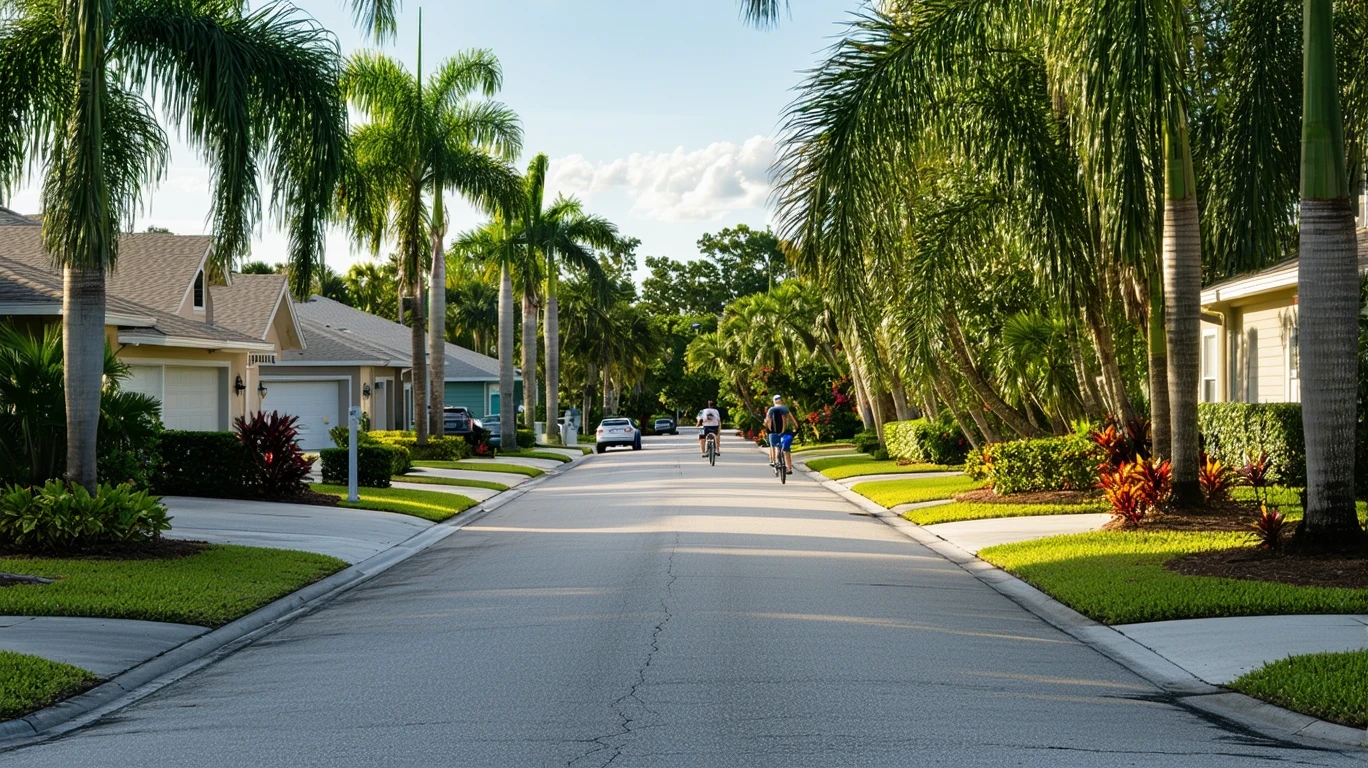
Housing Options for Students in Fort Lauderdale
Student housing in Fort Lauderdale falls into three main categories: purpose-built student complexes near campuses, traditional apartments split among roommates, and smaller multi-unit buildings in walkable, transit-served areas. The median rent figure reflects the broader market, but students typically pay far less by sharing. A two-bedroom apartment divided between two people might run $800–$950 per person monthly, while a three-bedroom shared among three students can drop individual costs to $650–$800. Solo living exists but pushes budgets hard; studio and one-bedroom units in student-friendly areas often start around $1,200–$1,400.
Lease terms in Fort Lauderdale generally follow 12-month cycles, though some landlords near academic calendars offer flexibility for students starting in late summer. Expect to pay first month, last month, and a security deposit upfront—often 2.5 to 3 times monthly rent as a lump sum. Roommate-matching services, campus housing boards, and local Facebook groups provide the primary channels for finding housemates, and many students lock in arrangements during spring semester for the following fall.
Location drives everything. Students who prioritize transit access and walkability should focus on neighborhoods within a half-mile of rail stations, where the pedestrian-to-road ratio is high and errands don’t require a car. These areas also tend to feature the mixed-use development that puts coffee shops, grocery stores, and study spaces within a short walk. Students choosing car-dependent complexes farther out may pay slightly less in rent but absorb the cost in transportation, time, and flexibility. The city’s infrastructure rewards proximity, and housing decisions should reflect that reality.
Getting Around: Transportation and Campus Access
Fort Lauderdale’s rail transit system is the defining factor in student mobility. Unlike many Sun Belt cities where transit exists in name only, rail service here connects meaningful destinations and runs frequently enough to structure a daily routine around. Students living near stations can reach campuses, part-time jobs, and social districts without owning a car, a significant financial and logistical advantage. The pedestrian infrastructure in these areas supports the last-mile connection—high sidewalk density, crosswalks, and lighting make walking to and from stations practical rather than theoretical.
Biking serves as a secondary option, with cycling infrastructure present in pockets throughout the city. The bike-to-road ratio sits in the medium band, meaning dedicated lanes and paths exist but aren’t ubiquitous. Students comfortable with urban cycling can extend their transit range or navigate between neighborhoods, though this works best for those already experienced with riding in traffic. Bike-share programs and campus bike-lending initiatives provide low-cost entry points.
For students who do keep a car, gas prices currently sit at $2.94 per gallon, and parking availability varies widely by neighborhood. On-campus parking often requires permits and fees, while off-campus housing may include one space or charge extra. The average commute in Fort Lauderdale runs 26 minutes, but students living strategically can cut that significantly by choosing housing along transit lines or within biking distance. The key decision isn’t whether Fort Lauderdale requires a car—it’s whether your specific housing and campus combination does. Rail access and walkable errands make car-free living genuinely viable for students willing to prioritize location.
Student Cost of Living in Fort Lauderdale
A realistic monthly budget for a student in Fort Lauderdale depends heavily on housing arrangement and transportation choices. Students sharing a multi-bedroom apartment near transit and cooking most meals can operate on a frugal budget of roughly $1,100–$1,400 per month, covering rent, food, transportation, and essentials. A more moderate lifestyle—eating out occasionally, maintaining a social calendar, keeping a car—pushes that to $1,600–$2,000 monthly. Students living solo or in premium complexes with full car dependency can expect $2,200–$2,700 or more.
Food costs vary by strategy. Grocery prices in Fort Lauderdale reflect a regional price level slightly above the national baseline, with staples like bread around $1.89 per pound, chicken at $2.08 per pound, and eggs near $2.79 per dozen. Students cooking at home and shopping strategically can keep food spending to $250–$350 monthly. Dining out, campus meal plans, and convenience purchases add up quickly; students balancing home cooking with occasional restaurant meals typically spend $400–$550. The city’s high density of food establishments—broadly accessible across neighborhoods—means options exist at every price point, from taco trucks to upscale bistros.
Transportation costs hinge entirely on car ownership. Students using transit and biking might spend $50–$100 monthly on passes, occasional ride-shares, and bike maintenance. Those keeping a car absorb insurance, gas, parking permits, and maintenance, easily adding $300–$500 monthly depending on driving frequency and vehicle age. Textbooks, course materials, and technology needs vary by program but often run $400–$800 per semester, or roughly $100–$200 monthly when averaged. Entertainment, personal care, and miscellaneous expenses round out budgets at $150–$300 monthly depending on social habits and lifestyle.
Part-time work opportunities exist throughout Fort Lauderdale, supported by a local unemployment rate of 3.2%—a tight labor market that favors job seekers. Retail, food service, tutoring, and campus positions provide the most common student employment, with wages typically ranging from minimum wage to $14–$16 per hour for skilled or experienced roles. Students working 15–20 hours weekly can cover a significant portion of living expenses, though balancing work and coursework remains the perennial challenge.
Monthly Student Budget in Fort Lauderdale
Here’s what a typical monthly student budget might look like in Fort Lauderdale:
| Expense Category | Shared Housing (Frugal) | Shared Housing (Moderate) | Solo Living |
|---|---|---|---|
| Rent | $700 | $850 | $1,300 |
| Utilities (split or solo) | $60 | $75 | $140 |
| Food | $280 | $450 | $500 |
| Transportation | $70 | $350 | $400 |
| Textbooks/Materials | $100 | $150 | $150 |
| Entertainment/Social | $100 | $200 | $250 |
| Personal Care | $40 | $70 | $80 |
| Miscellaneous | $50 | $100 | $120 |
| Total | $1,400 | $2,245 | $2,940 |
Estimates based on average student spending patterns and local costs. Transportation costs assume transit use for frugal budget, car ownership for moderate and solo budgets.
Student-Friendly Amenities and Services
Fort Lauderdale’s integrated park density and water features create abundant outdoor study environments. Students looking to escape dorm rooms or crowded libraries can find green spaces distributed throughout the city, many with benches, shade, and Wi-Fi access from nearby businesses. The high density of coffee shops—part of the city’s broadly accessible food landscape—provides alternative study venues, and many offer student discounts or loyalty programs that make regular visits affordable.
Gym and recreational facilities vary by campus but are supplemented by city parks, beach access, and the outdoor opportunities that come with year-round warm weather. The current temperature of 67°F is typical of Fort Lauderdale’s mild winter climate, and students can expect extended outdoor activity seasons compared to northern college towns. Intramural sports, pickup games, and informal fitness groups thrive in this environment, reducing the need for expensive gym memberships.
Healthcare access is strong, with hospital facilities present in the city and pharmacies widely distributed. Students without campus health plans can access urgent care clinics, community health centers, and telehealth services, though costs vary significantly by insurance status. Mental health resources, both on-campus and through local providers, are increasingly available, though wait times and affordability remain common concerns. Students should verify what services their tuition includes and what requires separate payment or insurance.
Campus job opportunities and local businesses provide part-time employment, and the mixed land-use character of many neighborhoods means students can often find work within walking or biking distance of housing. Retail, hospitality, and food service dominate student employment, but tutoring, research assistant positions, and internships offer pathways into career-relevant experience. The tight labor market favors students willing to work flexible hours, and many employers near campuses structure shifts around academic schedules.
Social Scene and Nightlife
Fort Lauderdale’s social landscape for students splits between campus-centered activities and the broader city’s entertainment options. Campus organizations, intramural leagues, and student government provide the traditional college social structure, while the city itself offers live music venues, beach gatherings, and nightlife districts accessible by rail or ride-share. The mixed-use urban form means bars, restaurants, and entertainment venues cluster in walkable areas, reducing the logistical friction that plagues car-dependent college towns.
Age-appropriate venues exist throughout the city, though students under 21 face the usual limitations on bar and club access. Coffee shops, parks, and beach areas serve as de facto social hubs for younger students, and the city’s outdoor culture supports informal gatherings year-round. For students 21 and over, Fort Lauderdale’s nightlife ranges from dive bars to upscale lounges, with concentrations near transit stops making late-night travel safer and cheaper than driving.
Cultural activities—concerts, art walks, festivals, and film screenings—occur regularly, and students can access many events at reduced or free admission. The city’s position as a regional hub brings touring acts and larger events that smaller college towns can’t support, while the beach itself provides a constant recreational backdrop. Dating and social networking benefit from the density and diversity of the student population, though the experience varies widely depending on campus culture and individual social strategies.
Safety and Practical Considerations
Campus safety measures vary by institution but generally include campus police, emergency call boxes, late-night escort services, and well-lit pathways. Off-campus safety depends heavily on neighborhood choice. Areas with high pedestrian infrastructure and mixed-use development tend to have more eyes on the street and better lighting, while car-dependent residential zones can feel isolated after dark. Students should visit neighborhoods at different times of day before committing to housing and prioritize locations with active street life and transit access.
Emergency services, including hospital facilities, are present throughout Fort Lauderdale, and response times are generally strong in denser areas. Students should know the location of the nearest urgent care clinic and have a plan for transportation in medical emergencies, especially if living car-free. Campus health centers provide first-line care for many issues, but serious conditions require off-campus facilities.
Academic support services—tutoring centers, writing labs, disability accommodations, and advising—are campus-specific but form the backbone of student success infrastructure. Students should take advantage of these resources early rather than waiting until academic trouble develops. Career services, internship placement, and alumni networks vary widely in quality and engagement, but Fort Lauderdale’s position in a major metro area provides access to employers and industries that rural college towns can’t match. Students in fields like hospitality, healthcare, business, and technology can find internship and networking opportunities within the city, reducing the need to relocate for career development.
How Fort Lauderdale’s Infrastructure Shapes Student Life
The difference between thriving and struggling as a student in Fort Lauderdale often comes down to understanding how the city’s physical structure shapes daily logistics. Students who choose housing near rail stations and within walkable pockets can build routines around transit, biking, and foot traffic. Errands become quick walks rather than car trips, and the time saved on parking and driving translates into study hours or work shifts. The broadly accessible food and grocery landscape means students aren’t trapped by limited options or forced into expensive delivery habits.
Conversely, students who prioritize cheaper rent in car-dependent areas absorb hidden costs in time, transportation, and isolation. A $100 monthly savings on rent evaporates quickly when gas, insurance, and parking fees enter the equation, and the lack of walkable destinations makes spontaneous social interaction harder. Fort Lauderdale’s infrastructure doesn’t punish car ownership, but it rewards students who align their housing choices with the city’s transit and pedestrian strengths.
The integrated park access and water features provide more than recreation—they offer free, accessible spaces for studying, socializing, and decompressing that don’t require spending money. Students in cities with limited green space often resort to coffee shops or paid venues for every activity; in Fort Lauderdale, outdoor options reduce that pressure. The more vertical building character and mixed land use mean students can live in neighborhoods that feel urban and walkable rather than isolated and car-dependent, a quality-of-life factor that’s hard to quantify but easy to feel.
How this article was built: In addition to public economic data, this article incorporates location-based experiential signals derived from anonymized geographic patterns—such as access density, walkability, and land-use mix—to reflect how day-to-day living actually feels in Fort Lauderdale, FL.
FAQs About Student Life in Fort Lauderdale
What’s the average cost of student living in Fort Lauderdale?
Students sharing housing and using transit typically spend $1,400–$2,000 monthly depending on lifestyle choices. Solo living or car ownership pushes costs to $2,200–$2,900. The biggest variables are rent arrangement and transportation strategy—students who choose transit-accessible housing and cook at home can live significantly cheaper than those relying on cars and dining out.
How safe is it for students to live off-campus in Fort Lauderdale?
Safety varies by neighborhood. Areas with high pedestrian activity, mixed-use development, and good lighting tend to be safer and feel more secure, especially for students walking or biking. Car-dependent residential zones can feel isolated after dark. Students should visit potential neighborhoods at different times, talk to current residents, and prioritize locations near transit and active street life. Campus security services and local police presence are generally strong, but personal awareness and smart housing choices remain the best safety strategies.
Are there good part-time job opportunities for students?
Yes. Fort Lauderdale’s unemployment rate of 3.2% reflects a tight labor market, and students willing to work retail, food service, tutoring, or campus positions can generally find employment. Wages typically range from minimum wage to $14–$16 per hour for experienced or skilled roles. The mixed land-use character of many neighborhoods means students can often find work within walking or biking distance, and many employers near campuses offer flexible scheduling around class times.
What’s the social scene like for college students in Fort Lauderdale?
Fort Lauderdale offers a hybrid social experience—campus organizations and events provide traditional college community, while the city itself has live music, nightlife districts, beach access, and cultural events that smaller college towns lack. The rail transit system makes it easier to explore different neighborhoods and venues without driving, and the year-round warm weather supports outdoor social activities. Students under 21 have access to coffee shops, parks, and beach areas as social hubs, while those 21+ can access a full range of bars and clubs concentrated in walkable, transit-served areas.
Making the Decision: Is Fort Lauderdale Right for Your College Years?
Fort Lauderdale works best for students who can navigate its infrastructure strategically. The city’s rail transit, walkable pockets, and broadly accessible errands create a genuinely viable car-light lifestyle—but only if you choose housing that aligns with those strengths. Students willing to prioritize proximity over space, share housing to control costs, and build routines around transit and biking will find Fort Lauderdale offers advantages that sprawling Sun Belt cities typically don’t: real transportation options, integrated outdoor spaces, and mixed-use neighborhoods where daily life doesn’t require constant driving.
The cost pressure is real. Rent isn’t cheap, and students who want solo living or car-dependent convenience will feel the financial strain. But for those who approach Fort Lauderdale as a city with bones—transit lines, pedestrian infrastructure, accessible amenities—rather than just a beach town, the student experience can be both affordable and genuinely urban. The key is recognizing that the tradeoffs behind the total cost of living here aren’t just about rent or groceries; they’re about how you move, where you live, and what kind of daily routine you’re willing to build.
Prospective students should visit neighborhoods near rail stations, test transit routes to campus, and talk to current students about their actual routines. Parents evaluating affordability should look beyond sticker-price rent and consider transportation costs, time budgets, and the value of infrastructure that supports independence without requiring a car. Fort Lauderdale isn’t the cheapest college option, but for students who value walkability, transit access, and urban amenities, it offers a student experience that many larger and more expensive cities struggle to match. The question isn’t whether Fort Lauderdale is a good college town in the abstract—it’s whether the version of student life it supports aligns with your priorities, budget, and daily habits.