
It’s 6:15 a.m., and Maya is already at the bus shelter on Lexington Avenue, coffee in hand, watching headlights sweep past in the dark. She moved to Blaine six months ago for a job in downtown Minneapolis, drawn by the promise of affordable rent and a supposedly manageable commute. The bus comes—most mornings. When it does, she’s at her desk by 8:00. When it doesn’t, she’s scrambling for a rideshare and arriving flustered and late. This is the daily calculus of transportation options in Blaine: not impossible, but not effortless either.
Blaine sits at the northern edge of the Twin Cities metro, a sprawling suburban city where wide streets, shopping plazas, and single-family neighborhoods stretch across flat terrain. It’s a place built around the car, but not entirely without alternatives. Understanding how people actually get around here—and who benefits from what—requires looking past the transit maps and into the lived texture of daily mobility.
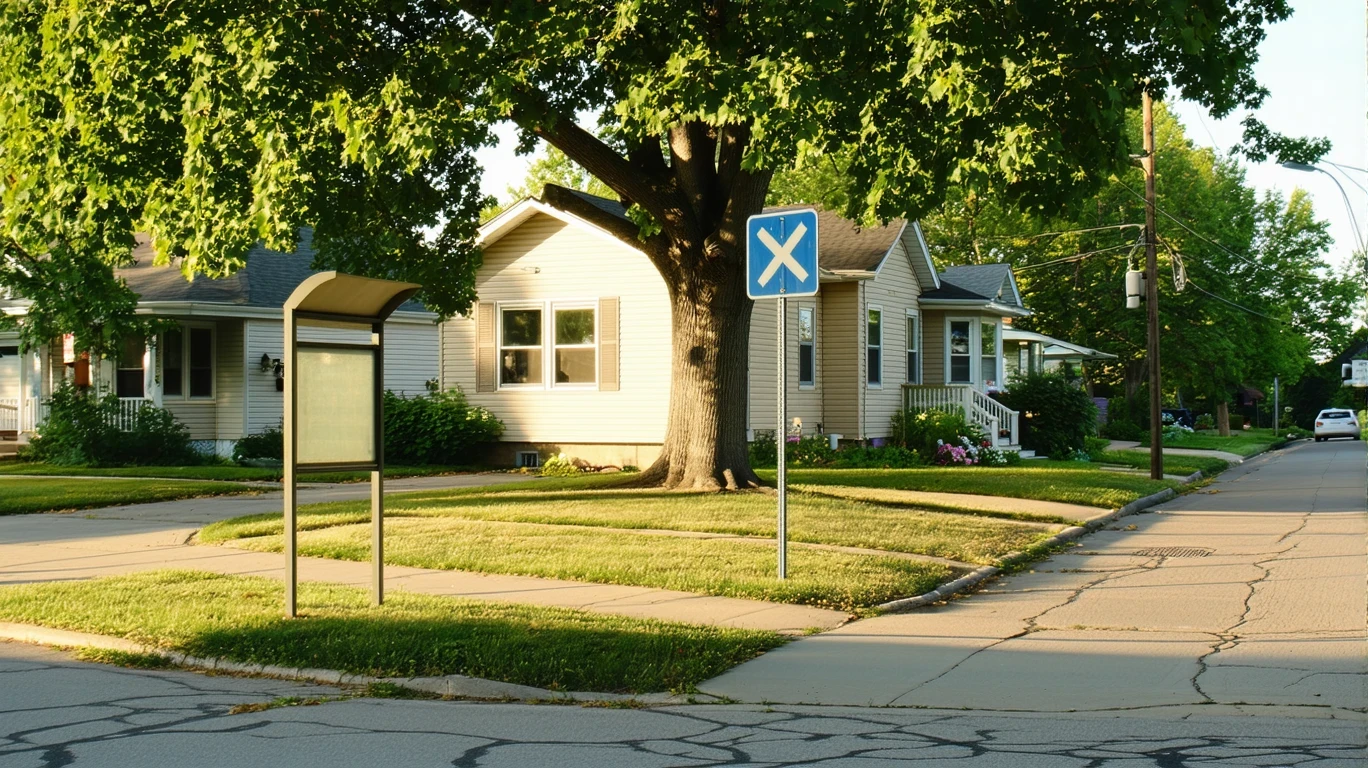
How People Get Around Blaine
Blaine is fundamentally car-oriented. The street grid is wide, destinations are spread out, and most errands—groceries, school drop-offs, weekend activities—assume you’re driving. Parking is plentiful, gas stations are everywhere, and the rhythm of daily life is timed to the hum of an engine, not the schedule of a bus.
But Blaine isn’t a transit desert. Bus service exists, particularly along major corridors like University Avenue and Lexington, connecting residents to jobs and services in Minneapolis and St. Paul. For some households—especially younger renters, single commuters, or families trying to keep transportation exposure manageable—transit plays a real, if limited, role. The question isn’t whether transit exists; it’s whether it fits the specific contours of your life.
What newcomers often misunderstand is that Blaine’s layout doesn’t reward spontaneity. You can’t easily “pop out” for something without a plan. Distances feel deceptive—everything looks close on a map, but without a car, a ten-minute drive becomes a forty-minute trek involving transfers, waiting, and walking through parking lots never designed for pedestrians.
Public Transit Availability in Blaine
Public transit in Blaine often centers around systems such as Metro Transit, which operates several bus routes connecting the city to the broader Twin Cities network. These routes tend to serve the busiest corridors—places where commercial activity, multifamily housing, and commuter demand overlap. If you live near one of these arteries and work somewhere the bus actually goes, transit can be a viable daily tool.
But coverage thins quickly as you move away from those main lines. Suburban neighborhoods, cul-de-sacs, and the residential pockets that make up much of Blaine’s geography are harder to serve. Frequency matters, too. A bus that comes every thirty minutes during rush hour and every hour off-peak requires a level of schedule discipline that doesn’t mesh well with unpredictable work hours, childcare pickups, or evening plans.
Transit works best in Blaine for people whose routines are predictable and whose destinations align with existing routes. It works less well for anyone juggling multiple stops, irregular hours, or responsibilities that demand flexibility. And it works poorly—or not at all—for households in the quieter, more residential areas where bus service is sparse or nonexistent.
Driving & Car Dependence Reality
For most people in Blaine, driving isn’t a preference—it’s a necessity. The city’s layout assumes it. Schools, grocery stores, medical offices, and recreational facilities are spread across a geography that makes walking impractical and transit incomplete. Parking is abundant and free in most places, which removes one of the friction points that might otherwise encourage alternative modes.
Car dependence here isn’t about lifestyle; it’s about infrastructure. Blaine was built during an era when suburban expansion prioritized space, convenience, and the automobile. Sidewalks exist in many areas, but they often lead to parking lots rather than destinations. Bike lanes are present in some corridors, but the distances involved and the lack of connectivity make cycling a recreational choice more than a practical commuting option for most.
Owning a car in Blaine means predictability. You control your schedule, your route, and your capacity to handle the unexpected. You’re not waiting in the cold for a bus that may or may not show up on time. You’re not limited to the places the transit network can reach. But that control comes with exposure—to fuel prices, maintenance, insurance, and the assumption that every adult in the household may need their own vehicle.
Commuting Patterns & Daily Mobility
Commuting in Blaine often means heading south—toward Minneapolis, St. Paul, or one of the inner-ring suburbs where jobs are concentrated. The average commute is around 25 minutes, but that figure masks significant variation. Someone driving to a nearby office park might spend fifteen minutes in the car. Someone taking the bus downtown might spend an hour or more, depending on transfers and timing.
For households with two working adults, the logistics get more complex. If both partners commute in different directions, or if one works irregular hours, the household often ends up needing two cars. If school drop-offs or daycare pickups are involved, the choreography tightens further. Transit can work for one leg of the day, but rarely for all of them.
Blaine’s commuters tend to fall into two camps: those who drive the whole way, and those who drive partway and park at a transit hub. Park-and-ride lots exist along some routes, offering a hybrid approach that preserves some flexibility while reducing time behind the wheel. But this strategy still assumes car access and adds complexity to the morning routine.
Who Transit Works For — and Who It Doesn’t
Transit in Blaine works best for single commuters with predictable schedules, especially those living near major bus corridors and working in downtown Minneapolis or St. Paul. It works for younger renters who prioritize lower transportation costs over convenience. It works for households willing to structure their lives around the bus schedule—and who have backup plans when that schedule fails.
Transit doesn’t work well for families with young children, especially those managing school pickups, extracurriculars, and grocery runs. It doesn’t work for shift workers whose hours don’t align with peak service times. It doesn’t work for anyone whose job requires travel to multiple sites during the day. And it doesn’t work for households living in the quieter, more residential parts of Blaine where bus service is thin or absent.
Renters in multifamily buildings near transit corridors have the best shot at making it work. Homeowners in single-family neighborhoods farther from the main routes almost always rely on cars. The difference isn’t about values or preferences—it’s about proximity, frequency, and the practical demands of daily life.
Transportation Tradeoffs in Blaine
Choosing between transit and driving in Blaine isn’t a simple cost calculation—it’s a tradeoff between control and exposure. Driving offers flexibility, predictability, and the ability to handle the unexpected. It also means absorbing fuel costs, maintenance, insurance, and the risk that any of those expenses could spike. Transit offers lower direct costs and eliminates some of that volatility, but it demands schedule discipline, patience, and a willingness to accept limited coverage.
For some, the tradeoff tilts toward transit because the savings and reduced hassle outweigh the inconvenience. For others—especially those with complex household logistics or jobs that require mobility—driving is the only realistic option. The key is understanding which side of that line you’re on before committing to a lease or a mortgage in a particular part of the city.
Blaine’s transportation landscape also shapes housing decisions. Living near a bus line might mean paying slightly more in rent, but it opens up the possibility of a car-light or car-free lifestyle. Living farther out might mean cheaper housing, but it locks you into car dependence and all the costs that come with it.
FAQs About Transportation in Blaine (2026)
Is public transit usable for daily commuting in Blaine?
Yes, but with caveats. If you live near a major bus corridor and work somewhere the bus goes, transit can be a viable daily option. If you live in a quieter residential area or work somewhere off the main routes, transit becomes much harder to rely on. Frequency and coverage are the limiting factors.
Do most people in Blaine rely on a car?
Yes. Blaine’s layout, distances, and infrastructure assume car ownership. While transit exists and some residents use it regularly, the majority of households depend on at least one vehicle for daily errands, commuting, and household logistics.
Which areas of Blaine are easiest to live in without a car?
Areas near major bus corridors—particularly along University Avenue and Lexington—offer the best chance of living without a car. Multifamily housing near these routes tends to have better transit access and walkable proximity to some services. Farther from these corridors, car-free living becomes impractical.
How does commuting in Blaine compare to nearby cities?
Blaine’s commute times are moderate by metro standards, but the city’s suburban layout means most commuters drive. Compared to inner-ring suburbs or neighborhoods closer to downtown Minneapolis, Blaine offers less transit frequency and fewer alternatives to driving. Compared to more distant exurbs, Blaine has better bus access and shorter average commutes.
Can families with kids manage without a car in Blaine?
It’s difficult. School pickups, extracurriculars, grocery runs, and medical appointments all become significantly harder without a car. While some families near transit corridors make it work with careful planning and backup options, most find that the logistics demand at least one household vehicle.
How Transportation Fits Into the Cost of Living in Blaine
Transportation isn’t just a line item—it’s a structural factor that shapes where you can live, how you spend your time, and what kind of financial exposure you carry. In Blaine, that structure leans heavily toward driving, which means most households need to account for vehicle ownership, fuel, and maintenance as baseline costs.
For those who can make transit work, the savings are real but come with tradeoffs in time and flexibility. For those who can’t, transportation becomes one of the largest and least compressible parts of your monthly budget in Blaine. Understanding how mobility works here—and being honest about your own needs—helps you make housing and lifestyle decisions that fit your actual circumstances, not just your aspirations.
Blaine offers a version of suburban life that’s more connected than many outer suburbs, but still firmly rooted in car culture. If you’re moving here, plan for that reality. Know which neighborhoods offer transit access, understand what that access actually provides, and be clear-eyed about whether your daily routine can realistically align with it. The city rewards those who plan ahead and punishes those who assume flexibility they don’t actually have.
How this article was built: In addition to public economic data, this article incorporates location-based experiential signals derived from anonymized geographic patterns—such as access density, walkability, and land-use mix—to reflect how day-to-day living actually feels in Blaine, MN.