
“I take the train into Minneapolis most days—it’s reliable, and I don’t have to think about parking. But if I need to run errands after work or pick up my kid? I’m back in the car. That’s just how it works out here.”
That’s the reality of getting around Eden Prairie in 2026: rail transit exists and serves a real purpose, but for most residents, daily life still revolves around driving. The city’s layout—low-rise, spread out, with commercial and residential uses mixed in pockets rather than layered throughout—means that even with transit access, a car remains the default for flexibility, errands, and multi-stop days.
Understanding transportation options in Eden Prairie means recognizing that this isn’t a city where you choose between transit and driving as equal alternatives. It’s a place where transit works well for specific commutes and specific households, while driving handles everything else. Newcomers who assume they can rely solely on public transit often find themselves adjusting quickly once they realize how much of daily life—groceries, appointments, weekend plans—requires a car.
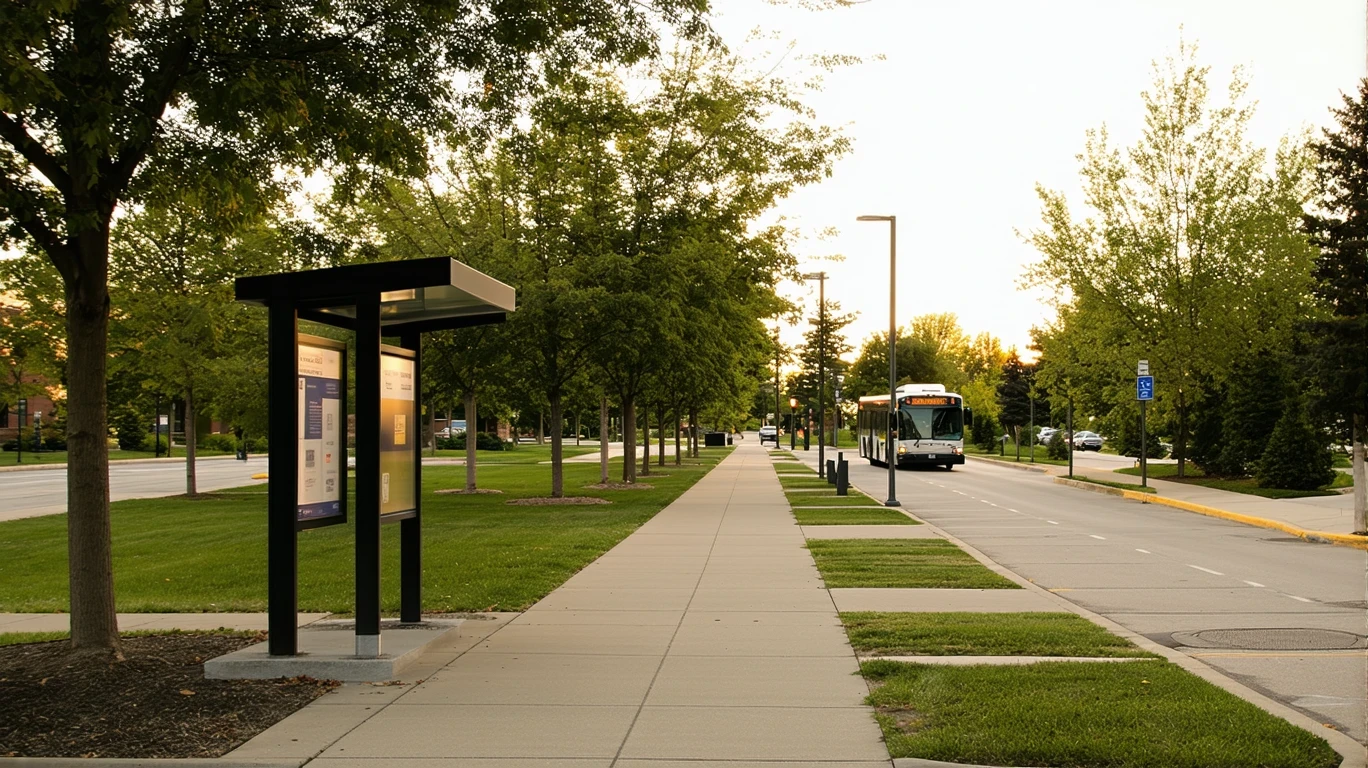
How People Get Around Eden Prairie
Eden Prairie operates as a car-first suburb with targeted transit access. The presence of rail service means that residents near stations can commute into Minneapolis or other regional destinations without driving, but that convenience doesn’t extend uniformly across the city. Outside of those transit-adjacent areas, getting around means driving—whether that’s to work, to the grocery store, or across town for errands.
The city’s pedestrian infrastructure is concentrated in specific areas, creating walkable pockets where sidewalks, crosswalks, and bike lanes are more common. In these zones, residents can walk to nearby shops or parks without feeling like they’re navigating a highway shoulder. But step outside those pockets, and the infrastructure shifts: wider roads, longer distances between destinations, and fewer pedestrian-friendly crossings. This isn’t a city where walking replaces driving; it’s a city where walking works well in certain neighborhoods and falls short in others.
Cycling infrastructure is notably present, with bike-to-road ratios that exceed typical suburban norms. This means that residents who bike for recreation or short errands have access to dedicated lanes and paths in parts of the city. But cycling as a primary commute mode remains niche—practical for those who live and work within a few miles of each other, less so for anyone commuting to regional job centers or managing household logistics that require hauling groceries, kids, or equipment.
Public Transit Availability in Eden Prairie
Rail transit is the backbone of public transportation in Eden Prairie. Its presence gives the city a level of connectivity that many suburbs lack, linking residents to downtown Minneapolis and other regional hubs without the need to drive and park. For commuters whose jobs are near rail-accessible destinations, this is a meaningful advantage: predictable travel times, no fuel costs, and the ability to read, work, or relax during the commute.
But rail transit’s usefulness is geographically constrained. It works best for residents who live within walking or biking distance of a station and whose daily destinations align with the rail network. For everyone else—those in neighborhoods farther from stations, or those whose jobs, errands, or family obligations require multi-stop flexibility—rail becomes a secondary option rather than a primary solution.
Bus service may also be present, though its role tends to be supplementary. Buses can extend transit access beyond rail corridors, but coverage, frequency, and route structure vary. In practice, bus transit in suburban environments like Eden Prairie often serves specific corridors or peak commute hours rather than providing the all-day, all-destination coverage that would allow residents to fully replace a car.
The result is a transit system that works well for targeted use cases but doesn’t eliminate car dependence for most households. If your commute is linear, predictable, and aligned with rail service, transit is a strong option. If your daily life involves multiple stops, off-peak travel, or destinations outside the rail network, you’ll still need a car.
Driving & Car Dependence Reality
Driving is the default in Eden Prairie, and the city’s layout reinforces that. Parking is abundant, roads are designed for vehicle flow, and the distance between home, work, and errands often makes driving the only practical choice. Even residents who use rail transit for commuting typically own a car for everything else: weekend trips, grocery runs, appointments, and any travel outside the rail corridor.
This isn’t a judgment about sprawl or planning—it’s a description of how the city functions. Eden Prairie’s development pattern prioritizes single-family homes, separated land uses, and auto-oriented infrastructure. That creates a living environment where cars provide the flexibility and control that transit can’t match. You can leave when you want, stop where you need to, and adjust your route on the fly. Transit requires planning, fixed schedules, and acceptance that some destinations simply aren’t reachable without a car.
For households with two working adults, multiple kids, or complex schedules, car dependence isn’t a choice—it’s a necessity. Even in walkable pockets, where pedestrian infrastructure makes short trips feasible on foot, the majority of weekly travel still happens by car. The city’s low-rise character and corridor-clustered commercial development mean that even nearby errands often involve driving rather than walking.
Commuting Patterns & Daily Mobility
Commuting in Eden Prairie reflects the city’s dual identity: close enough to Minneapolis to make rail transit viable, but suburban enough that most residents still drive. For those who work in downtown Minneapolis or another rail-accessible job center, the train offers a predictable, low-stress commute. For everyone else—those working in suburban office parks, industrial areas, or distributed job sites—driving is the only realistic option.
Daily mobility extends beyond the work commute. Households manage school drop-offs, grocery runs, medical appointments, and social plans, often in a single day. That kind of multi-stop complexity favors driving, even for residents who use transit for their primary commute. The ability to chain errands, adjust timing, and carry cargo makes a car indispensable for most families.
Proximity matters. Residents who live near rail stations or within walkable pockets absorb less commute friction and have more transportation flexibility. Those farther out face longer drives, fewer transit options, and greater dependence on personal vehicles. The city’s layout doesn’t penalize car owners, but it does reward those who can position themselves near transit or within the more pedestrian-friendly zones.
Who Transit Works For — and Who It Doesn’t
Transit in Eden Prairie works best for single commuters or couples without kids whose jobs are located along the rail line. If you live near a station, work in downtown Minneapolis, and don’t need to make multiple stops during the day, rail transit can replace your commute car. You’ll still likely own a vehicle for weekends and errands, but your daily routine won’t revolve around driving.
Transit works less well for families with school-age children, households managing complex schedules, or anyone whose job is located outside the rail corridor. The logistical demands of getting kids to school, running errands, and managing after-work obligations require the flexibility that only a car provides. Even in walkable pockets, where short trips on foot are feasible, the majority of household travel still depends on driving.
Renters near transit stations have the most flexibility. They can test whether a car-light or car-free lifestyle works for them without the long-term commitment of homeownership. If transit meets their needs, they benefit from lower transportation costs and less parking hassle. If it doesn’t, they can adjust their housing or vehicle strategy without being locked in.
Homeowners farther from transit corridors face a different reality. Their housing choice often reflects a tradeoff: more space, lower per-square-foot costs, and larger lots, but greater car dependence and longer drives. For these households, transit isn’t part of the daily equation—it’s an occasional option for specific trips, not a substitute for owning and using a car.
Transportation Tradeoffs in Eden Prairie
Choosing between transit and driving in Eden Prairie isn’t about affordability—it’s about control, predictability, and how much flexibility you need in your daily life. Rail transit offers a fixed, reliable commute with no parking hassle and no fuel volatility. Driving offers the ability to leave when you want, stop where you need to, and handle the unpredictable demands of family and work life.
Transit users gain predictability but lose flexibility. They avoid traffic variability and parking costs, but they’re constrained by schedules, routes, and the need to plan around fixed departure times. For commuters whose routines are stable and whose destinations align with rail service, that tradeoff works. For everyone else, the loss of flexibility outweighs the benefits.
Drivers gain control but absorb exposure. They can respond to last-minute changes, manage multi-stop days, and travel outside transit corridors, but they’re exposed to fuel price swings, maintenance costs, and the time cost of driving. In a city like Eden Prairie, where distances are moderate and traffic is generally manageable, that exposure is less punishing than in denser, more congested metros—but it’s still present.
The real tradeoff isn’t between transit and driving—it’s between proximity and space. Households that prioritize transit access tend to live closer to rail stations, in denser, more walkable pockets, often in smaller homes or rental units. Households that prioritize space, yards, and single-family homes tend to live farther out, where car dependence is higher but housing costs per square foot are lower. Neither choice is wrong; they’re just optimized for different priorities.
FAQs About Transportation in Eden Prairie (2026)
Is public transit usable for daily commuting in Eden Prairie?
Yes, if your job is located along the rail line and you live near a station. Rail transit provides a reliable commute option for residents whose work destinations align with the network. For jobs outside the rail corridor or in suburban office parks, driving remains the primary option.
Do most people in Eden Prairie rely on a car?
Yes. Even residents who use rail transit for commuting typically own a car for errands, family logistics, and travel outside the transit network. The city’s layout and development pattern make driving the default for most daily activities.
Which areas of Eden Prairie are easiest to live in without a car?
Neighborhoods near rail stations and within walkable pockets offer the most car-light potential. These areas have better pedestrian infrastructure, closer access to transit, and shorter distances to nearby shops and services. Even in these zones, most households still own a car for flexibility.
How does commuting in Eden Prairie compare to nearby cities?
Eden Prairie benefits from rail access, which gives it better transit connectivity than many suburban cities. However, it remains car-dependent for most residents, similar to other Twin Cities suburbs. The presence of rail transit distinguishes it from purely auto-oriented suburbs, but it doesn’t eliminate the need for a vehicle.
Can you bike for transportation in Eden Prairie?
Yes, in certain areas. The city has notable cycling infrastructure, with dedicated bike lanes and paths that exceed typical suburban standards. Biking works well for short errands, recreation, and commutes within a few miles. For longer trips or multi-stop days, most residents still drive.
How Transportation Fits Into the Cost of Living in Eden Prairie
Transportation in Eden Prairie isn’t just about monthly expenses—it’s about how mobility shapes where you live, how much time you spend traveling, and what kind of flexibility you have in your daily routine. Households near rail stations can reduce their reliance on driving, which lowers fuel and maintenance exposure but often comes with higher housing costs or smaller living spaces. Households farther out absorb more driving but gain more space and lower per-square-foot housing costs.
The city’s layout means that transportation decisions are tied to housing decisions. Choosing proximity to transit or walkable pockets often means choosing density, rental units, or smaller homes. Choosing space, yards, and single-family homes often means choosing car dependence and longer drives. Neither path is inherently cheaper—they just shift where costs show up and what tradeoffs you’re willing to make.
For a fuller picture of how transportation costs interact with housing, utilities, and other expenses, see A Month of Expenses in Eden Prairie: What It Feels Like. That article breaks down the broader cost structure and helps you see where transportation fits into the overall financial picture.
Ultimately, getting around Eden Prairie is about understanding what kind of mobility you need and where you’re willing to compromise. If your life fits the rail transit model—linear commute, predictable schedule, minimal multi-stop complexity—you can reduce your car dependence and gain some cost and time predictability. If your life requires flexibility, multi-stop days, or travel outside the transit network, you’ll need a car, and your housing and location choices will reflect that. The city offers both paths, but it doesn’t pretend they’re equal. Know which one fits your life, and plan accordingly.
How this article was built: In addition to public economic data, this article incorporates location-based experiential signals derived from anonymized geographic patterns—such as access density, walkability, and land-use mix—to reflect how day-to-day living actually feels in Eden Prairie, MN.