
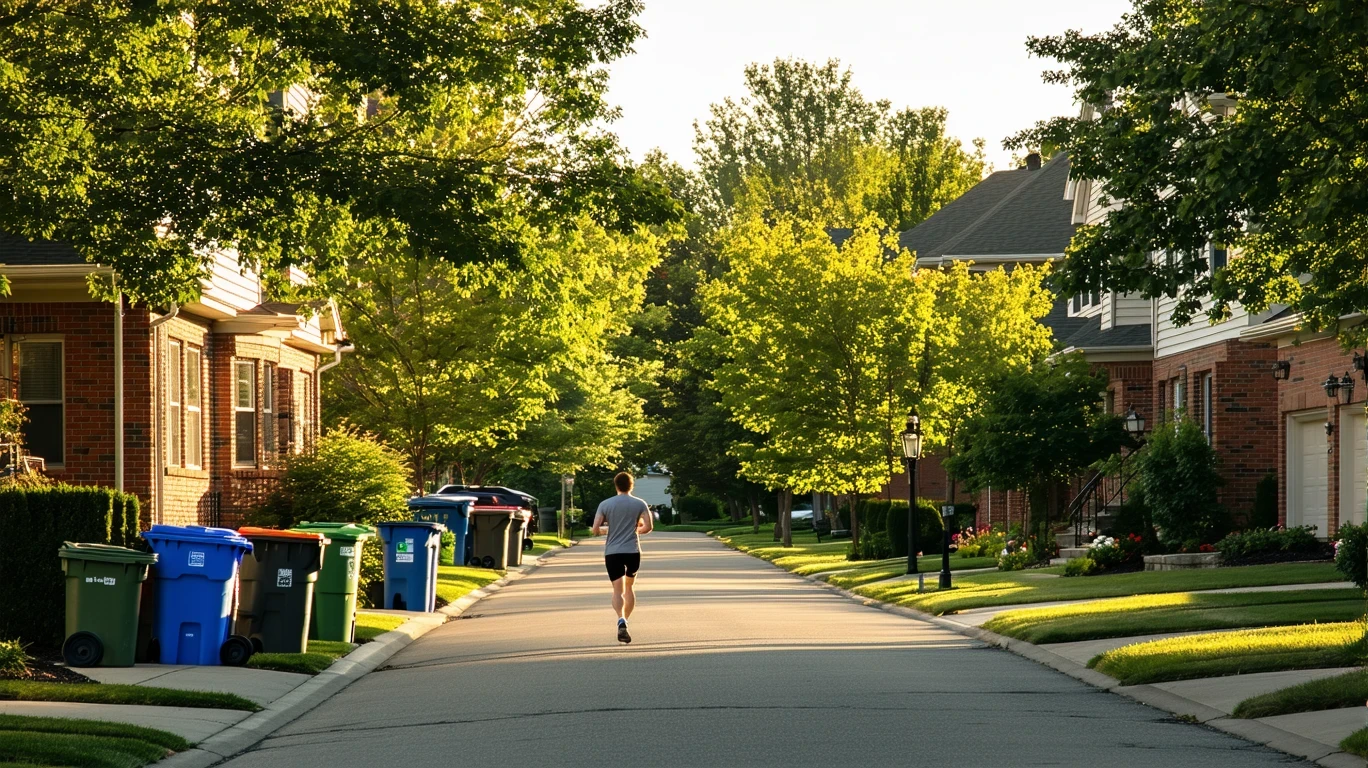
Maple Grove and Brooklyn Park sit just miles apart in the northwest Twin Cities metro, share the same regional economy, and offer similar suburban layouts with parks, bus service, and mixed residential-commercial corridors. Yet the cost experience in each city diverges sharply—not because one is universally cheaper, but because housing entry barriers, transportation expenses, and utility rate structures distribute pressure differently across household types. For families deciding between the two in 2026, the question isn’t which city costs less overall, but which cost pattern aligns better with how a household earns, commutes, and uses space.
Both cities reflect the broader Twin Cities pattern: car-oriented suburbs with walkable pockets, bus-only transit, notable cycling infrastructure, and grocery options clustered along commercial corridors. Park access is strong in both places, with Brooklyn Park showing particularly high park density. Neither city offers rail transit or hospital facilities, though clinics and pharmacies serve routine healthcare needs locally. The structural similarities mean that cost differences emerge primarily from housing markets, income distributions, and transportation friction, not from fundamentally different urban forms or amenities.
This comparison explains where cost pressure concentrates in Maple Grove versus Brooklyn Park, how the same income feels different in each city, and which households experience more exposure to housing, utilities, transportation, or everyday spending. It does not calculate total cost of living, declare a winner, or estimate savings—because the better choice depends entirely on which costs dominate your household’s budget and which tradeoffs you’re positioned to absorb.
Housing Costs: Entry Barrier vs. Ongoing Exposure
Housing represents the starkest structural difference between Maple Grove and Brooklyn Park. Maple Grove’s median home value sits at $379,800, while Brooklyn Park’s reaches $289,400—a gap that fundamentally reshapes who can enter each market and what ongoing obligations follow. For renters, the pattern holds: Maple Grove’s median gross rent stands at $1,768 per month, compared to Brooklyn Park’s $1,244 per month. These aren’t minor variations; they represent different housing ecosystems serving different income bands and household strategies.
The higher entry cost in Maple Grove reflects newer housing stock, larger lot sizes, and positioning within the metro’s higher-income northwestern corridor. Buyers face steeper down payment requirements, higher monthly mortgage obligations, and elevated property tax bases. Renters encounter tighter inventory at the lower end of the market, with most units skewing toward newer construction and family-sized layouts. In contrast, Brooklyn Park’s lower median values open access to a broader range of buyers, including first-time purchasers, single-income households, and families prioritizing space over finishes. The rental market offers more entry-level inventory, older buildings with lower rents, and greater flexibility for households managing tighter budgets.
For homeowners, the cost difference doesn’t end at purchase. Maple Grove’s higher home values translate to higher property tax bills, higher insurance premiums, and often higher HOA fees in newer developments. Maintenance costs may run lower in newer homes, but the baseline obligation—mortgage, taxes, insurance—remains elevated. Brooklyn Park homeowners face lower baseline obligations but may encounter higher maintenance exposure in older housing stock. Heating and cooling costs can vary more widely depending on insulation quality, window age, and HVAC efficiency. The tradeoff is clear: Maple Grove front-loads cost into the entry barrier and ongoing fixed obligations, while Brooklyn Park distributes cost across entry, maintenance, and utility volatility.
| Housing Type | Maple Grove | Brooklyn Park | Primary Difference |
|---|---|---|---|
| Median Home Value | $379,800 | $289,400 | Entry barrier substantially higher in Maple Grove |
| Median Gross Rent | $1,768/month | $1,244/month | Ongoing rent obligation higher in Maple Grove |
| Renter Exposure | Higher baseline, newer stock | Lower baseline, older stock | Maple Grove limits entry-level inventory |
| Owner Exposure | Higher fixed obligations, lower maintenance risk | Lower fixed obligations, higher maintenance variability | Cost timing and predictability differ |
Housing takeaway: Maple Grove’s housing market favors households with higher incomes who can absorb elevated entry costs in exchange for predictability and newer construction. Brooklyn Park favors households prioritizing lower baseline obligations, greater entry flexibility, and willingness to manage maintenance variability. Renters sensitive to monthly cash flow will feel the difference immediately; buyers sensitive to down payment size and mortgage qualification will find Brooklyn Park more accessible. Neither city is “cheaper”—they serve different financial positions and risk tolerances.
Utilities and Energy Costs: Rate Structure and Seasonal Exposure
Utility costs in Maple Grove and Brooklyn Park reflect small but meaningful differences in rate structures and how those rates interact with housing stock, household size, and seasonal demand. Maple Grove’s electricity rate stands at 14.98¢/kWh, while Brooklyn Park’s reaches 15.67¢/kWh—a modest gap that compounds over months of heating and cooling in Minnesota’s extreme climate. Natural gas pricing follows a similar pattern: Maple Grove pays $9.43/MCF, Brooklyn Park $9.99/MCF. These differences don’t dominate monthly budgets on their own, but they interact with home size, insulation quality, and appliance efficiency to create divergent cost experiences.
In both cities, winter heating dominates utility exposure. Long, cold Minnesota winters demand sustained natural gas or electric heating from November through March, with occasional deep freezes pushing usage even higher. Summer cooling matters less in duration but still drives spikes during humid stretches in July and August. The key difference lies in how housing stock amplifies or dampens these seasonal swings. Maple Grove’s newer homes typically feature better insulation, modern windows, and efficient HVAC systems, which moderate usage even when rates are applied. Brooklyn Park’s older housing stock may experience higher baseline usage due to drafty windows, older furnaces, and less effective insulation, meaning the slightly higher rates apply to higher consumption volumes.
Household size and home type further shape utility exposure. Single adults in apartments face lower absolute bills but less control over efficiency upgrades, making rate differences more visible. Families in single-family homes experience higher total usage but gain more control through thermostat management, insulation improvements, and appliance choices. In Maple Grove, newer construction often includes programmable thermostats, energy-efficient appliances, and better baseline efficiency, reducing the household’s ability to lower costs further but also reducing volatility. In Brooklyn Park, older homes offer more room for efficiency gains but require upfront investment and ongoing attention to avoid runaway heating bills during cold snaps.
Utility takeaway: Maple Grove offers slightly lower utility rates and newer housing stock that moderates seasonal swings, favoring households seeking predictability and lower maintenance burdens. Brooklyn Park’s slightly higher rates apply to more variable housing stock, creating both risk and opportunity—households willing to invest in efficiency upgrades can mitigate exposure, while those unable to do so may face higher volatility. The difference matters most for larger homes, older construction, and families managing tight monthly budgets where a $20–$40 swing in winter heating costs affects flexibility.
Groceries and Daily Expenses: Access, Habits, and Price Sensitivity
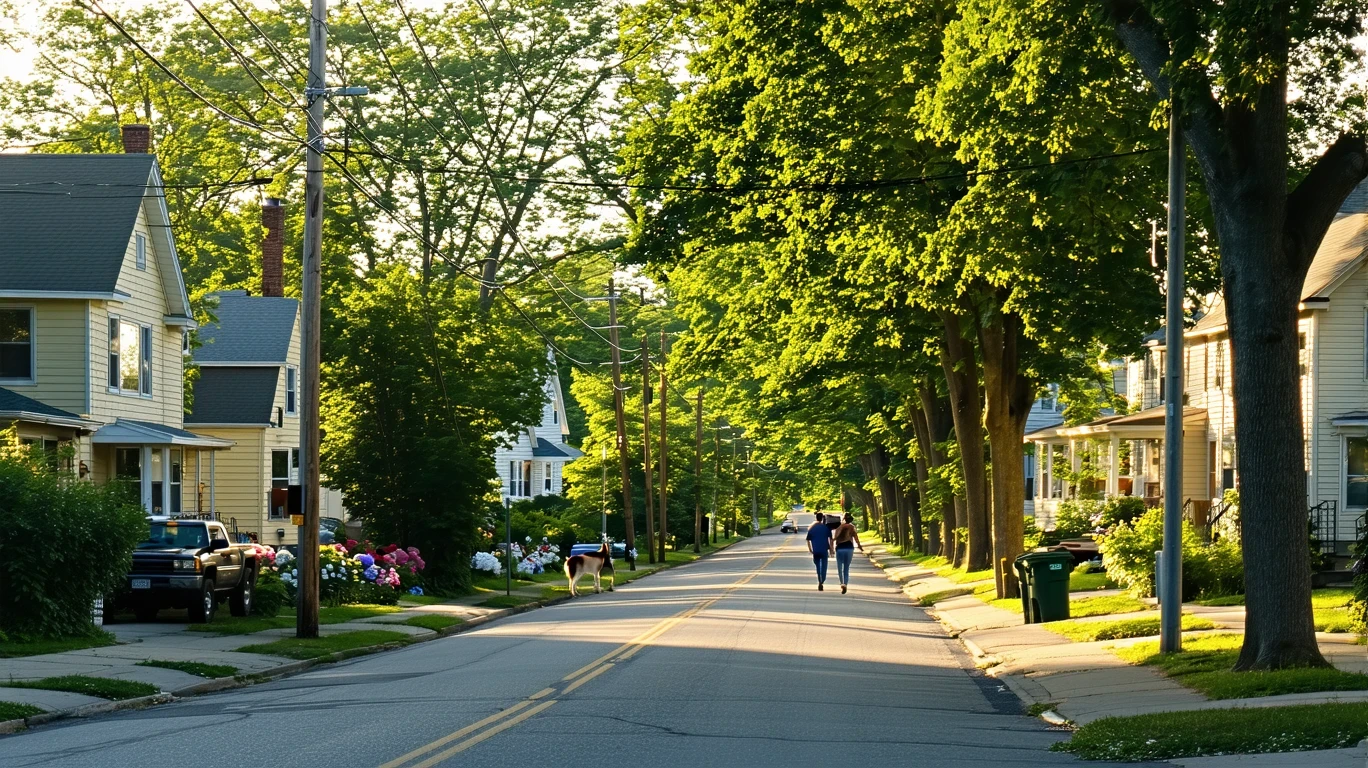
Grocery and everyday spending pressure in Maple Grove and Brooklyn Park stems less from price differences—both cities share the same regional price parity index of 98—and more from how access, store mix, and household habits interact with budget constraints. Both cities show corridor-clustered food and grocery options, meaning stores concentrate along major commercial routes rather than distributing evenly across neighborhoods. This pattern affects convenience, trip frequency, and the temptation to substitute quick stops for planned shopping, all of which shape monthly spending without changing the price of bread or milk.
In Maple Grove, grocery infrastructure skews toward larger-format stores, warehouse clubs, and chains serving higher-income households. This mix favors bulk buying, planned trips, and households with storage space and upfront cash to stock pantries. The tradeoff: fewer small-format or discount grocers means less flexibility for households managing week-to-week cash flow or lacking transportation to reach distant stores. Dining out and convenience spending—coffee shops, fast-casual chains, prepared foods—cluster heavily in Maple Grove’s commercial corridors, creating more friction points where small purchases accumulate. For families with kids, the temptation to grab takeout after activities or stop for coffee on the way to work can quietly inflate monthly spending beyond grocery line items.
Brooklyn Park offers a broader mix of grocery formats, including discount chains, ethnic grocers, and smaller neighborhood stores alongside big-box options. This diversity provides more price flexibility for households willing to shop multiple stores or prioritize cost over convenience. The lower median income in Brooklyn Park also correlates with more price-conscious shopping behaviors—less dining out, more home cooking, fewer convenience purchases. However, the same corridor-clustered pattern means households without cars or those living farther from commercial routes face similar access friction, potentially forcing reliance on smaller, pricier corner stores or increasing transportation costs to reach better options.
Household size and cooking habits determine how these structural differences translate into monthly pressure. Single adults and couples with flexible schedules can optimize around sales, bulk buying, and meal planning, minimizing the impact of store mix or location. Families with kids face tighter time budgets, more frequent trips, and greater exposure to convenience spending creep. In Maple Grove, higher incomes may absorb this creep without strain, but households stretching to afford housing may find grocery and dining costs harder to control. In Brooklyn Park, lower baseline housing costs create more room in the budget for food, but the need to travel farther for better prices or manage multiple stores adds time and transportation friction.
Grocery takeaway: Maple Grove’s grocery infrastructure favors households with higher incomes, storage space, and ability to plan and bulk-buy, but creates more temptation for convenience spending that can quietly inflate budgets. Brooklyn Park offers more price flexibility through store diversity but requires more intentional trip planning and potentially higher transportation costs to access the best options. Families managing tight budgets will feel the difference most acutely—not in the price of groceries themselves, but in the time, transportation, and discipline required to keep daily spending under control.
Taxes and Fees: Baseline Obligations and Hidden Costs
Property taxes, local fees, and recurring charges shape long-term cost exposure in ways that don’t appear on monthly rent checks or mortgage statements but accumulate steadily over years of residence. Both Maple Grove and Brooklyn Park operate within Minnesota’s property tax framework, but the higher median home values in Maple Grove translate directly into higher annual property tax bills for homeowners. A home assessed at $379,800 will carry a larger tax obligation than one assessed at $289,400, even if millage rates are similar. This gap compounds over time, affecting not just current owners but also renters, as landlords pass property tax increases through to lease renewals.
Beyond property taxes, both cities impose fees for trash collection, water, sewer, and stormwater management, though the structure and predictability of these fees vary. Maple Grove’s newer developments often bundle some services into HOA fees, which can range widely depending on the neighborhood and amenities included. These fees buy predictability—landscaping, snow removal, and exterior maintenance are handled collectively—but they also remove control and create fixed obligations that rise over time regardless of household usage. Brooklyn Park’s older housing stock typically operates without HOAs, giving homeowners more control but also more responsibility for maintenance, snow removal, and yard upkeep. The tradeoff: lower fixed fees but higher variability in annual costs depending on weather, home age, and deferred maintenance.
Sales taxes apply uniformly across the metro, so neither city offers an advantage on everyday purchases. However, the interaction between property taxes, HOA fees, and housing costs creates different long-term financial profiles. Maple Grove homeowners face higher baseline obligations that are harder to reduce—property taxes rise with home values, HOA fees increase annually, and insurance premiums reflect replacement costs. Brooklyn Park homeowners face lower baseline obligations but more exposure to one-time costs: a new roof, furnace replacement, driveway repair. For households planning to stay several years, Maple Grove’s cost structure rewards stable, higher incomes that can absorb predictable increases. Brooklyn Park’s structure rewards households with cash reserves or DIY skills who can manage variability without relying on bundled services.
Taxes and fees takeaway: Maple Grove’s higher home values drive higher property taxes and more frequent HOA fees, creating elevated but predictable baseline obligations that favor stable, higher-income households. Brooklyn Park’s lower home values reduce baseline taxes and fees but shift more cost responsibility to homeowners, favoring those with flexibility to manage variability and one-time expenses. Renters feel these differences indirectly through lease pricing, but long-term owners experience them directly as recurring obligations that shape financial flexibility year after year.
Transportation and Commute Reality
Transportation costs in Maple Grove and Brooklyn Park hinge on car dependence, commute distance, and fuel prices—not on transit options, which remain limited to bus service in both cities. Maple Grove reports an average commute time of 24 minutes, with 33.7% of workers facing long commutes and only 3.9% working from home. Brooklyn Park lacks comparable commute data in the current feed, but both cities share the same regional employment centers, highway access, and bus-only transit infrastructure, suggesting similar commute patterns for most households. The meaningful difference emerges in fuel costs: Maple Grove’s gas price sits at $3.44/gal, while Brooklyn Park’s drops to $2.63/gal—a substantial gap that compounds over weeks of daily driving.
Both cities exhibit walkable pockets and notable cycling infrastructure, but the pedestrian-to-road ratio and bike-to-road ratio signal that these features serve recreational or short-trip needs rather than replacing car dependence for work commutes or errands. Grocery stores, healthcare, and employment remain corridor-clustered, meaning most households rely on cars for daily logistics. Bus service exists in both cities, but without rail connections or high-frequency routes, transit serves as a backup or cost-saving option for specific households rather than a primary mode. For families, couples, or single adults commuting to jobs in Minneapolis, St. Paul, or other metro employment centers, the car remains non-negotiable.
The fuel price difference between Maple Grove and Brooklyn Park translates into real monthly pressure for households driving frequently. A household commuting 25 miles round trip five days a week will burn more fuel in Maple Grove simply because each gallon costs more, even if commute distance and vehicle efficiency remain constant. Over a month, this gap affects flexibility—not enough to offset a large housing cost difference, but enough to matter for households managing tight budgets or running multiple vehicles. Brooklyn Park’s lower gas prices provide a modest but consistent cost advantage for car-dependent households, particularly those with longer commutes, older vehicles with lower fuel efficiency, or multiple drivers in the household.
Transportation takeaway: Both cities require cars for most households, but Brooklyn Park’s substantially lower gas prices reduce ongoing transportation costs for frequent drivers, while Maple Grove’s shorter average commute time (where data exists) may offset some fuel cost disadvantage through reduced mileage. Households with long commutes, multiple vehicles, or lower fuel efficiency will feel Brooklyn Park’s price advantage most clearly. Transit and walkability offer limited relief in either city, making transportation cost differences a function of fuel prices and commute distance rather than mode choice.
Cost Structure Comparison
Housing pressure dominates the cost experience in Maple Grove, where elevated home values and rents create high entry barriers and ongoing obligations that favor higher-income households. The median home value of $379,800 and median rent of $1,768 per month set a baseline that filters who can access the market and how much flexibility remains after housing costs are paid. For households earning near or above Maple Grove’s median household income of $127,001 per year, this structure works—housing costs are predictable, newer construction reduces maintenance surprises, and slightly lower utility rates moderate seasonal swings. For households earning less, the entry barrier alone may disqualify Maple Grove, regardless of other cost advantages.
Brooklyn Park distributes cost pressure differently. Lower housing costs—median home value of $289,400 and median rent of $1,244 per month—open access to a wider income range, but slightly higher utility rates and older housing stock introduce more variability in monthly bills. The tradeoff favors households with lower baseline incomes (median household income of $82,271 per year) who can absorb some volatility in exchange for lower fixed obligations. Maintenance costs may spike unpredictably, winter heating bills may swing more widely, and grocery shopping may require more intentional planning to avoid convenience spending creep. But the lower entry barrier and reduced ongoing housing obligations create breathing room that Maple Grove’s structure doesn’t offer.
Transportation patterns matter more in Brooklyn Park, where substantially lower gas prices ($2.63/gal vs. $3.44/gal) provide consistent relief for car-dependent households. This advantage compounds for families running multiple vehicles, workers with long commutes, or households driving older, less efficient cars. In Maple Grove, shorter average commute times (24 minutes) may reduce total mileage, but the higher fuel cost per gallon still applies to every trip. Neither city offers meaningful transit alternatives, so the transportation cost difference hinges entirely on fuel prices and driving frequency.
Utilities introduce more volatility in Brooklyn Park due to slightly higher electricity and natural gas rates applied to older, less efficient housing stock. Maple Grove’s newer homes and lower rates create more predictable seasonal bills, reducing the risk of budget-breaking winter heating spikes. For households sensitive to month-to-month cash flow variability, this predictability matters. For households with stable incomes and ability to absorb occasional high bills, Brooklyn Park’s lower baseline housing costs may outweigh the utility exposure.
The decision between Maple Grove and Brooklyn Park isn’t about which city costs less overall—it’s about which cost structure aligns with a household’s income stability, savings cushion, and tolerance for variability. Households with higher incomes, preference for predictability, and ability to absorb elevated entry costs will find Maple Grove’s structure more manageable. Households prioritizing lower baseline obligations, willing to manage maintenance and utility variability, and driving frequently will find Brooklyn Park’s structure offers more flexibility and lower ongoing pressure in categories they can control.
How the Same Income Feels in Maple Grove vs Brooklyn Park
Single Adult
In Maple Grove, housing becomes the non-negotiable cost first, consuming a larger share of gross income before utilities, transportation, or groceries enter the picture. Flexibility exists in dining out, entertainment, and discretionary spending, but only after clearing the elevated rent or mortgage threshold. The shorter average commute saves time more than money, and predictable utility bills reduce the need to monitor usage closely. In Brooklyn Park, lower rent or mortgage obligations leave more room for transportation, groceries, and savings, but utility bills demand more attention during winter months. The lower gas price reduces daily commuting friction, and the ability to shop multiple grocery formats provides more control over food costs. Flexibility feels more distributed across categories rather than concentrated in discretionary spending.
Dual-Income Couple
In Maple Grove, two incomes make the housing entry barrier more manageable, and the predictability of utility and maintenance costs allows for more confident long-term planning. Commute times matter less when both partners drive, but higher fuel costs apply to both vehicles. Grocery and dining flexibility increases with combined income, though convenience spending can creep upward without careful tracking. In Brooklyn Park, lower housing costs free up income for transportation, savings, or lifestyle spending, but managing two commutes at lower gas prices creates a meaningful transportation advantage. Utility variability requires more active management, and grocery shopping benefits from the flexibility to choose between discount and premium options depending on weekly budget. The couple gains more control over where money goes, but must exercise that control more actively.
Family with Kids
In Maple Grove, housing and transportation become non-negotiable first, with school quality, neighborhood safety, and proximity to parks often justifying the higher cost. Families with incomes near or above the median can absorb elevated housing obligations and still maintain flexibility in groceries, activities, and occasional dining out. Utility predictability matters more with kids, as larger homes and more occupants increase baseline usage. Time cost becomes critical—shorter commutes and clustered errands reduce the daily logistics burden, even if fuel costs run higher. In Brooklyn Park, lower housing costs create room for larger families to access more space without stretching income to the breaking point. Transportation savings from lower gas prices compound when running kids to activities, managing multiple vehicles, or commuting longer distances. Utility bills require more attention, and grocery shopping demands more planning to avoid convenience spending creep, but the lower baseline obligations provide a cushion that Maple Grove’s structure doesn’t offer. Families managing tighter budgets will feel the difference most clearly—not in any single category, but in the cumulative flexibility that comes from lower fixed costs and more control over variable expenses.
Decision Matrix: Which City Fits Which Household?
| Decision Factor | If You’re Sensitive to This… | Maple Grove Tends to Fit When… | Brooklyn Park Tends to Fit When… |
|---|---|---|---|
| Housing entry + space needs | Down payment size, mortgage qualification, or rent-to-income ratio | Higher income allows absorption of elevated entry costs in exchange for newer construction and predictability | Lower baseline obligations matter more than finishes, and household can manage maintenance variability |
| Transportation dependence + commute friction | Daily driving costs, fuel efficiency, or multiple vehicles | Shorter average commute time offsets higher fuel costs, and household prioritizes time savings over gas price | Lower gas prices provide consistent relief for frequent drivers, long commutes, or multiple vehicles |
| Utility variability + home size exposure | Seasonal bill swings, heating costs, or month-to-month cash flow | Newer housing stock and lower rates create predictable bills, reducing winter heating spikes | Household can absorb occasional high bills or invest in efficiency upgrades to moderate exposure |
| Grocery strategy + convenience spending creep | Weekly food budget, dining out frequency, or impulse purchases | Higher income absorbs convenience spending, and household values access to premium or specialty options | Household prioritizes price flexibility, willing to shop multiple stores or plan trips to control costs |
| Fees + friction costs (HOA, services, upkeep) | Predictability vs control, bundled services vs DIY responsibility | Household prefers predictable HOA fees and bundled services over managing maintenance directly | Household has cash reserves or skills to manage one-time costs and prefers lower fixed obligations |
| Time budget (schedule flexibility, errands, logistics) | Commute duration, errand clustering, or daily logistics complexity | Shorter commute and clustered errands reduce daily time cost, even if fuel and housing costs run higher | Lower baseline costs create flexibility to absorb longer commutes or more distributed errands without financial strain |
Lifestyle Fit and What It Means for Costs
Maple Grove and Brooklyn Park share remarkably similar lifestyle infrastructure—both offer walkable pockets, notable cycling paths, bus service, corridor-clustered grocery options, and strong park access. Neither city provides rail transit or hospital facilities, though clinics and pharmacies handle routine healthcare locally. The urban form in both places mixes residential and commercial land use, with average building heights in the medium range, creating suburban environments that balance car dependence with occasional pedestrian-friendly zones. These similarities mean lifestyle differences emerge less from infrastructure gaps and more from how income distributions, housing stock, and commute patterns shape daily routines.
In Maple Grove, higher median incomes and newer housing stock support lifestyles oriented around planned activities, structured schedules, and predictable routines. Families often prioritize school quality, organized sports, and access to commercial corridors with chain restaurants and retail. The 24-minute average commute allows for more time at home, though the 33.7% long-commute rate suggests many households still face extended drives to metro employment centers. Walkable pockets and cycling infrastructure serve recreational needs—weekend rides, evening walks—but rarely replace cars for work or errands. The lifestyle here rewards households that value predictability, newer amenities, and the ability to absorb higher costs in exchange for reduced friction in daily logistics.
Brooklyn Park’s lower median income and older housing stock correlate with more price-conscious lifestyles, where flexibility and resourcefulness matter as much as convenience. Families may prioritize proximity to parks (Brooklyn Park shows particularly high park density) and outdoor recreation over structured activities that require fees or travel. The lack of commute data in the current feed limits direct comparison, but the lower gas prices suggest that households driving longer distances or managing multiple vehicles experience less transportation pressure than they would in Maple Grove. The same corridor-clustered grocery and errands pattern exists, but the broader mix of store formats—discount chains, ethnic grocers, smaller neighborhood options—allows households to optimize around price rather than convenience. Lifestyle here rewards households willing to trade some predictability for lower baseline costs and more control over where money goes.
Both cities benefit from integrated green space access, with parks distributed widely enough to support outdoor recreation without requiring long drives. Water features appear in both places, adding to the appeal for families seeking outdoor activities. The mixed building height and land use patterns mean neither city feels purely residential or purely commercial—both offer pockets of walkability and local errands, even if cars remain essential for most trips. For households deciding between the two, lifestyle fit hinges less on infrastructure gaps and more on whether daily routines align better with Maple Grove’s higher-cost, higher-predictability model or Brooklyn Park’s lower-cost, higher-flexibility approach.
Quick Facts: Both Maple Grove and Brooklyn Park show walkable pockets and notable cycling infrastructure, though cars remain essential for most work commutes and errands. Brooklyn Park’s park density exceeds high thresholds, offering particularly strong outdoor recreation access for families prioritizing green space.
Frequently Asked Questions
Is Maple Grove or Brooklyn Park cheaper for renters in 2026?
Brooklyn Park offers substantially lower median rent ($1,244 per month) compared to Maple Grove ($1,768 per month), making it more accessible for renters managing tighter budgets or seeking lower baseline housing obligations. However, renters in Brooklyn Park may face higher utility variability due to older housing stock and slightly higher electricity and natural gas rates. Maple Grove’s higher rent typically comes with newer construction,