
Is Bloomington the Perfect College Town for Your Budget?
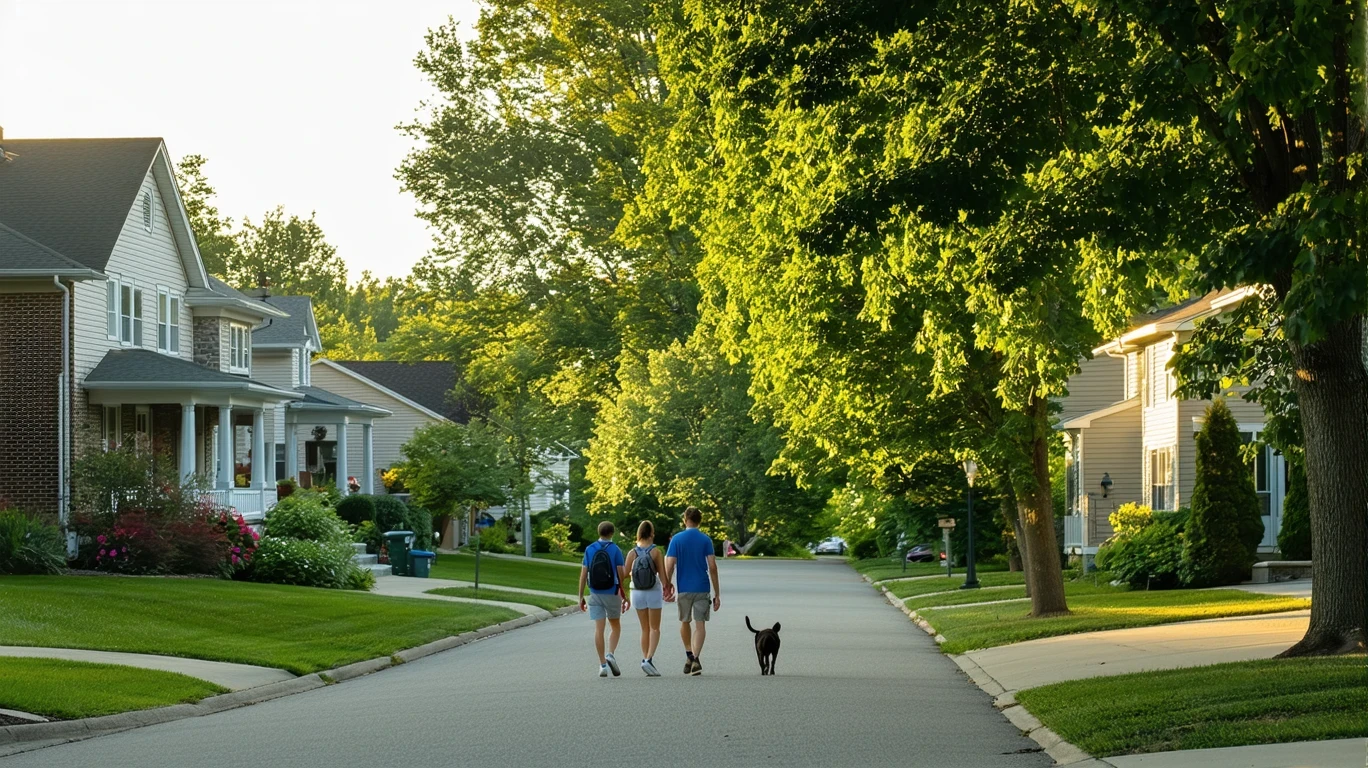
Bloomington, MN offers college students a compelling mix of affordability, accessibility, and lifestyle options—but success here depends on strategic choices about where you live and how you get around. With a student-friendliness score of 72 out of 100, Bloomington delivers solid value for students willing to prioritize proximity to transit corridors, leverage bike infrastructure, and share housing costs. The city’s designation as a college community reflects its established student presence, supported by notable cycling infrastructure, bus service, and walkable pockets that allow car-free living in the right neighborhoods. Low unemployment at 2.8% creates abundant part-time job opportunities, while integrated park access and mixed-use development provide recreation and social spaces without requiring a car. The challenge? Bloomington’s mobility texture is mixed—some areas support easy walking and biking, while others require a vehicle. Students who choose housing near transit routes and commercial corridors will experience a fundamentally different (and cheaper) lifestyle than those in car-dependent neighborhoods.
What makes Bloomington particularly attractive for budget-conscious students is the ability to control your two largest expenses—housing and transportation—through intentional location choices. The city’s corridor-clustered food and grocery options mean you’ll plan errands around specific commercial areas rather than walking to a corner store, but this structure actually helps limit impulse spending. More vertical building character in certain areas signals denser, student-friendly housing stock, while the presence of both residential and commercial land use creates neighborhoods where you can live, work, and study without constant commuting. For students attending college in the Minneapolis-St. Paul metro, Bloomington offers a practical middle ground: lower housing costs than urban Minneapolis, better transit access than distant suburbs, and a job market strong enough to support part-time work without competing with thousands of other students for the same shifts.
Housing Options for Students in Bloomington
The rental market in Bloomington reflects a median gross rent of $1,426 per month, but this figure represents full-unit pricing—typically a one-bedroom or two-bedroom apartment leased by a single household. For students, the path to affordability runs directly through shared housing. A two-bedroom apartment split between two roommates brings per-person housing costs to roughly $700–$750 per month, while a three-bedroom unit shared among three students can push individual rent down to $500–$600 per month (illustrative context, before utilities). These estimates assume standard apartment leasing in neighborhoods with moderate access to transit and commercial corridors, not premium student-specific complexes or units directly adjacent to campus.
Purpose-built student housing—apartment complexes designed specifically for college renters—typically clusters in denser, mixed-use areas where both residential and commercial land use coexist. These properties often offer individual leases (you’re responsible only for your room, not your roommate’s portion), furnished units, and included utilities, but charge a premium for convenience. Expect per-bedroom pricing in the $650–$850 range (illustrative context) depending on amenities and proximity to campus. Off-campus rentals in Bloomington’s walkable pockets—areas with higher pedestrian-to-road ratios and access to bike routes—command slightly higher rents but eliminate or reduce transportation costs, creating net savings for car-free students. Neighborhoods farther from transit corridors offer lower base rents but require a vehicle, shifting costs from housing to transportation, insurance, and parking.
Lease terms in Bloomington typically follow 12-month cycles, with most landlords requiring a security deposit equal to one month’s rent and first month’s rent upfront. Some student-focused properties offer shorter academic-year leases (9–10 months) or allow subletting during summer breaks, but these options are less common in the general rental market. Roommate-matching services, campus housing boards, and local Facebook groups provide resources for finding compatible housemates, though students should verify compatibility around study habits, cleanliness, and overnight guests before signing a joint lease. Proximity to bus routes and bike lanes should factor heavily into housing decisions—a unit $100 cheaper per month loses its advantage quickly if it forces you to own a car.
Getting Around: Transportation and Campus Access
Bloomington’s transportation landscape offers students genuine car-free viability in certain neighborhoods, but the city’s mixed mobility texture means your housing choice determines your transportation costs more than any other factor. Bus service operates throughout the city, providing a baseline of public transit access without rail options. For students living near bus routes and choosing housing in walkable pockets—areas where pedestrian infrastructure density is substantial—daily errands, campus commutes, and social activities become manageable without a vehicle. The city’s notable bike infrastructure, with bike-to-road ratios exceeding high thresholds, supports cycling as a primary transportation mode for students willing to navigate Minnesota winters on two wheels.
The average commute time in Bloomington is 21 minutes, a figure that reflects car-based commuting patterns across the full population. For students biking or busing to campus, actual travel times vary widely based on route proximity and schedule frequency. A student living within two miles of campus in a neighborhood with dedicated bike lanes can reach class in 10–15 minutes by bike during favorable weather. Bus riders should expect 25–40 minutes door-to-door depending on transfer requirements and wait times. Many students adopt a hybrid approach: biking during fall and spring, busing during winter, and borrowing or renting a car only for grocery runs or trips home during breaks.
Car ownership introduces significant costs beyond fuel. Gas prices currently sit at $2.63 per gallon, which translates to roughly $40–$60 per month for a student driving 200–300 miles (illustrative context, using typical fuel efficiency of 25 MPG). But insurance for drivers under 25 often runs $150–$250 per month, parking permits add another $50–$100 per month depending on campus and apartment policies, and maintenance, registration, and unexpected repairs create ongoing financial exposure. For students in car-dependent neighborhoods, these costs are unavoidable. For those in transit-accessible areas, avoiding car ownership represents the single largest opportunity to reduce monthly expenses and redirect funds toward tuition, savings, or quality of life.
Student Cost of Living in Bloomington
A realistic monthly budget for a college student in Bloomington depends heavily on housing arrangement and transportation mode, but three lifestyle tiers illustrate the range of possibilities. A frugal student sharing a three-bedroom apartment, biking or busing everywhere, cooking most meals at home, and limiting entertainment to free campus events can operate on $900–$1,100 per month (illustrative context). A moderate student splitting a two-bedroom unit, maintaining a bike but occasionally using ride-sharing, balancing home cooking with occasional dining out, and budgeting for regular social activities will need $1,200–$1,500 per month (illustrative context). A comfortable student renting a private bedroom in a purpose-built student complex, owning a car for convenience, eating out several times per week, and maintaining an active social calendar should plan for $1,800–$2,200 per month (illustrative context, before tuition and fees).
Food costs represent the second-largest budget category after housing and transportation. Students cooking at home in Bloomington benefit from moderate grocery prices—illustrative examples include bread at $1.80 per pound, chicken at $1.98 per pound, and eggs at $2.66 per dozen (derived estimates based on national baseline adjusted by regional price parity; not observed local prices). A student preparing most meals at home can maintain a grocery budget of $200–$300 per month (illustrative context), while those balancing home cooking with campus dining plans or restaurant meals should budget $350–$500 per month (illustrative context). The city’s corridor-clustered food and grocery accessibility means students will plan shopping trips to specific commercial areas rather than making daily corner-store runs, a pattern that actually supports budgeting by reducing impulse purchases and encouraging bulk buying.
Part-time job opportunities in Bloomington are strengthened by the city’s 2.8% unemployment rate, one of the lowest in the region. Students find work in retail, food service, tutoring, campus positions, and seasonal roles, with typical wages ranging from minimum wage to $15–$18 per hour for skilled positions (illustrative context based on regional labor patterns). A student working 15–20 hours per week can generate $400–$700 per month in pre-tax income (illustrative context), enough to cover food, transportation, and personal expenses while keeping student loan borrowing focused on tuition and housing. The mixed land-use character of Bloomington’s commercial corridors means many part-time jobs cluster near the same transit routes that serve student housing, reducing the need to commute long distances for work shifts.
Monthly Student Budget in Bloomington
Here’s what a typical monthly student budget might look like in Bloomington:
| Expense Category | Shared Housing (Car-Free) | Solo Living (With Car) |
|---|---|---|
| Rent (per person) | $550 | $1,100 |
| Utilities (electric, internet, water) | $75 | $120 |
| Groceries & Food | $250 | $350 |
| Transportation (bus pass / bike maintenance) | $40 | — |
| Transportation (gas, insurance, parking) | — | $280 |
| Textbooks & Supplies (averaged monthly) | $65 | $65 |
| Entertainment & Social | $80 | $150 |
| Personal Care & Miscellaneous | $50 | $75 |
| Total Monthly | $1,110 | $2,140 |
Estimates based on average student spending patterns and local costs. Illustrative context; actual expenses vary by lifestyle, housing location, and transportation choices.
Student-Friendly Amenities and Services in Bloomington
Bloomington’s integrated park access—with park density exceeding high thresholds and water features present—provides students with abundant free recreation options. Parks serve as study spaces during warm months, running and biking routes year-round, and social gathering spots that don’t require spending money. The city’s more vertical building character and mixed land use create neighborhoods where coffee shops, libraries, and study-friendly cafes cluster within walking or biking distance of denser housing areas. Students in walkable pockets can access these amenities without driving, while those in car-oriented neighborhoods will need to plan trips or rely on campus facilities.
Healthcare access in Bloomington centers on clinics and pharmacies rather than hospital facilities, a routine-local level of care suitable for most student needs. Students requiring specialized care or emergency services will travel to nearby Minneapolis or St. Paul, but for common illnesses, minor injuries, and prescription refills, local clinics provide accessible options. Many students maintain coverage through campus health centers for primary care and use Bloomington’s clinics for after-hours or off-campus needs. Mental health resources, counseling services, and wellness programs typically operate through campus rather than city infrastructure, though some students access community-based therapists and support groups in Bloomington’s commercial corridors.
Student discounts at local businesses vary by establishment, but common patterns include reduced pricing at gyms, movie theaters, and restaurants near campus or in mixed-use districts. Students should ask about discounts at point of sale and carry student IDs—many businesses offer 10–15% reductions without advertising them prominently. Campus job opportunities, strengthened by Bloomington’s low unemployment rate, range from library positions and dining hall shifts to research assistantships and tutoring roles, with the advantage of flexible scheduling around class commitments and no commute time if you live near campus.
Social Scene and Nightlife for College Students
The social landscape for students in Bloomington blends campus-centered activities with city-based entertainment options accessible via bike or bus from walkable neighborhoods. Campus organizations, intramural sports, and student clubs provide the foundation of social life, offering free or low-cost activities that don’t require transportation or significant spending. For students seeking off-campus experiences, Bloomington’s mixed land use and commercial corridors host restaurants, coffee shops, and entertainment venues that cater to young adults, though the city’s nightlife skews more toward casual dining and social gathering spaces than high-energy club scenes.
Students looking for concerts, festivals, and cultural events often travel to Minneapolis or St. Paul, where larger venues and more diverse programming serve the broader metro area. Bloomington itself hosts community events and seasonal activities in its integrated park system, creating opportunities for outdoor recreation and social connection without the costs associated with urban entertainment districts. The dating scene and social networking opportunities for students depend heavily on campus culture and the size of the local student population—Bloomington’s college city designation indicates an established student presence, but students should expect to build social networks primarily through campus rather than spontaneous city-based encounters.
For students prioritizing an active social calendar, budgeting $80–$150 per month for entertainment (illustrative context) covers occasional restaurant meals, movie tickets, recreational activities, and ride-sharing to off-campus events. Students in car-free households save significantly on transportation costs but need to plan social activities around bus schedules or coordinate rides with friends who own vehicles. The city’s notable bike infrastructure supports evening and weekend cycling during warmer months, expanding access to social venues without the costs or risks associated with late-night driving.
Safety and Practical Considerations for Students
Safety in Bloomington for off-campus students centers on neighborhood selection, transportation planning, and awareness of surroundings during evening hours. Students living in walkable pockets with higher pedestrian density and mixed land use typically experience greater evening foot traffic and natural visibility, while those in car-oriented residential areas may find streets quieter after dark. Bike commuters should invest in lights, reflective gear, and secure locks, particularly when parking bikes overnight near apartment complexes or campus facilities. Bus riders should familiarize themselves with route schedules to avoid long waits at isolated stops during late-night hours.
Emergency services in Bloomington operate efficiently, and students should program local non-emergency numbers alongside 911 for situations requiring police, medical, or mental health support that don’t constitute immediate crises. Campus security resources, escort services, and emergency call boxes provide additional layers of safety for students traveling between campus and off-campus housing during evening hours. Students should verify that their housing lease includes working locks, adequate exterior lighting, and secure entry systems, and should document any safety concerns with landlords in writing.
Academic support services—tutoring centers, writing labs, study groups, and office hours—typically operate through campus rather than city infrastructure, but students living off-campus need to account for travel time when accessing these resources. A student living 20–30 minutes from campus by bus may find evening study sessions or late-night library access less convenient than peers in on-campus housing or nearby apartments. Internship opportunities and career services access benefit from Bloomington’s low unemployment rate and proximity to the Minneapolis-St. Paul job market, giving students pathways to professional experience and post-graduation employment without relocating.
FAQs About Student Life in Bloomington
What’s the average cost of student living in Bloomington?
Students sharing housing and living car-free can operate on $900–$1,100 per month (illustrative context, before tuition), while those with private bedrooms and cars should budget $1,800–$2,200 per month (illustrative context). The largest cost differentials come from housing arrangement (shared vs. solo) and transportation mode (bike/bus vs. car ownership). Students who prioritize proximity to transit corridors and share a two- or three-bedroom apartment achieve the lowest monthly expenses while maintaining reasonable quality of life.
How safe is it for students to live off-campus in Bloomington?
Off-campus safety in Bloomington depends primarily on neighborhood selection and transportation planning. Students in walkable pockets with mixed land use and higher pedestrian activity experience greater natural visibility during evening hours. Bike commuters should use lights and secure locks, while bus riders should familiarize themselves with route schedules to avoid isolated stops late at night. Standard urban safety practices—awareness of surroundings, secure housing with working locks, and use of campus escort services during late hours—apply here as in any college community.
Are there good part-time job opportunities for students in Bloomington?
Bloomington’s 2.8% unemployment rate creates a strong job market for part-time student workers. Opportunities span retail, food service, tutoring, campus positions, and seasonal roles, with typical wages ranging from minimum wage to $15–$18 per hour for skilled positions (illustrative context). The city’s mixed land-use corridors mean many part-time jobs cluster near the same transit routes serving student housing, reducing commute time and transportation costs. Students working 15–20 hours per week can generate enough income to cover food, transportation, and personal expenses.
What’s the social scene like for college students in Bloomington?
The social scene for students in Bloomington centers on campus organizations, intramural sports, and student clubs, supplemented by city-based restaurants, coffee shops, and entertainment venues accessible via bike or bus from walkable neighborhoods. Bloomington’s nightlife skews toward casual dining and social gathering spaces rather than high-energy clubs, with many students traveling to Minneapolis or St. Paul for concerts, festivals, and larger cultural events. The city’s integrated park system provides free outdoor recreation and social spaces, while the college city designation indicates an established student presence that supports peer networking and community building.
Making the Decision: Is Bloomington Right for Your College Years?
Bloomington delivers strong value for college students who approach housing and transportation decisions strategically. The city’s walkable pockets, notable bike infrastructure, and bus service create genuine car-free viability in the right neighborhoods, allowing students to avoid the $200–$300 monthly cost burden of vehicle ownership. Shared housing brings per-person rent well below the city’s $1,426 median, while low unemployment at 2.8% supports part-time income opportunities that can cover food, transportation, and personal expenses. Integrated park access and mixed land use provide recreation and social spaces without requiring constant spending, and the city’s corridor-clustered errands accessibility actually supports budgeting by encouraging planned shopping trips over impulse purchases.
The primary challenge in Bloomington is the mixed mobility texture—students in car-oriented neighborhoods face fundamentally higher costs and reduced spontaneity compared to peers in transit-accessible areas. Prospective students should prioritize housing searches around bus routes and bike lanes, even if base rents run slightly higher, because the transportation savings and lifestyle flexibility outweigh the rent differential. Students requiring frequent travel to Minneapolis or St. Paul for cultural events, specialized healthcare, or internships should factor those trips into transportation planning, either through strategic bus use or occasional car access via friends or car-sharing services.
For students and parents evaluating Bloomington, the decision framework is straightforward: if you’re willing to share housing, live near transit, and adopt biking or busing as your primary transportation mode, Bloomington offers affordable, accessible college living with strong part-time job prospects and quality-of-life amenities. If you require a private bedroom, plan to own a car, or prioritize proximity to urban entertainment districts, expect costs to rise significantly—though still likely below comparable options in downtown Minneapolis. The city rewards intentional planning and strategic location choices, making it an excellent fit for budget-conscious students who understand that where your money goes depends as much on your housing and transportation decisions as on the city’s baseline costs.
How this article was built: In addition to public economic data, this article incorporates location-based experiential signals derived from anonymized geographic patterns—such as access density, walkability, and land-use mix—to reflect how day-to-day living actually feels in Bloomington, MN.