
What does it actually feel like to live in Bloomington, MN? According to a recent sentiment survey, 74 out of 100 residents say they’re happy here—but that number only tells part of the story. The real question isn’t whether people are satisfied on average; it’s whether you’d feel at home in a place that blends suburban predictability with surprising pockets of texture, where outdoor access is exceptional but daily errands require a bit more planning, and where economic stability meets evolving identity.
The Emotional Landscape of Bloomington
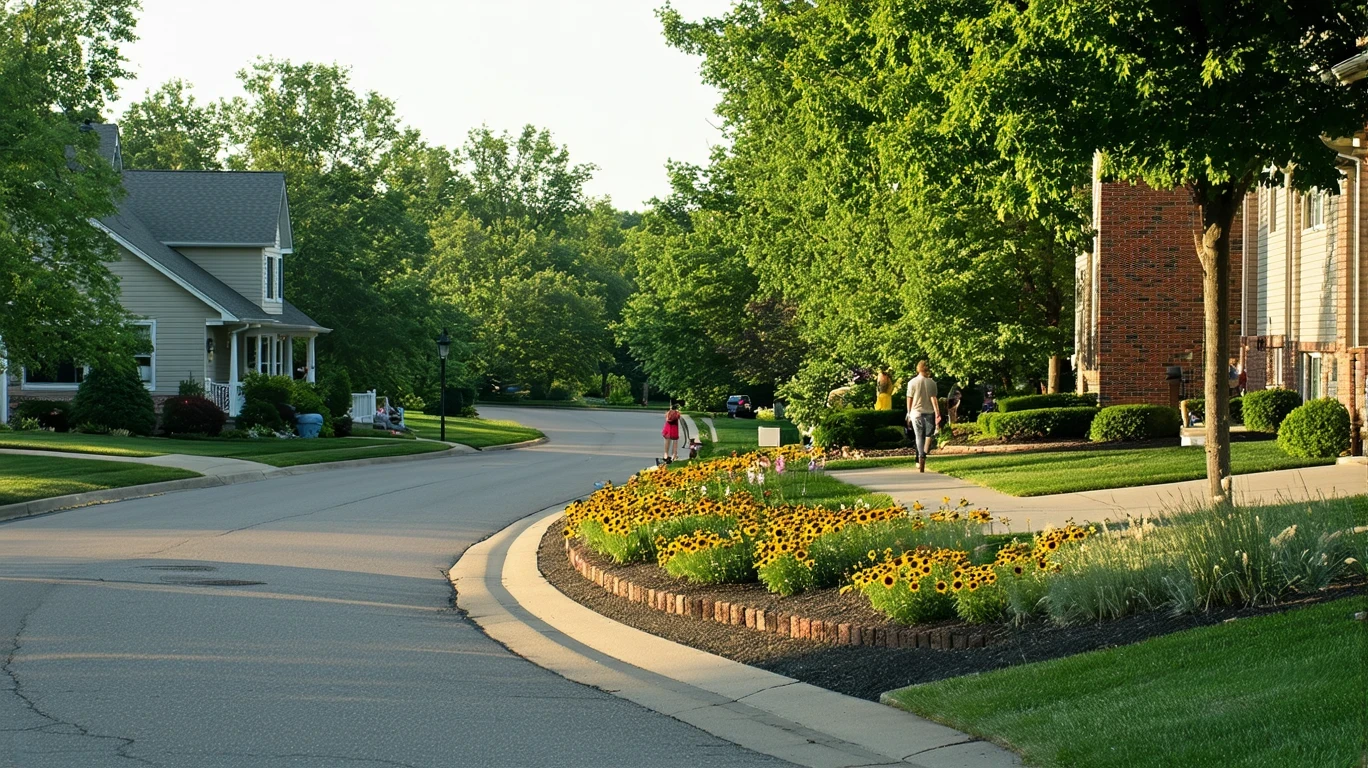
Bloomington occupies an interesting middle ground in the Twin Cities metro. It’s not trying to be downtown Minneapolis, but it’s also not a sleepy bedroom community. The city’s vibe reflects that tension: you’ll find vertical buildings and mixed-use corridors alongside quiet residential streets, integrated parks and water features next to car-dependent shopping clusters, and a strong job market paired with a transit system that works for some trips but not all lifestyles.
People who thrive here tend to value outdoor quality and economic opportunity over urban walkability or dense nightlife. The city’s park density exceeds high thresholds, and water features are woven throughout the landscape, creating a sense of natural integration that residents return to again and again. The median household income of $87,381 per year and an unemployment rate of just 2.8% signal a community where financial stability is more accessible than in many comparable suburbs.
But Bloomington also asks for tradeoffs. Errands and groceries cluster along corridors rather than spreading evenly across neighborhoods, which means convenience depends heavily on where you live and whether you’re comfortable driving. School density falls below low thresholds, which can feel limiting for families hoping to walk to elementary schools or find tight-knit school communities nearby. And while walkable pockets exist—particularly where pedestrian infrastructure exceeds expectations—the city as a whole still leans on cars for most daily movement.
What People Are Talking About Online
Bloomington’s online presence reflects a community negotiating its identity. On platforms like Reddit and neighborhood Facebook groups, you’ll see recurring themes around convenience vs. character, growth vs. preservation, and accessibility vs. authenticity.
“It’s not the most exciting place, but that’s kind of the point. You get stability, good parks, and you’re close to everything without being in everything.”
“I wish there were more local spots you could just walk to. It feels like you’re always getting in the car, even for small stuff.”
“The outdoor access here is underrated. Between the trails, the lakes, and how many parks there are, it’s easy to forget you’re in a suburb.”
The tone is rarely extreme. Complaints tend to focus on logistics—traffic patterns, where to find specific services, or how certain corridors feel more developed than others—rather than deep dissatisfaction. Praise often centers on predictability, green space, and proximity to metro amenities without metro intensity.
How Local Coverage Frames the City
Local news and community outlets tend to frame Bloomington through the lens of evolution and infrastructure. The city is rarely portrayed as static; instead, coverage reflects ongoing conversations about what kind of place Bloomington is becoming.
Typical discussion themes include:
- “Community Debates What Growth Should Look Like”
- “New Retail and Dining Options Arrive Along Key Corridors”
- “Residents Weigh Convenience Against Neighborhood Character”
- “Outdoor Spaces Remain a Draw as Development Continues”
- “Transit and Walkability Conversations Gain Momentum”
The framing is rarely alarmist, but it’s also not celebratory in a boosterish way. Instead, it reflects a community that’s aware of its tradeoffs and actively negotiating them. That self-awareness shows up in how residents talk about the city, too—there’s less “we’re the best” energy and more “we know what we are, and we’re figuring out what comes next.”
What Reviews and Public Perception Reveal
On platforms like Google Reviews, Yelp, and Nextdoor-style community boards, Bloomington’s public perception splits along predictable lines: people who wanted suburban comfort with metro access tend to feel satisfied, while those hoping for walkable urbanism or small-town intimacy often feel something’s missing.
Positive sentiment clusters around:
- Park quality and density—”so many green spaces, and they’re actually nice”
- Economic opportunity and job market strength
- Proximity to Minneapolis and St. Paul without the intensity
- Newer developments and vertical building options for renters and buyers
Frustration tends to surface around:
- Car dependency for errands, especially outside key corridors
- Limited transit options for those trying to reduce driving
- Inconsistent walkability—some pockets feel connected, others feel isolated
- School access and density, particularly for families with young children
Neighborhood variation matters here. Newer planned areas with mixed-use corridors tend to feel more convenient and connected, while older residential pockets can feel quieter but also more car-reliant. That variation means quality of life factors depend heavily on which part of Bloomington you’re considering.
How Bloomington Compares to Nearby Cities
| Dimension | Bloomington | Edina | Richfield |
|---|---|---|---|
| Overall Vibe | Suburban stability with evolving urban texture | Polished, affluent, family-focused | Modest, walkable, tight-knit |
| Outdoor Access | Exceptional park density and water features | Strong but more curated | Present but less expansive |
| Walkability | Pockets of high walkability, not citywide | Mixed; some very walkable areas | More consistently walkable throughout |
| Transit | Bus service, no rail | Bus service, limited rail access | Bus service, closer to metro lines |
| Economic Tone | Strong income, low unemployment | Higher income, very low unemployment | Moderate income, stable employment |
Bloomington sits between Edina’s affluence and Richfield’s modesty. If you want the most polished suburban experience and can afford it, Edina might feel like a better fit. If you prioritize walkability and don’t need as much space or newness, Richfield offers a tighter, more connected feel. Bloomington appeals to those who want economic strength, outdoor quality, and flexibility—but who are willing to navigate uneven walkability and plan around corridor-based errands.
Voices from the Community
“We moved here for the job market and the parks, and we got both. It’s not charming in a small-town way, but it’s functional and honestly pretty pleasant once you settle in.”
— Young professional couple, renting near a mixed-use corridor
“I love the trails and the lake access. What I don’t love is that I have to drive to get groceries, even though I live in what’s supposed to be a ‘walkable’ part of town.”
— Remote worker, early 30s
“It’s a great place to raise kids if you’re okay with driving them places. The schools we’re zoned for are fine, but they’re not close, and there aren’t a ton of other families right on our block.”
— Parent of two elementary-aged children
“Honestly, I think people expect too much. It’s a suburb. You get safety, decent income, good parks, and you’re 20 minutes from downtown. That’s the deal.”
— Long-time resident, 50s
“The bus works for my commute, but if I didn’t have a car, I’d feel pretty limited. It’s not a car-free-friendly place unless you’re very strategic about where your money goes and where you live.”
— Transit-dependent renter, 20s
“We downsized here after retiring, and it’s been great. Quiet, clean, lots to do outdoors, and we’re not dealing with city noise or congestion.”
— Retiree couple
“It’s fine. It’s just… fine. I don’t hate it, but I also don’t feel like I found my place here. It’s more of a landing spot than a destination.”
— Newcomer, 30s, relocated for work
Does Bloomington Feel Like a Good Fit?
Bloomington doesn’t try to be everything to everyone, and that clarity is part of its appeal—and its limitation. This is a city for people who value economic stability, exceptional outdoor access, and proximity to metro opportunities without metro intensity. It works well for households comfortable with car ownership, who appreciate green space more than nightlife, and who can navigate the uneven distribution of walkability and errands.
It tends to frustrate people who want dense walkability everywhere, who need robust transit to feel independent, or who prioritize tight-knit school communities and family infrastructure. The city’s evolving identity—vertical buildings, mixed-use corridors, higher pedestrian-to-road ratios in some areas—suggests it’s moving toward more urban texture, but it’s not there yet, and the pace of that change varies widely by neighborhood.
If you’re trying to decide whether Bloomington fits your life, the question isn’t “Is it happy?” but “Does it match the tradeoffs I’m willing to make?” If you want outdoor quality, economic opportunity, and suburban predictability with occasional urban moments, Bloomington delivers. If you need walkable urbanism, car-free viability, or dense family infrastructure, you’ll likely feel the gaps.
For a clearer sense of what drives housing costs or how day-to-day logistics shape your experience here, exploring those dimensions can help you move from sentiment to decision.
How this article was built: In addition to public economic data, this article incorporates location-based experiential signals derived from anonymized geographic patterns—such as access density, walkability, and land-use mix—to reflect how day-to-day living actually feels in Bloomington, MN.
The perspectives shown reflect commonly expressed local sentiment and recurring themes in public discussion, rather than individual accounts.