
Mara and her partner moved to Bloomington last spring with a combined gross monthly income just over $7,200. They expected the Twin Cities suburb to feel affordable—close to Minneapolis, parks everywhere, reasonable rent. What surprised them wasn’t the sticker price on anything in particular. It was how differently their income stretched depending on which part of town they chose, whether they kept two cars, and how much planning they were willing to do just to pick up groceries. Comfortable living in Bloomington isn’t about hitting a magic number. It’s about whether your income matches the tradeoffs the city quietly demands.
What “Living Comfortably” Means in Bloomington
Comfort here doesn’t mean luxury. It means your paycheck covers housing without forcing you into a neighborhood you don’t want, utility bills don’t dictate your thermostat settings during Minnesota’s long heating season, and you’re not constantly calculating whether a trip across town is worth the gas. It means having enough left over that an unexpected expense—a car repair, a medical bill—doesn’t cascade into a financial crisis.
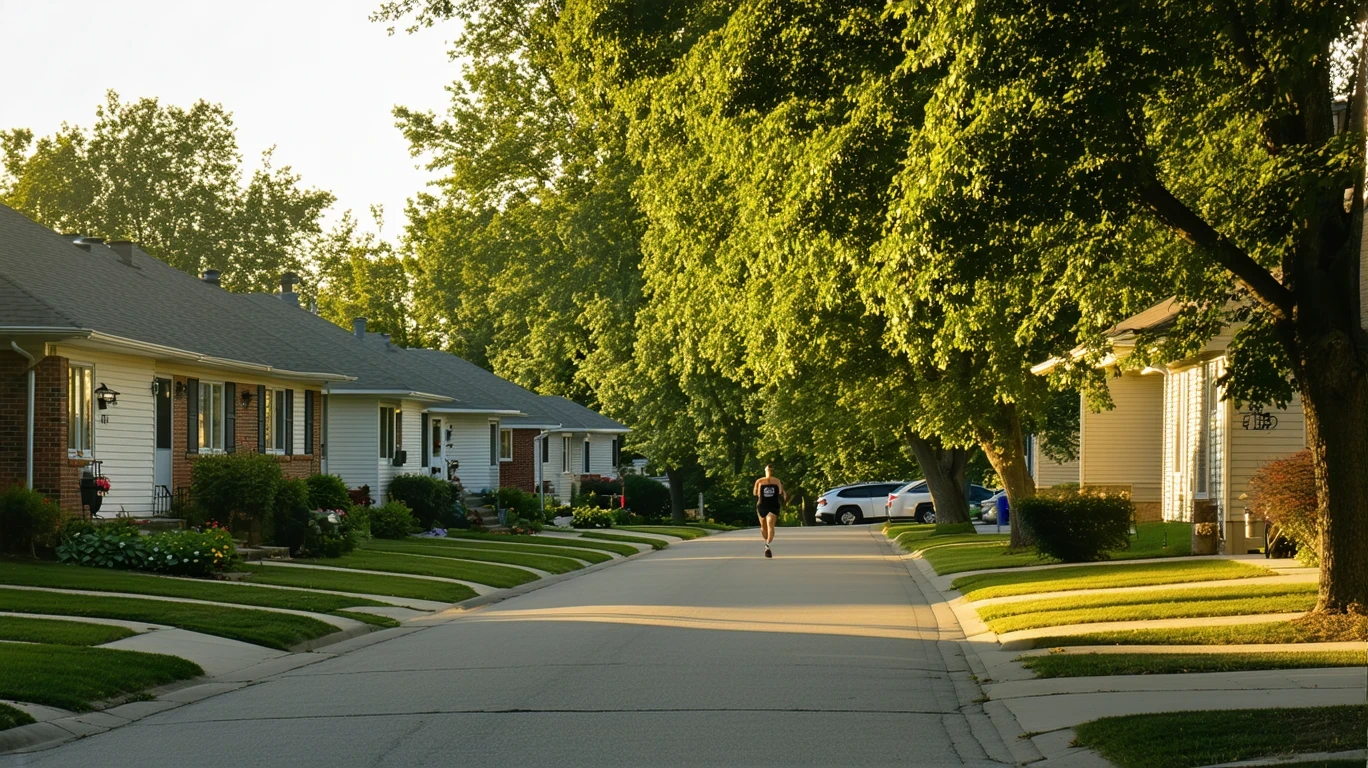
In Bloomington, comfort also means accepting that some conveniences require effort. Food and grocery options cluster along corridors rather than spreading evenly across the city. If you live outside those zones, errands become a planning exercise, not a spontaneous errand. Parks are plentiful and well-integrated, but school density falls below typical thresholds, which matters intensely for families and not at all for others. The city offers walkable pockets and notable cycling infrastructure, but transit is bus-only, and many households still default to driving for most trips.
Comfort is contextual. What feels easy for a couple with flexible schedules can feel grinding for a family managing school pickups, daycare, and a commute.
Where Income Pressure Shows Up First
Housing dominates the financial landscape. The median gross rent sits at $1,426 per month, and the median home value is $327,100. Neither figure is extreme by Twin Cities standards, but both create immediate tradeoffs. Renters earning less than the city’s median household income of $87,381 per year often face a choice: live in a less convenient part of town, accept a smaller or older unit, or stretch the budget uncomfortably thin. Buyers confront similar decisions, with the added weight of property taxes, insurance, and maintenance—all of which rise over time in ways that are difficult to predict but impossible to avoid.
Utility costs add seasonal volatility. Electricity runs 16.37¢ per kWh, and natural gas costs $9.99 per MCF. During Minnesota’s cold months, heating bills spike. Households that can absorb a $50 or $100 swing without adjusting behavior experience this as background noise. Households operating closer to their limit feel it as pressure—lower the thermostat, delay other purchases, hope for a mild February.
Transportation pressure splits along two axes: time and money. The average commute is 21 minutes, which sounds manageable until you factor in that only 3% of workers here work from home, and 25.6% endure long commutes. Gas prices at $2.63 per gallon are moderate, but if you’re driving 25 miles round trip daily, fuel costs add up. The city’s bus service provides an alternative, but without rail transit, many errands and commutes still require a car. Families managing multiple drop-offs, pickups, and activities face compounding logistics costs—not always in dollars, but in time and complexity.
For families specifically, Bloomington’s limited school density and family infrastructure create friction that income alone can’t solve. Playgrounds and clinics are present, but the overall density of schools falls below thresholds that would make daily logistics feel seamless. This doesn’t make the city unlivable for families—it just means more driving, more planning, and more mental load.
How the Same Income Feels Different by Household
Households at similar income levels often experience very different pressure depending on size, structure, and expectations.
Single adults face moderate rent pressure but benefit from the city’s walkable pockets and cycling infrastructure. If you live near a corridor with decent errands accessibility, you can reduce car dependency and keep transportation costs low. The lack of family infrastructure is irrelevant. Green space access is strong, which matters if outdoor recreation is part of your routine. Comfort arrives when rent no longer forces you into the least convenient neighborhoods and when you have enough margin to handle utility swings without stress.
Couples experience housing choice as the central question. Dual income eases rent or mortgage pressure and makes it easier to absorb seasonal utility volatility. Transportation becomes more flexible—one partner might drive while the other bikes or takes the bus, depending on work location and schedule. The city’s mixed land use and more vertical building character mean some neighborhoods offer genuine walkability, but others don’t. Comfort begins when you can choose based on preference rather than necessity.
Families face the most complex equation. Housing costs dominate, but logistics costs—time, planning, and coordination—run a close second. School density below typical thresholds means more driving. Limited family infrastructure means fewer nearby options for childcare, activities, and routine errands. Even with household income well above the city median, families often feel stretched because the city’s structure demands more effort to make daily life work. Green space access is excellent, which helps, but it doesn’t eliminate the friction. Comfort for families means earning enough to afford housing and having enough flexibility—schedule-wise and financially—to manage the logistics burden without constant stress.
The Comfort Threshold (Qualitative)
The transition to comfortable living happens when choices expand. You’re no longer confined to the cheapest rent or the longest commute. Bills stop dictating behavior—you set the thermostat where you want it, you replace the worn-out winter coat without hesitation, you say yes to dinner out without checking your account balance first. Saving becomes plausible, not aspirational. Tradeoffs ease.
This threshold isn’t the same for everyone. A single adult might cross it at a lower income than a family of four. Someone who values walkability and is willing to plan errands carefully might feel comfortable sooner than someone who expects convenience at every turn. The threshold isn’t a number—it’s the point where your income and the city’s cost structure stop fighting each other.
Why Online Cost Calculators Get Bloomington Wrong
Most cost-of-living calculators reduce Bloomington to a list of average expenses: rent, utilities, groceries, transportation. Add them up, apply a margin, and out comes a “required income” figure. The problem is that totals mislead.
Bloomington’s cost structure isn’t punishing in any single category, but it’s the interactions that matter. Rent might be manageable, but if you’re far from a grocery corridor, you’re driving more, which raises transportation costs and eats into time. Utilities might seem reasonable on paper, but if you’re in an older building with poor insulation, winter heating bills can double. The city’s walkable pockets and cycling infrastructure reduce car dependency for some households, but bus-only transit and corridor-clustered errands mean most people still drive regularly.
Calculators also assume lifestyle uniformity. They don’t account for whether you’re a single adult who can bike to work or a family managing school drop-offs across town. They don’t capture the mental load of living somewhere with limited family infrastructure or the relief of having integrated green space when you need it. People feel surprised after moving because the averages didn’t prepare them for how their specific household would experience the city’s tradeoffs.
How to Judge Whether Your Income Fits Bloomington
Instead of asking “Is my income enough?”, ask these questions:
- How sensitive are you to housing tradeoffs? Can you live farther from work or in a less walkable neighborhood if it means lower rent, or does location matter enough that you’ll stretch your budget to get it?
- Can you absorb seasonal utility swings? Minnesota winters are long and cold. If your heating bill jumps $75 in January, does that create stress or just annoyance?
- Is time or money your limiting factor? Bloomington rewards planning and flexibility. If you can bike, take the bus occasionally, and batch errands along corridors, you’ll keep costs lower. If you need convenience and speed, you’ll drive more and spend more.
- How much logistics complexity can you handle? Families especially need to answer this honestly. School density is low, family infrastructure is limited, and daily routines require more coordination than in some peer suburbs.
- How much flexibility do you expect month to month? Comfort isn’t just about covering bills—it’s about having enough margin that an unexpected $300 expense doesn’t derail everything.
Your answers to these questions matter more than any income threshold. Bloomington works well for households that align with its structure. It’s harder for those who don’t.
How Day-to-Day Living Actually Feels in Bloomington
Because food and grocery options cluster along corridors rather than spreading evenly, where you live determines how much effort errands require. If you’re near one of those corridors, you can walk or bike to a few stores, grab what you need, and head home. If you’re not, every grocery run becomes a drive, and spontaneous trips feel inefficient. The city’s notable cycling infrastructure and walkable pockets make car-free living possible for some households—especially singles and couples without kids—but the bus-only transit system and corridor-clustered errands mean most people still default to driving for at least some trips.
Families feel this structure most acutely. School density falls below typical thresholds, so unless you’re lucky with boundaries, you’re driving kids to school, activities, and playdates. The city’s excellent green space access helps—parks are plentiful and well-integrated—but it doesn’t eliminate the logistics load. Running a household here requires more planning and coordination than in suburbs with denser family infrastructure, and that effort compounds when both parents work or when schedules don’t align neatly.
For singles and couples, the experience is lighter. Walkable pockets and mixed land use mean some neighborhoods genuinely support a less car-dependent lifestyle, and the city’s more vertical building character creates density in the right spots. If you can position yourself near transit and errands, Bloomington feels manageable and even convenient. If you can’t, or if your job is elsewhere in the metro, you’ll spend more time in the car than you might expect.
How this article was built: In addition to public economic data, this article incorporates location-based experiential signals derived from anonymized geographic patterns—such as access density, walkability, and land-use mix—to reflect how day-to-day living actually feels in Bloomington, MN.
FAQs About Living Comfortably in Bloomington
Is Bloomington affordable compared to Minneapolis?
Bloomington’s median rent and home values are lower than Minneapolis, but “affordable” depends on what you’re comparing and what you’re willing to trade. You’ll likely spend less on housing, but you may drive more and spend more time managing errands if you’re not near a corridor with good access. The city’s regional price parity index of 98 suggests costs run slightly below the national baseline, but that modest advantage disappears quickly if your household doesn’t align with the city’s structure.
Can a single person live comfortably in Bloomington on a moderate income?
Yes, if you’re strategic about location and transportation. Living near a walkable pocket or a bus line reduces car dependency, and the city’s cycling infrastructure is strong enough to make biking a real option for some trips. Rent is the biggest variable—if you can find a place that doesn’t stretch your budget and still puts you near errands and transit, you’ll have enough margin for utilities, food, and occasional flexibility. If you’re farther out or in a less accessible neighborhood, you’ll spend more on transportation and feel the tradeoff.
What income level do families need to feel comfortable in Bloomington?
There’s no single answer, because comfort for families depends as much on logistics capacity as income. Even households earning well above the city’s median can feel strained if both parents work full-time, school boundaries don’t align, and daily routines require constant driving. The city’s limited family infrastructure and low school density mean more coordination, more time in the car, and more mental load. Families who feel comfortable here tend to have either higher income, more schedule flexibility, or a high tolerance for planning and driving.
How much do utility bills fluctuate in Bloomington?
Utility costs swing seasonally, driven by Minnesota’s long, cold winters. Heating bills rise significantly from November through March, and how much depends on your home’s insulation, your thermostat settings, and how much volatility you can absorb without stress. Electricity and natural gas rates are moderate, but usage drives the bill. Comfortable households can handle a $75 or $100 winter spike without adjusting behavior. Households closer to their limit feel it immediately and often reduce usage to compensate.
Does Bloomington work for people who don’t want to own a car?
It’s possible, but difficult. The city has bus service, notable cycling infrastructure, and some walkable pockets, but transit is bus-only, and errands cluster along corridors rather than spreading evenly. If you live and work near a bus line and can batch errands carefully, you can reduce car dependency significantly. Going fully car-free requires either a very specific living situation or a high tolerance for planning and time. Most households here still drive regularly, even if they bike or bus occasionally.
Final Thought
Bloomington can work well for some households—but only if expectations match reality. The city rewards planning, flexibility, and a willingness to navigate tradeoffs between housing, transportation, and convenience. It’s not a place where everything falls into place effortlessly, and it’s not a place where income alone guarantees comfort. If your household aligns with the city’s structure—if you can live near the right corridors, absorb seasonal utility swings, and manage logistics without constant stress—Bloomington offers a solid quality of life at a cost that’s reasonable by Twin Cities standards. If you can’t, or if you expect convenience and infrastructure density the city doesn’t provide, you’ll feel the friction no matter how much you earn.