
Many people assume utility bills in Covington are predictable and stable, a fixed line item that barely changes month to month. The truth is more nuanced: utility costs in Covington are shaped by seasonal extremes, home efficiency, and billing structures that reward planning. Understanding how electricity, natural gas, water, and trash fees behave throughout the year helps households budget with confidence and avoid surprise spikes when the weather turns.
Understanding Utilities in Covington
Utility costs in Covington represent the second-largest monthly expense for most households after housing, yet they’re often underestimated during move-in planning. Unlike rent or mortgage payments, which remain fixed, utilities fluctuate based on weather, usage habits, and home characteristics. For families relocating to Covington or first-time renters setting up a household, this variability can create budget friction if not anticipated early.
Core utilities typically include electricity, water, natural gas, and trash collection. In Covington, electricity powers lighting, appliances, and air conditioning, while natural gas handles heating for many homes during cold months. Water and trash fees are often billed together, though the structure varies by provider and housing type. Apartment renters may find water and trash included in their lease, reducing both cost and complexity, while single-family homeowners manage all utilities independently and face full seasonal exposure.
The distinction between apartment and single-family utility responsibility matters more in Covington than in cities with milder climates. Winter heating and summer cooling create dual seasonal peaks, meaning households that control their own thermostats also control their largest variable expense. Renters in multi-unit buildings benefit from shared walls and landlord-managed systems, which dampen volatility. Homeowners, by contrast, gain control but also assume the risk of inefficient windows, aging HVAC systems, and poorly insulated attics—factors that turn moderate weather into expensive bills.
Utilities at a Glance in Covington
The table below shows how core utility costs typically behave for a mid-size household in a single-family home in Covington. Where city-level prices are available in the data feed, they are shown directly. When exact figures are not provided, categories are described qualitatively to reflect how costs are structured and what drives variability.
| Utility | Cost Structure in Covington |
|---|---|
| Electricity | ~$136/month (illustrative, based on 1,000 kWh at 13.62¢/kWh before fees) |
| Water | Usage-dependent; tiered pricing common |
| Natural Gas | ~$20/month (illustrative, heating months, based on 1 MCF at $19.61/MCF before fees) |
| Trash & Recycling | Often bundled with water or HOA; varies by provider |
| Total | Seasonal variability driven by electricity and heating |
This table reflects utility cost structure for a mid-size household in a single-family home in Covington during 2026. Where exact figures are not provided in the IndexYard data feed, categories are described directionally to reflect how costs behave rather than a receipt-accurate total.
Electricity is billed per kilowatt-hour in Covington, making it the most exposure-sensitive utility. Summer air conditioning and winter electric heating (in homes without gas) drive the highest usage months. Homes with older HVAC systems, poor insulation, or large square footage see steeper swings. The rate itself—13.62¢/kWh—sits below many coastal markets, but total bills depend on how much power a household pulls, not just the per-unit price.
Water costs in Covington typically follow tiered pricing, meaning the more you use, the higher the per-gallon rate climbs. Families with irrigation systems, pools, or multiple bathrooms face higher bills during summer months. Apartments often bundle water into rent, which simplifies budgeting but removes direct visibility into usage patterns. For homeowners, water bills arrive with sewer and stormwater charges, making the combined invoice larger than the water usage alone would suggest.
Natural gas heats most single-family homes in Covington during winter months, when temperatures drop into the low twenties and furnaces run daily. At $19.61 per thousand cubic feet (MCF), gas remains one of the more affordable heating fuels, but total costs depend on home size, thermostat settings, and insulation quality. Homes with programmable thermostats and sealed ductwork use significantly less gas than older homes with drafty windows and uninsulated basements.
Trash and recycling fees are often bundled with water bills or included in HOA dues, making them less visible as a standalone cost. In neighborhoods without HOA coverage, households contract directly with waste haulers, and fees vary by service level—weekly pickup, bulk item removal, and recycling options all affect the monthly charge. Renters rarely pay trash fees separately, as landlords typically handle waste service for multi-unit buildings.
Electricity is typically the most exposure-sensitive utility in Covington, driven more by climate and home efficiency than by base rates.
How Weather Impacts Utilities in Covington
Covington’s climate creates two distinct utility seasons: a cold winter that demands heating and a hot, humid summer that drives air conditioning usage. Right now, with temperatures at 23°F and a feels-like of 15°F, furnaces across the city are running steadily, and natural gas bills reflect that demand. Winter heating costs peak in January and February, when overnight lows stay below freezing for weeks and homes with poor insulation struggle to maintain comfort without burning extra fuel.
Summer brings the opposite pressure. Humid heat in Covington makes air conditioning feel non-negotiable, and electric bills climb as households run central AC or window units for months on end. Unlike dry climates where evening temperatures drop and homes can cool naturally, Covington’s humidity keeps indoor spaces warm well into the night, extending daily cooling hours. Homes with south-facing windows, inadequate attic ventilation, or aging AC units see the steepest summer spikes, sometimes doubling their spring electricity costs.
Many Covington households experience noticeably higher electric bills during peak summer compared to spring, with the swing driven more by usage intensity than rate changes. The shoulder seasons—spring and fall—offer the lowest utility costs, as heating and cooling demands drop and households rely on natural ventilation. For families budgeting year-round, these milder months provide an opportunity to bank savings or tackle deferred maintenance, knowing that winter and summer will bring higher bills regardless of conservation efforts.
How to Save on Utilities in Covington
Reducing utility costs in Covington starts with understanding which expenses are fixed and which respond to behavior or upgrades. Electricity and natural gas—the two largest and most volatile utilities—offer the most room for control. Households that invest in programmable thermostats, seal air leaks, and upgrade to energy-efficient appliances see measurable reductions in seasonal peaks. Water costs respond to irrigation schedules and fixture efficiency, while trash fees remain largely fixed unless service levels change.
Timing also matters. Some electricity providers in the region offer time-of-use rates or budget billing programs that smooth out seasonal swings, making monthly payments more predictable even when usage fluctuates. Solar panel incentives exist at the federal level and sometimes through state programs, though upfront costs and roof suitability vary widely. For renters, savings opportunities focus on behavior—shorter showers, turning off lights, and using fans instead of lowering the thermostat—since structural upgrades require landlord approval.
Practical strategies that work well in Covington include:
- Enrolling in budget billing or equalized payment plans to avoid seasonal bill shock
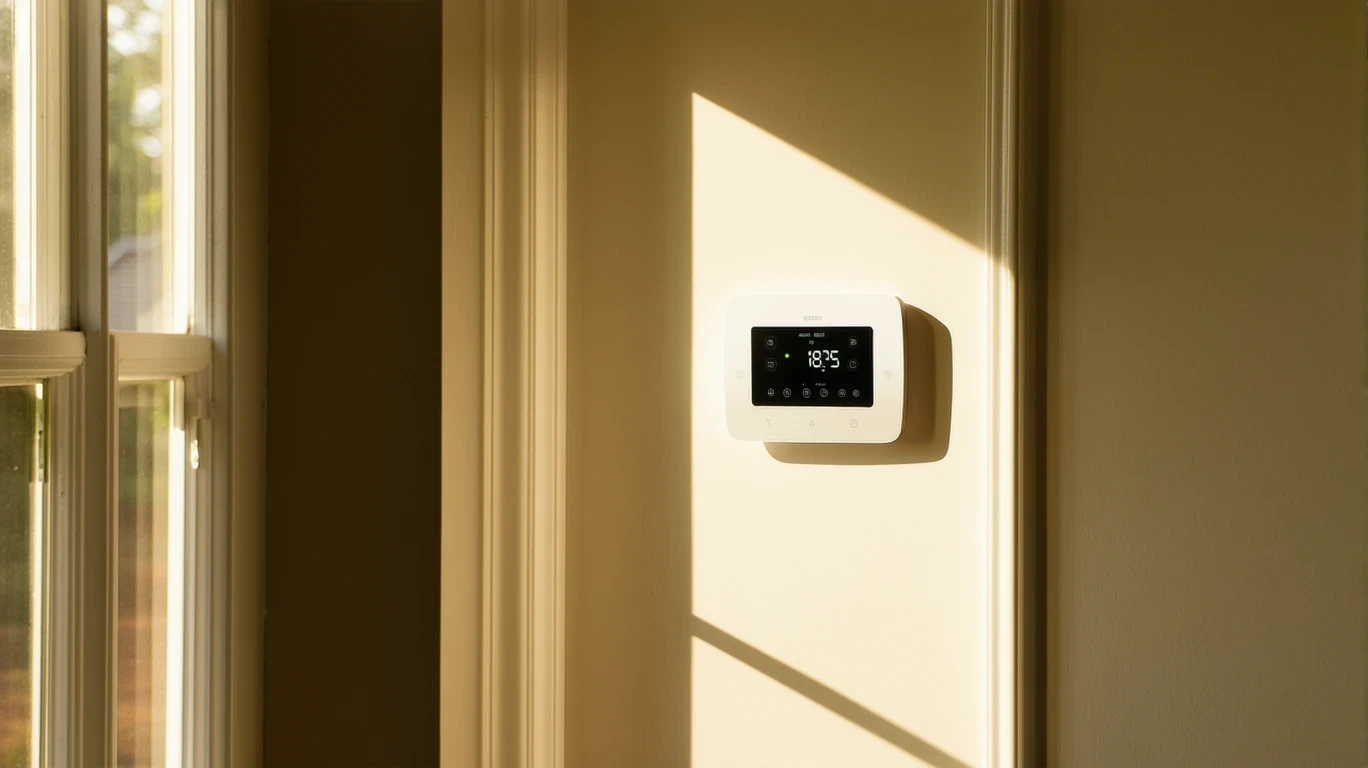
- Installing a programmable or smart thermostat to reduce heating and cooling waste
- Sealing windows and doors before winter to prevent heat loss
- Planting shade trees on south and west sides of the home to reduce summer cooling load
- Checking for utility rebates on high-efficiency furnaces, AC units, or water heaters
- Switching to LED bulbs and unplugging devices that draw phantom power
- Running dishwashers and laundry during off-peak hours if time-of-use rates apply
🏆 Tip: Check if your provider in Covington offers rebates for energy-efficient AC units or heating systems. Many utilities subsidize upgrades that reduce peak demand, lowering both your bill and the strain on the local grid.
FAQs About Utility Costs in Covington
Why are utility bills so high in Covington during winter and summer?
Covington’s cold winters and humid summers create dual seasonal peaks. Heating costs dominate January and February, while air conditioning drives July and August bills higher. Homes with poor insulation or aging HVAC systems see the steepest swings, as they work harder to maintain comfort during temperature extremes.
What is the average monthly electric bill for an apartment in Covington compared to a single-family home?
Apartments typically see lower electric bills because shared walls reduce heating and cooling loss, and landlords often cover water and trash. Single-family homes face full exposure to seasonal swings and manage all utilities independently, leading to higher and more variable monthly costs, especially in older homes with less efficient systems.
Do HOAs in Covington usually include trash or water in their fees?
Many HOAs in Covington bundle trash collection and sometimes water or sewer fees into monthly dues, which simplifies billing and ensures consistent service. However, coverage varies widely by neighborhood, so it’s important to review the HOA disclosure documents before assuming which utilities are included.
How does seasonal weather affect monthly utility bills in Covington?
Winter heating and summer cooling create the highest bills, while spring and fall offer the lowest costs. Humidity in summer extends air conditioning run times, and freezing temperatures in winter keep furnaces running steadily. Homes with programmable thermostats and good insulation experience smaller seasonal swings than those without.
Do utility providers in Covington offer budget billing or equalized payment plans?
Many electricity and natural gas providers in the region offer budget billing, which averages annual usage into equal monthly payments. This eliminates seasonal spikes and makes budgeting easier, though households still pay the same total amount over the year. It’s a predictability tool, not a discount, but it reduces the risk of bill shock during peak months.
How Utilities Fit Into the Cost Structure in Covington
Utilities in Covington function as a cost driver and volatility factor, not a standalone budget category. Electricity and natural gas dominate seasonal swings, while water and trash remain more stable but less visible. For households comparing Covington to other cities, the key insight is that utility costs here respond more to home characteristics and weather than to rate differences. A well-insulated home with an efficient furnace will cost less to heat than a drafty older home, even at identical gas rates.
Understanding how utilities behave helps households allocate budgets more accurately and avoid the trap of underestimating winter or summer expenses. Renters benefit from simpler utility structures, often with water and trash included, while homeowners gain control but also assume full responsibility for efficiency upgrades and seasonal planning. For families relocating to Covington, the dual seasonal peaks mean that spring and fall offer the best months to build savings cushions for the higher-cost months ahead.
Utilities are one piece of [what costs people most in Covington](/covington-ky/cost-overview/), but they interact with housing, transportation, and household size to shape overall financial pressure. A household that lives in a walkable neighborhood with broadly accessible errands—like many parts of Covington—can redirect transportation savings toward utility efficiency upgrades, reducing long-term exposure to seasonal volatility. For a fuller picture of how these costs fit together, explore a month of expenses in Covington to see how utilities, housing, and daily spending interact across different household types.
How this article was built: In addition to public economic data, this article incorporates location-based experiential signals derived from anonymized geographic patterns—such as access density, walkability, and land-use mix—to reflect how day-to-day living actually feels in Covington, KY.