
“Covington gets overlooked because everyone just says ‘Cincinnati,’ but honestly? The walkability here is better than most of the suburbs across the river, the parks are solid, and you’re not paying downtown prices. It’s got more texture than people expect.”
What It Actually Feels Like to Live in Covington
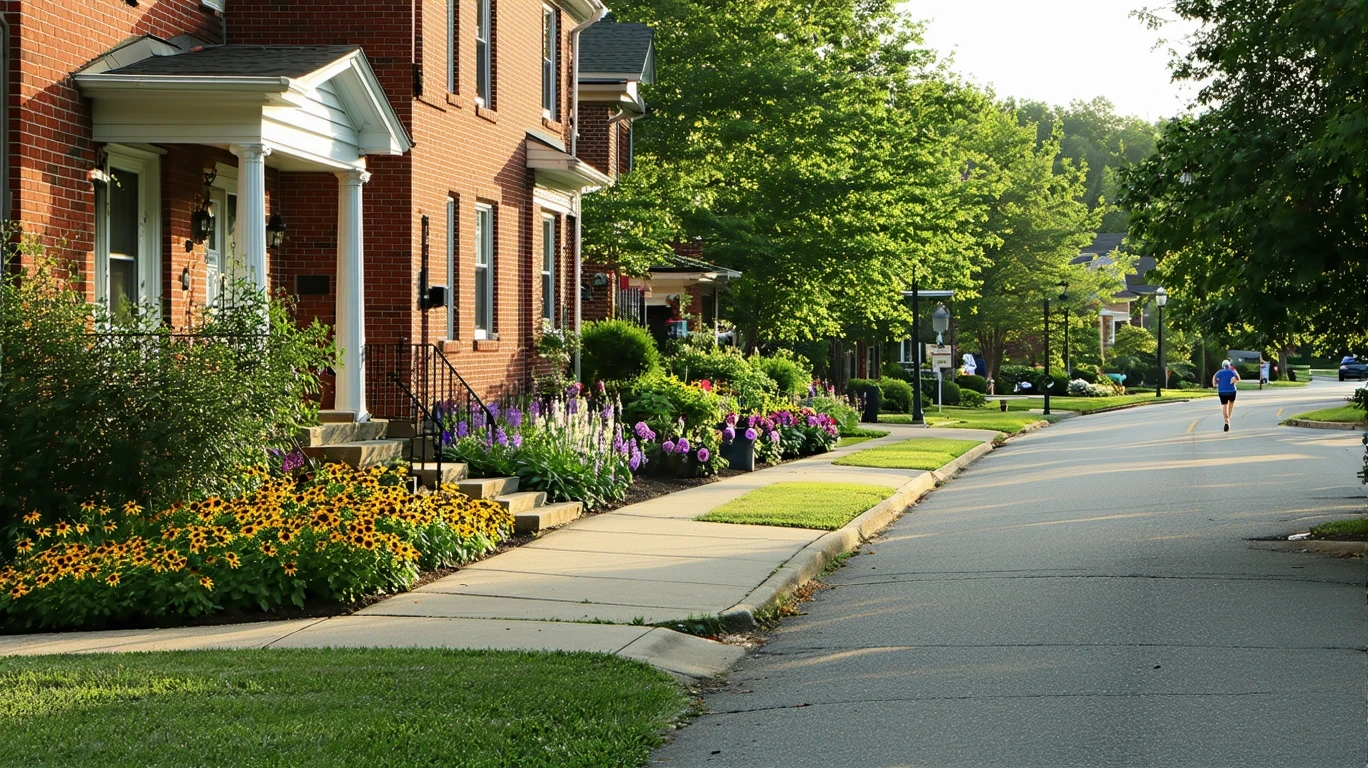
Covington sits in an unusual spot emotionally: it’s urban enough to feel textured and walkable, but suburban enough in context that it surprises people. Tucked just across the Ohio River from Cincinnati, it carries the benefits of metro proximity without the intensity—or the full amenity set—of a downtown core. For people who want pedestrian-friendly blocks, accessible errands, and integrated green space without the price or pace of a major city center, Covington tends to deliver exactly that mix. For those expecting either full suburban newness or complete urban independence, it tends to create friction.
The city’s vibe hinges on a few recurring tensions: it offers walkable pockets and notable bike infrastructure, yet relies on bus-only transit that limits car-free flexibility. It has older housing stock with more vertical character than typical suburbs, but that means fewer modern finishes and layouts. It provides broadly accessible food and grocery options, strong family infrastructure, and high park density—yet it lacks a local hospital and sometimes feels like it lives in Cincinnati’s shadow. People who thrive here tend to value neighborhood texture, practical access, and affordability over newness or brand recognition. People who struggle often wanted either more transit depth or a clearer independent identity.
How People Talk About Covington Online
Public discussion about Covington—across Reddit threads, Facebook groups, and local social media—tends to center on a few recurring themes: the surprise factor of walkability, the tension of proximity to Cincinnati, and the tradeoff between character and condition in housing. The tone is often protective but realistic, with long-time residents quick to correct outsiders who dismiss the city as “just Kentucky” and newcomers expressing pleasant shock at how much they can do on foot.
Common threads include:
- Walkability pride: Residents frequently highlight the pedestrian-to-road ratio and the ability to run errands without a car, especially compared to surrounding suburbs.
- Identity friction: There’s ongoing conversation about whether Covington is “part of Cincinnati” or its own place, with emotions running both ways.
- Housing character vs age: People praise the architecture and neighborhood feel, but acknowledge that older homes come with maintenance realities.
- Park and green space appreciation: The density of parks and access to the riverfront come up often as quality-of-life anchors.
- Transit limitations: Bus service is recognized as present, but those hoping to go car-free express frustration at the lack of rail or deeper frequency.
“It’s not trying to be Brooklyn, and it’s not trying to be a cookie-cutter suburb. It’s just a small city with actual sidewalks and a farmers market you can walk to. That’s rarer than it should be.”
“I love the bones of this place, but I wish the transit went further. You can get around locally, but anything beyond that and you’re back in a car.”
“People sleep on Covington because they assume Northern Kentucky is all strip malls. Then they visit and realize we’ve got more going on than half the Cincinnati neighborhoods they’re paying double for.”
What the Local Conversation Tends to Focus On
Local coverage and community discussion in Covington often frame the city through the lens of evolution and tension: growth vs preservation, affordability vs investment, independence vs metro integration. The tone is less about breaking news and more about ongoing identity negotiation—what kind of place Covington is becoming and who it’s for.
Recurring topic categories include:
- “Neighborhood Revival Meets Longtime Residents” — discussions about investment in older areas and whether it displaces or uplifts
- “Walkable Blocks Draw New Attention” — recognition of the city’s pedestrian infrastructure as a differentiator
- “Proximity to Cincinnati: Asset or Identity Problem?” — ongoing debate about regional perception and independence
- “Families Weigh Schools and Safety” — practical concerns about education quality and neighborhood variation
- “Housing Character vs Condition Tradeoffs” — appreciation for architecture alongside maintenance realities
The overall editorial tone tends to be cautiously optimistic but grounded—Covington is often framed as a place with potential that’s being realized unevenly, where longtime residents and newcomers are still figuring out how to coexist.
What Reviews and Public Perception Reveal
On platforms like Google Reviews, Yelp, and neighborhood forums, Covington’s public perception splits predictably along expectation lines. People who wanted walkable access, green space, and affordable proximity to Cincinnati tend to feel delighted. People who wanted either suburban newness or full urban amenities tend to feel let down.
Positive sentiment often highlights:
- Ability to walk to groceries, coffee, and parks without planning
- Density of family-friendly infrastructure—playgrounds, schools, and safe blocks
- Architectural character and neighborhood cohesion in older pockets
- Access to the riverfront and integrated green space throughout the city
- Affordability relative to comparable Cincinnati neighborhoods
Critical sentiment tends to focus on:
- Limited transit options for those hoping to reduce car dependence significantly
- Variability in housing condition, especially in older stock
- Perception of being “second-tier” compared to Cincinnati proper
- Lack of a local hospital, requiring travel for more than routine care
- Uneven investment across neighborhoods, with some blocks feeling neglected
“We moved here from a newer suburb and honestly didn’t expect to love it this much. The parks are everywhere, we can bike to the store, and the neighborhood feels like an actual community. Yeah, the house needed work, but that’s the tradeoff.”
“If you’re looking for that new-build suburban vibe, this isn’t it. But if you want a place that feels lived-in and walkable, Covington delivers in ways most of the region doesn’t.”
“It’s frustrating that people assume we’re just ‘greater Cincinnati’ when we’ve got our own identity. But I also get it—we’re close enough that the comparison is inevitable.”
How Covington Compares to Nearby Cities
| Aspect | Covington, KY | Newport, KY | Florence, KY |
|---|---|---|---|
| Walkability | High pedestrian density, notable bike infrastructure | Walkable downtown core, less consistent beyond | Car-oriented, limited pedestrian infrastructure |
| Housing Character | Older stock, more vertical, architectural variety | Mixed older and newer, riverfront focus | Newer construction, suburban layouts |
| Errands Access | Broadly accessible food and grocery | Concentrated downtown, sparser elsewhere | Strip mall clusters, drive-to access |
| Transit | Bus service present, no rail | Bus service present, no rail | Minimal transit, car-dependent |
| Green Space | Integrated parks, high density | Riverfront access, fewer neighborhood parks | Suburban parks, less walkable access |
| Vibe | Urban texture, neighborhood feel, identity tension | Riverfront energy, tourism influence | Suburban comfort, newer amenities, car-centric |
Covington occupies a distinct middle ground in Northern Kentucky. Compared to Newport, it offers more consistent walkability and family infrastructure beyond the downtown core, though Newport’s riverfront development brings a different kind of energy and newer housing options. Compared to Florence, Covington feels fundamentally different—Florence delivers suburban newness, car-oriented convenience, and modern layouts, while Covington offers pedestrian texture, older character, and integrated green space.
If you value walkable errands, bike infrastructure, and neighborhood cohesion over newness, Covington tends to fit better than Florence. If you want riverfront living with a more tourist-adjacent vibe, Newport might appeal more. If you prioritize modern construction and don’t mind driving everywhere, Florence offers that clarity. Covington works best for people who want urban texture without urban intensity—and who are comfortable with the maintenance and identity tradeoffs that come with older, denser neighborhoods.
What Locals Are Saying
“I’m a young professional who moved here from Cincinnati to save on rent, and honestly, I didn’t expect to stay. But the walkability is better than where I was, the coffee shops are solid, and I actually know my neighbors. It feels more real than a lot of the newer places.”
“We’re a family with two kids, and Covington has been great for us. The parks are everywhere, the schools are decent, and we can walk to the library and the playground. The house needed updates, but we got way more space than we could afford across the river.”
“I’m retired and I love that I can walk to the grocery store, the pharmacy, and the park without getting in the car. The neighborhood feels safe and quiet, but it’s not sterile. There’s life here.”
“I work remotely and I was looking for somewhere affordable with good internet and walkable coffee. Covington checked those boxes. It’s not flashy, but it works. I just wish the transit was better for weekend trips.”
“I’ve lived here my whole life, and it’s weird watching it change. Some of it’s good—more investment, more attention. Some of it feels like we’re losing what made it ours. But I’m glad people are finally noticing we’re not just ‘the Kentucky side.’”
“We moved here from a newer suburb and the adjustment was real. The house is older, the streets are narrower, and yeah, some blocks look rough. But we can walk places, the parks are amazing, and it feels like an actual town. I wouldn’t go back.”
“It’s not perfect. The transit is limited, the housing stock is hit-or-miss, and sometimes it feels like Cincinnati’s little sibling. But for what we’re paying and what we’re getting—walkability, green space, community feel—it’s hard to beat.”
Does Covington Feel Like a Good Fit?
Covington tends to work for people who value pedestrian texture, practical access, and neighborhood cohesion over newness or brand recognition. It fits households who want walkable errands, integrated parks, and strong family infrastructure without paying downtown prices or living in a sterile subdivision. It appeals to urban-leaning people priced out of Cincinnati proper, families who prioritize sidewalks and playgrounds, and anyone who appreciates older architecture and doesn’t mind the maintenance that comes with it.
It tends to frustrate people who need deep transit options to go car-free, those expecting hospital access locally, or anyone uncomfortable with the identity tension of living near—but not in—a larger city. It’s not the right fit for households seeking modern finishes, newer layouts, or the convenience of drive-to everything.
The city’s emotional profile is one of pleasant surprise for those who didn’t expect walkability in this region, and mild disappointment for those who wanted either full urban independence or suburban newness. If you’re drawn to the idea of a small city with actual sidewalks, accessible groceries, and a riverfront you can walk to—and you’re okay with older housing stock and bus-only transit—Covington tends to feel like home. If you need more transit depth, newer construction, or a clearer independent identity, the friction will likely persist.
For a clearer sense of what daily expenses look like in Covington, or to explore what makes life feel tight or comfortable here, those guides offer practical grounding. If you’re weighing housing tradeoffs and availability, that context helps clarify what the market actually requires.
How this article was built: In addition to public economic data, this article incorporates location-based experiential signals derived from anonymized geographic patterns—such as access density, walkability, and land-use mix—to reflect how day-to-day living actually feels in Covington, KY.
The perspectives shown reflect commonly expressed local sentiment and recurring themes in public discussion, rather than individual accounts.