
Is Cincinnati the kind of place you grow roots—or just pass through? That question tends to surface quickly in local conversations, and the answer depends less on the city itself than on what you’re hoping it will be. Cincinnati occupies an interesting middle ground: it offers pockets of walkability and urban texture without feeling overwhelmingly dense, integrated green space without requiring you to drive far for amenities, and a cost structure that doesn’t demand constant financial vigilance. But it’s not a place that announces itself loudly. The vibe here rewards people who appreciate subtlety, who value access over saturation, and who don’t mind a bit of planning in exchange for breathing room.
What tends to work well in Cincinnati is the blend. You can live near rail transit and tree-lined streets, walk to a coffee shop on a Saturday morning, and still find yourself surrounded by parks and water features that make the city feel less claustrophobic than peer metros. The pedestrian infrastructure is strong in certain areas, creating genuine walkable pockets where daily errands don’t require a car. But step outside those zones, and the experience shifts quickly—suddenly you’re planning trips, bundling stops, and thinking about parking. That contrast defines much of the emotional experience here: Cincinnati rewards intentionality but doesn’t hand you convenience everywhere.
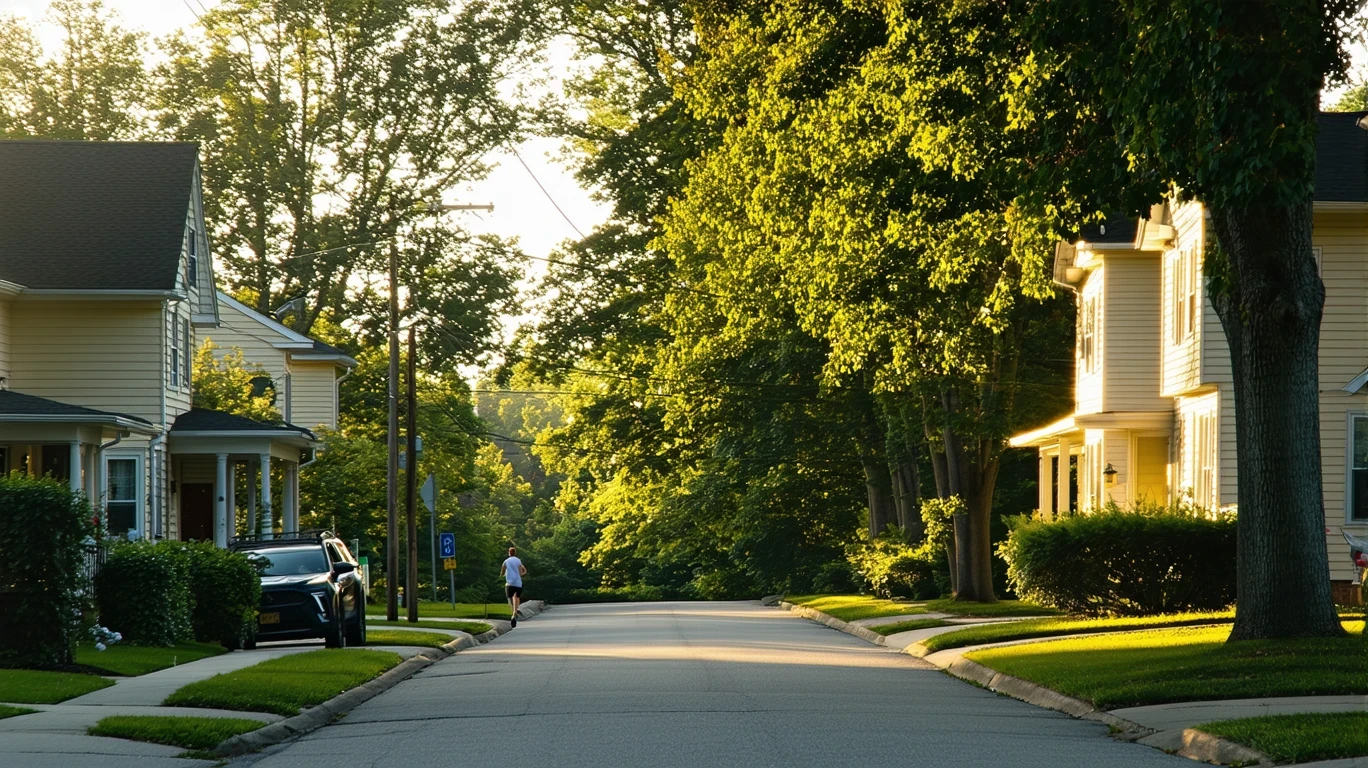
The Emotional Landscape of Cincinnati
People who feel at home in Cincinnati tend to describe it as “livable” rather than “exciting.” That’s not a criticism—it’s a reflection of what the city prioritizes. The presence of hospitals, pharmacies, and schools creates a sense of security for families. The high density of parks and the visibility of water features give outdoor-oriented residents a lot to work with. And the mixed building heights—neither purely low-rise suburban nor aggressively vertical—create visual variety without the intensity of a major downtown core.
But livability comes with tradeoffs. The food and grocery landscape is corridor-clustered, meaning access is uneven. If you’re near one of those corridors, errands feel easy. If you’re not, you’re driving more than you’d like, and that friction accumulates over time. Similarly, the bike infrastructure exists but remains limited to pockets, so cycling as a primary mode of transportation works for some people and not others. The rail transit system is a genuine asset, but it doesn’t blanket the metro, so your relationship with it depends heavily on where you live.
Social Media Buzz in Cincinnati
On platforms like Reddit and Facebook, Cincinnati discussions often revolve around neighborhood identity and the tension between growth and character. There’s pride in the city’s green space and waterfront access, but also protectiveness—people worry about losing what makes certain areas feel distinct. Complaints about traffic and commute unpredictability surface regularly, especially from residents in outer areas who feel disconnected from the walkable core.
“I love that I can walk to the park with my kids and still be ten minutes from downtown, but I wish the grocery situation were more consistent. Some weeks it’s easy, some weeks it’s a project.”
“Cincinnati has this quiet charm that people overlook. It’s not flashy, but it works if you’re not trying to make it into something it’s not.”
“The rail line changed everything for me. I barely use my car during the week now, and that’s made the cost of living feel way more manageable.”
The tone is generally warm but pragmatic. People appreciate what’s here, but they’re also clear-eyed about what’s missing. There’s less boosterism than in some peer cities, and more of a “this is what it is” realism that can feel refreshing or deflating depending on your expectations.
Local News Tone
Local coverage in Cincinnati tends to frame the city through the lens of incremental change and community debate. Headlines and story themes often reflect ongoing conversations about infrastructure, development, and identity rather than dramatic turning points. You’ll see recurring topics like:
- “Neighborhoods Debate What Growth Should Look Like”
- “New Dining Options Arrive Along Key Corridors”
- “Residents Weigh Transit Expansion vs Traffic Relief”
- “Green Space Investments Draw Praise, Questions About Equity”
- “Commuters Express Frustration with Congestion Patterns”
The framing is rarely celebratory or alarmist. Instead, it’s steady and process-oriented, reflecting a city that’s evolving without racing. That tone matches the lived experience: Cincinnati doesn’t feel like it’s in crisis, but it also doesn’t feel like it’s surging. It’s managing, adjusting, and negotiating what comes next.
Review-Based Public Perception
On platforms like Google Reviews, Yelp, and Nextdoor, Cincinnati’s public perception splits along expectation lines. People who wanted a quieter, more affordable alternative to larger metros tend to express satisfaction. They praise the park access, the presence of hospitals and schools, and the ability to find housing without extreme financial strain. The $893 median rent and $192,000 median home value create a foundation that feels stable rather than speculative.
But people who moved expecting dense urban amenities or walkable-everywhere convenience often express disappointment. The corridor-clustered food and grocery access means some neighborhoods feel well-served while others feel isolated. The mixed building character and land use variety are appreciated by some and seen as lack of focus by others. And the bike infrastructure, while present, doesn’t yet support car-free living across the metro.
“We moved here for the schools and the parks, and on that front, Cincinnati delivers. It’s not the most exciting place, but it’s stable and we feel like we can actually save money.”
“I thought the walkability would extend further than it does. There are great pockets, but if you’re not in one of them, you’re driving constantly.”
“The healthcare access is genuinely impressive. Having a hospital nearby and pharmacies everywhere makes a huge difference when you have kids.”
The review landscape reflects a city that meets basic needs reliably but doesn’t over-deliver on lifestyle texture. If you’re looking for adequacy with moments of delight, Cincinnati tends to satisfy. If you’re looking for saturation or intensity, it tends to underwhelm.
Comparison to Nearby Cities
| Aspect | Cincinnati, OH | Columbus, OH | Louisville, KY |
|---|---|---|---|
| Walkability | Strong pockets, uneven coverage | Broader but less intense | Concentrated downtown, sparse elsewhere |
| Transit | Rail present, limited reach | Bus-focused, expanding | Minimal, car-dependent |
| Green Space | Integrated, high density | Present but less embedded | Waterfront-focused, less distributed |
| Cost Pressure | Moderate, stable | Rising, competitive | Lower, slower growth |
| Vibe | Quiet, intentional, blended | Energetic, growth-oriented | Relaxed, traditional, slower |
Cincinnati sits between Columbus’s growth energy and Louisville’s slower pace. If you want more career momentum and don’t mind higher costs, Columbus may feel more dynamic. If you want lower pressure and don’t need urban texture, Louisville may feel more comfortable. Cincinnati offers a middle path: enough walkability and transit to feel connected, enough green space to feel grounded, and enough affordability to feel sustainable. It’s not the most exciting option, but it’s often the most balanced.
What Locals Are Saying
“I moved here from a bigger city expecting to feel isolated, but the rail line and the park access have made it work. I don’t feel like I’m missing out, just living at a different pace.”
“Cincinnati is great if you’re raising kids. The schools are decent, the parks are everywhere, and you’re not spending every dollar on housing pressure. But if you’re single and want nightlife, you’ll get bored fast.”
“The grocery situation is my only real complaint. If you’re near a corridor, it’s fine. If you’re not, it’s a weekly planning exercise.”
“I love that I can bike to work three days a week and drive the other two without feeling like I’m failing at car-free living. The infrastructure isn’t perfect, but it’s enough.”
“We retired here because of the healthcare access and the waterfront. It’s not flashy, but it’s comfortable, and we’re not stretching financially.”
“Cincinnati feels like a city that’s still figuring itself out. There’s potential here, but it’s not fully realized yet. That’s exciting to some people and frustrating to others.”
“The commute is unpredictable. Some days it’s 20 minutes, some days it’s 40. That inconsistency is the most annoying part of living here.”
Does Cincinnati Feel Like a Good Fit?
Cincinnati works well for people who value access over abundance, who appreciate green space and water features as part of daily life, and who don’t need every amenity within a five-minute walk. It’s a strong fit for families seeking stability, healthcare access, and park integration without extreme financial pressure. It’s also a good match for remote workers and young professionals who want some urban texture without committing to high-density living or high-cost metros.
But Cincinnati tends to frustrate people who expect walkable-everywhere convenience, dense dining and nightlife options, or seamless car-free living across the metro. The corridor-clustered errands model and the limited reach of bike infrastructure create friction for households that prioritize those factors. And the city’s quieter, more intentional vibe can feel underwhelming to people seeking energy and spontaneity.
The city doesn’t try to be everything. It offers a specific blend: enough walkability to feel urban in places, enough green space to feel grounded, enough affordability to feel sustainable, and enough healthcare and school infrastructure to feel secure. If that blend matches what you’re looking for, Cincinnati tends to feel like home. If it doesn’t, the misalignment becomes obvious quickly. The question isn’t whether Cincinnati is a good place—it’s whether it’s a good place for you. And that depends entirely on what you’re hoping to find when you arrive.
If you’re still weighing the decision, it may help to explore how the city’s quality of life factors align with your household’s needs, or to get a clearer sense of what day-to-day costs look like beyond rent and groceries.
How this article was built: In addition to public economic data, this article incorporates location-based experiential signals derived from anonymized geographic patterns—such as access density, walkability, and land-use mix—to reflect how day-to-day living actually feels in Cincinnati, OH.
The perspectives shown reflect commonly expressed local sentiment and recurring themes in public discussion, rather than individual accounts.