
Can You Stay Under $100? Grocery Costs in Dublin, OH (2026)
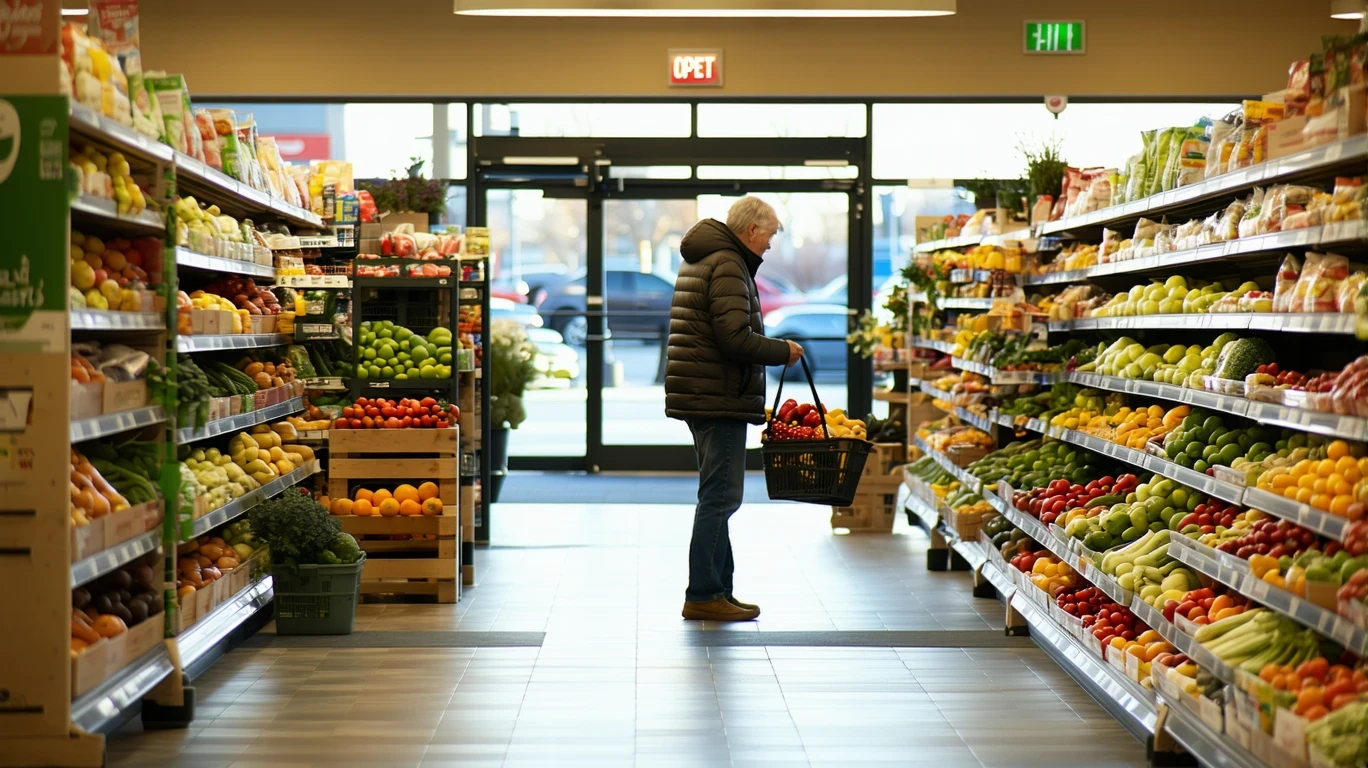
Walk into any grocery store in Dublin with a mental budget of $100, and you’ll quickly learn how far that number stretches—or doesn’t. For a single professional grabbing essentials for the week, staying under that threshold is often manageable, but it requires intentional choices about what goes in the cart. For a family of four trying to stock up for multiple dinners, snacks, and school lunches, that same $100 disappears fast. Grocery costs in Dublin sit slightly below the national baseline, with a regional price parity index of 95, meaning prices here run about 5% lower than the U.S. average. But that modest advantage doesn’t eliminate pressure—it just shifts where households feel it most.
The real story isn’t whether Dublin is expensive or cheap in absolute terms; it’s how grocery costs interact with household size, income, and daily logistics. Dublin’s median household income of $158,363 per year suggests many families can absorb food costs without severe strain, but that doesn’t mean grocery spending feels trivial. Singles and young professionals notice every price swing because their smaller baskets leave less room for bulk savings. Families with children face a different challenge: grocery bills scale quickly as household size grows, and the gap between discount and premium store tiers becomes a meaningful budget lever. Retirees on fixed incomes often fall somewhere in between—smaller households but heightened sensitivity to price creep, especially on proteins and fresh produce.
Understanding grocery costs in Dublin means recognizing that the checkout experience varies widely depending on where you shop, what you prioritize, and how much flexibility your household has to plan, substitute, or stretch ingredients across multiple meals. The $100 question isn’t just about affordability—it’s about control, predictability, and whether your grocery strategy matches the way you actually live.
Grocery Price Signals in Dublin (Illustrative)
Item-level prices provide useful anchors for understanding how staple groceries compare in Dublin, though they don’t represent a complete shopping list or guarantee what you’ll pay at checkout. These prices illustrate relative positioning—whether Dublin leans higher or lower on everyday items—and help clarify which categories drive the most pressure for different households.
| Item | Price |
|---|---|
| Bread (per pound) | $1.74/lb |
| Cheese (per pound) | $4.50/lb |
| Chicken (per pound) | $1.92/lb |
| Eggs (per dozen) | $2.58/dozen |
| Ground beef (per pound) | $6.35/lb |
| Milk (per half-gallon) | $3.84/half-gallon |
| Rice (per pound) | $1.02/lb |
Derived estimate based on national baseline adjusted by regional price parity; not an observed local price.
These prices reveal where Dublin’s grocery costs feel lighter or heavier. Staples like rice, bread, and chicken sit at modest price points, making them accessible building blocks for budget-conscious meal planning. Ground beef and cheese, on the other hand, represent higher-cost categories where households notice price swings more acutely—especially families cooking for multiple people or households that rely heavily on protein-rich meals. Eggs and milk occupy a middle zone: essential for many households, frequent purchases, and sensitive to seasonal or supply-driven volatility.
What matters most isn’t any single price, but how these items combine in your actual shopping patterns. A household that leans on chicken, rice, and seasonal vegetables will experience Dublin’s grocery costs very differently than one that prioritizes red meat, specialty cheeses, and prepared foods. The prices above don’t predict your total spending, but they do clarify which categories reward substitution, planning, or store-tier flexibility—and which ones will drive your grocery bill higher no matter where you shop.
Store Choice and Price Sensitivity in Dublin
Grocery price pressure in Dublin varies as much by store tier as it does by what you buy. The city’s food and grocery establishment density exceeds high thresholds, meaning residents have access to a wide range of shopping options—from discount chains to premium grocers—often within a short drive or, in some neighborhoods, a walkable distance. That accessibility creates real choice, but it also means your grocery experience hinges on where you shop and how much flexibility you have to move between tiers.
Discount-tier stores offer the tightest pricing on staples, house brands, and bulk-friendly items. For households managing strict budgets or feeding multiple people, these stores provide the most leverage: lower per-unit costs, frequent promotions, and no-frills environments that prioritize value over ambiance. Singles and young professionals may find discount stores less convenient for quick trips or small-basket shopping, but families and cost-conscious households often build their weekly routines around these anchors. Mid-tier grocers occupy the middle ground, balancing competitive pricing on everyday items with broader selection, better produce quality, and more convenient locations. These stores work well for households that want reliable quality without premium price tags, and they’re often where Dublin residents land when they’re optimizing for time as much as cost.
Premium-tier grocers emphasize organic options, specialty items, prepared foods, and curated selection. Prices run higher across the board, but the trade-off is convenience, quality perception, and a shopping experience designed for speed and ease. For high-income households or those prioritizing organic, local, or specialty ingredients, the premium tier feels justified. For budget-sensitive households, it’s a place to avoid unless specific items justify the markup. The gap between discount and premium tiers isn’t trivial—it can shift weekly grocery costs significantly without changing the nutritional content or volume of what you’re buying. In Dublin, where income levels are high but household sizes vary, store tier choice becomes one of the most direct levers residents use to control food spending.
What Drives Grocery Pressure in Dublin
Grocery costs in Dublin don’t exist in isolation—they interact with income, household composition, and the practical realities of how people shop and cook. The city’s high median household income means many families can absorb grocery costs without severe strain, but that doesn’t eliminate pressure. It just shifts where households feel it most. Singles and young professionals notice grocery costs acutely because their smaller baskets leave less room for bulk discounts, per-unit savings, or meal-stretching strategies. Every trip to the store feels more expensive per meal, and the temptation to eat out instead of cooking becomes a real trade-off.
Families with children face a different dynamic: grocery bills scale quickly as household size grows, and the gap between discount and premium store tiers becomes a critical budget lever. A family of four buying the same staples at a premium grocer versus a discount chain can see meaningful weekly cost differences, even without changing diet quality. That pressure intensifies when kids are involved—snacks, school lunches, and dietary preferences add complexity and volume to every shopping trip. Retirees on fixed incomes often fall somewhere in between: smaller households reduce total spending, but fixed budgets make price sensitivity high, especially on proteins, fresh produce, and items that don’t stretch across multiple meals.
Regional distribution patterns also shape how grocery costs feel in Dublin. The city’s broadly accessible food and grocery infrastructure—evidenced by high establishment density—means most residents can reach multiple store tiers without long drives. That accessibility reduces friction and gives households more control over where they shop, but it also means the onus is on residents to actively manage store choice, compare prices, and plan trips. For households with time constraints or limited transportation flexibility, that control becomes harder to exercise, and grocery costs feel less negotiable. Seasonal variability plays a quieter role: produce prices shift with growing seasons, and certain proteins fluctuate based on supply conditions, but these swings are less dramatic than the structural differences between store tiers or household sizes.
Practical Ways People Manage Grocery Costs in Dublin
Managing grocery costs in Dublin isn’t about extreme couponing or eliminating entire food categories—it’s about building habits that reduce waste, leverage store flexibility, and match shopping behavior to household realities. One of the most effective strategies is planning meals around what’s already on hand and what’s on sale, rather than shopping from a rigid list. This approach reduces impulse purchases, minimizes food waste, and allows households to take advantage of weekly promotions without feeling locked into a specific menu. It requires some upfront thought, but it pays off in lower per-meal costs and fewer mid-week emergency trips.
Store-tier flexibility is another powerful lever. Households that split their shopping between discount stores for staples and mid-tier grocers for fresh items or specialty products often find a balance between cost control and quality. Buying bulk staples—rice, pasta, canned goods, frozen vegetables—at discount chains and reserving mid-tier or premium stores for perishables or specific ingredients can lower overall spending without sacrificing meal variety. For families, buying larger quantities of proteins when prices dip and freezing portions for later use smooths out cost volatility and reduces the pressure of weekly price swings.
Cooking at home consistently is the most direct way to control food spending, but it’s also the hardest habit to sustain without systems in place. Batch cooking, prepping ingredients ahead of time, and keeping a well-stocked pantry all reduce the friction of weeknight cooking and make it easier to avoid the convenience trap of eating out. For singles and young professionals, meal prepping on weekends or cooking larger portions that stretch across multiple dinners can lower per-meal costs and reduce decision fatigue during the week. The goal isn’t perfection—it’s building routines that make cooking at home the path of least resistance, not an extra burden.
Groceries vs. Eating Out in Dublin (Directional)
The trade-off between cooking at home and eating out isn’t just about cost—it’s about time, convenience, and how much energy you have left at the end of the day. In Dublin, where household incomes are high and dining options are accessible, eating out is a frequent temptation, especially for singles and young professionals who may not see the value in cooking for one. But the cost gap between groceries and restaurant meals is significant, even when you’re not tracking every dollar. A home-cooked dinner using staple ingredients—chicken, rice, vegetables—costs a fraction of what the same meal would run at a casual restaurant, and that gap widens when you’re feeding a family.
The challenge is that eating out offers convenience and variety that groceries can’t match without effort. After a long commute or a busy day, the appeal of picking up takeout or sitting down at a restaurant is real, and for many Dublin residents, it’s a regular part of the weekly routine. The key is recognizing when eating out is a deliberate choice versus a default habit driven by lack of planning or energy. Households that cook at home most nights but build in one or two restaurant meals per week often find a sustainable middle ground—they control food costs without feeling deprived, and they avoid the burnout that comes from rigid budgeting.
For families, the math tilts even more strongly toward cooking at home. Restaurant meals for four people add up quickly, and the convenience premium feels harder to justify when you’re managing a household budget. But for singles or couples without kids, the trade-off is less clear-cut. Cooking at home saves money, but it requires time, planning, and a willingness to eat leftovers—factors that don’t always align with busy schedules or small living spaces. The decision isn’t purely financial; it’s about what you’re willing to trade for convenience, and how much control you want over your food spending.
FAQs About Grocery Costs in Dublin (2026)
Is it cheaper to shop in bulk in Dublin? Bulk shopping can lower per-unit costs on staples like rice, pasta, and canned goods, especially at discount-tier stores. However, bulk savings depend on having storage space, the ability to use items before they expire, and upfront cash to buy larger quantities—factors that work better for families than for singles or small households.
Which stores in Dublin are best for low prices? Discount-tier grocers offer the tightest pricing on everyday staples and house brands, making them the go-to option for budget-conscious households. Mid-tier stores balance competitive pricing with better produce quality and convenience, while premium grocers emphasize organic and specialty items at higher price points. Store choice is one of the most direct levers Dublin residents use to control grocery spending.
How much more do organic items cost in Dublin? Organic products typically carry a noticeable premium over conventional equivalents, especially for produce, dairy, and proteins. The gap varies by store tier and specific item, but households prioritizing organic options should expect higher per-item costs and may need to adjust other spending categories to accommodate the difference.
How do grocery costs for two adults in Dublin tend to compare to nearby cities? Dublin’s regional price parity index of 95 suggests grocery costs run slightly below the national baseline, which often translates to modest savings compared to higher-cost metro areas. However, the comparison depends on store choice, shopping habits, and household priorities—factors that can outweigh regional price differences in day-to-day experience.
How do households in Dublin think about grocery spending when cooking at home? Many Dublin residents view grocery spending as a controllable expense that rewards planning, store flexibility, and consistent cooking habits. Households that cook at home regularly and shop strategically across store tiers often find they can manage food costs without feeling deprived, while those who default to convenience or premium options may feel more pressure despite the city’s modest price advantage.
Do grocery prices in Dublin change much with the seasons? Produce prices shift with growing seasons, and certain proteins fluctuate based on supply conditions, but these swings are less dramatic than the structural differences between store tiers or household sizes. Seasonal variability is noticeable but manageable, especially for households willing to adjust meal plans based on what’s in season or on sale.
How does Dublin’s grocery infrastructure affect day-to-day shopping? Dublin’s high food and grocery establishment density means most residents can reach multiple store tiers without long drives, and in some neighborhoods, grocery options are within walking distance. That accessibility gives households more control over where they shop and reduces the friction of comparing prices or switching stores, but it also means the onus is on residents to actively manage store choice and plan trips to maximize savings.
How Groceries Fit Into the Cost of Living in Dublin
Grocery costs in Dublin represent a meaningful but manageable piece of the overall cost structure, especially when compared to housing and utilities. For most households, food spending is one of the few categories where behavior and choice directly influence outcomes. You can’t negotiate your rent or eliminate your utility bill, but you can decide where to shop, what to cook, and how often to eat out. That control makes groceries a key lever for households trying to manage what a budget has to handle in Dublin—but it also means grocery pressure feels more personal, because it’s tied to daily decisions rather than fixed obligations.
The city’s modest price advantage—reflected in a regional price parity index of 95—provides some cushion, but it doesn’t eliminate the need for intentional planning. Families with children, singles on tight budgets, and retirees on fixed incomes all experience grocery costs differently, and the strategies that work for one household may not translate to another. What matters most is understanding where your grocery spending sits relative to your income, household size, and other financial priorities, and building habits that align with your actual cooking patterns and time constraints.
For a complete picture of how groceries fit into monthly expenses—including housing, utilities, transportation, and discretionary spending—the Monthly Budget article provides the full breakdown. Grocery costs are just one piece of the puzzle, but they’re a piece you can shape through deliberate choices, store flexibility, and consistent habits. The goal isn’t to minimize food spending at all costs—it’s to find a sustainable approach that keeps you fed, reduces waste, and leaves room for the other financial priorities that matter to your household.
How this article was built: In addition to public economic data, this article incorporates location-based experiential signals derived from anonymized geographic patterns—such as access density, walkability, and land-use mix—to reflect how day-to-day living actually feels in Dublin, OH.