
When Mia opened her first full utility bill after moving into a duplex in Lawrence, she stared at the breakdown in confusion: electricity, water, trash, a line item for “storm water,” and a gas charge she didn’t expect in April. She’d budgeted $150 for utilities total—but the bill was $220, and summer hadn’t even started. Understanding utilities cost in Lawrence means recognizing that these aren’t static line items; they’re exposure-sensitive, season-driven, and shaped by how your home is built, how you live in it, and what the Midwest climate demands from your heating and cooling systems.
Understanding Utilities in Lawrence
Utilities typically represent the second-largest fixed expense in a household budget after housing, but unlike rent, they fluctuate with behavior, weather, and infrastructure. In Lawrence, that variability is pronounced. The city sits in central Indiana, where summers bring heat and humidity that push air conditioners hard, and winters deliver cold snaps that require sustained heating. Both seasons create cost peaks, and the gap between a mild month and an extreme one can be significant.
For most households, “utilities” means electricity, natural gas, water, trash, and recycling. In single-family homes, all of these are typically billed separately. In apartments or townhomes, some may be included in rent or covered by an HOA, which changes the visibility of costs but not their existence. New movers often underestimate how much utilities add to monthly obligations, especially if they’re coming from a region with milder weather or a rental situation where utilities were bundled. In Lawrence, it’s common for a household to spend anywhere from $180 to $350 per month depending on home size, efficiency, and season.
The structure of utility costs also varies by housing type. Single-family homeowners face the full exposure: every kilowatt-hour, every gallon of water, every trash pickup is their responsibility. Renters in multi-unit buildings may have water and trash included, but electricity is almost always separate. Townhome and condo residents sometimes benefit from HOA fees that bundle services, which can smooth out variability but also obscure what’s actually being consumed. Understanding what you’re responsible for—and what drives each bill—is the first step toward managing what a budget has to handle in Lawrence.
Utilities at a Glance in Lawrence
The table below shows how core utility costs typically behave for a mid-size household in a single-family home in Lawrence. Where city-level prices are available in the data feed, they are shown directly. When exact figures are not provided, categories are described qualitatively to reflect how costs are structured and what drives variability.
| Utility | Cost Structure |
|---|---|
| Electricity | ~$159/month illustrative (1,000 kWh @ 15.91¢/kWh) |
| Water | Usage-dependent; tiered pricing |
| Natural Gas | $10.25/MCF; winter-driven, heating-dependent |
| Trash & Recycling | Bundled with water or billed separately by provider |
| Total | Seasonal variability driven by electricity and heating |
This table reflects utility cost structure for a mid-size household in a single-family home in Lawrence during 2026. Where exact figures are not provided in the IndexYard data feed, categories are described directionally to reflect how costs behave rather than a receipt-accurate total.
Electricity is the most exposure-sensitive utility in Lawrence. The rate of 15.91¢ per kilowatt-hour is competitive for Indiana, but total bills swing dramatically with usage. A household running central air conditioning through July and August can easily double its spring usage, while winter months see moderate increases if heating is electric. Homes with poor insulation, older HVAC systems, or large square footage face the highest swings. Electricity is typically the most exposure-sensitive utility in Lawrence, driven more by climate and home efficiency than by base rates.
Water costs in Lawrence are structured on tiered pricing, meaning the more you use, the higher the per-unit cost climbs. Exact rates aren’t provided in the feed, but typical household water bills in Indiana range from $40 to $80 per month depending on occupancy, lawn irrigation, and whether the home has high-efficiency fixtures. Multi-family units often see lower per-household costs due to shared infrastructure.
Natural gas is billed at $10.25 per thousand cubic feet (MCF) and is primarily a winter expense. Homes with gas furnaces, gas water heaters, or gas stoves will see bills rise from November through March, with the coldest months driving the highest usage. Homes that rely on electric heat avoid this line item entirely but shift the burden to the electric bill. Natural gas costs are less volatile month-to-month than electricity, but they’re no less important during heating season.
Trash and recycling services in Lawrence vary by provider and sometimes by neighborhood. Some areas have trash fees bundled with water bills, while others contract directly with private haulers. Monthly costs typically fall between $15 and $30, with recycling sometimes included and sometimes billed separately. HOA-managed communities often roll these fees into dues, which simplifies billing but makes it harder to track actual costs.
How Weather Impacts Utilities in Lawrence
Lawrence’s location in central Indiana means it experiences the full swing of Midwest weather: hot, humid summers and cold, sometimes snowy winters. Both extremes create utility cost peaks, but they hit different line items. Summer is electricity season. When temperatures climb into the upper 80s and 90s with high humidity, air conditioners run for hours each day. Homes with south- or west-facing windows, minimal shade, or older AC units see the highest bills. It’s not uncommon for a household to use 1,200 to 1,500 kilowatt-hours in July compared to 700 in May.
Winter shifts the burden to heating. Homes with natural gas furnaces will see gas bills rise sharply from December through February, especially during cold snaps when temperatures drop into the teens or lower. Homes with electric heat—whether baseboard, heat pump, or electric furnace—will see their electric bills climb instead. The length of the heating season in Lawrence is significant; it’s not unusual to need heat from late October through early April, which means six months of elevated costs.
Many Lawrence households experience noticeably higher electric bills during peak summer compared to spring, but the winter heating season can be just as costly depending on the home’s heating system. One regional quirk: Indiana’s humidity in summer makes air conditioning feel less effective, which can lead residents to overcool their homes or run systems longer than they would in a drier climate. That behavior compounds costs even when outdoor temperatures aren’t extreme.
How to Save on Utilities in Lawrence
Reducing utility costs in Lawrence requires a mix of behavioral changes, efficiency upgrades, and strategic use of available programs. The biggest opportunity is almost always electricity, since it’s the most variable and the most responsive to intervention. Simple steps like raising the thermostat by two degrees in summer, using ceiling fans to circulate air, and closing blinds during the hottest part of the day can reduce cooling costs without major investment. In winter, lowering the thermostat at night and sealing air leaks around windows and doors helps contain heating expenses.
Efficiency upgrades offer longer-term savings. Replacing an old HVAC system with a high-efficiency model reduces both electricity and gas usage, depending on the fuel source. Adding insulation to attics and crawl spaces helps stabilize indoor temperatures year-round, which reduces the workload on heating and cooling systems. Water heater upgrades—especially switching to tankless or heat-pump models—can lower both electricity and gas consumption. Many of these upgrades qualify for rebates or tax credits at the federal or state level, which can offset upfront costs.
Here are specific strategies that work well in Lawrence:
- Enroll in budget billing or equalized payment plans offered by local providers to smooth out seasonal spikes and make monthly costs more predictable.
- Check for utility rebates on energy-efficient appliances, smart thermostats, and HVAC tune-ups; Indiana utilities periodically offer incentives to reduce peak demand.
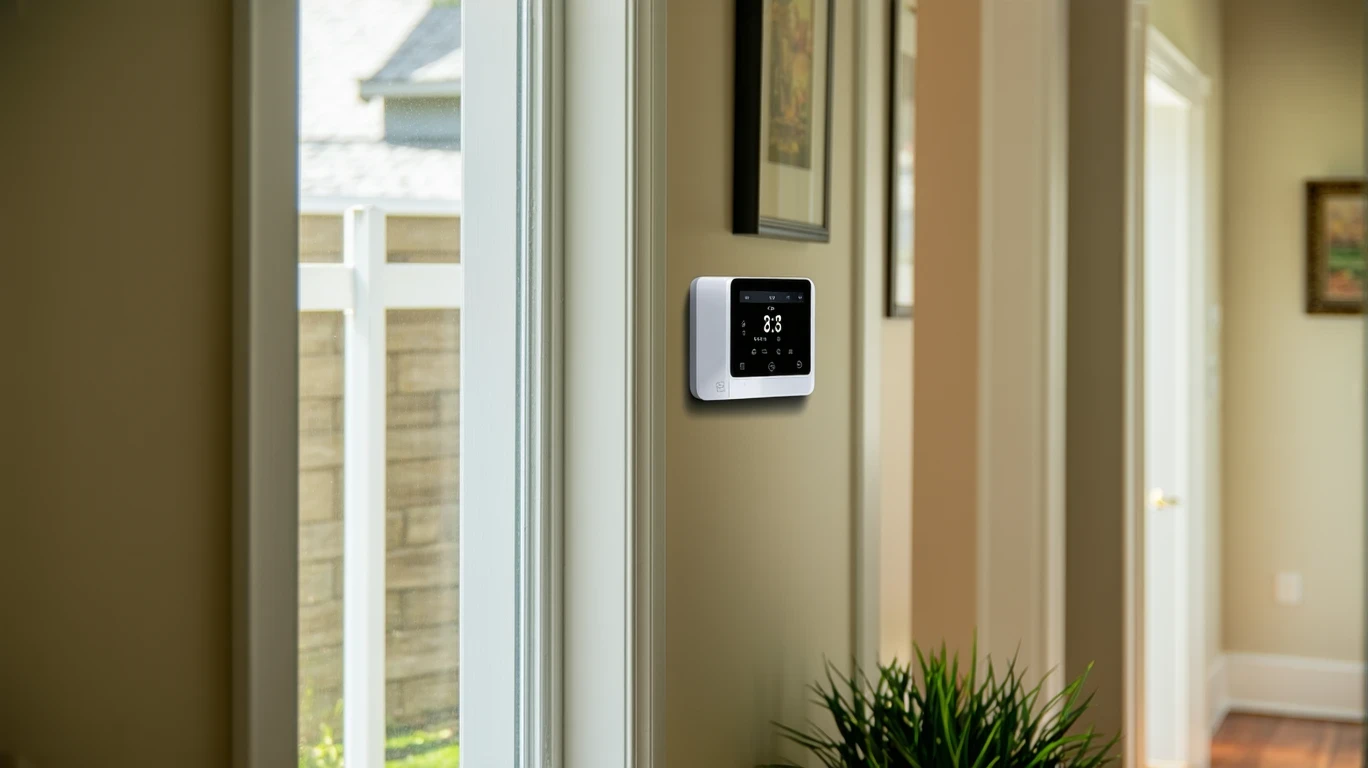
- Install a programmable or smart thermostat to automate temperature adjustments when you’re asleep or away, reducing unnecessary heating and cooling.
- Plant shade trees on the south and west sides of your home to block summer sun and reduce air conditioning load naturally.
- Switch to LED bulbs throughout the home to lower electricity usage; lighting is a small but consistent drain that adds up over time.
- Run dishwashers and laundry during off-peak hours if your provider offers time-of-use rates, which reward shifting usage away from high-demand periods.
🏆 Tip: Check if your provider in Lawrence offers rebates for energy-efficient AC units or heating systems. Some Indiana utilities also provide free or discounted home energy audits that identify where you’re losing conditioned air and what upgrades would deliver the most savings.
FAQs About Utility Costs in Lawrence
Why are utility bills so high in Lawrence during summer?
Summer bills spike because of air conditioning demand driven by heat and humidity. Homes with older AC units, poor insulation, or large square footage see the biggest increases. Running the AC continuously during peak afternoon heat can double electricity usage compared to spring months.
What is the average monthly electric bill for an apartment in Lawrence compared to a single-family home?
Apartments typically use less electricity due to smaller square footage and shared walls that reduce heating and cooling needs. A one-bedroom apartment might average $60 to $90 per month, while a single-family home with central air and gas heat can range from $120 to $250 depending on size and efficiency.
Do HOAs in Lawrence usually include trash or water in their fees?
Many townhome and condo HOAs in Lawrence bundle trash, water, and sometimes sewer into monthly dues, which simplifies billing and smooths out variability. Single-family home HOAs typically do not include utilities, leaving those costs to individual homeowners.
How does seasonal weather affect monthly utility bills in Lawrence?
Seasonal swings are significant. Summer heat drives up electricity for cooling, while winter cold increases natural gas or electric heating costs. Spring and fall offer the lowest bills because heating and cooling needs are minimal. The gap between a mild month and a peak month can be $100 or more for a typical household.
Does Lawrence offer incentives for solar panels or energy-efficient appliances?
Indiana offers state-level incentives for solar installations, and federal tax credits are available for qualifying systems. Some local utilities also provide rebates for energy-efficient appliances, smart thermostats, and HVAC upgrades. Availability and amounts vary by provider and year, so it’s worth checking directly with your utility company.
How Utilities Fit Into the Cost Structure in Lawrence
Utilities are a structural cost driver in Lawrence, not just a line item. They represent the second-largest recurring expense after housing, and unlike rent or a mortgage, they fluctuate with behavior, weather, and home condition. Electricity dominates the variability, especially in summer and winter, while natural gas adds a secondary seasonal peak for homes with gas heating. Water and trash are more stable but still usage-sensitive, and their costs can climb unexpectedly if irrigation, leaks, or occupancy changes.
For households trying to understand Lawrence affordability: what’s easy, what’s expensive, utilities sit at the intersection of fixed obligation and controllable exposure. You can’t eliminate them, but you can reduce them through efficiency, behavior, and strategic upgrades. The volatility they introduce makes budgeting harder, especially for new movers who haven’t experienced a full year of seasonal swings. That’s why understanding what drives each bill—and what levers you control—matters as much as knowing the dollar amounts.
Utilities also interact with housing decisions in ways that aren’t always obvious. A cheaper apartment with electric baseboard heat can end up costing more per month than a slightly pricier unit with gas heat and better insulation. A single-family home with an older HVAC system might look affordable on paper but deliver surprise bills every summer and winter. These tradeoffs are part of the broader cost structure in Lawrence, and they affect how far a household’s income stretches across the year.
If you’re planning a move to Lawrence or trying to tighten your budget, start by auditing your current utility usage and identifying where the biggest swings occur. Then explore efficiency upgrades, provider programs, and behavioral changes that reduce exposure without sacrificing comfort. Utilities are one of the few major expenses where small, intentional changes can deliver measurable savings—and in a place like Lawrence, where seasonal extremes are the norm, those savings compound quickly.
How this article was built: In addition to public economic data, this article incorporates location-based experiential signals derived from anonymized geographic patterns—such as access density, walkability, and land-use mix—to reflect how day-to-day living actually feels in Lawrence, IN.