
“I thought I’d be able to take a bus to work when I moved here. That lasted about two weeks before I bought a car.” — Daily commuter, Carmel resident since 2022
How People Get Around Carmel
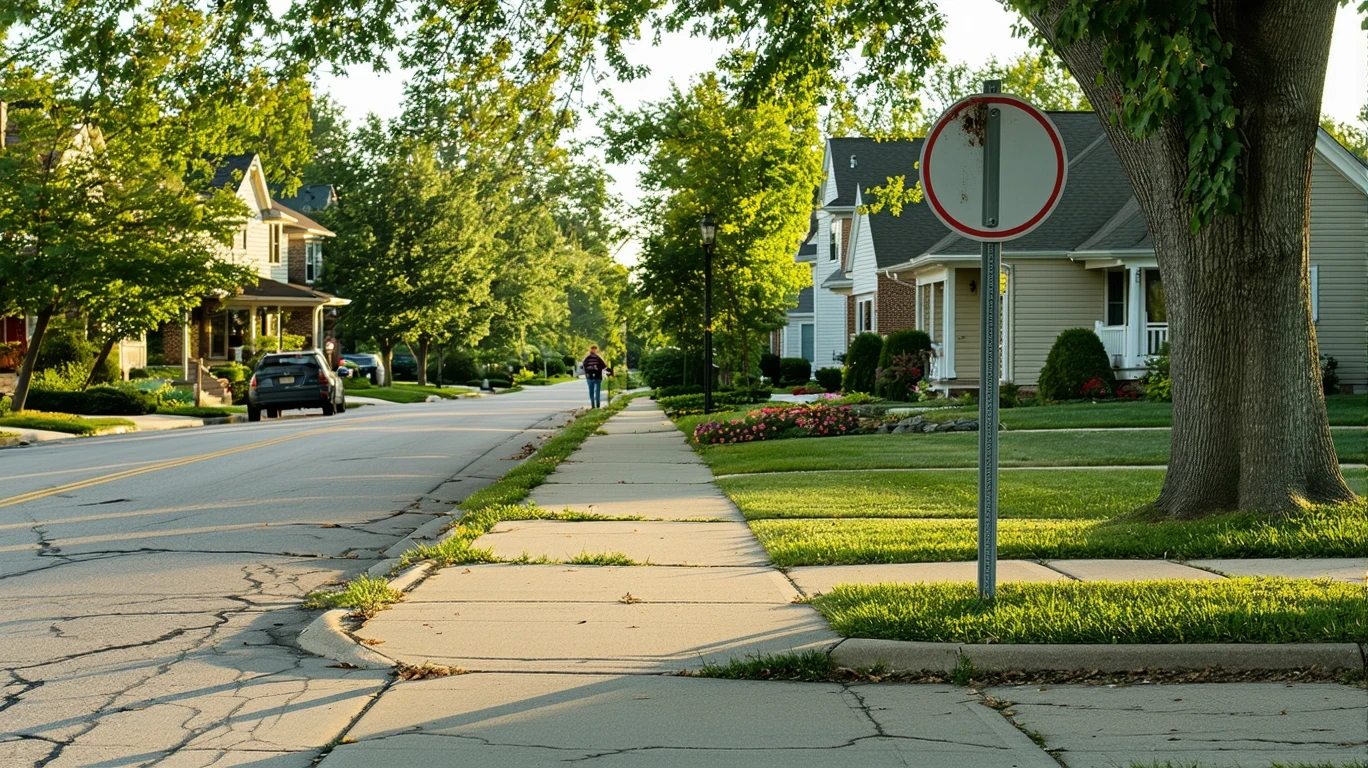
Transportation options in Carmel are shaped by the city’s layout: a suburban community north of Indianapolis with pockets of walkable infrastructure woven into a fundamentally car-oriented landscape. Most residents drive for nearly everything—work, groceries, errands, and social plans. While some neighborhoods feature sidewalks, bike lanes, and mixed-use corridors that support short trips on foot or by bike, these areas are the exception, not the rule. Newcomers often expect more robust public transit given Carmel’s proximity to Indianapolis, but the reality is that transit plays a minimal role in daily life here. The city’s development pattern prioritizes low-density residential zones, wide roads, and dispersed commercial centers, all of which favor personal vehicles over shared mobility.
What surprises many people is how much the experience varies by neighborhood. If you live in one of Carmel’s walkable pockets—areas with higher pedestrian-to-road ratios and integrated bike infrastructure—you may be able to handle some errands without a car. But step outside those zones, and the infrastructure quickly shifts back to car-first design. Understanding this geography is essential for anyone evaluating whether they can realistically reduce car dependence in Carmel.
Public Transit Availability in Carmel
Public transit in Carmel is largely absent from the day-to-day mobility toolkit. No rail service exists, and bus coverage is sparse at best. While regional transit systems serving the Indianapolis metro area may offer limited routes that touch parts of Carmel, these services are not designed for frequent intra-city trips or reliable daily commuting within Carmel itself. Transit works best—when it works at all—for residents living near major corridors who commute into Indianapolis during peak hours. Even then, schedules tend to be infrequent, and coverage gaps make it difficult to rely on transit for anything beyond a narrow set of trips.
For most Carmel residents, transit is not a practical option. Families managing school drop-offs, multi-stop errands, or evening activities will find that bus service doesn’t align with their schedules or destinations. Late-hour service is minimal, and reaching suburban commercial centers or residential neighborhoods outside the core requires transfers or long waits. The infrastructure simply isn’t built to support transit-dependent living.
Driving & Car Dependence Reality
Driving is the default mode of transportation in Carmel, and for good reason. The city’s layout spreads residential, commercial, and employment centers across a wide area, with limited connectivity between zones for anyone not in a car. Parking is abundant and typically free, which removes one of the friction points that might otherwise encourage alternative transportation. Roads are designed for vehicle throughput, and most destinations—whether a grocery store, medical office, or restaurant—assume you’ll arrive by car.
This car dependence isn’t just about preference; it’s structural. Carmel’s development pattern reflects decades of suburban growth that prioritized single-family homes, office parks, and strip malls over dense, mixed-use centers. Even in neighborhoods with sidewalks and bike lanes, the distances between home, work, and services often exceed what’s practical for walking or cycling, especially in extreme weather. Households that attempt to go car-free or car-light quickly encounter logistical barriers: limited transit options, gaps in pedestrian infrastructure, and the sheer time cost of trying to string together non-car trips.
For residents who value flexibility and control over their schedules, driving offers clear advantages. But it also locks in ongoing costs—fuel, insurance, maintenance, and depreciation—that become non-negotiable parts of the household budget. Gas prices in Carmel currently sit at $2.83 per gallon, a relevant data point for anyone calculating exposure to fuel volatility.
Commuting Patterns & Daily Mobility
Commuting in Carmel typically means driving, whether to jobs within the city, south into Indianapolis, or to office parks scattered across the northern metro. The structure of daily mobility here revolves around the car as the primary tool for managing time and distance. Single-job commuters may follow predictable routes, but households juggling multiple work locations, school schedules, and errands face a more complex choreography—one that’s difficult to execute without at least one vehicle, and often two.
Proximity matters, but not in the way it does in denser cities. Living closer to work in Carmel doesn’t necessarily mean you can walk or bike; it means your drive is shorter and more predictable. Residents who work in Indianapolis face longer commutes, with travel times and traffic patterns varying significantly depending on route and time of day. Those who work locally benefit from shorter trips, but the dispersed nature of employment centers means “local” can still mean a 10- or 15-minute drive.
The absence of reliable transit options means that commute flexibility is tied directly to vehicle access. Households with one car must coordinate schedules carefully, and those without a car face severe limitations on where they can work and how they can manage daily logistics.
Who Transit Works For—and Who It Doesn’t
Transit in Carmel works for a very narrow slice of residents: those living near a limited number of corridors, commuting into Indianapolis during peak hours, and willing to accept infrequent service and longer travel times. This might include single professionals without school-age children, renters in core areas who prioritize affordability over convenience, or households using transit as a secondary option rather than a primary mode.
Transit does not work for families managing complex schedules, residents living in peripheral neighborhoods, or anyone who needs reliable access to multiple destinations throughout the day. Parents coordinating school drop-offs, after-school activities, and grocery runs will find transit impractical. Shift workers, evening commuters, and anyone whose job requires travel between sites will struggle to make transit fit their needs.
The walkable pockets identified in Carmel—areas with higher pedestrian infrastructure density and notable bike presence—offer some relief from total car dependence, but they don’t eliminate it. Even in these zones, residents typically need a car for trips beyond the immediate neighborhood. Renters in these areas may benefit from slightly lower transportation costs if they can walk or bike for some errands, but homeowners in the same zones often still maintain multiple vehicles to manage household logistics.
Transportation Tradeoffs in Carmel
Choosing between transit and driving in Carmel isn’t really a choice for most people—it’s a structural reality. Driving offers predictability, control, and the ability to manage complex schedules across dispersed destinations. Transit, where it exists, offers lower direct costs but imposes significant time penalties, schedule constraints, and coverage gaps that make it impractical for most daily needs.
The tradeoff isn’t just financial; it’s about time, flexibility, and exposure to disruption. Driving insulates you from service changes, weather delays, and route limitations, but it also locks in ongoing expenses and ties your mobility to fuel prices, maintenance schedules, and parking availability. Transit reduces some of those costs but increases your dependence on external schedules and infrastructure that may not align with your needs.
For households evaluating what a budget has to handle in Carmel, transportation is a structural factor that shapes housing choice, job access, and daily logistics. The question isn’t whether you can avoid driving—it’s how much driving you’ll need to do and whether the city’s layout allows you to minimize it in specific contexts.
Living Without a Car in Carmel: What the Infrastructure Actually Supports
Carmel’s infrastructure reveals a specific pattern: walkable pockets exist, bike infrastructure is notably present, and some corridors cluster grocery and food options within reachable distances. But these features don’t add up to car-free living for most residents. What they do support is a hybrid approach in limited areas—households that can handle some errands on foot or by bike, but still rely on a car for work, longer trips, and anything outside their immediate zone.
The pedestrian-to-road ratio in certain parts of Carmel exceeds typical suburban norms, meaning sidewalks, crosswalks, and pedestrian paths are more integrated into the street network than in purely car-oriented developments. Bike infrastructure is distributed widely enough to be considered notable, not just token. And food and grocery establishments are clustered along corridors rather than evenly spread, which means some neighborhoods have walkable access to daily needs while others don’t.
In practice, this means a resident living in one of these walkable pockets might walk to a coffee shop, bike to a nearby park, or pick up groceries on foot a few times a week. But the same resident will almost certainly drive to work, drive for larger shopping trips, and drive for anything requiring travel across town. The infrastructure supports convenience and flexibility within a narrow radius, not independence from car ownership.
Families, in particular, will find that even the most walkable parts of Carmel don’t eliminate the need for a vehicle. School access, activity schedules, and the logistics of managing multiple destinations in a single trip all favor driving. The city’s layout doesn’t penalize car use, and it doesn’t reward car-free living enough to make it viable for most household types.
How this article was built: In addition to public economic data, this article incorporates location-based experiential signals derived from anonymized geographic patterns—such as access density, walkability, and land-use mix—to reflect how day-to-day living actually feels in Carmel, IN.
FAQs About Transportation in Carmel (2026)
Is public transit usable for daily commuting in Carmel?
Public transit in Carmel is minimal and not designed for reliable daily commuting within the city. Limited regional bus service may connect parts of Carmel to Indianapolis during peak hours, but coverage is sparse, schedules are infrequent, and most residents find transit impractical for day-to-day needs. Driving remains the dominant and most reliable commuting option.
Do most people in Carmel rely on a car?
Yes. Carmel’s layout, development pattern, and limited transit infrastructure make car ownership essential for nearly all residents. Even in neighborhoods with sidewalks and bike lanes, the distances between home, work, and services typically require a vehicle. Households without a car face significant limitations on job access, errands, and daily logistics.
Which areas of Carmel are easiest to live in without a car?
Certain neighborhoods in Carmel feature higher pedestrian infrastructure density, notable bike lanes, and clustered access to food and grocery options. These walkable pockets make it easier to handle some errands on foot or by bike, but they don’t eliminate the need for a car. Residents in these areas still typically drive for work, longer trips, and destinations outside their immediate zone.
How does commuting in Carmel compare to nearby cities?
Carmel’s commuting experience is heavily car-dependent, similar to other suburban communities in the Indianapolis metro area. Unlike denser cities with established transit networks, Carmel offers minimal alternatives to driving. Commute times and distances vary depending on where you work, but the infrastructure assumes vehicle access. Proximity to Indianapolis expands job options but doesn’t change the fundamental reliance on personal transportation.
Can you bike to work in Carmel?
Biking to work in Carmel is possible in specific scenarios—if you live and work within one of the city’s walkable pockets or along a corridor with bike infrastructure, and if the distance and weather align. But for most residents, the distances involved, gaps in connectivity, and seasonal weather make biking a supplemental option rather than a primary commuting mode. Bike infrastructure exists and is notable, but it doesn’t form a comprehensive network that supports car-free commuting across the city.
How Transportation Fits Into the Cost of Living in Carmel
Transportation in Carmel isn’t just a line item in a budget—it’s a structural factor that shapes where you can live, where you can work, and how much flexibility you have in managing daily life. The city’s car-oriented layout means that vehicle ownership is effectively mandatory for most households, and that dependence carries ongoing costs: fuel, insurance, maintenance, registration, and depreciation. These expenses don’t fluctuate as visibly as rent or groceries, but they’re persistent and non-negotiable.
The tradeoff is predictability. Driving gives you control over your schedule, access to dispersed job markets, and the ability to manage complex household logistics without relying on external systems. But it also locks in exposure to fuel price volatility, maintenance surprises, and the long-term cost of vehicle replacement. Transit, where it exists, offers lower direct costs but imposes time penalties and coverage gaps that make it impractical for most residents.
Understanding how transportation works in Carmel helps clarify the broader cost structure. If you’re evaluating whether Carmel fits your household, consider not just whether you can afford a car, but whether the city’s layout allows you to minimize driving in ways that matter to you—shorter commutes, walkable errands, or reduced exposure to fuel costs. The infrastructure supports some of that flexibility in specific neighborhoods, but it doesn’t eliminate the baseline need for vehicle access.
For a fuller picture of how transportation costs interact with housing, utilities, and daily expenses, the monthly budget breakdown provides the numeric context this article doesn’t. Together, they offer a grounded view of what it takes to manage day-to-day life in Carmel.