
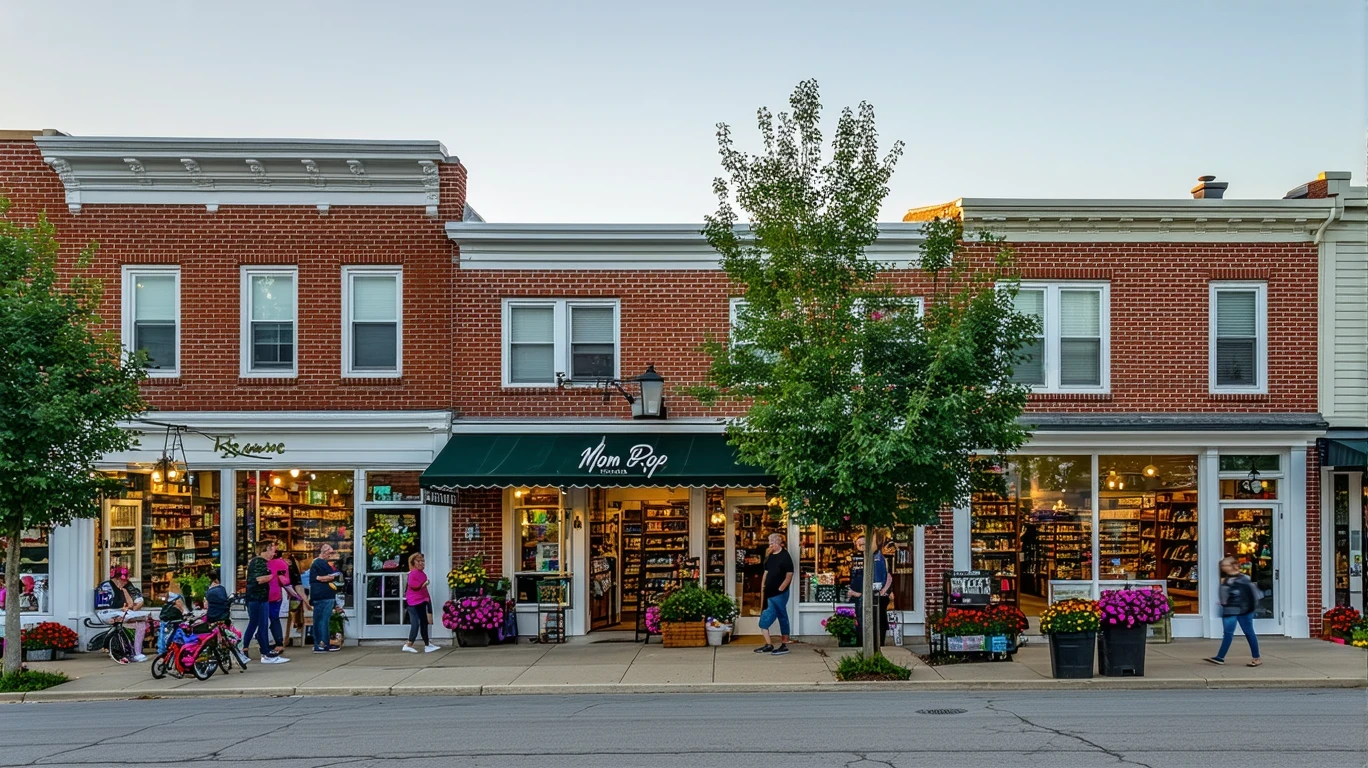
Apartment vs House: Monthly Cost Comparison in Carmel
Before diving into the details, here’s how apartment and house costs typically break down each month in Carmel. These figures reflect structural differences in housing type, not personal budgets.
| Expense Category | Apartment | House |
|---|---|---|
| Base Housing Cost | $1,499 (median rent) | ~$2,130 (illustrative mortgage on $425,900 home, before taxes/insurance) |
| Heating (Winter) | Often included or minimal | Noticeable; cold winters drive sustained natural gas use |
| Cooling (Summer) | Moderate; shared walls reduce load | Higher; standalone structure and larger square footage increase exposure |
| Maintenance & Upkeep | Landlord responsibility | Owner responsibility; age and weather drive variability |
| Outdoor Space Management | None | Lawn care, snow removal, seasonal tasks |
Why these differences matter in Carmel: Cold winters and mixed building stock mean heating exposure varies significantly by housing type. Apartments benefit from shared-wall insulation and landlord-managed systems. Houses face full seasonal utility swings and require year-round upkeep. The gap widens in winter months when heating dominates household energy use.
The Housing Market in Carmel Today
Carmel’s housing market reflects its role as an established suburb north of Indianapolis, where strong household incomes and low unemployment support sustained demand. The median home value of $425,900 positions Carmel above the regional baseline, driven by access to employment corridors, school infrastructure, and park density that exceeds typical suburban thresholds. Newcomers often underestimate how tightly home values track proximity to Indianapolis job centers and the availability of walkable pockets within an otherwise car-oriented region.
What distinguishes Carmel is the combination of mixed building heights and integrated green space, creating neighborhoods where single-family homes coexist with denser residential clusters. This variation means what drives expenses depends heavily on which part of the city you’re targeting. Buyers seeking walkable access to corridor-clustered errands face different cost structures than those prioritizing larger lots on the suburban edge. The market rewards households who understand that Carmel’s housing stock isn’t uniform—location within the city determines not just price, but also transportation friction, utility exposure, and long-term maintenance patterns.
The regional price parity index of 95 suggests costs run slightly below the national baseline, but housing itself bucks that trend. Home values here reflect demand from dual-income professionals who prioritize proximity to Indianapolis without accepting urban density. That dynamic keeps inventory competitive and limits downward price pressure, even when broader economic conditions soften. For renters and buyers alike, Carmel’s market is less volatile than peer cities closer to downtown Indianapolis, but it’s also less forgiving to households without established income stability.
Renting in Carmel
Median gross rent of $1,499 per month reflects a rental market shaped by limited stock and strong demand from professionals transitioning between homes or relocating for work. Rental availability clusters along commercial corridors where mixed land use supports both residential and retail density, meaning renters often trade unit size for proximity to errands and healthcare access. The presence of a hospital and notable cycling infrastructure makes certain rental zones more viable for car-light households, though most renters still depend on personal vehicles for commuting to Indianapolis.
Rental pressure in Carmel differs from nearby cities because the housing stock skews toward ownership. Apartments and rental homes represent a smaller share of total inventory, which limits choice and keeps rent stable relative to income but high relative to regional peers. Renters here aren’t competing with speculative investors as much as with other established professionals who need flexibility before committing to ownership. That creates a rental experience where landlords can be selective, lease terms favor stability, and turnover is lower than in more transient markets.
For households earning near the median income of $132,859 per year, rent at $1,499 falls comfortably within traditional affordability guidelines. But for single-income earners or those early in their careers, Carmel’s rental market offers fewer budget-tier options than surrounding communities. The tradeoff is access to family infrastructure, green space, and healthcare without the long-term financial exposure of ownership. Renters who prioritize predictability over equity accumulation often find Carmel’s rental costs justify the reduced logistics friction, especially if they work remotely or have flexible commutes.
Owning a Home in Carmel
Ownership in Carmel centers on a $425,900 median home value, which translates to significant upfront capital requirements and ongoing cost exposure that renters avoid. Beyond the mortgage, owners face property taxes, insurance, and maintenance shaped by the city’s cold winters and mixed housing ages. Heating systems, roofing, and exterior upkeep all respond to freeze-thaw cycles and seasonal weather stress, meaning deferred maintenance compounds faster here than in milder climates. Ownership shifts risk from landlord to household, and in Carmel, that risk includes both predictable seasonal costs and unpredictable repair timelines.
Property tax structures and any HOA obligations aren’t specified in available data, but ownership in suburban markets like Carmel typically involves recurring fees that renters never see itemized. These costs don’t fluctuate with market conditions the way rent can, but they do escalate over time as property values adjust and local infrastructure needs grow. Owners gain control and stability, but they also absorb the full cost of housing the moment they close, with no landlord buffer against utility spikes, appliance failures, or seasonal damage.
The ownership experience in Carmel rewards households who plan to stay long enough to justify the entry cost and who have the income margin to handle variable expenses without financial strain. For families with school-age children, ownership aligns with the city’s school density and park access, reducing the need to move as household needs evolve. For younger buyers or single-income households, the gap between home values and liquid savings often delays ownership by years, even when monthly mortgage payments would be manageable. Ownership here isn’t about affordability in isolation—it’s about whether your financial position can absorb both the gate and the ongoing exposure.
Utilities & Upkeep Differences
Utility exposure in Carmel splits sharply between apartments and houses, driven by building design and seasonal weather intensity. Cold winters mean heating dominates energy bills from November through March, and houses face the full load. At $14.78 per MCF for natural gas, a standalone home running a furnace steadily through winter months will see noticeable monthly costs, especially in older homes with less insulation. Apartments benefit from shared walls and centralized systems, often folding heating into rent or distributing the cost across smaller, more efficient units.
Electricity at 17.34¢/kWh supports moderate cooling costs in summer, but houses again carry higher exposure due to square footage and standalone construction. A typical house using 1,000 kWh per month for cooling, lighting, and appliances would see illustrative monthly electric bills around $173 before fees, while apartments with smaller footprints and shared structural cooling often stay well below that threshold. The gap widens in homes with finished basements, multiple HVAC zones, or older windows that leak conditioned air.
Maintenance costs in Carmel track housing age and weather exposure. Freeze-thaw cycles stress foundations, roofing, and exterior siding, meaning houses require periodic investment in weatherproofing and structural upkeep that apartments delegate to property management. Lawn care, snow removal, and gutter maintenance add seasonal labor costs that renters avoid entirely. For owners, these aren’t optional—they’re the price of preserving home value in a climate that punishes neglect. Apartments convert these variables into a fixed rent figure, simplifying budgeting but eliminating control over when and how maintenance happens.
Rent vs Buy: Long-Term Exposure in Carmel
Renting in Carmel offers cost predictability within each lease term, but no protection against rent adjustments at renewal. Landlords in markets with limited rental stock and strong demand can raise rents as leases expire, meaning long-term renters face gradual cost escalation without building equity. The tradeoff is freedom from property tax changes, maintenance surprises, and the capital risk of home value fluctuations. Renters also retain mobility, which matters in a commuter-oriented city where job changes or remote work shifts can make proximity to Indianapolis less critical over time.
Ownership locks in the mortgage principal but exposes households to variable costs that shift with weather, home age, and local fiscal decisions. Property taxes, insurance, and maintenance all trend upward, though the pace and magnitude depend on factors outside homeowner control. A furnace replacement in year five or a roof repair in year ten can each demand thousands of dollars on short notice, and unlike rent, these costs don’t smooth out—they spike when systems fail. Owners gain stability in housing payments but accept volatility in total shelter cost, especially in climates where heating, cooling, and weather-related wear drive recurring expenses.
The financial case for ownership in Carmel strengthens with time, but only if the household stays long enough to recover transaction costs and benefits from home value appreciation. Buyers who move within five years often lose money relative to renting, even if monthly mortgage payments are lower than rent. Those who stay a decade or more typically see equity accumulation outweigh the cost of maintenance and taxes, particularly in a market where home values track regional job growth and infrastructure investment. The decision isn’t about which option costs less in any given year—it’s about which risk profile fits your income stability, timeline, and tolerance for variable expenses.
FAQs About Housing Costs in Carmel
Is renting or buying cheaper in Carmel, IN?
Monthly mortgage payments on a median-priced home often exceed median rent, but ownership builds equity while rent does not. The break-even point depends on how long you stay, how much you pay in maintenance and taxes, and whether home values appreciate. Renting costs less upfront and avoids repair risk; buying costs more initially but can pay off over time if you remain in the home long enough to recover transaction costs.
What drives housing costs higher in Carmel compared to nearby cities?
Carmel’s proximity to Indianapolis job centers, integrated park access, and school infrastructure create demand that supports higher home values. The limited rental stock and strong household incomes reduce downward price pressure, keeping both rents and purchase prices above regional averages. Buyers and renters pay a premium for reduced commute friction and access to family-oriented amenities that less-developed suburbs lack.
How much do utilities add to monthly housing costs in Carmel?
Utility costs depend on housing type and season. Houses face noticeable heating bills during cold winters, with natural gas driving the largest seasonal swings. Illustrative electric bills for a typical house might reach $173 per month before fees, while apartments often stay lower due to smaller square footage and shared-wall insulation. Heating exposure is the dominant variable from November through March.
Do property taxes in Carmel increase significantly over time?
Property tax behavior depends on local fiscal policy and home value trends, neither of which is specified in available data. In most suburban markets, property taxes rise gradually as home values adjust and infrastructure costs grow. Owners should expect some upward movement over time, though the pace varies by jurisdiction and voter-approved levies.
Are there neighborhoods in Carmel where housing costs less?
Housing costs vary by location within Carmel, with walkable pockets near commercial corridors often commanding higher prices due to reduced car dependency and proximity to errands. Homes farther from mixed-use zones or with larger lots may cost less upfront but increase transportation and time costs. The variation reflects differences in access, not just housing quality.
Making Housing Choices in Carmel
Housing costs in Carmel reflect the city’s position as a high-income suburb with limited rental stock, strong demand, and infrastructure that supports family logistics and commuter access to Indianapolis. Renters benefit from predictable monthly costs and freedom from maintenance risk, but face limited inventory and gradual rent escalation over time. Owners absorb higher upfront costs and variable expenses tied to seasonal weather and home age, but gain equity and long-term stability if they stay long enough to justify the entry price.
The decision between renting and buying hinges on income stability, timeline, and tolerance for cost volatility. Households with dual incomes, long-term job security, and the capital for a down payment will find ownership aligns with Carmel’s market structure. Those prioritizing flexibility, avoiding repair risk, or building savings for a future purchase often find renting supports their goals despite limited stock. Neither path is universally cheaper—each trades different risks and rewards depending on how long you stay and how your financial position evolves.
For more context on how housing fits into monthly expenses and overall financial planning in Carmel, explore the broader cost structure guides. Understanding where money goes beyond rent or mortgage helps clarify whether Carmel’s housing market supports your household’s long-term goals. If you’re planning a move, reviewing logistics and timing through resources like moving company picks can reduce friction during the transition.
How this article was built: In addition to public economic data, this article incorporates location-based experiential signals derived from anonymized geographic patterns—such as access density, walkability, and land-use mix—to reflect how day-to-day living actually feels in Carmel, IN.