
Battle Ground median home value: $415,500. Portland: $523,100. Battle Ground average commute: 30 minutes. Portland: 24 minutes. Battle Ground gas: $3.80/gal. Portland: $3.35/gal. Battle Ground electricity: 14.06¢/kWh. Portland: 16.16¢/kWh. Battle Ground natural gas: $24.71/MCF. Portland: $16.82/MCF. Battle Ground rent: $1,456/month. Portland: $1,530/month.
People compare Battle Ground and Portland because they sit within the same metro region but offer fundamentally different cost structures and lifestyle tradeoffs. Battle Ground appeals to households prioritizing housing entry barriers, space, and family-oriented infrastructure, while Portland draws those who value shorter commutes, urban access, and proximity to employment centers. The decision hinges not on which city costs less overall, but on which cost pressures a household can absorb and which tradeoffs align with daily routines in 2026.
Both cities share the same regional price parity, meaning the baseline cost environment is structurally similar. What differs is where cost pressure concentrates: housing entry vs ongoing transportation exposure, predictable utility bills vs seasonal volatility, and time costs vs cash costs. Households sensitive to front-loaded expenses may find Battle Ground more accessible, while those prioritizing lower transportation friction and shorter commutes may find Portland’s structure more sustainable. Neither city is universally cheaper—each fits different household types depending on which costs dominate their financial and logistical reality.
Housing Costs in Battle Ground vs Portland
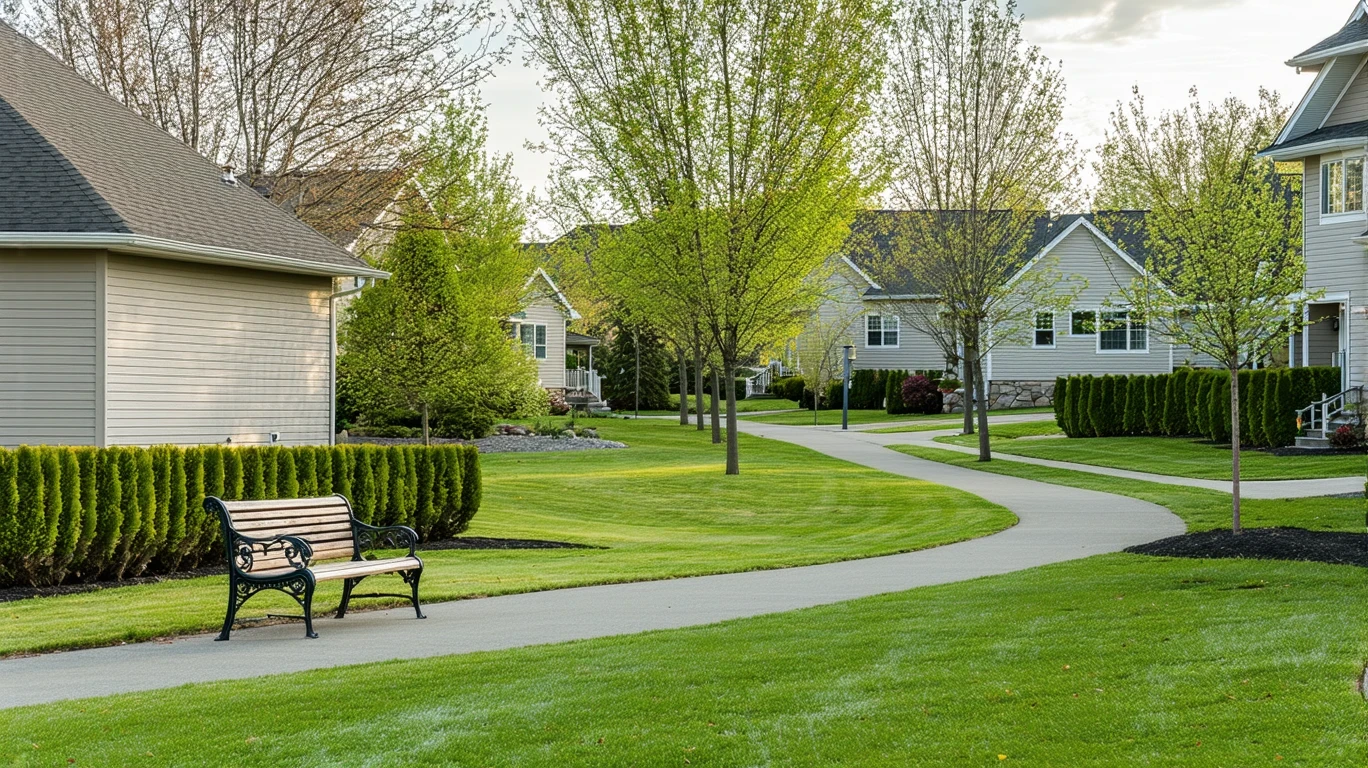
Battle Ground’s median home value of $415,500 creates a lower entry barrier for homeownership compared to Portland’s $523,100. For first-time buyers or families seeking single-family homes with yards, Battle Ground offers more accessible purchase thresholds and typically larger lots. Portland’s housing stock skews toward urban density, with more condos, townhomes, and older single-family homes in established neighborhoods. The entry cost difference matters most for households prioritizing space, outdoor access, and family-oriented housing forms.
Rental markets show narrower separation: Battle Ground’s median gross rent of $1,456 per month sits close to Portland’s $1,530. The modest gap reflects structural differences in housing type and location rather than pure affordability. Battle Ground rentals tend toward single-family homes, duplexes, and newer apartment complexes, while Portland offers greater variety in urban apartments, older multi-family buildings, and mixed-use developments. Renters in Battle Ground often trade slightly lower monthly obligations for longer commutes and fewer walkable amenities, while Portland renters pay incrementally more for proximity to employment centers and transit access.
Homeownership in Battle Ground typically involves newer construction, larger lots, and suburban infrastructure, which can introduce higher ongoing costs for maintenance, landscaping, and utilities tied to home size. Portland homeowners often manage older housing stock, which may require more frequent repairs but can offer lower heating and cooling exposure due to smaller square footage and urban density. Property taxes, insurance, and HOA fees vary widely within both cities depending on neighborhood, housing age, and service bundling, but the structural difference remains: Battle Ground front-loads space and entry accessibility, while Portland front-loads location and commute efficiency.
| Housing Type | Battle Ground | Portland |
|---|---|---|
| Median Home Value | $415,500 | $523,100 |
| Median Gross Rent | $1,456/month | $1,530/month |
| Typical Housing Form | Single-family, newer construction, larger lots | Mixed density, older stock, urban apartments |
Housing Takeaway: Battle Ground fits households where housing entry cost and space dominate the decision, particularly families seeking yards, newer construction, and lower purchase thresholds. Portland fits households prioritizing location, shorter commutes, and walkable urban access, where the higher entry barrier is offset by reduced transportation time and car dependence. Renters face similar monthly obligations in both cities, but the tradeoff shifts from space and newness in Battle Ground to density and proximity in Portland.
Utilities and Energy Costs
Battle Ground’s electricity rate of 14.06¢/kWh sits below Portland’s 16.16¢/kWh, which benefits households with higher baseline electricity usage—particularly those in larger single-family homes with electric heating, cooling, or water heating systems. However, Battle Ground’s natural gas price of $24.71/MCF exceeds Portland’s $16.82/MCF, creating higher exposure for households relying on gas furnaces, water heaters, or ranges. The structural difference matters most during heating months, when natural gas consumption rises and cost predictability depends on fuel choice and home infrastructure.
Households in Battle Ground often occupy newer, larger homes with modern HVAC systems, which can improve efficiency but increase total consumption due to square footage. Cooling needs remain modest in both cities due to the Pacific Northwest climate, but heating exposure dominates utility bills from late fall through early spring. Homes relying on electric heat in Battle Ground benefit from the lower electricity rate, while gas-heated homes face higher per-unit costs compared to Portland. Portland’s older housing stock may introduce less efficient insulation and windows, but smaller average home size can offset total consumption, particularly in urban apartments and townhomes.
Utility cost volatility differs by housing type and fuel dependency. Single adults or couples in smaller apartments experience more predictable bills with lower seasonal swings, while families in larger single-family homes face greater exposure to heating costs and square-footage-driven consumption. Battle Ground households managing larger homes and longer heating seasons may see higher natural gas bills despite lower electricity rates, while Portland households in compact urban housing benefit from reduced total consumption even with slightly higher electricity rates. Baseline usage—lighting, appliances, water heating—remains relatively stable across both cities, but the interaction between home size, fuel type, and seasonal intensity determines which city introduces more cost predictability.
Utility Takeaway: Battle Ground fits households with electric heating systems or lower natural gas dependency, particularly those in energy-efficient newer construction. Portland fits households in smaller, gas-heated homes or urban apartments where reduced square footage lowers total consumption despite higher electricity rates. Families in larger homes face greater utility volatility in Battle Ground due to higher natural gas costs, while Portland’s compact housing stock offers more predictable seasonal exposure for smaller households.
Groceries and Daily Expenses
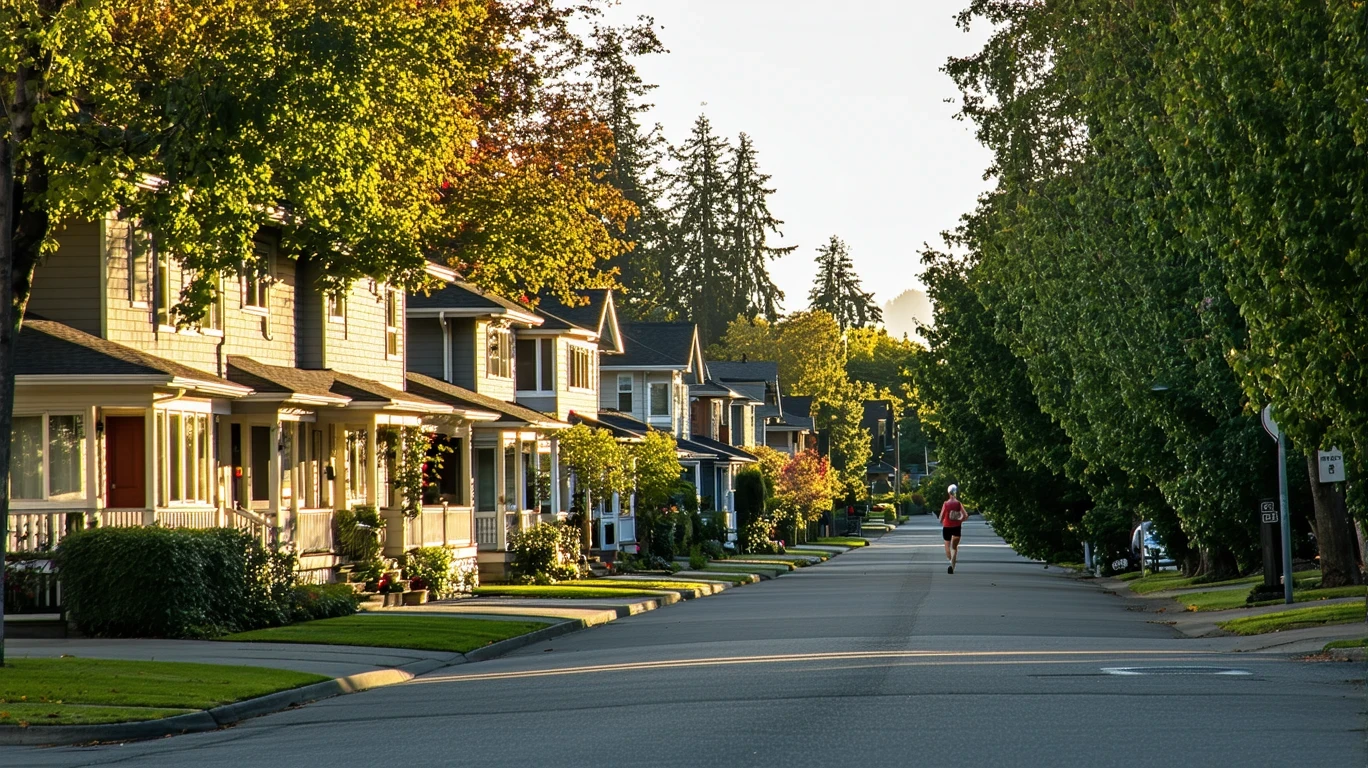
Both Battle Ground and Portland share the same regional price parity index, meaning grocery prices and everyday staples reflect similar baseline costs. What differs is access structure and how households navigate daily errands. Battle Ground offers broadly accessible food and grocery options, with high density of both food establishments and grocery stores distributed throughout the area. This reduces the friction of stocking a household and supports flexible shopping routines without requiring long drives or reliance on a single anchor store. Portland’s urban density concentrates grocery options along corridors and within walkable neighborhoods, offering convenience for households near those zones but potentially requiring more intentional trip planning for those in less central areas.
Dining out, coffee runs, and convenience spending introduce different pressures in each city. Battle Ground’s suburban structure typically means fewer impulse dining options within walking distance, which can reduce convenience spending creep for households managing tighter budgets. Portland’s urban environment offers greater density of cafes, quick-service restaurants, and takeout options, which increases accessibility but also introduces more frequent spending opportunities. Families managing larger grocery volumes may find Battle Ground’s big-box access and car-oriented shopping more efficient, while single adults or couples in Portland may benefit from walkable access to smaller neighborhood markets and prepared food options that reduce cooking frequency.
Price sensitivity plays out differently depending on household size and shopping habits. Larger families benefit from bulk purchasing and discount-focused strategies, which Battle Ground’s retail landscape supports through accessible big-box stores and suburban grocery chains. Smaller households or those prioritizing convenience may find Portland’s neighborhood markets and specialty stores more aligned with their routines, even if per-unit prices skew slightly higher. The structural difference is less about price and more about how shopping fits into daily logistics: Battle Ground rewards planned, car-based trips, while Portland rewards proximity and walkable access.
Grocery Takeaway: Battle Ground fits households prioritizing bulk shopping, big-box access, and planned grocery trips, particularly families managing larger volumes and seeking to minimize convenience spending. Portland fits smaller households or those who value walkable access to neighborhood markets and prepared food options, where proximity reduces reliance on car-based errands. Price sensitivity matters less than access structure—Battle Ground reduces friction through broad distribution, while Portland reduces friction through density and walkability.
Taxes and Fees
Both Battle Ground and Portland sit within Washington and Oregon respectively, introducing state-level tax structure differences that affect households differently depending on income, spending habits, and homeownership status. Washington has no state income tax but relies on sales taxes and property taxes to fund services, while Oregon has no sales tax but imposes state income tax on earnings. This creates divergent cost exposure: Battle Ground households feel tax pressure through consumption and property ownership, while Portland households feel it through payroll deductions and annual income tax filings.
Property taxes in both cities vary by assessed home value, local levies, and school district funding structures. Battle Ground homeowners face property tax obligations tied to newer home values and suburban service infrastructure, while Portland homeowners navigate a mix of older assessed values, urban service demands, and periodic levy adjustments. The predictability of property taxes depends on how frequently assessments change and whether local measures pass, but both cities introduce ongoing obligations that rise with home value and length of ownership. Renters in both cities indirectly absorb property tax costs through rent, though the pass-through effect is less visible and more diffused.
Recurring fees—trash collection, water, sewer, stormwater management—vary by provider and service bundling. Battle Ground households may encounter separate billing for utilities and services, while Portland’s urban infrastructure often consolidates fees into fewer invoices. HOA fees appear more frequently in Battle Ground’s newer developments, particularly in planned communities with shared amenities, landscaping, and maintenance services. Portland’s older housing stock introduces fewer HOA obligations but may require more individual upkeep and repair costs. The structural difference is predictability vs flexibility: Battle Ground’s fees are often bundled and predictable, while Portland’s costs are more variable and tied to individual property age and condition.
Tax and Fee Takeaway: Battle Ground fits households with lower taxable income or those who benefit from Washington’s lack of state income tax, particularly higher earners who can absorb sales tax exposure through controlled spending. Portland fits households with lower consumption spending or those who prefer progressive income tax structures over regressive sales taxes. Homeowners in both cities face ongoing property tax obligations, but Battle Ground introduces more predictable HOA and service fees, while Portland introduces more variable maintenance and repair costs tied to older housing stock.
Transportation & Commute Reality
Battle Ground’s average commute of 30 minutes exceeds Portland’s 24 minutes, and nearly half of Battle Ground workers—49.3%—face long commutes, compared to 34.8% in Portland. This reflects Battle Ground’s role as a bedroom community within the Portland metro, where many residents commute into Portland or other employment centers for work. The time cost of commuting introduces daily friction that affects schedule flexibility, childcare logistics, and household coordination. Portland’s shorter average commute and lower long-commute percentage reflect greater proximity to employment centers and more distributed job opportunities within the city.
Gas prices amplify the transportation cost difference: Battle Ground’s $3.80 per gallon sits above Portland’s $3.35, increasing fuel exposure for households making frequent or long drives. Combined with longer commutes and higher car dependency, Battle Ground households face both higher time costs and higher fuel costs compared to Portland. Work-from-home rates offer some relief—8.7% of Battle Ground workers avoid commutes entirely, compared to 5.0% in Portland—but the majority of households in both cities remain car-dependent for daily routines.
Battle Ground offers bus service and notable cycling infrastructure, with walkable pockets that support pedestrian movement in certain areas. However, the city’s suburban structure and longer commutes mean most households rely on personal vehicles for work, errands, and family logistics. Portland’s urban density and transit options reduce car dependence for some households, particularly those living near transit corridors or within walkable neighborhoods, but many Portland residents still drive daily depending on where they live and work. The transportation tradeoff is time vs proximity: Battle Ground offers lower housing entry costs but higher transportation time and fuel exposure, while Portland offers shorter commutes and reduced car dependence but higher housing entry barriers.
Cost Structure Comparison
Housing pressure dominates the cost experience differently in each city. Battle Ground introduces lower entry barriers for homeownership and rent, making it more accessible for families seeking space and yards. Portland concentrates housing pressure at the entry point, with higher home values and rent creating steeper thresholds for securing housing. Households sensitive to upfront costs and prioritizing space will find Battle Ground’s structure more manageable, while those prioritizing location and commute efficiency may absorb Portland’s higher housing costs in exchange for reduced transportation friction.
Utilities introduce more complexity than magnitude. Battle Ground’s lower electricity rate benefits households with electric heating or larger homes, but higher natural gas prices create exposure for gas-dependent households during heating months. Portland’s higher electricity rate affects baseline consumption, but lower natural gas costs reduce heating exposure for gas-heated homes. The difference matters most for families in larger single-family homes, where total consumption and fuel type determine seasonal volatility. Smaller households in compact housing experience more predictable utility costs in both cities.
Transportation patterns matter more in Battle Ground due to longer commutes, higher long-commute percentages, and higher gas prices. The time cost of commuting affects daily routines, childcare logistics, and household flexibility, while fuel costs accumulate over weeks and months. Portland’s shorter commutes and lower gas prices reduce both time and cash exposure, particularly for households making frequent trips or managing complex schedules. The tradeoff is front-loaded housing costs vs ongoing transportation costs—Battle Ground rewards households who can absorb time and fuel exposure, while Portland rewards those who can absorb higher housing entry barriers.
Daily living and groceries introduce similar baseline costs due to shared regional price parity, but access structure differs. Battle Ground’s broadly accessible grocery options and suburban retail landscape support planned, car-based shopping trips, which can reduce convenience spending for disciplined households. Portland’s walkable density and neighborhood markets increase accessibility but also introduce more frequent spending opportunities. Families managing larger grocery volumes may find Battle Ground’s structure more efficient, while smaller households may prefer Portland’s proximity and walkable access.
The better choice depends on which costs dominate the household. Families sensitive to housing entry barriers and prioritizing space may prefer Battle Ground, where lower home values and rent offset higher transportation time and fuel costs. Households sensitive to commute friction and time costs may prefer Portland, where shorter commutes and reduced car dependence offset higher housing entry barriers. For single adults or couples, the difference is less about price and more about predictability—Battle Ground offers lower housing obligations but higher transportation exposure, while Portland offers shorter commutes but higher rent or mortgage payments. Neither city is universally cheaper; each fits different household types depending on which cost pressures they can absorb and which tradeoffs align with their daily routines.
How the Same Income Feels in Battle Ground vs Portland
Single Adult
Housing becomes the first non-negotiable cost, and Battle Ground’s lower rent or mortgage payment creates more breathing room for discretionary spending or savings. Flexibility exists in transportation—shorter trips and fewer errands can reduce fuel costs—but the longer commute introduces time friction that limits evening routines and social plans. Portland’s higher housing cost tightens the budget upfront, but shorter commutes and walkable access to errands reduce time costs and create more schedule flexibility. The tradeoff is cash savings in Battle Ground vs time savings in Portland.
Dual-Income Couple
Housing entry barriers matter less when two incomes combine, but transportation exposure doubles if both partners commute. Battle Ground’s longer average commute and higher gas prices create ongoing friction that affects household coordination and evening logistics. Flexibility exists in grocery and dining habits—planned shopping trips and home cooking reduce convenience spending—but the suburban structure requires more intentional trip planning. Portland’s shorter commutes and walkable density reduce transportation time costs and increase flexibility for errands, but higher housing costs and urban dining options can introduce convenience spending creep if not managed.
Family with Kids
Housing space becomes non-negotiable, and Battle Ground’s lower home values and larger lots make single-family homeownership more accessible. Flexibility disappears in transportation—school drop-offs, extracurriculars, and errands require frequent driving—and longer commutes compress evening routines and family time. Battle Ground’s integrated green space and present family infrastructure support outdoor play and school access, but the time cost of commuting introduces daily friction. Portland’s higher housing entry cost creates pressure upfront, but shorter commutes and walkable neighborhoods reduce transportation time and increase schedule flexibility for managing childcare and activities. The tradeoff is space and entry accessibility in Battle Ground vs time and logistical efficiency in Portland.
Decision Matrix: Which City Fits Which Household?
| Decision factor | If you’re sensitive to this… | Battle Ground tends to fit when… | Portland tends to fit when… |
|---|---|---|---|
| Housing entry + space needs | Upfront costs, yard access, room for families | Lower home values and rent make ownership or larger rentals more accessible | Proximity to employment and urban amenities justifies higher entry costs |
| Transportation dependence + commute friction | Daily time costs, fuel exposure, schedule flexibility | Household can absorb longer commutes and higher gas prices in exchange for housing savings | Shorter commutes and lower gas prices reduce time and fuel exposure |
| Utility variability + home size exposure | Seasonal bill swings, heating costs, square footage | Electric heating systems or energy-efficient construction offset higher natural gas prices | Smaller homes or gas heating reduce total consumption despite higher electricity rates |
| Grocery strategy + convenience spending creep | Bulk shopping access, walkable errands, dining temptation | Planned car-based trips and big-box access support larger households and reduce impulse spending | Walkable density and neighborhood markets fit smaller households prioritizing proximity |
| Fees + friction costs (HOA, services, upkeep) | Predictable vs variable ongoing costs | Newer construction and bundled HOA fees create predictable obligations | Older housing stock introduces variable maintenance but fewer bundled fees |
| Time budget (schedule flexibility, errands, logistics) | Commute compression, evening routines, childcare coordination | Household prioritizes space and housing savings over daily time efficiency | Shorter commutes and walkable access increase schedule flexibility and reduce logistics friction |
Lifestyle Fit in Battle Ground and Portland
Battle Ground offers a suburban lifestyle centered on family space, outdoor access, and residential neighborhoods. The city’s integrated green space and park density support active outdoor routines, while broadly accessible grocery options and notable cycling infrastructure create flexibility for errands and recreation. Walkable pockets exist in certain areas, allowing pedestrian movement for daily tasks, though most households rely on cars for commuting and longer trips. The longer average commute of 30 minutes affects daily schedules, particularly for families managing school drop-offs, extracurriculars, and evening routines. Battle Ground fits households prioritizing yards, newer construction, and family-oriented infrastructure over urban amenities and shorter commutes.
Portland provides urban density, walkable neighborhoods, and proximity to employment centers. Shorter commutes of 24 minutes reduce daily time costs and increase schedule flexibility, while mixed-use development and neighborhood retail support walkable errands for households living near transit corridors or central districts. The city’s older housing stock and established neighborhoods offer character and location advantages, though maintenance and repair needs may arise more frequently. Portland fits households prioritizing commute efficiency, urban access, and walkable density over space and lower housing entry costs. Portland’s unemployment rate of 4.0% sits slightly below Battle Ground’s 4.5%, reflecting greater job density and employment opportunities within the city. Both cities experience similar Pacific Northwest weather, with cool, damp winters and mild, dry summers that keep cooling costs low but introduce moderate heating exposure.
Lifestyle factors indirectly affect costs in both cities. Battle Ground’s suburban structure and longer commutes increase transportation time and fuel exposure, while larger homes and newer construction can raise utility consumption and maintenance obligations. Portland’s walkable density and shorter commutes reduce car dependence and time costs, while smaller urban housing stock can lower total utility consumption despite higher electricity rates. Households managing complex schedules—childcare, multiple jobs, extracurriculars—may find Portland’s shorter commutes and walkable access reduce daily friction, while those prioritizing outdoor space and family infrastructure may find Battle Ground’s parks, schools, and residential neighborhoods more aligned with their routines. Neither city offers a universal lifestyle advantage; each fits different household priorities depending on how time, space, and daily logistics interact with cost structure.
Frequently Asked Questions
Is Battle Ground or Portland cheaper for families in 2026?
Battle Ground offers lower housing entry costs, with a median home value of $415,500 compared to Portland’s $523,100, making homeownership and larger rentals more accessible for families seeking space and yards. However, Battle Ground introduces higher transportation costs due to longer commutes, higher gas prices, and greater car dependence. Portland’s shorter commutes and lower gas prices reduce time and fuel exposure, but higher housing entry barriers create upfront pressure. The better choice depends on whether your household prioritizes housing entry and space or commute efficiency and time savings.
How do commute costs compare between Battle Ground and Portland in 2026?
Battle Ground’s average commute of 30 minutes exceeds Portland’s 24 minutes, and nearly half of Battle Ground workers face long commutes compared to about one-third in Portland. Battle Ground’s gas price of $3.80 per gallon sits above Portland’s $3.35, increasing fuel exposure for households making frequent or long drives. The time cost of commuting also affects daily schedules, childcare logistics, and evening routines. Portland’s shorter commutes and lower gas prices reduce both time and cash exposure, particularly for households managing complex schedules or multiple jobs.
Do utilities cost more in Battle Ground or Portland in 2026?
Battle Ground’s electricity rate of 14.06¢/kWh sits below Portland’s 16.16¢/kWh, benefiting households with electric heating or higher baseline usage. However, Battle Ground’s natural gas price of $24.71/MCF exceeds Portland’s $16.82/MCF, creating higher exposure for gas-heated homes during heating months. The difference matters most for families in larger single-family homes, where total consumption and fuel type determine seasonal volatility. Smaller households in compact housing experience more predictable utility costs in both cities, with the advantage shifting based on heating system and home size.
Which city is better for renters, Battle Ground or Portland, in 2026?
Battle Ground’s median gross rent of $1,456 per month sits slightly below Portland’s $1,530, but the difference is modest. The structural tradeoff is space and housing form in Battle Ground—single-family rentals, duplexes, newer complexes—versus density and proximity in Portland—urban apartments, mixed-use buildings, walkable neighborhoods. Renters in Battle Ground often trade lower monthly obligations for longer commutes and more car-dependent routines, while Portland renters pay incrementally more for shorter commutes and walkable access to errands and transit. The better choice depends on whether your household prioritizes space and entry cost or location and commute efficiency.
How do grocery and daily expenses differ between Battle Ground and Portland in 2026?
Both cities share the same regional price parity, meaning grocery prices and everyday staples reflect similar baseline costs. Battle Ground offers broadly accessible food and grocery options distributed throughout the area, supporting planned, car-based shopping trips that can reduce convenience spending. Portland’s urban density concentrates grocery options along walkable corridors and neighborhoods, increasing accessibility for households near those zones but introducing more frequent dining and takeout opportunities. Families managing larger grocery volumes may find Battle Ground’s big-box access more efficient, while smaller households may prefer Portland’s walkable neighborhood markets and prepared food options.
Conclusion
Battle Ground and Portland offer fundamentally different cost structures within the same metro region. Battle Ground fits households where housing entry cost and space dominate the decision—families seeking yards, lower home values, and family-oriented infrastructure can absorb longer commutes and higher transportation exposure in exchange for more accessible homeownership and larger living spaces. Portland fits households prioritizing commute efficiency, urban access, and time savings—shorter commutes, lower gas prices, and walkable density reduce daily friction and transportation costs, though higher housing entry barriers create upfront pressure.
Neither city is universally cheaper. Battle Ground front-loads housing savings but introduces ongoing transportation time and fuel costs, while Portland front-loads housing costs but reduces commute friction and car dependence. The decision depends on which cost pressures your household can absorb and which tradeoffs align with your daily routines, schedule flexibility, and long-term priorities. Families sensitive to housing entry barriers and prioritizing space may find Battle Ground more sustainable, while those sensitive to commute time and logistics friction may find Portland’s structure more manageable. Both cities offer distinct advantages depending on how housing, transportation, and daily logistics interact with your household’s financial and lifestyle reality in 2026.
How this article was built: In addition to public economic data, this article incorporates location-based experiential signals derived from anonymized geographic patterns—such as access density, walkability, and land-use mix—to reflect how day-to-day living actually feels in Battle Ground, WA.