
A summer electric bill topping $200 isn’t unusual for a single-family home in Bethany—and for many households, that single utility dominates the entire cost structure from June through September. Understanding how utilities behave in Bethany means recognizing that exposure is seasonal, usage-sensitive, and heavily shaped by Oklahoma’s climate extremes. This breakdown walks through what drives your monthly utility costs, how to anticipate seasonal swings, and where you have the most control.
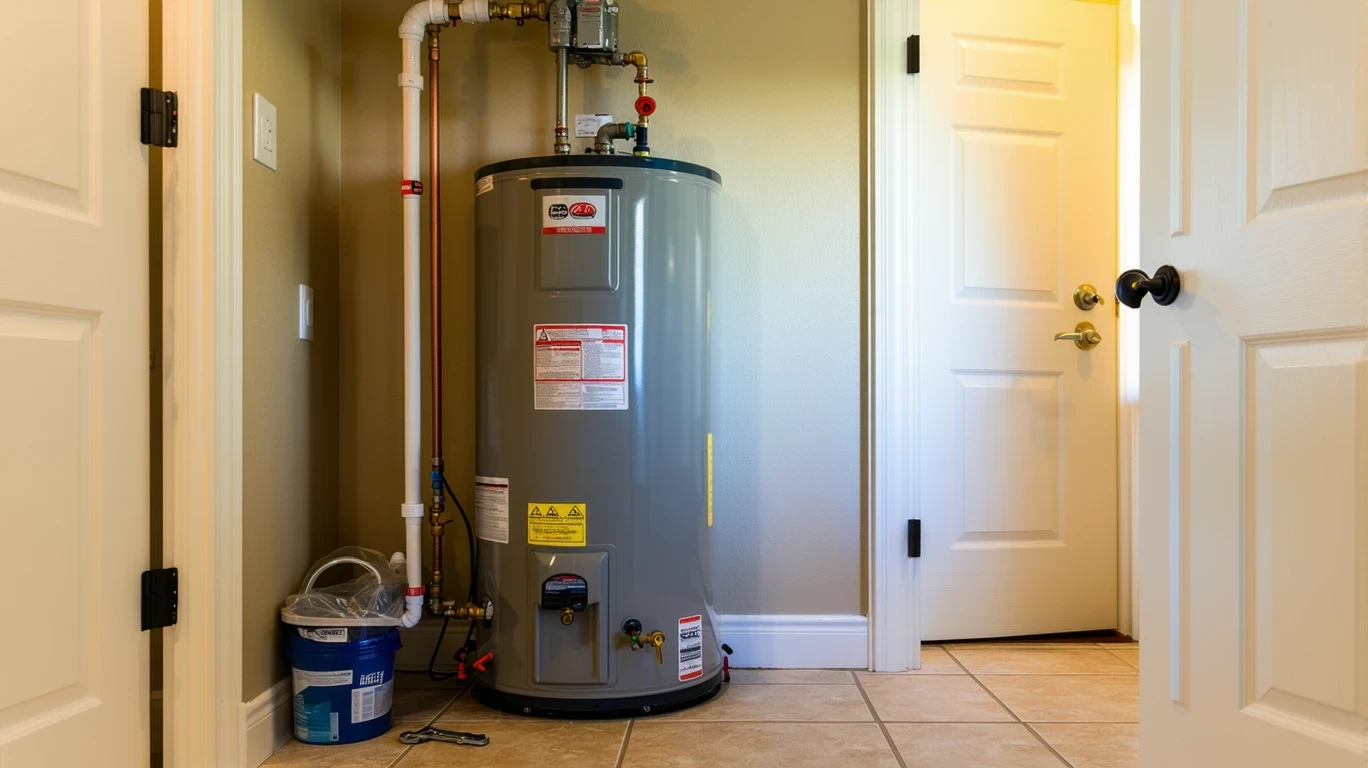
Understanding Utilities in Bethany
When people talk about utilities cost in Bethany, they’re usually referring to the combined monthly expense of electricity, water, natural gas, and trash service—the infrastructure charges that keep a household running day to day. These aren’t discretionary expenses, but they’re not entirely fixed either. Unlike rent or a mortgage payment, utility bills fluctuate based on weather, household size, home efficiency, and behavioral choices, making them one of the more volatile line items in a monthly budget.
For most Bethany households, utilities represent the second-largest recurring expense after housing. Electricity typically leads, especially during the extended cooling season that defines Oklahoma summers. Natural gas follows as the primary heating fuel for many homes, creating a winter cost peak that mirrors summer’s electric spike. Water and trash are smaller in dollar terms but still essential, and their pricing structures—tiered usage for water, flat or bundled fees for trash—add another layer of variability depending on household composition and service provider.
If you’re moving to Bethany, it’s worth noting that utility responsibility varies significantly by housing type. Single-family renters and homeowners typically pay all utilities separately, giving them full exposure to seasonal swings but also full control over usage and efficiency upgrades. Apartment renters may find water, trash, or even gas included in rent, which smooths monthly volatility but removes direct control. Understanding what’s included—and what’s billed separately—is essential before signing a lease or closing on a home, because the difference can easily add $100 to $250 per month to your effective housing cost depending on the season.
Utilities at a Glance in Bethany
The table below shows how core utility costs typically behave for a mid-size household in a single-family home in Bethany. Where city-level prices are available in the data feed, they are shown directly. When exact figures are not provided, categories are described qualitatively to reflect how costs are structured and what drives variability.
| Utility | Cost Structure | Notes |
|---|---|---|
| Electricity | 14.42¢/kWh | Usage-sensitive; peaks in summer cooling months |
| Water | Tiered pricing; usage-dependent | Varies by provider and household consumption |
| Natural Gas | $36.97/MCF | Winter-driven; heating-dependent |
| Trash & Recycling | Typically bundled with water or HOA | Flat fee or included in service package |
| Total | Seasonal variability driven by electricity and heating; structure-driven rather than fixed | |
This table reflects utility cost structure for a mid-size household in a single-family home in Bethany during 2026. Where exact figures are not provided in the IndexYard data feed, categories are described directionally to reflect how costs behave rather than a receipt-accurate total.
Electricity is typically the most exposure-sensitive utility in Bethany, driven more by climate and home efficiency than by base rates. At 14.42¢ per kilowatt-hour, the rate itself sits near the national average, but consumption during triple-digit summer heat can easily push a household using 1,000 kWh per month toward $144 in electricity charges alone—before fees or taxes. Homes with older AC units, poor insulation, or west-facing windows face even steeper usage. The key insight here is that the rate is stable, but the volume is not, and that’s where the financial exposure lives.
Water costs in Bethany are structured around tiered usage, meaning the more you consume, the higher the per-unit price climbs. This pricing model rewards conservation and penalizes waste, making it particularly sensitive to household size, landscaping choices, and seasonal irrigation. Families with lawns or gardens can see notable increases during dry summer months, while apartment dwellers or those with xeriscaped yards typically stay in lower tiers year-round.
Natural gas, priced at $36.97 per thousand cubic feet (MCF), is the dominant heating fuel for many Bethany homes. For a household using approximately 1 MCF per month during winter heating months, that translates to roughly $37 in gas charges before fees—a modest baseline that can double or triple in particularly cold stretches. Homes with gas water heaters or ranges will see year-round usage, but the real cost driver is space heating from November through March.
Trash and recycling services in Bethany are often bundled with water bills or included in homeowners association (HOA) fees, depending on the neighborhood. When billed separately, expect a flat monthly fee that doesn’t fluctuate with usage. This makes trash one of the most predictable utility expenses, though the exact amount varies by provider and service level—weekly pickup versus biweekly, for example, or whether bulk item removal is included.
How Weather Impacts Utilities in Bethany
Oklahoma’s climate is the single biggest determinant of utility volatility in Bethany. Summers are long, hot, and humid, with temperatures regularly climbing into the upper 90s and low 100s from June through August. Air conditioning isn’t optional—it’s a health and comfort necessity—and that means electricity consumption spikes sharply during these months. Many Bethany households experience noticeably higher electric bills during peak summer compared to spring, with cooling costs often doubling or tripling the baseline usage seen in milder months. Homes with poor insulation, older HVAC systems, or significant sun exposure face the steepest increases.
Winter brings a different but equally real cost pressure. While Bethany’s winters are milder than those in the northern Plains, temperatures still drop below freezing regularly, and heating systems run consistently from late November through February. Natural gas is the primary heating fuel for most homes, and usage during cold snaps can push monthly consumption well above the 1 MCF baseline. Electric heating, whether through baseboards or heat pumps, shifts that cost burden back to the electric bill, creating a winter spike that mirrors summer’s cooling load. The key difference is duration: heating season is shorter and less intense than cooling season in Oklahoma, so the annual cost tilt favors summer as the dominant expense driver.
One regional quirk worth noting is the role of humidity. Oklahoma sits in a zone where summer humidity amplifies the perceived heat, forcing air conditioners to work harder to maintain comfort. This isn’t just about temperature—it’s about the moisture load in the air, which affects how efficiently cooling systems operate. Dehumidification is part of the AC’s job, and in Bethany’s climate, that adds measurable consumption. Similarly, winter humidity levels can affect heating efficiency, though the impact is less pronounced than in summer. Understanding this dynamic helps explain why two homes with identical thermostats can see different bills: the one with better moisture control and insulation simply has less work to do.
How to Save on Utilities in Bethany
Reducing utility costs in Bethany starts with recognizing where the largest exposures live—electricity in summer, natural gas in winter—and then applying strategies that target those specific drivers. The goal isn’t to eliminate usage, which isn’t realistic, but to reduce waste, smooth volatility, and take advantage of programs or upgrades that lower the baseline. Small behavioral changes compound over time, and structural improvements—insulation, efficient appliances, smart thermostats—pay dividends across multiple billing cycles.
One of the most effective levers is managing cooling and heating efficiency. Programmable or smart thermostats allow you to reduce runtime when no one’s home, cutting electricity or gas consumption without sacrificing comfort. In Bethany’s climate, even a two-degree adjustment during peak hours can noticeably reduce monthly bills. Sealing air leaks around windows, doors, and ductwork prevents conditioned air from escaping, which means your HVAC system runs less frequently to maintain the same indoor temperature. Shade trees, awnings, or reflective window film can reduce solar heat gain in summer, lowering the cooling load before the AC even kicks on.
Beyond efficiency, several programs and incentives can help Bethany households reduce costs or stabilize bills:
- Off-peak billing programs: Some electricity providers offer lower rates during non-peak hours, rewarding households that shift usage—laundry, dishwashing, EV charging—to evenings or weekends.
- Budget billing or equalized payment plans: These programs average your annual utility costs into fixed monthly payments, smoothing out seasonal spikes and making budgeting more predictable.
- Energy-efficient appliance rebates: Utilities and state programs sometimes offer rebates for upgrading to Energy Star–rated air conditioners, water heaters, or refrigerators, reducing both upfront costs and long-term consumption.
- Solar panel incentives: Federal tax credits and Oklahoma-specific programs can offset the cost of residential solar installations, which directly reduce electricity bills and insulate households from rate increases.
- Water conservation fixtures: Low-flow showerheads, faucet aerators, and efficient toilets reduce water consumption, helping households stay in lower pricing tiers and cutting both water and wastewater charges.
🏆 Tip: Check if your provider in Bethany offers rebates for energy-efficient AC units or heating systems. These programs can cover a significant portion of replacement costs while delivering immediate savings on monthly bills.
FAQs About Utility Costs in Bethany
Why are utility bills so high in Bethany during summer?
Summer utility bills in Bethany spike primarily due to extended air conditioning use during Oklahoma’s long, hot cooling season. Homes with older AC units, poor insulation, or significant sun exposure face the steepest increases, as electricity consumption can easily double or triple compared to milder months.
What is the average monthly electric bill for an apartment in Bethany compared to a single-family home?
Apartments in Bethany typically see lower electric bills than single-family homes due to shared walls, smaller square footage, and reduced exposure to outdoor temperatures. A single-family home using 1,000 kWh per month might see a $144 electricity charge (before fees), while an apartment with 600–700 kWh usage would land closer to $85–$100, depending on efficiency and tenant behavior.
Do HOAs in Bethany usually include trash or water in their fees?
Many homeowners associations in Bethany bundle trash and sometimes water service into monthly HOA dues, though this varies by neighborhood and development. It’s essential to review the HOA disclosure documents before purchasing to understand exactly which utilities are covered and which remain the homeowner’s responsibility.
How does seasonal weather affect monthly utility bills in Bethany?
Bethany’s climate creates two distinct cost peaks: summer electricity bills driven by air conditioning, and winter natural gas bills driven by heating. The summer peak tends to be larger and longer-lasting due to Oklahoma’s extended hot season, while winter heating costs are significant but shorter in duration. Spring and fall offer the lowest utility costs, as heating and cooling demands drop substantially.
Does Bethany offer incentives for solar panels or energy-efficient appliances?
Oklahoma residents, including those in Bethany, can access federal tax credits for residential solar installations, which cover a significant portion of upfront costs. Additionally, some utility providers and state programs offer rebates for energy-efficient appliances like air conditioners, water heaters, and HVAC systems, though availability and amounts vary by provider and year.
How Utilities Fit Into the Cost Structure in Bethany
Utilities in Bethany function as a cost driver and volatility factor rather than a fixed baseline. Electricity dominates seasonal exposure, particularly during the extended summer cooling months when consumption can spike sharply. Natural gas adds a secondary winter peak for homes reliant on gas heating, while water and trash remain smaller but steady contributors. The key insight is that utility costs aren’t just about the rates—they’re about the interaction between climate, housing type, household behavior, and infrastructure efficiency. A household in a well-insulated newer home with a modern HVAC system will experience fundamentally different cost patterns than one in an older home with single-pane windows and a 15-year-old air conditioner, even if both pay the same per-kilowatt-hour rate.
For households navigating Bethany’s broader cost landscape, utilities represent one of the few expense categories where direct control is possible. Unlike rent or property taxes, which are largely fixed, utility bills respond to behavioral changes, efficiency upgrades, and strategic planning. That control matters, especially for households operating on tight budgets or those trying to smooth monthly cash flow. Understanding where the largest exposures live—and how to mitigate them—turns utilities from an unpredictable burden into a manageable, plannable component of your monthly budget in Bethany.
Bethany’s mixed urban form and corridor-clustered errands accessibility mean that most utility-related tasks—paying bills in person, visiting hardware stores for efficiency supplies, or accessing utility assistance programs—require driving rather than walking. The city’s integrated green space offers natural cooling strategies like shade trees and outdoor alternatives to indoor air conditioning, which can help reduce summer electricity consumption for households willing to adapt their routines. However, the limited healthcare access signals that utility bill assistance programs, often administered through social services or nonprofit organizations, may require travel to nearby Oklahoma City rather than being available locally. These structural realities shape how households experience and manage utility costs beyond the numbers on the bill itself.
If you’re trying to understand how utilities fit into the bigger financial picture, the most useful next step is to see how electricity, gas, water, and trash interact with housing, transportation, and other recurring expenses. Utilities don’t exist in isolation—they’re one piece of a larger cost structure that determines whether a household can build savings, absorb unexpected expenses, or simply break even each month. For a complete view of what shapes the cost of living in Bethany, including how utility volatility interacts with housing pressure and transportation tradeoffs, explore the broader cost overview and budget planning resources available through IndexYard. The goal isn’t just to pay less—it’s to understand where your money goes, why it goes there, and what levers you actually control.
How this article was built: In addition to public economic data, this article incorporates location-based experiential signals derived from anonymized geographic patterns—such as access density, walkability, and land-use mix—to reflect how day-to-day living actually feels in Bethany, OK.